
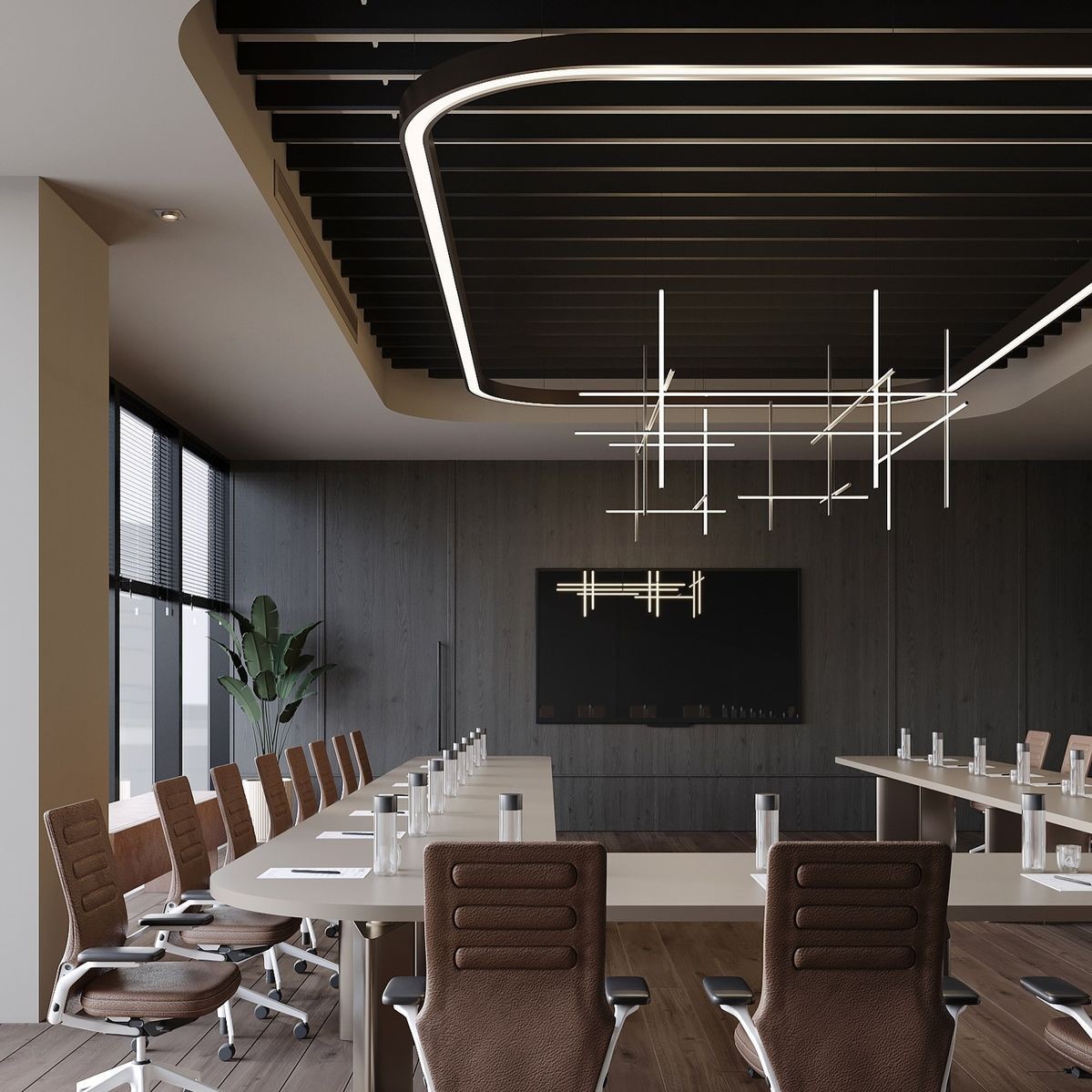
Office Lighting in Dubai and Abu Dhabi: For Modern Corporate Workspaces in 2027
One of the first things a manager or visitor may notice when entering a well-designed office is the lighting.
The room feels comfortable, desks are easy to work at, screens have minimal distracting reflections, and meeting rooms look professional without feeling harsh.
That’s what good office lighting does, and that’s why it matters to every corporate leader.
It’s not just about fancy or expensive LED office light fixtures!
It supports the work happening in the space without demanding constant attention.
Indeed, for many CEOs in Dubai and Abu Dhabi, office lighting design has become an important part of modern corporate environments.
From offices in commercial towers to executive suites, co-working spaces, meeting rooms, and reception areas, the lighting needs to support different activities throughout the working day.
A successful project combines visual comfort, appropriate illumination, energy efficiency, architectural design, and practical maintenance.
It also considers how daylight enters the building and how employees use different areas.
To do it right, lighting consultants often recommend a full 3D lighting design for the office or workspace before supplying any light fixture.
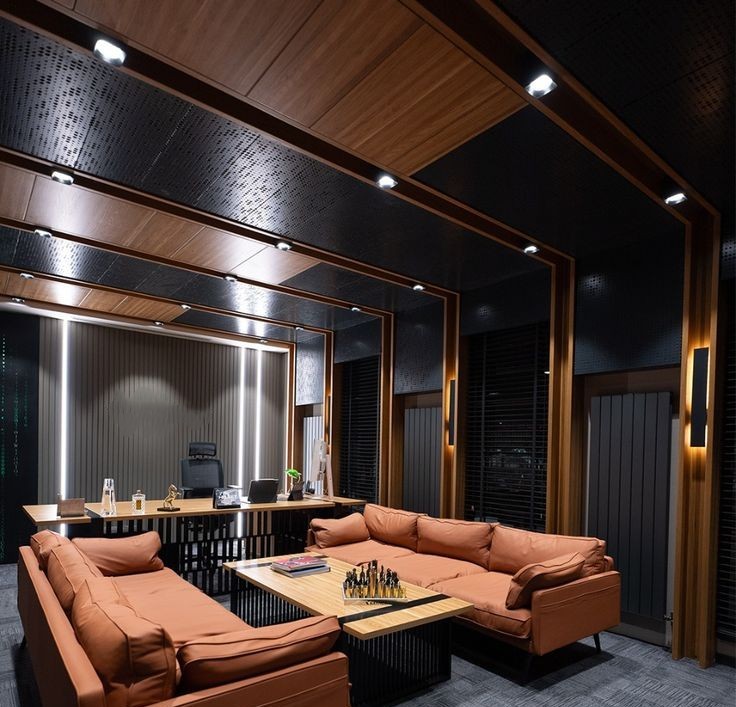
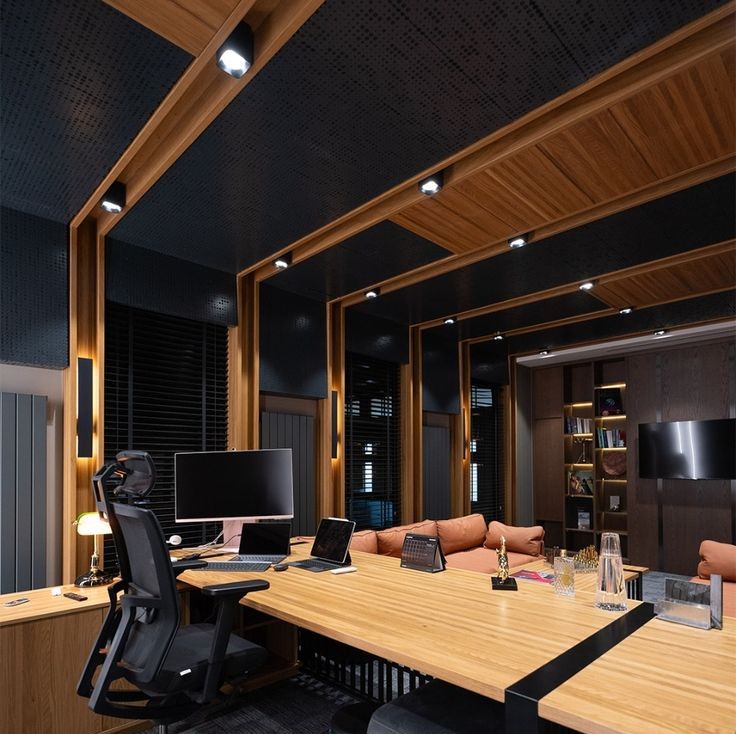
OFFICE LIGHTING DESIGN IN DUBAI AND ABU DHABI
The first step in an office lighting project isn’t choosing a fixture.
It’s understanding the people, activities, and architectural features that the lighting needs to support.
A corporate office might contain open-plan workstations, private offices, conference rooms, reception areas, phone booths, break rooms, and corridors.
Each space serves a different purpose, so using the same lighting arrangement throughout the building rarely produces the best result.
A lighting designer starts by reviewing the floor plans, ceiling heights, window positions, interior finishes, furniture layouts, and project requirements.
Lighting Needs of Each Workspace
Workstation lighting should support reading, writing, and computer work without creating unnecessary glare.
Meeting rooms need to accommodate discussions, presentations, video calls, and collaborative sessions.
Reception areas have a different job. They create the first impression visitors receive when they enter the office, so the lighting should support the company’s identity while providing comfortable illumination.
Breakout areas and informal meeting spaces may benefit from softer lighting and more decorative fixtures.
Corridors, storage rooms, and support areas need a practical solution suited to their use.
Architecture and Lighting
Ceiling design, acoustic panels, air-conditioning outlets, sprinklers, and electrical services can all influence fixture placement.
The lighting designer should coordinate these elements before light installation begins.
This helps avoid situations where a downlight lands directly above a ceiling obstruction or a decorative pendant conflicts with an air-conditioning outlet.
The result should look intentional because the design team has coordinated the different building elements, not because someone corrected every issue at the last minute.
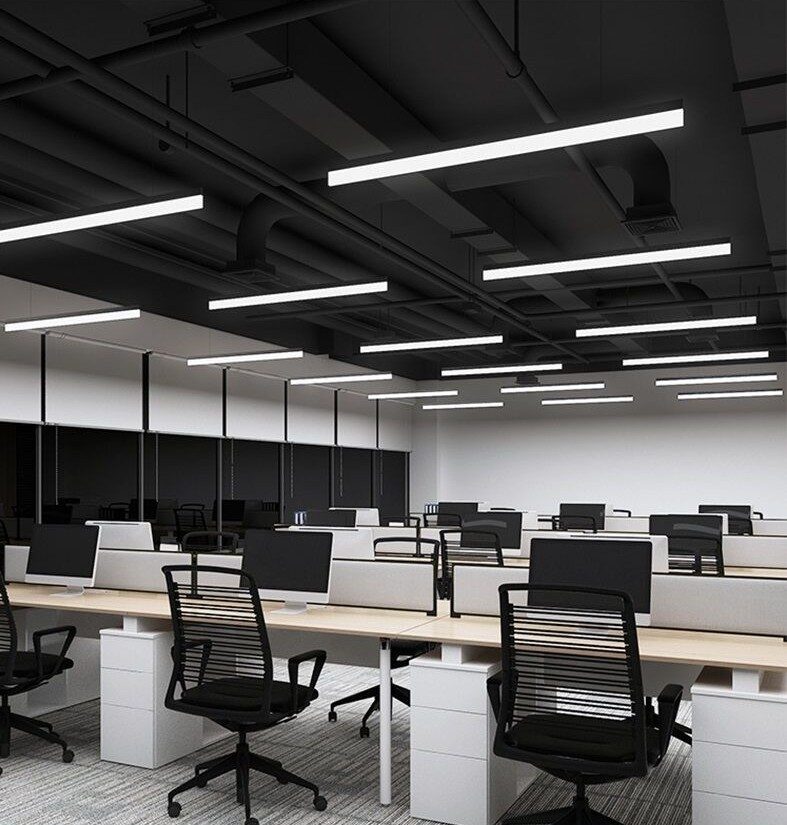
OFFICE CEILING LIGHTS, OFFICE CEILING LAMPS, AND CEILING LAMPS FOR OFFICE SPACES
Office ceiling lights usually provide the foundation of an office lighting scheme.
It establishes the general brightness of the room and helps employees move between work areas comfortably.
However, the right arrangement depends on the room’s dimensions, ceiling height, furniture, and visual tasks.
Installing more fixtures doesn’t automatically improve the result.
Recessed Office Ceiling Lights
Recessed LED downlights offer a clean appearance and can work well in private offices, corridors, reception areas, and selected meeting spaces.
Their performance depends on more than the fixture’s wattage.
The designer should review its light output, beam angle, glare characteristics, mounting depth, and spacing.
In open-plan offices, closely spaced downlights may not provide the most comfortable or efficient solution.
Linear luminaires or broader distributions may suit the layout better.
Linear Ceiling Lamps for Modern Offices
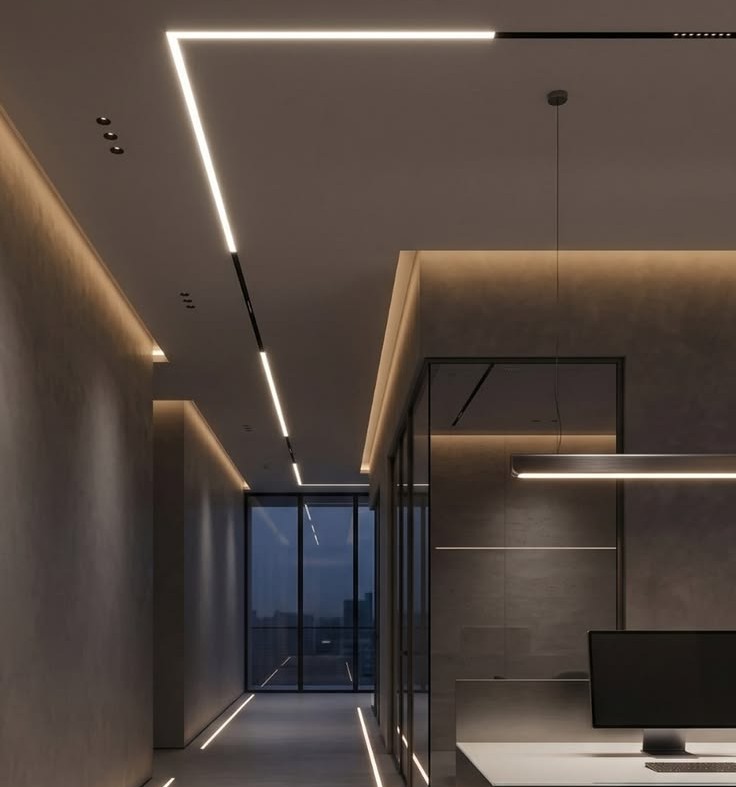
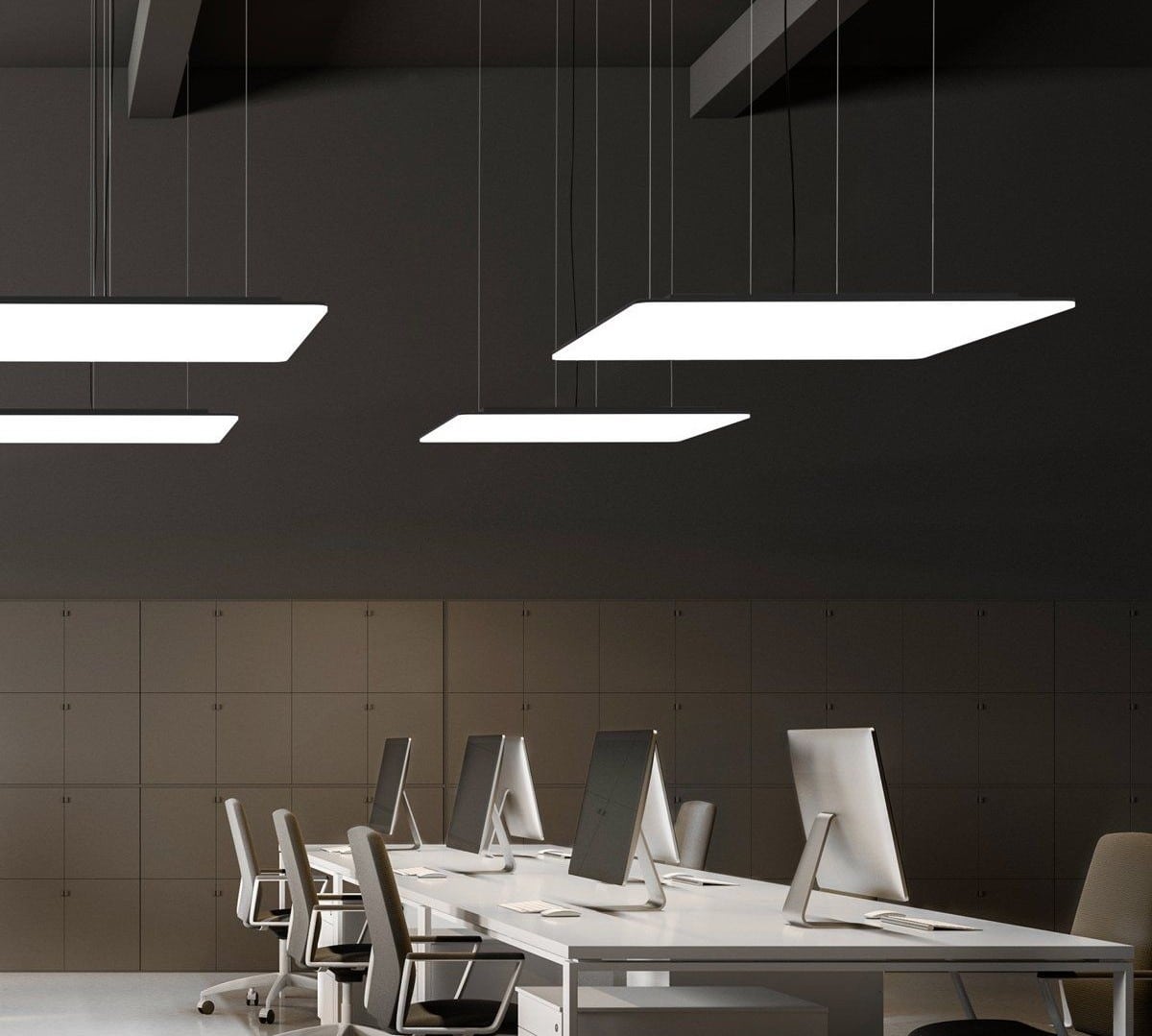
Linear lighting works well in contemporary offices because it can create continuous lines that follow the architecture or organize the workspace visually.
Designers can place linear luminaires above workstations, along circulation routes, or within architectural ceiling details.
Some products also provide direct and indirect light, illuminating both the desk area and the ceiling.
Hence, an office lighting designer might suggest a backlit stretch ceiling installation .
That distribution can help reduce the contrast between a bright desk and a dark ceiling, depending on the fixture and room design.
Surface-Mounted and Suspended Ceiling Fixtures
Not every office has a ceiling void suitable for recessed lights.
Surface-mounted fixtures can provide a practical alternative where the building structure or services limit installation depth.
Suspended luminaires can work particularly well in offices with high ceilings. Their mounting height allows the designer to position the light source appropriately while creating a visual relationship with desks, meeting tables, and other furniture.
The important point is to select the fixture according to the space rather than forcing every office into the same ceiling layout.
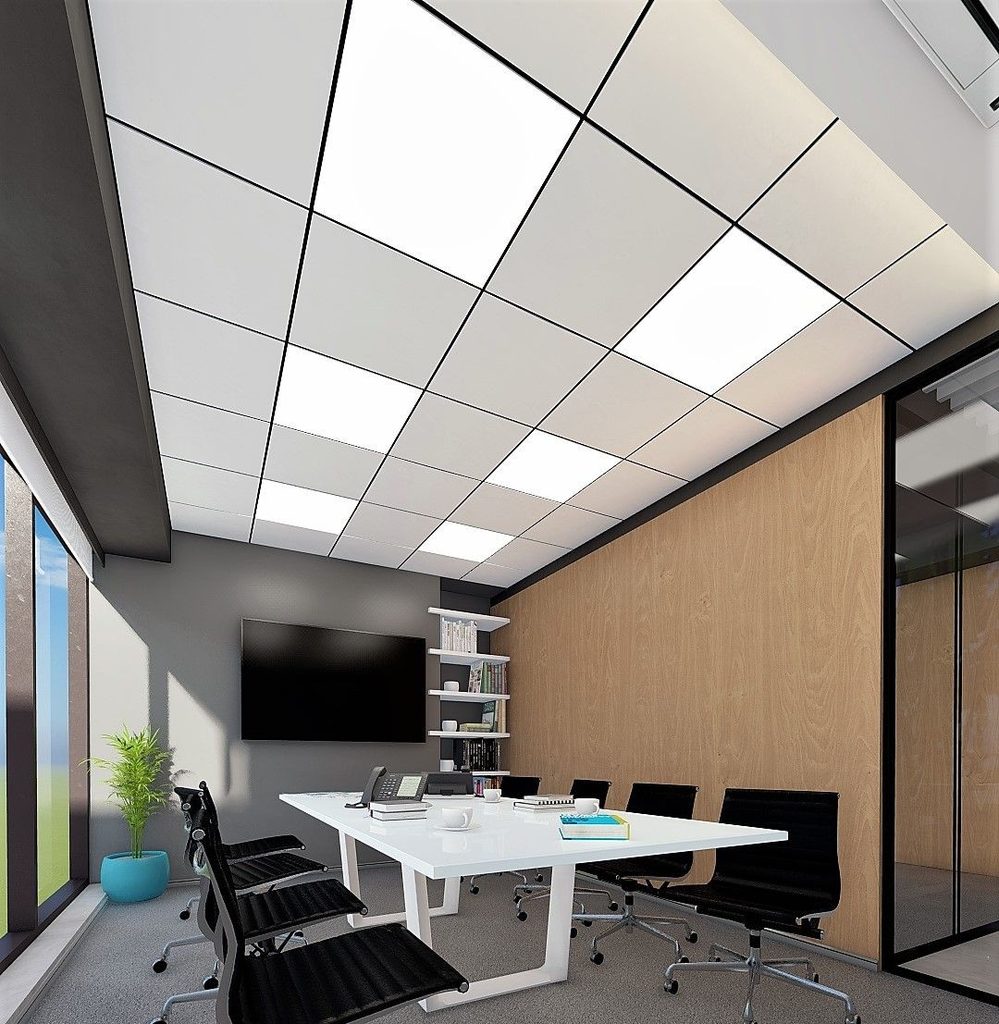
LED OFFICE LIGHTING (QUALITY, COLOR, FLICKER, ETC.)
LED technology gives office designers a broad selection of luminaires, from compact downlights and linear profiles to acoustic lighting systems and decorative pendants.
But choosing LEDs isn’t just about lowering electricity consumption. The quality of the light matters just as much as its efficiency.
The Illuminating Engineering Society’s ANSI/IES RP-1-24, Recommended Practice: Lighting Office Spaces, addresses visual comfort, glare, visual displays, control systems, color, and luminaire selection.
These considerations provide a useful foundation for planning contemporary corporate interiors, especially when choosing the square led ceiling light fixtures.
Choosing the Right Color Temperature
Correlated color temperature, or CCT, describes whether white light appears warmer or cooler.
Warmer white light can suit informal meeting areas, lounges, and hospitality-inspired office interiors.
Neutral or cooler white light may suit particular work environments, depending on the architecture, materials, operating requirements, and lighting concept.
There is no single color temperature that works best in every office. The designer should consider the intended atmosphere, daylight conditions, surrounding finishes, and consistency between adjacent spaces.
Color Rendering and Material Appearance
Color rendering affects how accurately a light source reveals colors.
This matters in offices with branded interiors, artwork, product displays, material samples, or spaces where employees regularly evaluate colors.
A fixture with suitable color-rendering performance can help maintain a more consistent appearance between furniture, walls, flooring, and decorative finishes.
The project team should check the manufacturer’s technical data rather than choosing a product based on the color of the light shown in a catalog photograph.
Flicker and Lighting Quality
LED fixtures use drivers to regulate the current supplied to the light source.
Driver design and operating characteristics can affect flickers and other forms of temporal light modulation.
Poorly specified combinations may create problems that aren’t obvious from the product’s appearance.
The designer should consider the fixture and driver as a complete system and review relevant technical documentation.
This becomes especially important when a project includes dimming, smart controls, or large numbers of luminaires from different product ranges.
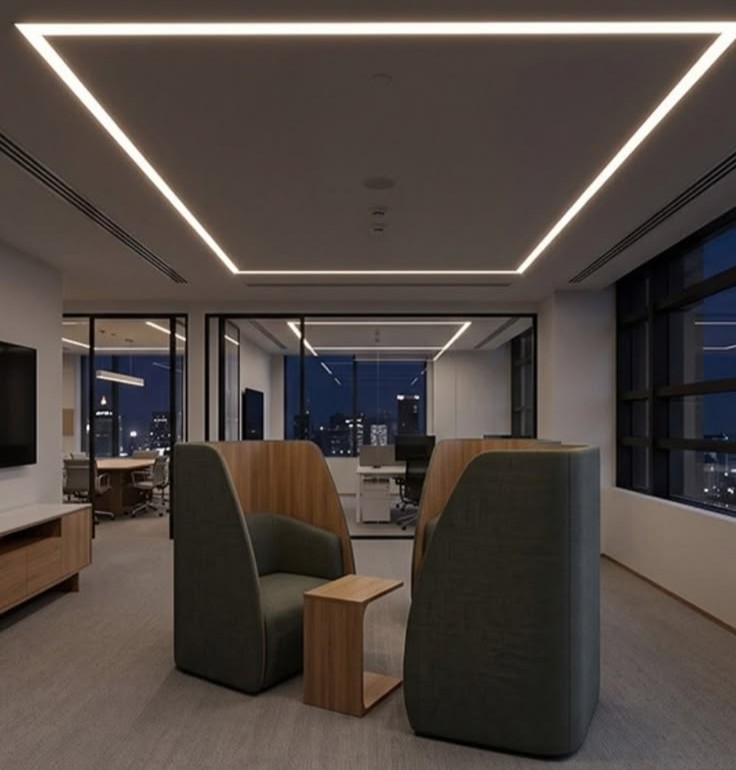
OFFICE LIGHT LEVELS, GLARE, AND SCREEN COMFORT
A bright office isn’t necessarily a comfortable office.
Employees may experience discomfort when lighting creates harsh reflections, excessive contrast, poorly distributed brightness, or bright sources within their normal field of view.
Professional office lighting design evaluates how much light reaches the working surface, how evenly the light spreads, how bright surrounding surfaces appear, and whether the fixtures create glare.
Lux and Uniformity
Lux measures the amount of light falling on a surface. Designers use illuminance calculations to assess whether a space receives suitable lighting for its intended activities.
For example, some established commercial lighting guides use approximately 500 lux of maintained illuminance as a reference for standard office desk tasks.
The actual target depends on the applicable standard, task, workstation conditions, and project requirements.
Uniformity also matters. A design that creates isolated bright pools with dark areas between them can feel uncomfortable even when a few points measure high illuminance.
Glare at Computer Workstations
Screen glare can come from direct light sources, reflections of windows, or bright surfaces positioned poorly around the workstation.
Lighting designers can address these issues through suitable fixture optics, shielding, mounting positions, and careful coordination with desk layouts and monitor positions.
Low-glare luminaires designed for screen-based environments can help. The designer should still assess the room as a whole because windows, glossy desk surfaces, and monitor angles also affect the visual experience.
Light Across the Room
A desk shouldn’t be the only bright surface in an office. The walls and ceiling also influence how people perceive the space.
Indirect lighting, wall illumination, and balanced ambient lighting can help soften the overall appearance when the design uses them appropriately.
The objective is to provide suitable illumination for the task while maintaining comfortable relationships between the working surface and surrounding areas.
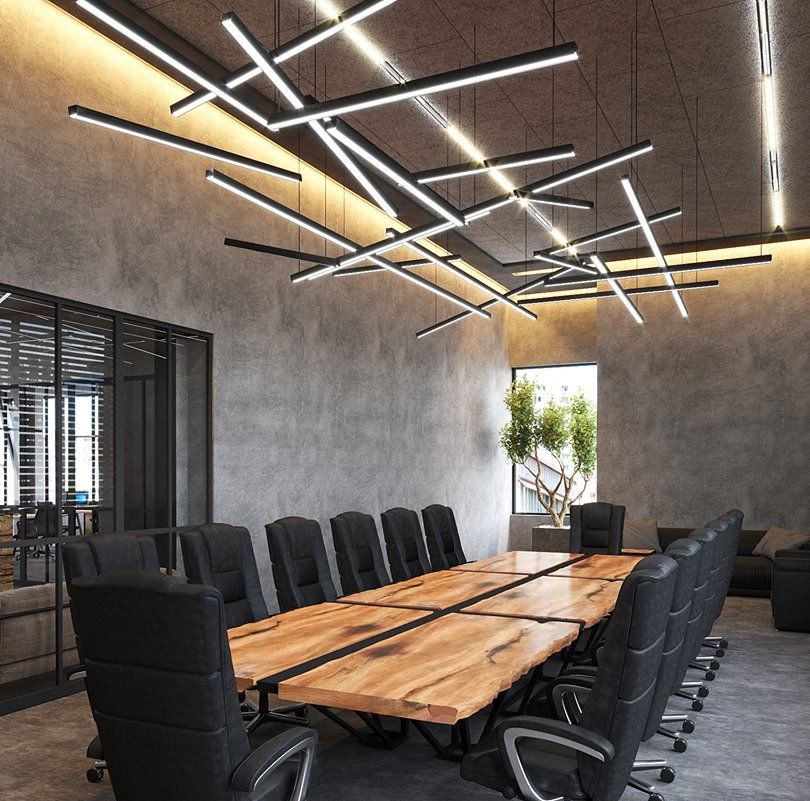
OFFICE LIGHT FIXTURE SELECTION (OPEN-PLAN AND PRIVATE WORKSPACES)
Open-plan offices require a lighting strategy that supports several people and activities at once.
Private offices allow more individual control, while meeting rooms often need greater flexibility.
A lighting designer should choose the fixture types and layout according to how each area will operate.
Open-Plan Office Lighting
Open-plan layouts may include rows of desks, shared tables, collaboration areas, and circulation routes.
The lighting should support those different activities without creating distracting patterns or excessive glare.
Linear luminaires can help organize long desk arrangements. Other fixtures may suit irregular layouts, ceiling grids, or flexible furniture configurations.
The design should also account for future changes. Businesses frequently move desks, add meeting spaces, or reorganize teams, so a lighting system with sensible zones can make later adjustments easier.
Private Offices and Executive Suites
Private offices often need a mixture of general illumination, desk lighting, and softer accent lighting.
An executive office may also include a meeting table, bookshelves, artwork, or a seating area.
Separate controls help each zone serve its purpose without requiring the entire room to operate at one brightness level.
For offices that host frequent video calls, the designer should consider how the lighting falls on faces and whether fixtures or windows create distracting background conditions.
Meeting Rooms and Video Conferences
Meeting rooms need a flexible design because the same space may host discussions, presentations, workshops, and online meetings.
General lighting should provide a comfortable environment for conversation and note-taking. Presentation lighting may require different control from the main room lighting.
Video conferencing introduces another consideration: excessive backlighting or strong shadows on faces can make participants difficult to see. The designer should coordinate the lighting with camera positions, screen placement, windows, and the room’s finishes.
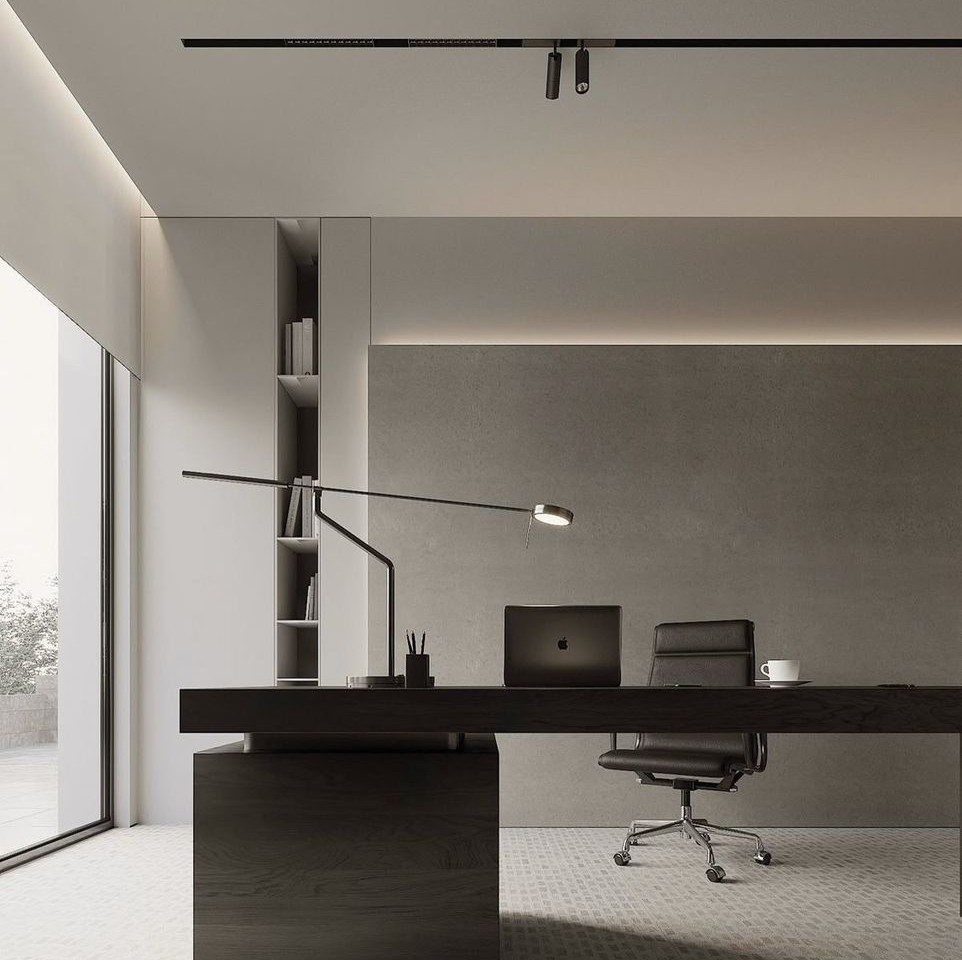
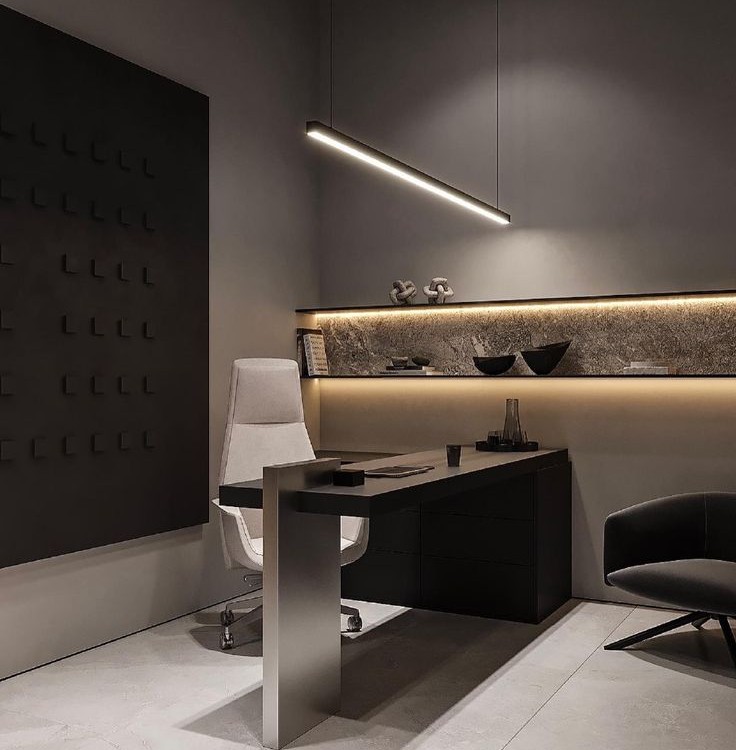
DESK LAMPS FOR OFFICE, MODERN DESK LAMPS, AND THE BEST DESK LIGHT
Ceiling lighting handles the general illumination, but some work benefits from additional light closer to the task.
A good desk lamp allows an employee to adjust illumination according to the work being done, whether that means reading printed documents, reviewing drawings, writing, or completing detailed tasks.
Adjustable Desk Lamps for Daily Work
An adjustable desk lamp lets the user change the position and direction of the light source.
This can help illuminate a specific work area without increasing brightness throughout the entire room.
The designer should consider the lamp’s reach, base stability, shade design, dimming options, and compatibility with the desk layout.
A well-positioned lamp directs light onto the task while reducing direct glare and distracting reflections on screens or glossy documents.
Modern Desk Lamps for Contemporary Offices
Modern desk lamps come in many forms, from minimalist metal designs to adjustable architectural lamps and compact LED models.
In executive offices and private workspaces, the lamp can contribute to the interior design while providing useful task lighting.
However, decorative appearance shouldn’t determine the purchase alone. The product should provide suitable light output, adjustment, and control for its intended use.
What Makes the Best Desk Light?
The best desk light depends on the task, the user’s preferences, and the ambient lighting already available.
For detailed work, useful features may include adjustable positioning, appropriate brightness, stable construction, low-glare optics, and a dimming function.
The lamp should complement the room’s overall lighting rather than create a bright isolated spot surrounded by a dark workspace.
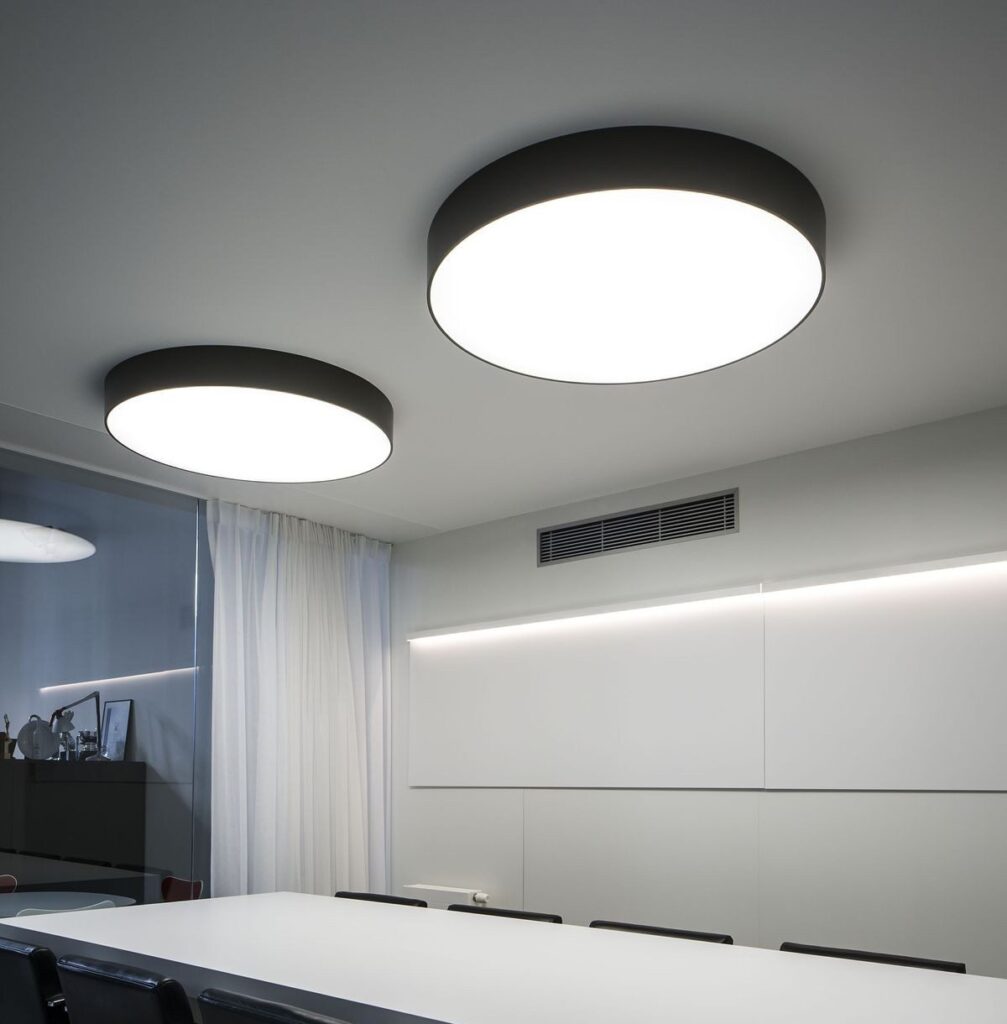
COOL DESK LAMPS (STYLE, COLOR TEMPERATURE, AND TASK FLEXIBILITY)
Cool desk lamps might refer to stylish, visually distinctive products or lamps that emit cooler-looking white light.
Both interpretations matter when businesses specify lighting for contemporary offices.
A well-chosen desk lamp can add character to an executive workspace, private office, or home-office setting while supporting the tasks performed there.
When Cooler White Light Makes Sense?
Cooler-looking white light can suit certain technical environments or personal preferences, but it isn’t automatically better for concentration or visual performance.
The designer should consider the room’s existing lighting, monitor conditions, materials, and intended activities.
A consistent lighting scheme often matters more than selecting the highest color temperature available.
Where employees use desk lamps alongside ceiling fixtures, the two sources should work together rather than create a distracting mismatch.
Stylish Lighting Without Unnecessary Glare
A desk lamp may feature an exposed bulb, sculptural shade, adjustable arm, or modern metal finish.
However, a visible bright source can create discomfort if it sits directly within the user’s field of view.
Choose a design that directs the light where it needs to go and allows the user to adjust the position easily.
Aesthetic choices work best when they support the practical requirements of the workspace.
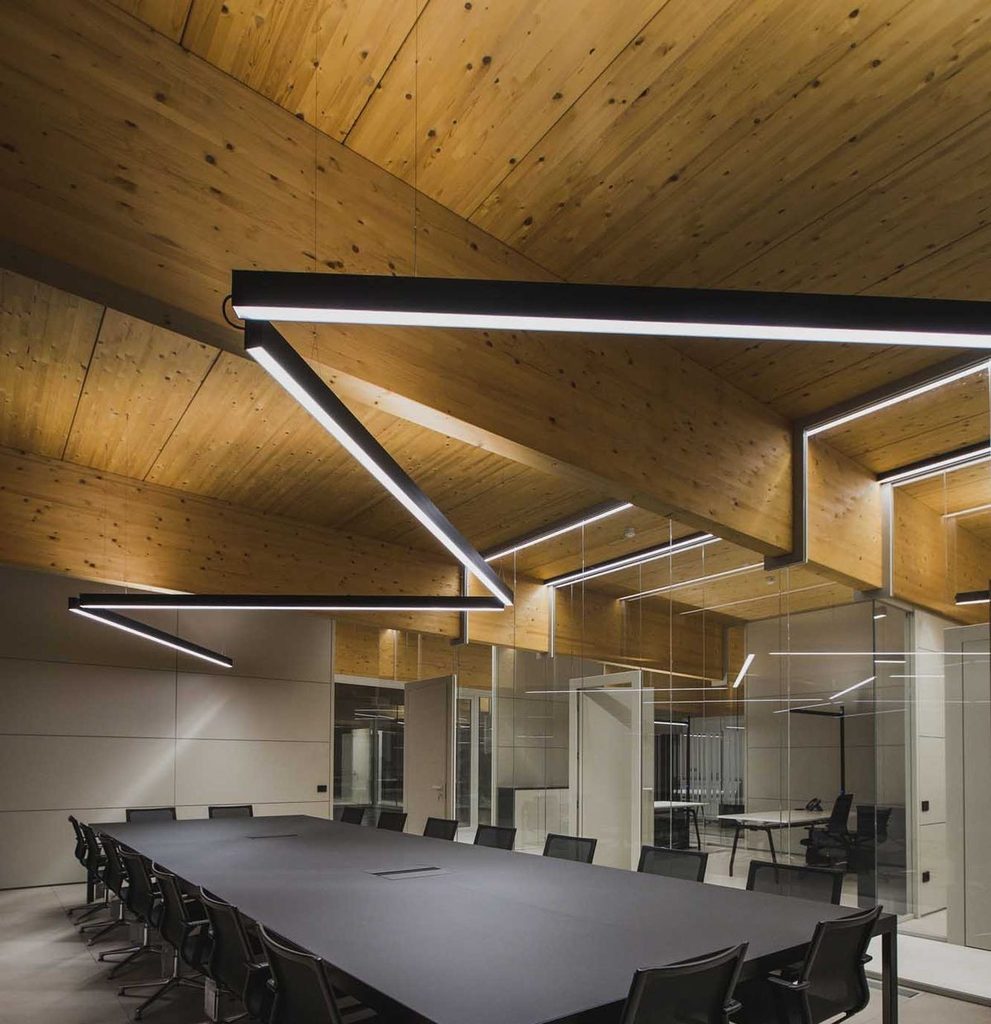
COMMERCIAL PENDANT LIGHTING AND OFFICE CHANDELIER DESIGN
Commercial pendant lighting can give corporate spaces a stronger architectural identity.
Suspended fixtures often work well above meeting tables, reception desks, breakout areas, and collaborative zones.
An office chandelier can create a more formal statement in an executive reception area or corporate headquarters, but the fixture should complement the overall design rather than dominate the room.
Pendant Lighting Above Meeting Tables
A pendant above a meeting table can establish a visual center and help define the space within a larger open-plan office.
The designer should confirm the mounting height, fixture dimensions, table position, light distribution, and viewing angles.
The fixture must provide useful illumination without obstructing sightlines or shining directly into participants’ eyes.
Suspended linear luminaires can also work well when a meeting table has an elongated shape.
An Office Chandelier for Reception Areas
Reception spaces create the first impression of a company.
A decorative chandelier can introduce the brand’s character through its shape, materials, scale, and lighting effect.
For a double-height corporate lobby, the design may need to consider visibility from several floors, structural support, maintenance access, and the relationship between the fixture and surrounding architectural features.
The chandelier should work with the reception desk, wall finishes, general illumination, and circulation areas. A beautiful decorative fixture cannot compensate for poor general lighting.
Acoustic and Decorative Luminaires
Some modern office products combine lighting with acoustic materials.
These fixtures can serve spaces that need both illumination and support for sound management, particularly open-plan work areas and meeting spaces.
The design team should evaluate the lighting output and distribution alongside the product’s acoustic role, suspension requirements, cleaning needs, and coordination with ceiling services.
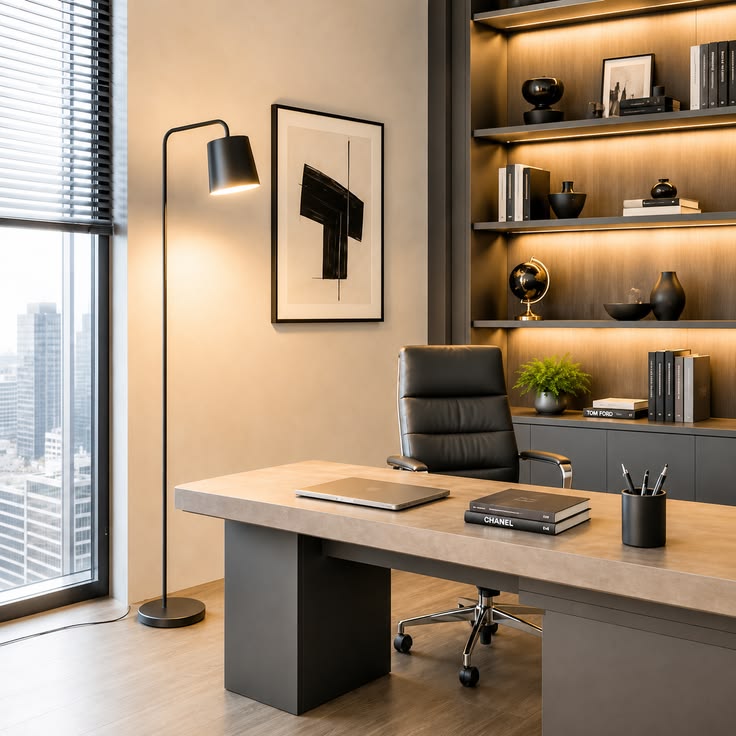
OFFICE FLOOR LAMPS FOR BREAKOUT AREAS AND COLLABORATION SPACES
Although many people prefer hanging lights for offices, others choose floor lamps because they provide flexible, localized lighting when fixed ceiling fixtures cannot create the desired atmosphere.
They’re particularly useful around informal seating, reading areas, breakout zones, and executive lounges. They can also introduce a decorative element without requiring additional ceiling work.
A Comfortable Secondary Lighting Layer
A floor lamp can help define a seating area within a larger office.
A shaded model may create a softer pool of light, while an adjustable task lamp can support reading or focused work.
The surrounding ambient lighting still matters.
A floor lamp should complement the main lighting scheme rather than leave the seating area isolated against a very dark background.
Practical Considerations for Office Floor Lamps
The designer should consider stability, cable routing, placement near walkways, cleaning requirements, and the availability of suitable electrical outlets.
In commercial settings, the team should also ensure that lamps do not interfere with accessibility, circulation, or workplace safety arrangements.
For a flexible office layout, movable floor lamps can offer useful design options, provided the installation and operating conditions suit the product.
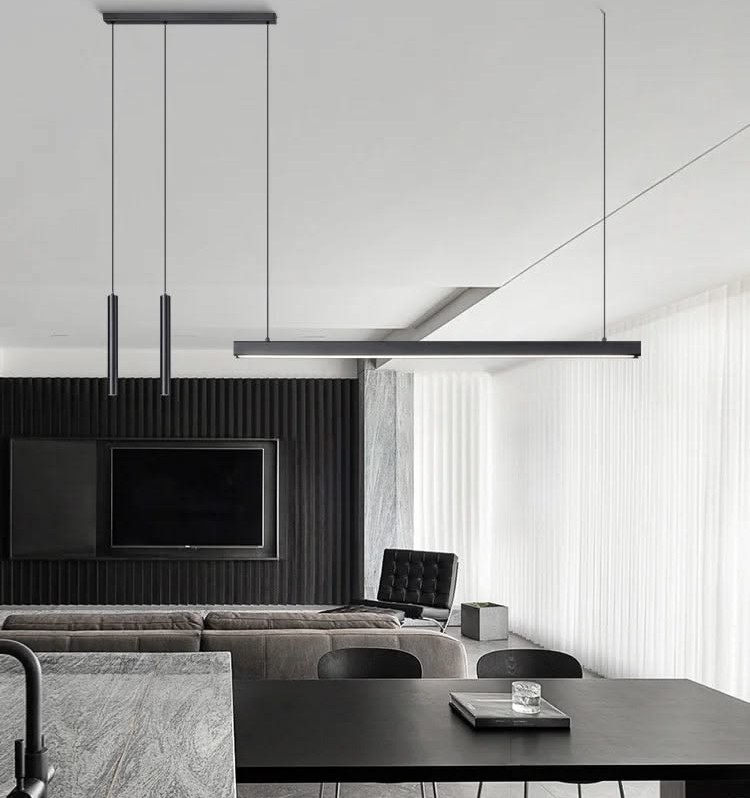
HOME OFFICE LIGHTING FOR HYBRID AND REMOTE WORKSPACES
Home-office lighting deserves attention because working from home often means using a room originally designed for another purpose.
A spare bedroom, study, or shared living space may need to support computer work during the day and return to its original use later.
Combine Ambient and Task Lighting
Start with comfortable general illumination, then add a desk lamp if the work requires more focused light.
The arrangement should account for windows and monitor positions.
Placing a screen directly opposite a bright window can create reflections, while a strong window behind the user may make video calls difficult to manage.
Adjusting the desk orientation or using suitable window coverings may improve the result without adding more fixtures.
Make the Lighting Adaptable
Dimming and adjustable lamps can help the user respond to changing daylight and personal preferences.
If the home office shares a room with living or sleeping areas, separate switching helps establish different lighting modes without changing the entire space.
The same design principles that support corporate office (visual comfort, appropriate task illumination, glare control, and manageable lighting controls) also apply to remote workspaces.
LIGHTING CONTROLS, EFFICIENCY, AND MAINTENANCE
A well-designed office lighting system should remain practical after installation.
Controls can help employees adjust the light for different tasks, while automatic functions can reduce unnecessary operation when the space receives enough daylight or remains unoccupied.
The IES’s office-lighting guidance addresses sustainability, maintenance, switching, dimming, and automatic controls as part of lighting design.
Daylight and Occupancy Sensors
Daylight-responsive controls can adjust compatible lighting systems when natural light contributes to the required illumination.
Occupancy sensors can switch or dim suitable zones when people leave an area.
These functions need proper configuration.
Poorly positioned sensors or unsuitable settings may create unwanted switching or leave areas illuminated when they don’t need full output.
The designer should evaluate the actual layout, window positions, room use, and expected occupancy patterns.
DALI and Other Lighting Control Systems
DALI lighting systems can provide digital control for compatible drivers and control devices. Depending on the specification, the system can support individual addressing, groups, dimming, and scenes.
Other control methods may also suit an office project. The choice depends on the fixture specification, desired functionality, integration requirements, and budget.
The team should define the required functions before selecting products, then confirm compatibility across drivers, controllers, sensors, keypads, and software.
Maintenance and Long-Term Performance
Maintenance affects both the cost and consistency of a lighting installation.
Drivers, sensors, control devices, and fixtures all need suitable access for inspection or replacement.
The project team should keep product schedules, warranty documentation, control configurations, and installation records.
This information helps building managers identify products and resolve problems without unnecessary delays.
Energy savings depend on the installed equipment, operating schedule, controls, and maintenance practices.
Indeed, a truly good system can help reduce waste, but the project should evaluate performance against its actual operating conditions.
OFFICE LIGHTING DESIGN IN DUBAI AND ABU DHABI (SUPPLY AND INSTALLATION)
A successful corporate lighting project requires coordination between the designer, supplier, electrical contractor, controls integrator, and project manager.
For offices in Dubai and Abu Dhabi, the team should clarify the scope before procurement.
This helps prevent differences between the intended lighting design and the equipment that arrives on site.
The Project Requirements
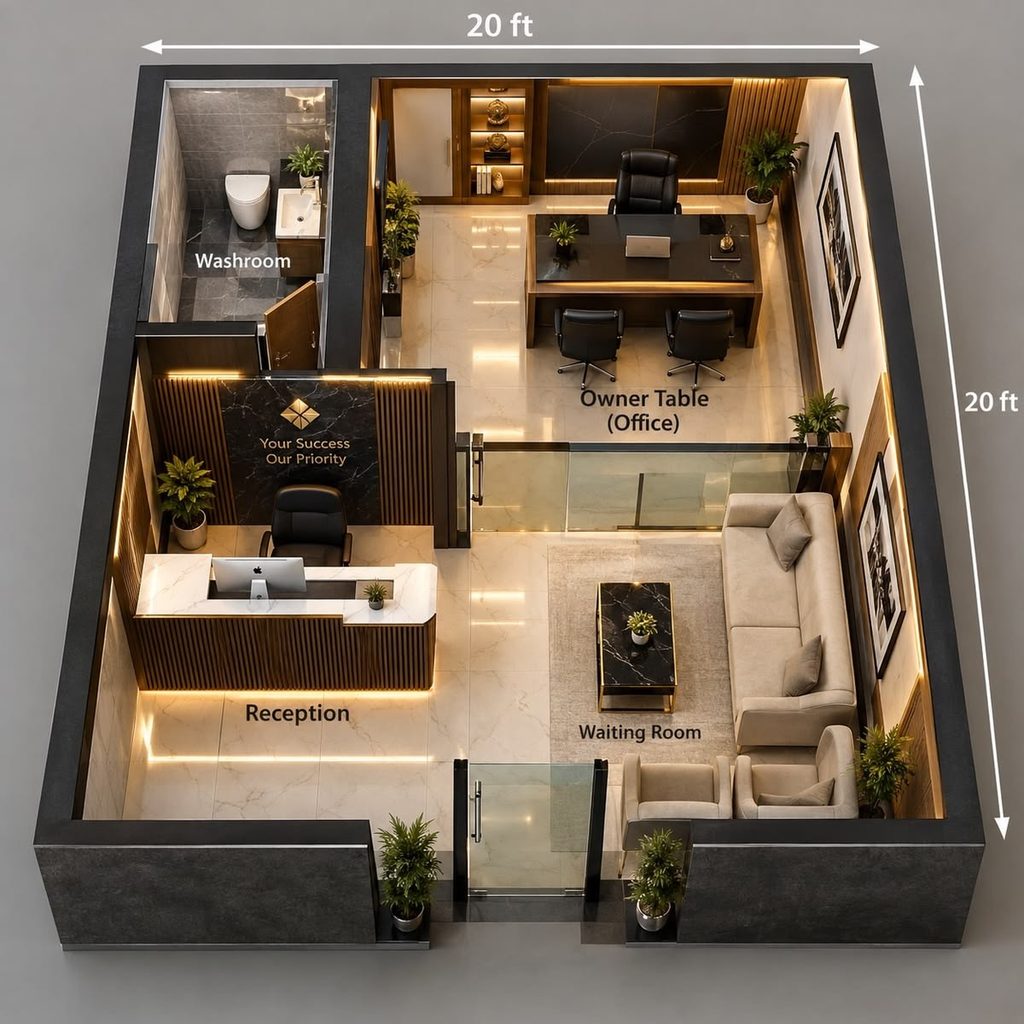
The process begins with the floor plans, ceiling layouts, workplace requirements, architectural concept, and project budget.
The lighting designer identifies the appropriate lighting layers, fixture types, controls, and technical requirements.
Where necessary, the team produces lighting calculations and visualizations to evaluate the proposed layout.
Supplying Fixtures
Once the specification is approved, the supplier confirms the product models, quantities, accessories, control compatibility, delivery schedule, and warranty terms.
The team should review any proposed substitution before ordering.
A different beam angle, driver, or fixture size can change the design even when the replacement product looks similar.
For corporate projects with tight schedules, procurement planning also needs to account for lead times and any specialist components.
Installation, Commissioning, and Handover
The electrical contractor installs the system according to the coordinated drawings and manufacturer’s instructions.
The team then checks fixture operation, dimming, sensor behavior, lighting scenes, and other specified functions.
The final review should confirm that the installation matches the approved design.
A clear handover includes operating instructions, relevant drawings, product information, warranties, and maintenance guidance.
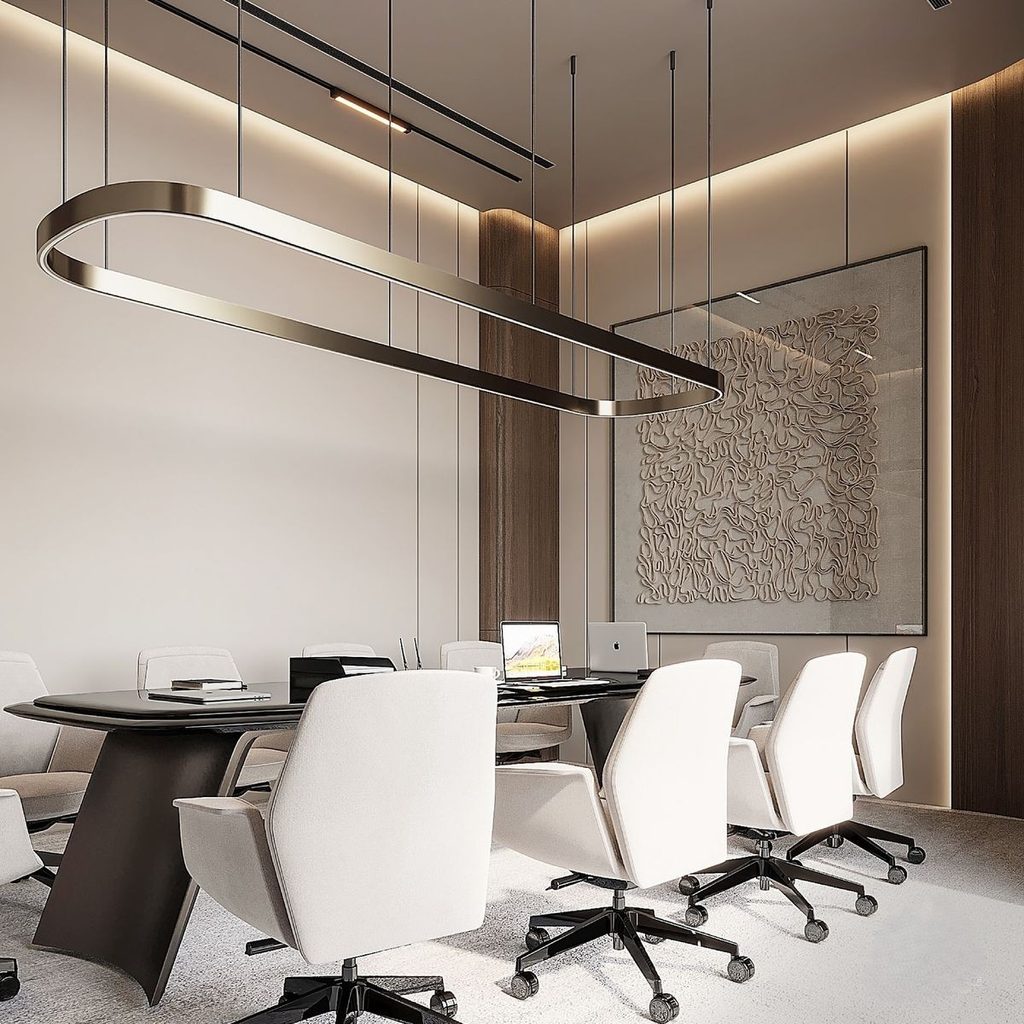
OFFICE LIGHTING COST IN DUBAI AND ABU DHABI IN 2027
Office lighting costs vary with the floor area, ceiling height, architectural complexity, fixture selection, control requirements, and extent of design and installation services.
For mid-sized offices with 10 to 20 employees, lighting design costs, whether 2D or 3D, can range from AED 5,000 to AED 15,000.
However, when including lighting fixture supply and installation, the total project cost can range from AED 20,000 to AED 60,000.
A straightforward office refresh has a different scope from a complete fit-out with architectural linear lighting, acoustic luminaires, decorative pendants, and smart controls.
- Design services: Concept development, lighting calculations, layouts, specifications, and 3D visualizations.
- Fixture selection: The quantity, output, optics, quality, and type of luminaires.
- Ceiling conditions: Recessed fixtures, suspended systems, and coordination with other ceiling services.
- Control systems: Dimming, sensors, scene controls, DALI equipment, and building-management integration.
- Installation: Wiring, mounting, access equipment, testing, and commissioning.
- Aftercare: Warranty coverage, replacement components, maintenance, and technical support.
Ask each supplier to identify exactly what the proposal includes. Design fees, fixture supply, controls, installation, programming, and commissioning may appear as separate line items.
Check the fixture specification and confirm that the quotation covers the quantities, performance, mounting accessories, drivers, and control functions required by the approved design.
A lower initial price may not offer the same performance or service scope. Comparing the complete deliverables helps the project team make a more informed decision.
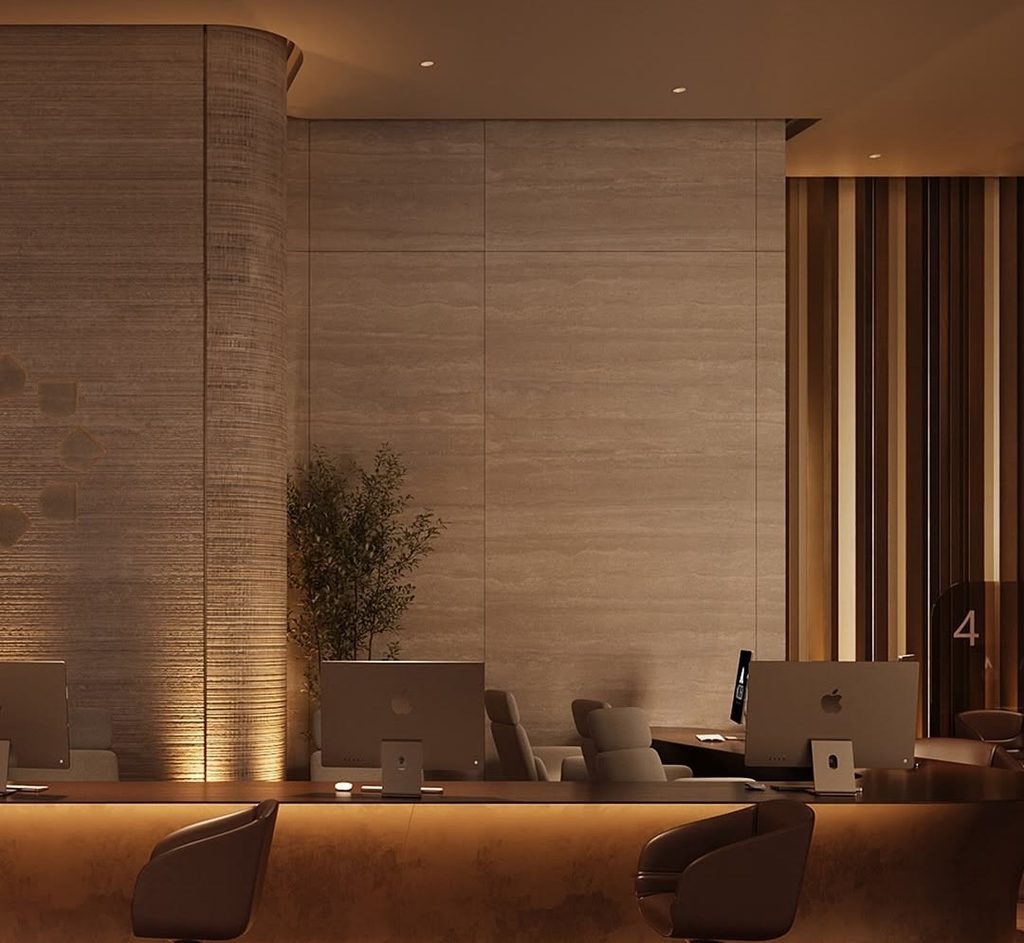
FINAL THOUGHT
Good office lighting should help a workplace function smoothly while reflecting the company’s identity.
It needs to support concentration at desks, comfortable meetings, clear circulation, and welcoming reception areas without relying on unnecessary brightness or decorative fixtures alone.
For businesses in Dubai and Abu Dhabi, the strongest results come from coordinating the lighting concept with the architecture, ceiling design, furniture layout, natural daylight, and electrical systems from the start.
A carefully specified system can make the office more adaptable, easier to maintain, and better suited to the people who use it every day.

Related Posts
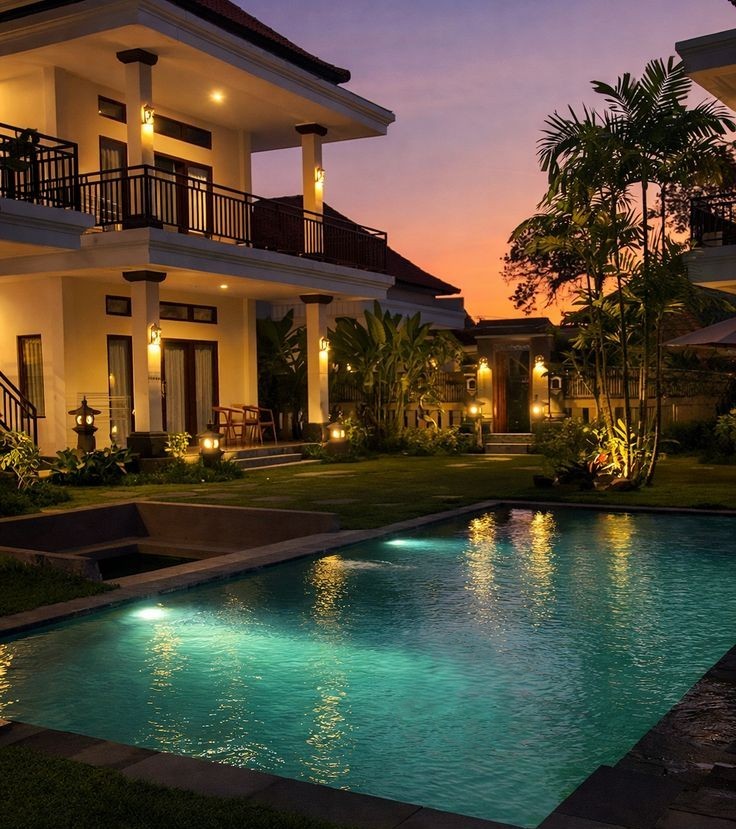
Villa Lighting Projects in Dubai and Abu Dhabi: 3D Design, Supply, and Installation
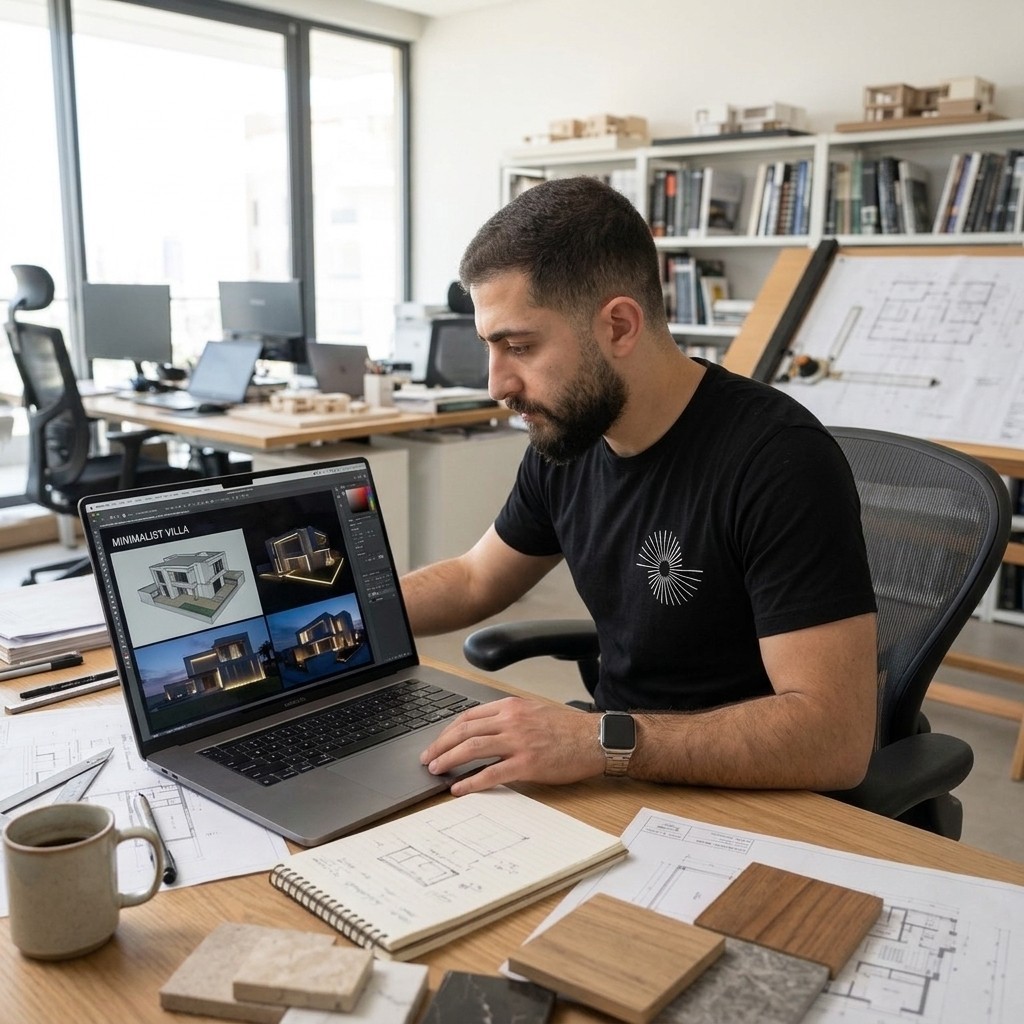
Lighting Designer in Dubai and Abu Dhabi for Villa and Large Projects in 2027
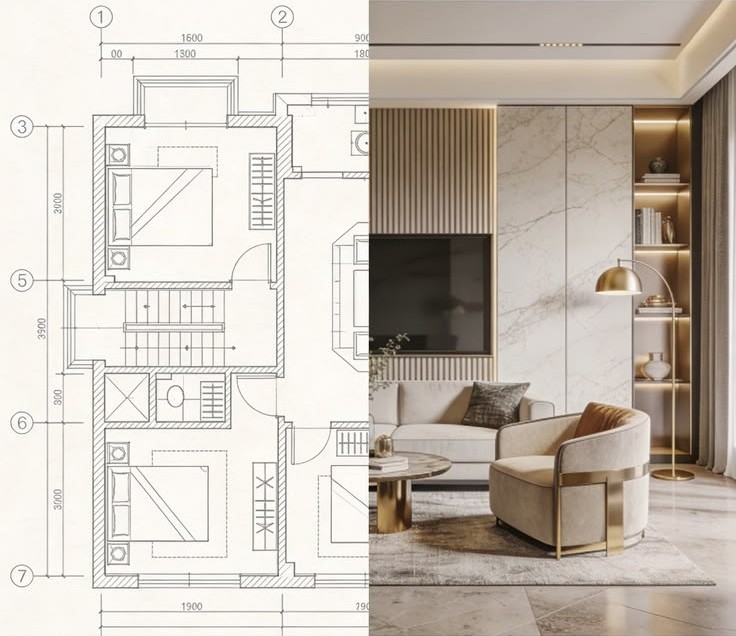
2D Lighting Plans in Dubai and Abu Dhabi for New Villa Construction
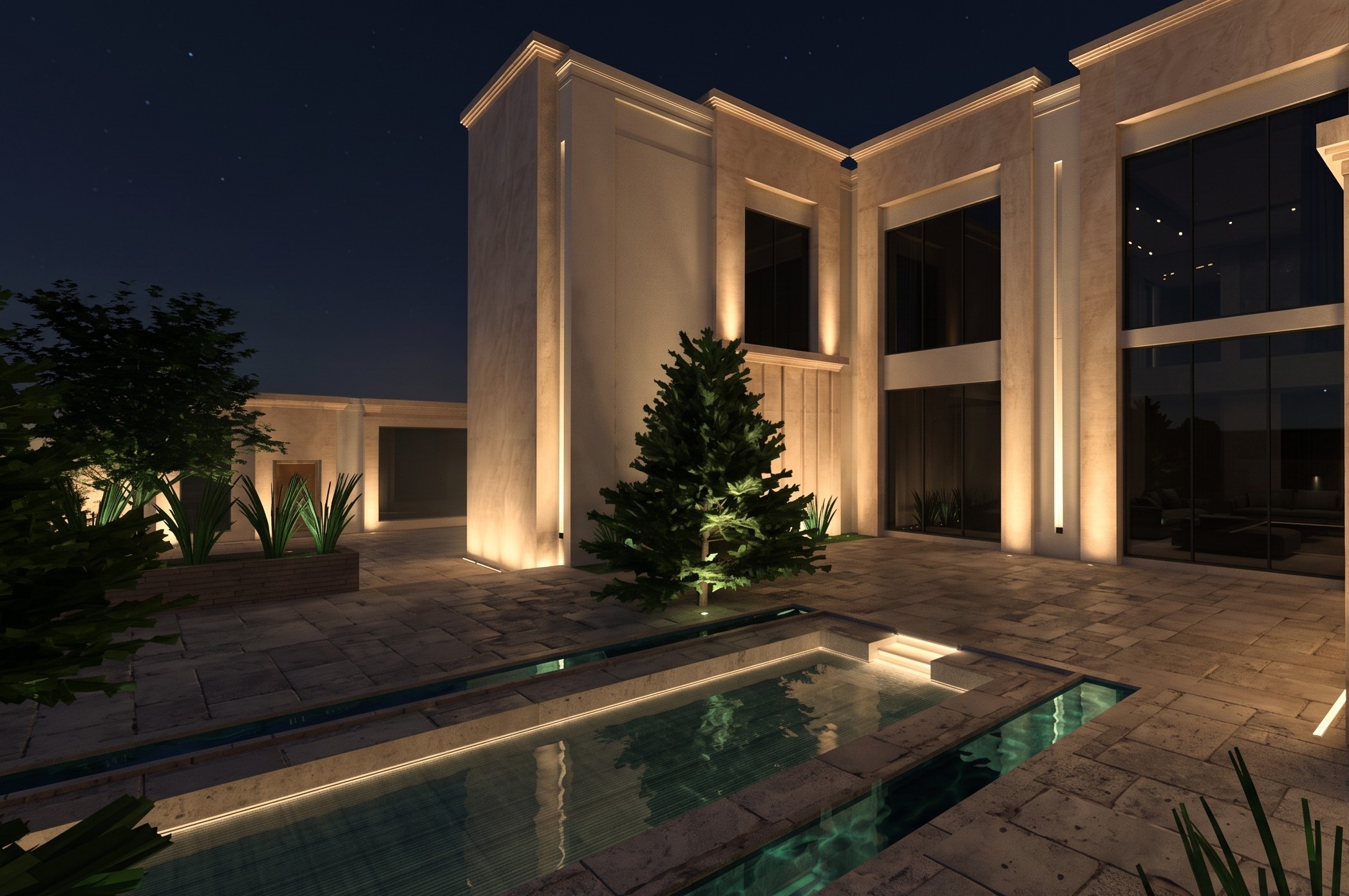
3D Lighting Design in Dubai and Abu Dhabi for Villas, Hotels, and Luxury Spaces
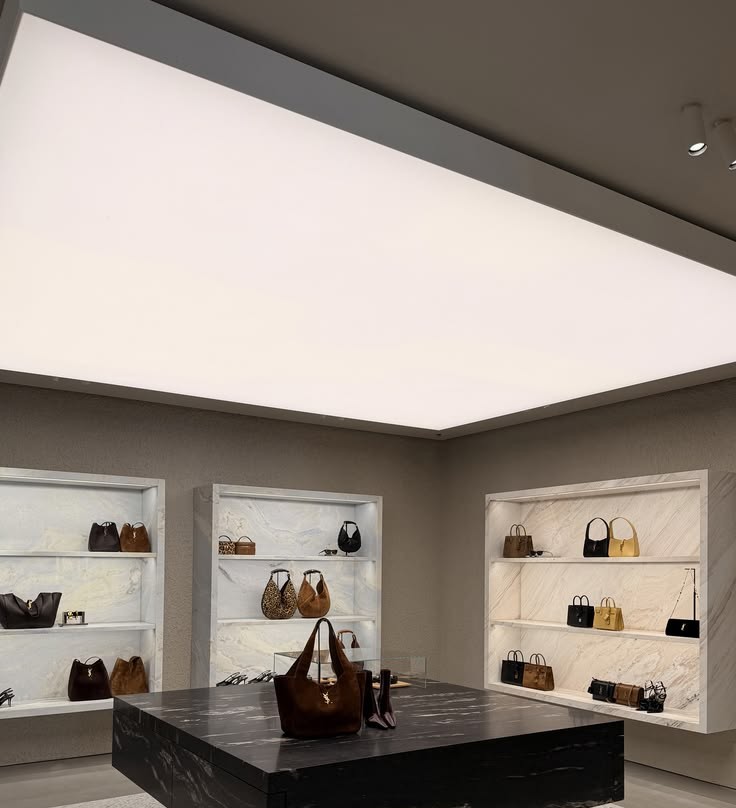
Commercial Lighting Design for Retail Spaces, Resturents, and Offices in Dubai and Abu Dhabi
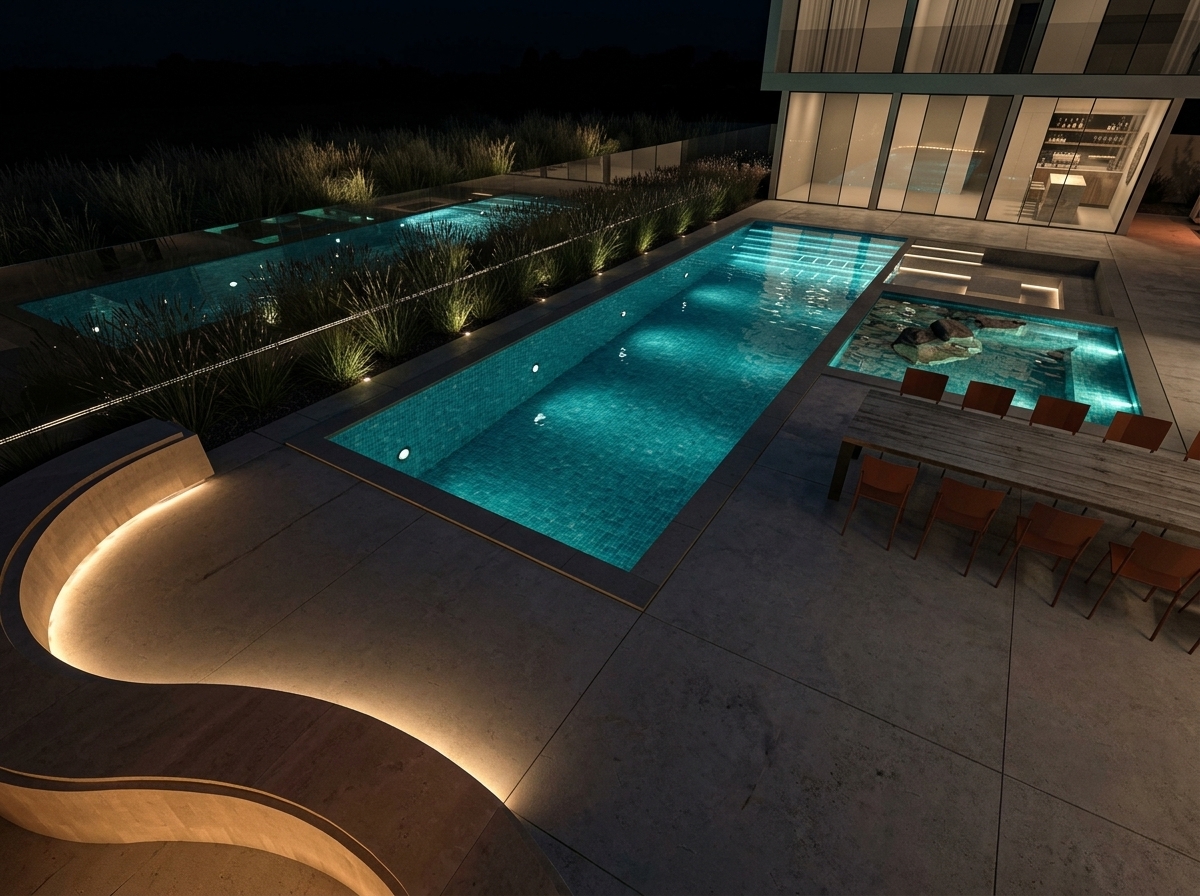
DIALux Lighting Design Service for Dubai and Abu Dhabi Projects
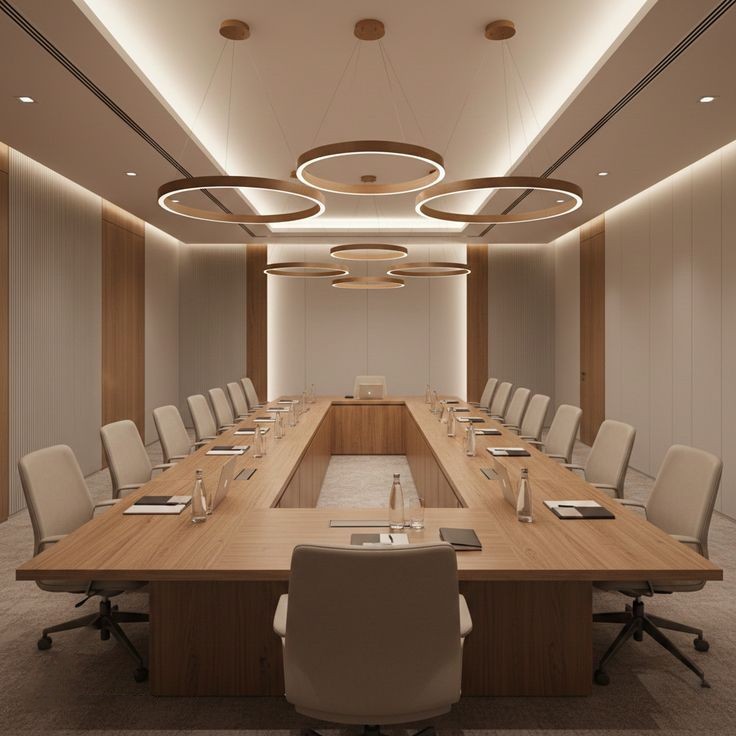
LED Office Light Fixtures for Corporate Offices and Businesses in Dubai and Abu Dhabi
Square Led Ceiling Light Fixture in UAE: A Complete Buying Guide in 2027


Wall Light Design in UAE for Homes & Villas

Staircase Light Design in UAE for Homes, Villas, & Large Malls


Light Installation in UAE for Homes, Villas, and Shops
