
Commercial Lighting Design for Retail Spaces, Resturents, and Offices in Dubai and Abu Dhabi
If something feels off when you walk into an office, restaurant, or retail store, the lighting might be the first thing you need to fix.
A single poorly positioned spotlight can break the entire mood of a space.
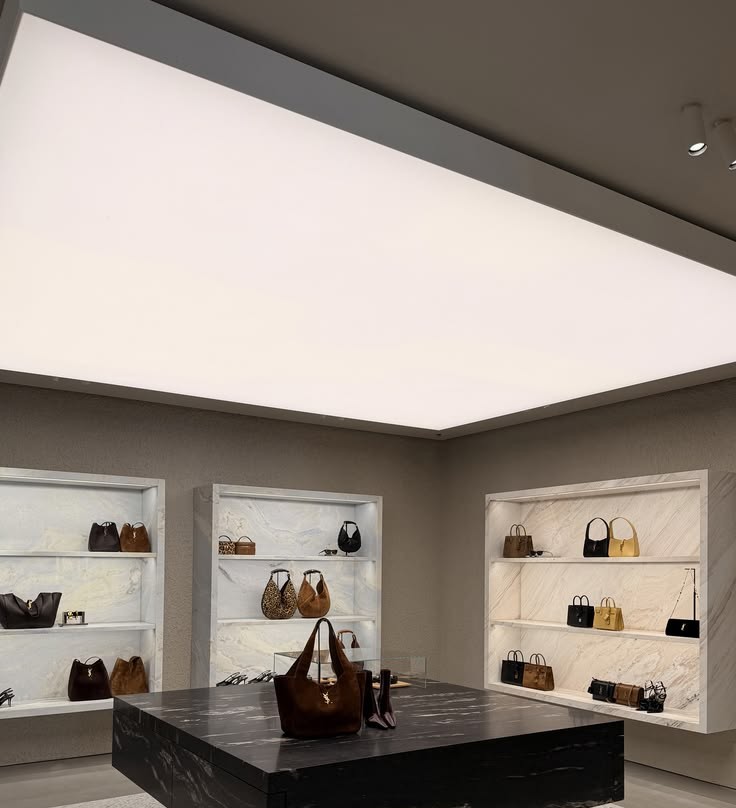
In the other hand, a commercial space that displays a stretch ceiling, for instance, can boost the entire mood and enhance the visitor experience.
We’ve seen employees struggle with reflections on their screens, making it harder to work comfortably and potentially affecting productivity and business performance.
Commercial lighting design brings together the technical and visual decisions that determine how a business space looks, feels, and functions in Dubai or Abu Dhabi.
It considers the activities taking place, the architecture, the products being displayed, the performance of individual luminaires, and the way the lighting will be controlled and maintained.
Indeed, for businesses in Dubai and Abu Dhabi, these decisions matter across offices, retail stores, showrooms, restaurants, reception areas, and large commercial developments.
A good lighting scheme should support daily operations while complementing the building’s design and helping manage energy and maintenance costs.
The objective isn’t simply to install more lights or choose the brightest fixtures.
It’s to provide the right light in the right places, with suitable distribution, comfortable brightness, and a clear relationship between the lighting and the space.
COMMERCIAL LIGHTING DESIGN IN DUBAI AND ABU DHABI
Lighting influences how people experience a commercial space from the moment they enter.
It helps them navigate, recognize products, read information, perform tasks, and understand the character of a business.
It also affects the practical operation of the building, including energy use, control flexibility, maintenance, and how well the lighting works with other systems.
Why Lighting Needs to Be Considered Early?
Lighting is easiest to coordinate when it is included during the architectural and interior design stages.
At this point, fixture positions can be aligned with ceiling details, furniture, display units, workstations, and other building services.
The team can also plan wiring routes, mounting arrangements, controls, and access to electrical components.
Leaving these decisions until the finishing stage may limit the available products and create avoidable changes to completed ceilings or walls.
Lighting as Part of the Business Experience
Different businesses have different priorities. Let’s not forget that.
An office may emphasize comfortable working conditions, while a jewelry showroom needs carefully controlled lighting that reveals product details.
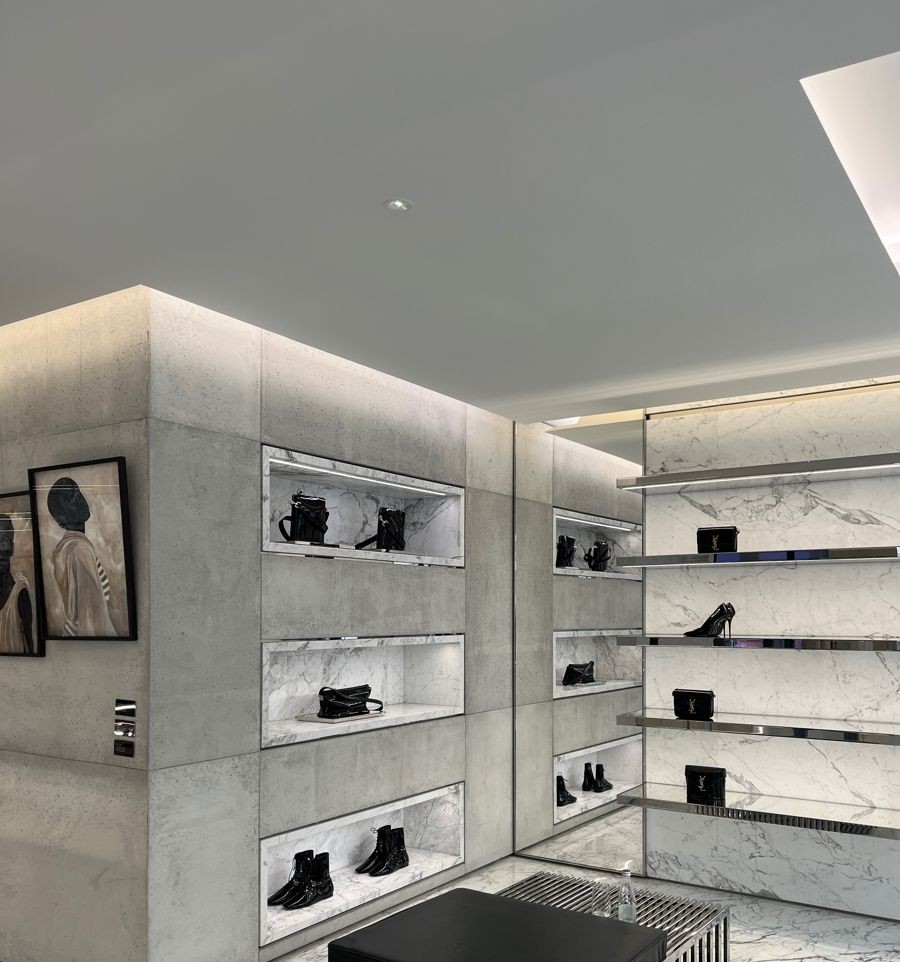
A fashion store may use accent lighting to distinguish new collections, while a reception area may rely on decorative fixtures and illuminated architectural features.
The lighting should reinforce what the business wants people to notice and how it wants the space to feel.
Beyond Appearance: Performance and Operation
A visually attractive lighting scheme still needs to meet the practical requirements of the space.
The design should account for appropriate illumination, glare, color rendering, distribution, controls, and maintenance.
Where specified, these factors should be evaluated against the applicable project criteria and recognized lighting standards.
COMMERCIAL LIGHTING DESIGN (KEY PRINCIPLES)
Commercial lighting usually works best when different types of light are combined rather than relying on one uniform arrangement of ceiling fixtures.
To create the right lighting layers, business owners often choose DIALux lighting design Service to do the 3D simulations, planning, and layouts.
The classic approach uses ambient, task, accent, and decorative lighting. Each layer has a distinct purpose, and the designer decides how they should work together.
Ambient Lighting for the Overall Environment
Ambient lighting provides the general illumination needed for people to move through and use space.
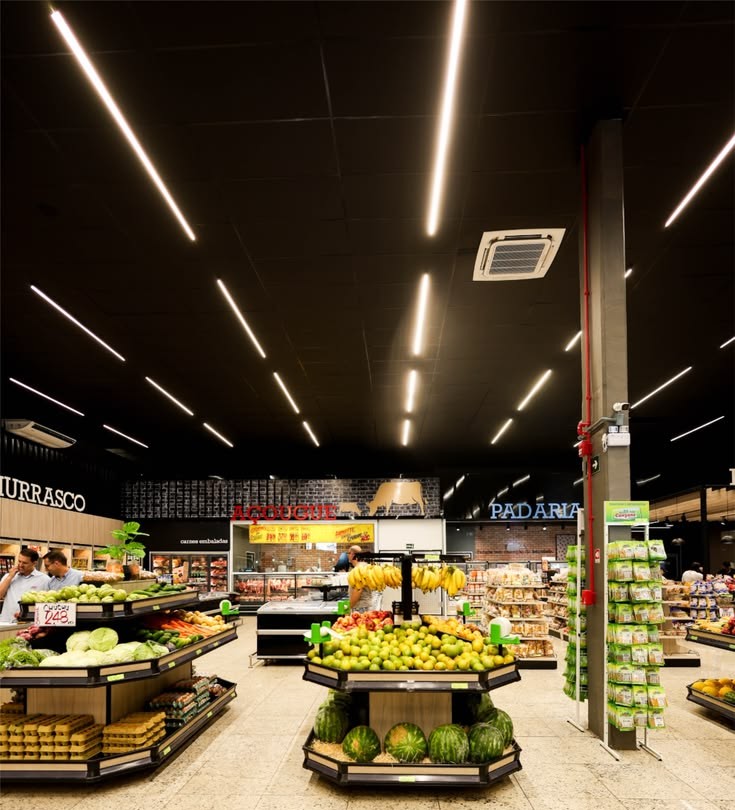
It may come from recessed downlights, linear luminaires, ceiling fixtures, or indirect lighting that reflects off walls and ceilings.
The amount and distribution of ambient light should match the space’s use. Simply increasing brightness can waste energy without improving visibility or comfort.
Task Lighting for Specific Activities
Task lighting provides focused illumination where people need to see details clearly.
In an office, it may support work at a desk. In a showroom, it may illuminate a demonstration area, while in a retail store, it can provide additional light for checkout counters or specific product displays.
Its position matters. A light source should illuminate the intended task without creating strong shadows or uncomfortable glare.
Accent Lighting to Direct Attention
Accent lighting emphasizes selected objects, products, materials, or architectural features.
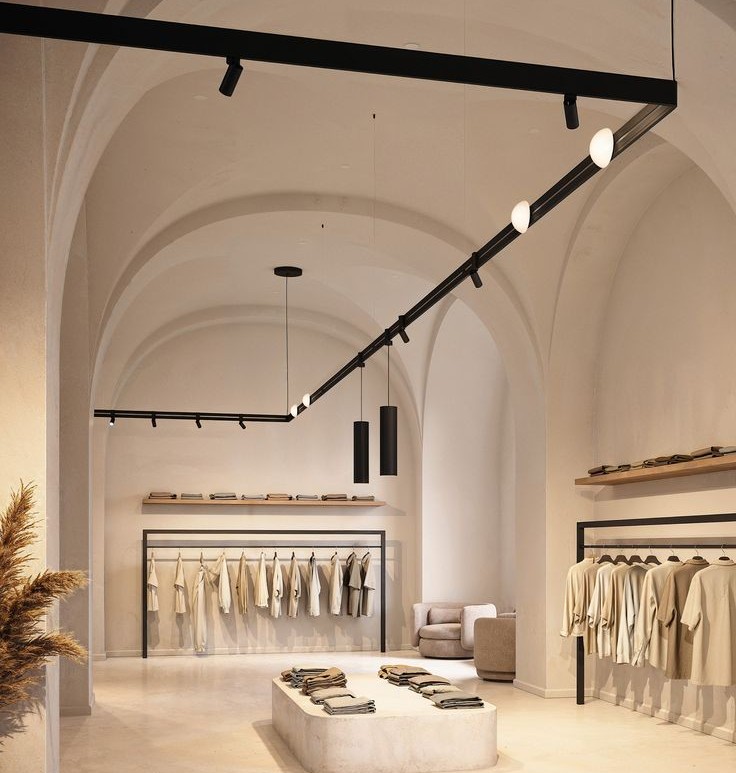
Adjustable spotlights, wall washers, and directional luminaires can help draw attention to merchandise, artwork, display walls, and branded elements.
The effect depends on the fixture’s beam distribution, its distance from the target, and the contrast between the emphasized area and its surroundings.
Decorative Lighting for Visual Identity
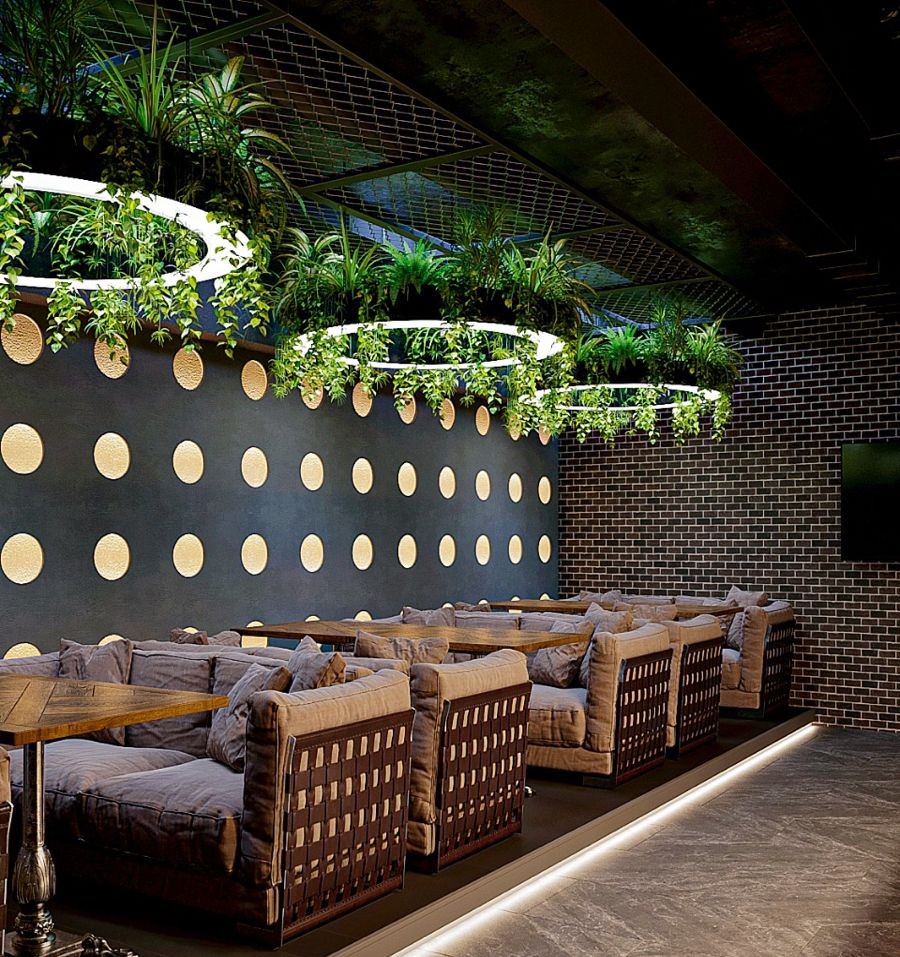
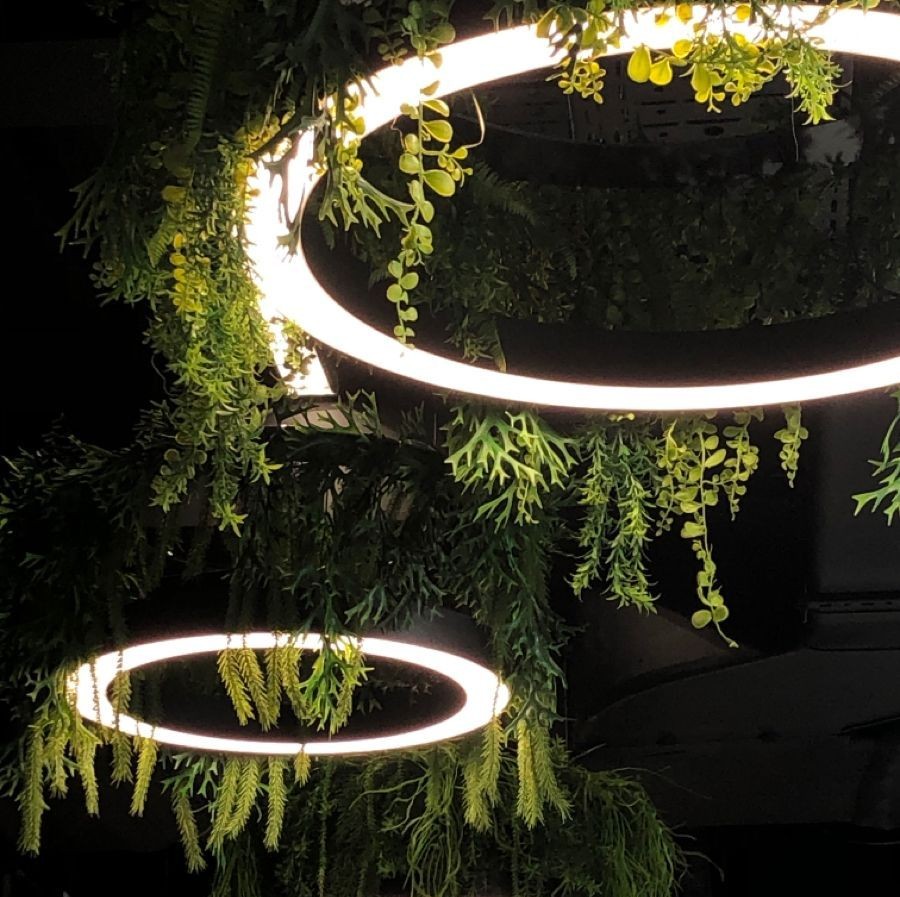
Decorative fixtures, such as pendants and feature chandeliers, can help communicate the character of a business.
They may contribute to general illumination while also creating a recognizable visual feature.
Their scale, finish, and light distribution should suit the architecture and the activities taking place.
Decorative lighting should complement the wider scheme rather than be expected to satisfy every lighting requirement on its own.

OFFICES, RESTURENTS, AND RETAIL LIGHTING
One of the most common commercial lighting mistakes is assuming that a single fixture layout can work everywhere.
A workspace, retail floor, and product showroom may all require good visibility, but they use light differently. The design should start with the people, activities, surfaces, and viewing conditions specific to each space.
Office Lighting for Daily Work
Office lighting needs to support reading, computer work, meetings, collaboration, and movement through the workplace.
The layout should consider desk positions, monitors, windows, partitions, and the relationship between daylight and electric lighting.
Poorly positioned luminaires can create reflections on screens or cast shadows across work surfaces.
ANSI/IES RP-1-24, the Illuminating Engineering Society’s recommended practice for office lighting, addresses lighting quality, color, flicker, glare, sustainability, maintenance, controls, and lighting requirements for specific office areas.
The relevant criteria should be selected for the actual tasks and conditions rather than copied from an unrelated project or just choosing LED office light fixtures.
Showroom Lighting for Product Presentation
Showrooms need to help visitors see products clearly and understand the qualities that distinguish them.
A furniture showroom may need light that reveals upholstery texture and wood finishes.
An automotive showroom may emphasize bodywork, contours, and paint appearance, while a lighting showroom needs to demonstrate differences in color, distribution, and brightness.
The design can combine general illumination with carefully aimed accent lighting and dedicated demonstration areas.
Product samples and mock-ups can help confirm the intended appearance, particularly when glossy or reflective finishes are involved.
Retail Lighting for Customer Experience
Retail lighting serves both practical and visual purposes. Customers need to navigate the store, read labels, evaluate products, and recognize display areas.
The design may use ambient light for the overall space, track lighting for displays, and dedicated lighting for shelves or product categories.
ANSI/IES RP-2-20, the IES recommended practice for retail spaces, addresses lighting quality, merchandise presentation, horizontal and vertical illuminance, uniformity, controls, energy efficiency, and lighting techniques for different retail applications.
Resturents and Reception Areas Lighting
Reception areas, waiting spaces, and customer service counters need a balance of clear visibility and a welcoming appearance.
This is true for all projects related to hospitality lighting design.
Ambient lighting supports circulation, task lighting helps staff work, and accent lighting can emphasize brand elements or architectural features.
The layout should also consider the position of visitors, reflections from counters and glass, and the lighting conditions visible from the building entrance.
ARCHITECTURAL INTEGRATION IN COMMERCIAL LIGHTING
Commercial lighting feels more coherent when the fixtures and their effects are coordinated with the architecture instead of being added after the main design decisions are made.
The aim is to align the lighting with the ceiling, decorative wall lights, materials, furniture, and other visible elements of the space.
Coordinating Fixtures with Ceilings and Interiors
Recessed downlights need suitable ceiling depth and mounting arrangements.
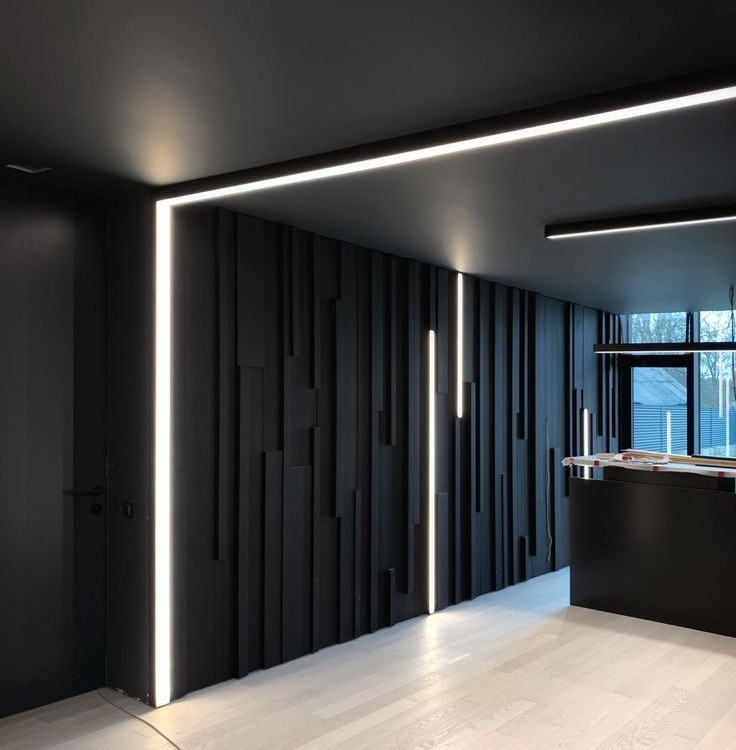
Linear luminaires may require precise alignment with architectural features, while suspended fixtures need suitable support and clearance.
These details should be checked against the reflected ceiling plan, furniture layout, and other building services.
Early coordination can help avoid conflicts with air-conditioning ducts, sprinklers, detectors, access panels, and structural elements.
This is extremely important if you want to install decorative led panel light.
Highlighting Materials and Architectural Details
Lighting can reveal the texture of stone, the grain of wood, the shape of a feature wall, or the geometry of an entrance.
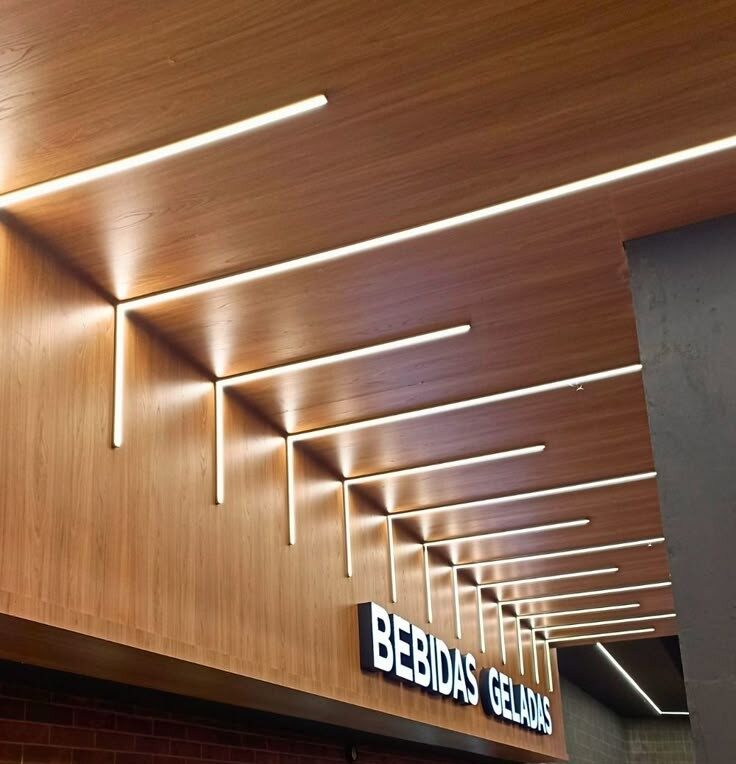
Wallwashing can illuminate broad vertical surfaces relatively evenly, while grazing light emphasizes surface texture through shadows.
Directional spotlights can highlight selected objects or areas.
The appropriate technique depends on the material and intended visual effect. A highly textured surface, for example, may look very different under grazing light than under broad illumination.
Managing the Relationship Between Light and Reflection
Glass, polished stone, glossy counters, and reflective metal can create unwanted reflections if fixtures are poorly positioned.
A lighting design should consider the location of light sources, viewing angles, and the reflectance of nearby surfaces.
This is particularly important in showrooms and premium retail spaces, where reflections can affect how products appear to customers.
COMMERCIAL LIGHTING: VISUAL COMFORT AND FUNCTION
A space can have plenty of light and still be uncomfortable.
Excessive brightness, harsh contrasts, screen reflections, and poorly directed fixtures can make people notice the lighting for the wrong reasons.
Good commercial lighting design balances the amount of light with where it falls and how people experience it.
Illuminance and Uniformity
Illuminance describes the amount of light reaching a surface and is measured in lux.
The relevant surface might be a desk, retail display, workbench, or floor, depending on the space.
Average illuminance is one useful measure, but it does not reveal everything about design.
Minimum illuminance and uniformity can help identify areas that are too dark relative to the rest of the space.
The required criteria depend on the activities taking place and the applicable design standard.
Reducing Glare Without Making a Space Dim
Glare can occur when a light source is excessively bright within the field of view or creates an uncomfortable contrast with the surrounding scene.
The solution is not always to reduce overall brightness. Appropriate optics, fixture positioning, shielding, mounting height, and surface reflectance can often improve comfort while maintaining useful illumination.
In offices, the arrangement should also account for windows, screens, and the typical viewing direction of occupants.
Getting Color Rendering Right
Color rendering affects how accurately a light source reveals the colors of objects and surfaces.
This matters in retail stores, showrooms, fashion spaces, furniture displays, and any commercial environment where products need to appear close to their intended colors.
CRI is a commonly used indicator, but product selection should also consider the manufacturer’s technical data, consistency between luminaires, and any more specific color-quality criteria required by the project.
Flicker and Dimming Compatibility
LED lighting systems can behave differently depending on the luminaire, driver, dimmer, and control equipment.
Poor compatibility may cause flickering, restricted dimming range, or inconsistent operation. These issues can be difficult to correct if the products have already been installed throughout the building.
The design team should check compatibility early and verify the operation of the complete system during commissioning.
ENERGY EFFICIENCY AND BUILDING SYSTEMS
Commercial lighting can operate for long hours, so product efficiency and operating schedules can influence the building’s energy use.
The best approach considers the lighting system as part of the wider building rather than treating each fixture as an isolated purchase.
Choosing Efficient Luminaires
LED products are widely used in commercial spaces, but efficiency varies across products and applications.
The specification should consider useful light output, optical distribution, power consumption, and how effectively the luminaire illuminates the intended surface.
A low-wattage product is not necessarily the best choice if its distribution creates dark areas or requires more fixtures to achieve the required result.
Using Daylight and Occupancy Controls
Daylight-responsive controls may reduce electric lighting when sufficient natural light is available.
Occupancy sensors can help reduce unnecessary operation in spaces with variable use.
Scheduled operations and separate lighting zones can also help match lighting to the building’s actual operating hours.
These strategies should be selected according to the space and tested after light installation.
Poorly calibrated sensors or confusing controls can reduce their effectiveness.
Integrating Lighting with Building Controls
Some commercial buildings use digital lighting controls to manage groups of luminaires, dimming, scenes, and schedules.
Systems such as DALI support digital communication with compatible lighting equipment.
Depending on the configuration, they can provide individual addressing, group control, scene recall, and other management functions.
The project should establish which functions are genuinely required and ensure that the specified products and control equipment are compatible.
Considering Energy Codes and Local Requirements
Commercial lighting design in the UAE should account for applicable building and electrical requirements.
Dubai projects should check the relevant Dubai Building Code, DEWA requirements, and project-specific approval conditions.
Requirements for Abu Dhabi should be verified with the responsible professionals and relevant authorities.
The applicable rules may address lighting power, controls, electrical installation, and other aspects of the system. The current approved requirements should be checked for each project.
LIGHTING SERVICE AND MAINTENANCE
A lighting scheme should remain practical after the building opens.
In a busy office, retail store, or showroom, difficult maintenance can interrupt operations and create unnecessary costs.
Planning for serviceability from the start helps the owner manage the system over time.
Providing Access to Drivers and Components
LED systems may use separate drivers or control components that need inspection or replacement.
These components should remain accessible using an agreed maintenance method.
Concealing a driver behind a sealed ceiling without considering future access can turn a simple repair into a disruptive task.
The design team should coordinate service openings and equipment locations before finishes is completed.
Considering Cleaning and Environmental Conditions
The appropriate cleaning method depends on the luminaire, finish, and operating environment.
Retail displays may require regular cleaning to maintain product appearance, while industrial or kitchen environments may need fixtures suited to dust, heat, or other conditions.
Products should be selected according to their stated suitability and maintained in accordance with the manufacturer’s instructions.
Standardizing Products Where It Makes Sense
For large buildings or multi-site retail projects, using consistent fixture families can simplify purchasing, inventory, and replacement.
However, standardization should not force the same luminaire into spaces where it is unsuitable.
Different areas may need different optical distributions, mounting arrangements, or environmental ratings.
The goal is to balance consistency with performance.
Keeping Useful Maintenance Records
The handover package should identify the installed products and include relevant specifications, warranty information, control instructions, and records of approved changes.
For larger projects, clear fixture references can help maintenance teams locate the right product and manage replacements.
These records also help prevent unsuitable substitutions during future refurbishments.
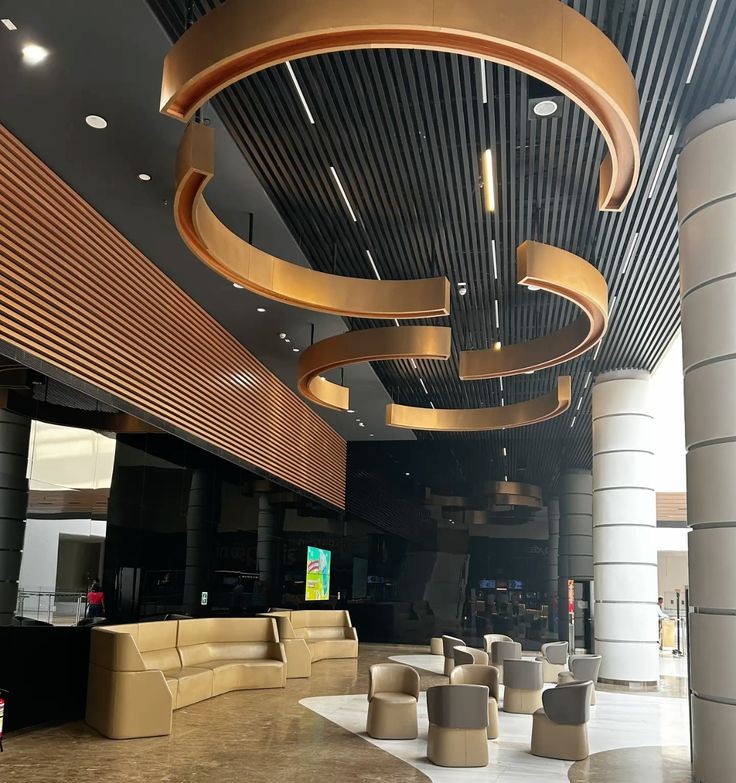
HOW A LIGHTING DESIGNER REDUCES PROJECT RISK AND COST?
Lighting design can support cost control before and after installation.
The value comes from making informed decisions early, reducing avoidable changes, and selecting products that meet the actual requirements of the space.
It is not a guarantee that every project will be cheaper, but a coordinated design can help developers and business owners understand the consequences of their choices.
Avoiding Late Construction Changes
Late changes can affect wiring, ceiling openings, mounting details, decorative finishes, and product procurement.
A coordinated lighting design identifies many of these requirements earlier, when the team can still adjust the layout more easily.
This is especially valuable for projects with suspended ceilings, bespoke fixtures, complex showrooms, or multiple building services.
Comparing Products Before Purchasing
A designer can evaluate alternative luminaires based on light distribution, output, color quality, installation requirements, and controls.
Photometric calculations can help compare products using consistent assumptions.
The results can show whether a proposed replacement is likely to meet the same design requirements.
This supports more informed procurement decisions than choosing products based on price or appearance alone.
Balancing Initial Cost and Life-Cycle Cost
The cheapest fixture is not automatically the most economical option over the building’s life.
Operating hours, power consumption, maintenance access, replacement availability, warranty conditions, and control compatibility all affect the longer-term cost.
The project team should consider these factors alongside the initial equipment and installation price.
Improving Communication Across the Project Team
Clear drawings and product schedules help architects, engineers, suppliers, contractors, and owners work from the same information.
They also make it easier to identify who is responsible for approvals, substitutions, installation details, testing, and handover.
Good documentation reduces uncertainty and helps the team resolve issues before they affect the finished space.

TYPICAL COMMERCIAL LIGHTING DESIGN PROCESS
The process should be clear enough that the owner understands what happens at each stage and what information needs to be approved before the project moves forward.
The exact sequence depends on the building, but several steps are common to most commercial projects.
Step 1: Site Review and Project Brief
The lighting consultant reviews the space, project drawings, intended use, design priorities, budget, and long-term plan.
For an existing building, this may include a site survey to understand the current installation and identify constraints.
Step 2: Concept and Lighting Layout
The design team develops the lighting approach, identifies the main layers, and proposes fixture positions.
This stage should coordinate the lighting with architecture, furniture, display arrangements, ceilings, and other building services.
Step 3: Product Selection and Calculations
The consultant selects suitable luminaires and uses available manufacturer photometric data to evaluate the proposed layout where required.
The results can help identify issues involving illuminance, distribution, uniformity, or glare-related criteria.
Step 4: Technical Documentation and Approvals
The approved design is translated into fixture schedules, technical specifications, layouts, and other required documents.
The package should define the products and installation details clearly enough for procurement and construction coordination.
Step 5: Supply and Installation Coordination
The supplier and contractor confirm product availability, delivery, mounting requirements, wiring, and control compatibility.
Substitutions should be reviewed before installation, particularly when they could affect performance or appearance.
Step 6: Testing, Commissioning, and Handover
The installed system is checked against the agreed requirements.
Testing may include fixture operation, dimming, sensors, scheduled controls, and other specified functions.
The completed project should also include the necessary product and maintenance documentation.
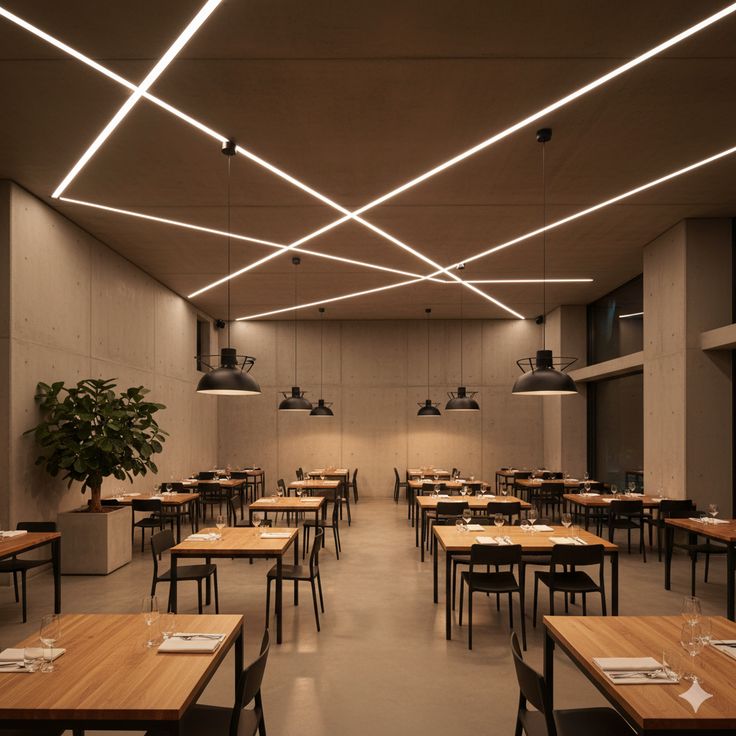
LIGHTING AND CONTROLS FOR UAE COMMERCIAL PROJECTS
The right specification depends on the business, building, and operating conditions.
A showroom may prioritize product presentation, while an office may focus on visual comfort and screen use.
For projects in Dubai and Abu Dhabi, product selection should also account for the applicable requirements, site conditions, procurement schedule, and service arrangements.
Define the Performance Requirements First
Before comparing products, establish what the space needs from its lighting.
This includes the relevant illumination criteria, color quality, visual comfort, operating hours, control functions, mounting conditions, and maintenance requirements.
A clear specification makes it easier to compare suitable products and prevents unnecessary upgrades that do not improve the intended result.
Review Manufacturer Data and Samples
Manufacturer datasheets and photometric files help the designer evaluate product performance.
Samples can also be useful when the appearance of materials or displayed products is important.
For showrooms and retail spaces, a mock-up may reveal how the selected lighting effects finishes, color appearance, and reflections.
The final choice should be based on the actual product rather than assumptions from a product photograph.
Check the Complete Control System
Fixtures, drivers, dimmers, sensors, and control systems should be evaluated as a coordinated package.
The system should perform the required functions, remain compatible with the selected products, and be understandable to the people who operate it.
For large commercial buildings, the handover should include clear information about control zones, scenes, schedules, and any integration with wider building systems.
Confirm Local Requirements and Responsibilities
The design team should verify the requirements applicable to the project and identify who is responsible for electrical design, formal submissions, installation, testing, and commissioning.
The exact responsibilities depend on the contract and project structure. A written scope helps avoid gaps between the design and installation teams.
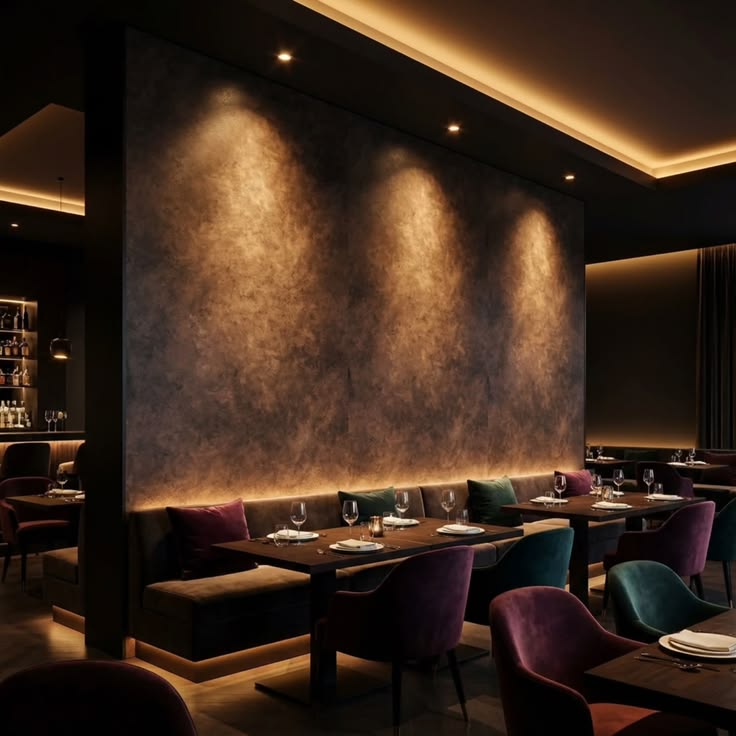
COMMON COMMERCIAL LIGHTING MISTAKES TO AVOID
Some lighting problems arise because important decisions are made too late or because product selection is separated from the way the space will actually function.
A few common mistakes are worth addressing before the project begins.
Selecting Fixtures Based Only on Price
Price is important, but the cheapest product may not provide the required distribution, color quality, durability, or control compatibility.
Compare products using the same requirements and consider their installation and maintenance implications as well as their purchase cost.
Treating Every Space the Same
An office, showroom, and retail store need different lighting strategies.
Using one fixture layout everywhere may create uncomfortable working conditions, weak product presentation, or an unsuitable atmosphere.
The design should reflect the tasks and visual priorities of each space.
Leaving Lighting Until the End of Construction
Late planning can create conflicts with ceilings, wiring, mounting supports, furniture, and other services.
Early coordination gives the team more options and reduces the need to alter completed work.
Ignoring Controls and Maintenance
Controls should be selected and coordinated during the design stage rather than added as an afterthought.
The same applies to driver access, product replacement, and maintenance records. These practical details have a lasting effect on the building’s operation.
Relying on Visualizations Alone
A rendering can communicate the intended appearance, but it does not automatically prove that a lighting design meets technical requirements.
Where needed, photometric calculations should use the actual selected luminaires and appropriate criteria. The results should be reviewed alongside the visual design and installation constraints.
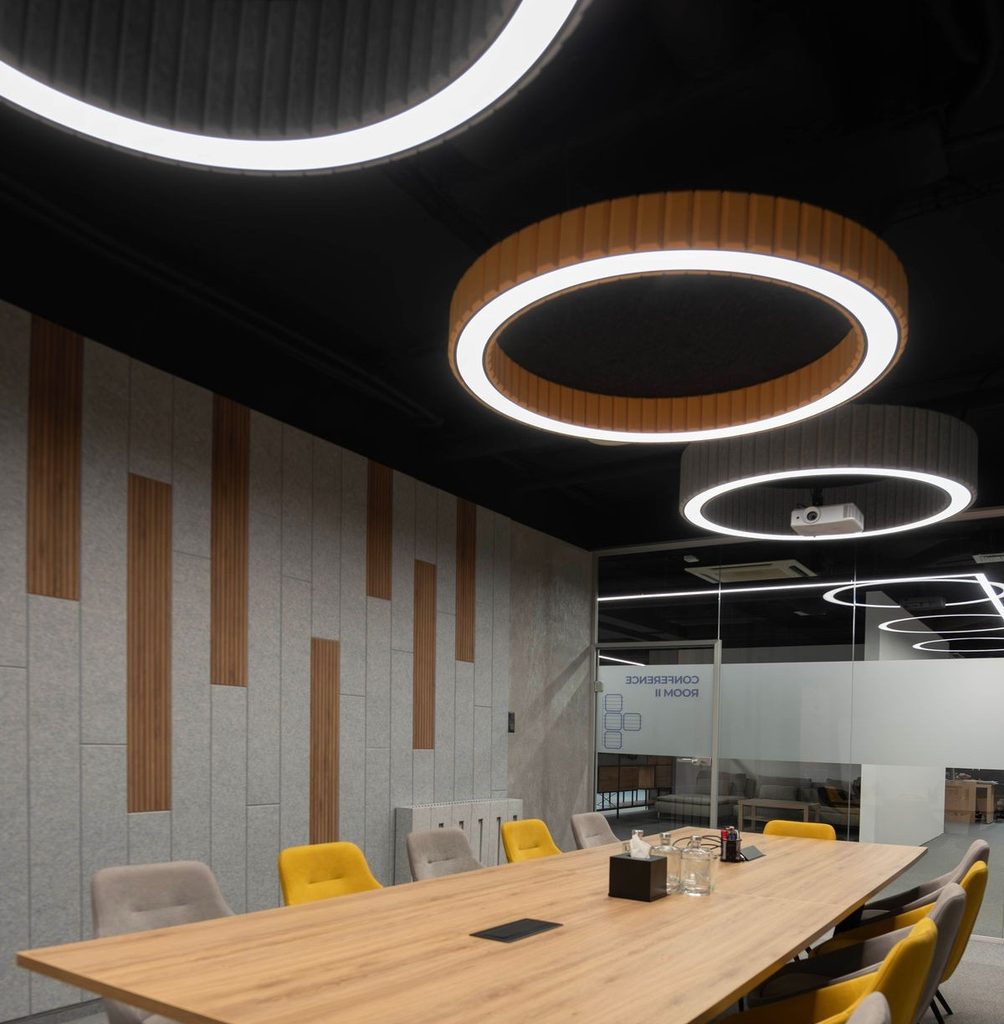
FINAL THOUGHT
Commercial lighting is more than about making offices brighter or filling a showroom with attractive fixtures.
It is about understanding what people need to see, how products should appear, and how the building will be used throughout the day.
For businesses in the UAE, the strongest results come from planning lighting early, coordinating it with architecture and building services, selecting products based on their performance, and providing suitable controls and maintenance access.
A well-designed office can support visual comfort. A showroom can reveal the qualities of the products on display, and a retail store can create a more coherent customer experience.
These results depend on matching the lighting to the space rather than relying on generic fixture layouts or product choices.
When design, procurement, installation, and commissioning work together, lighting becomes a practical part of the building’s long-term performance, not just another finishing decision.
Related Posts
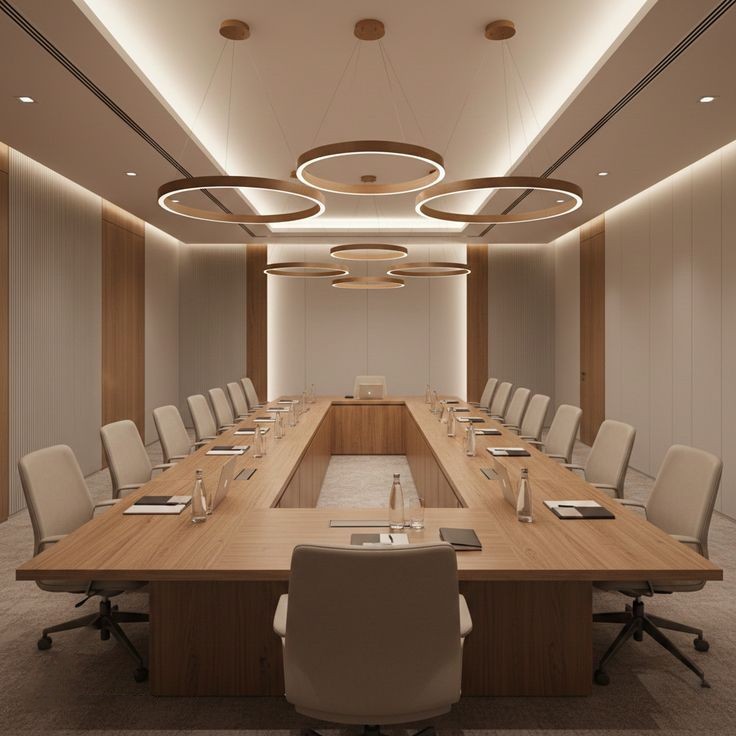
LED Office Light Fixtures for Corporate Offices and Businesses in Dubai and Abu Dhabi
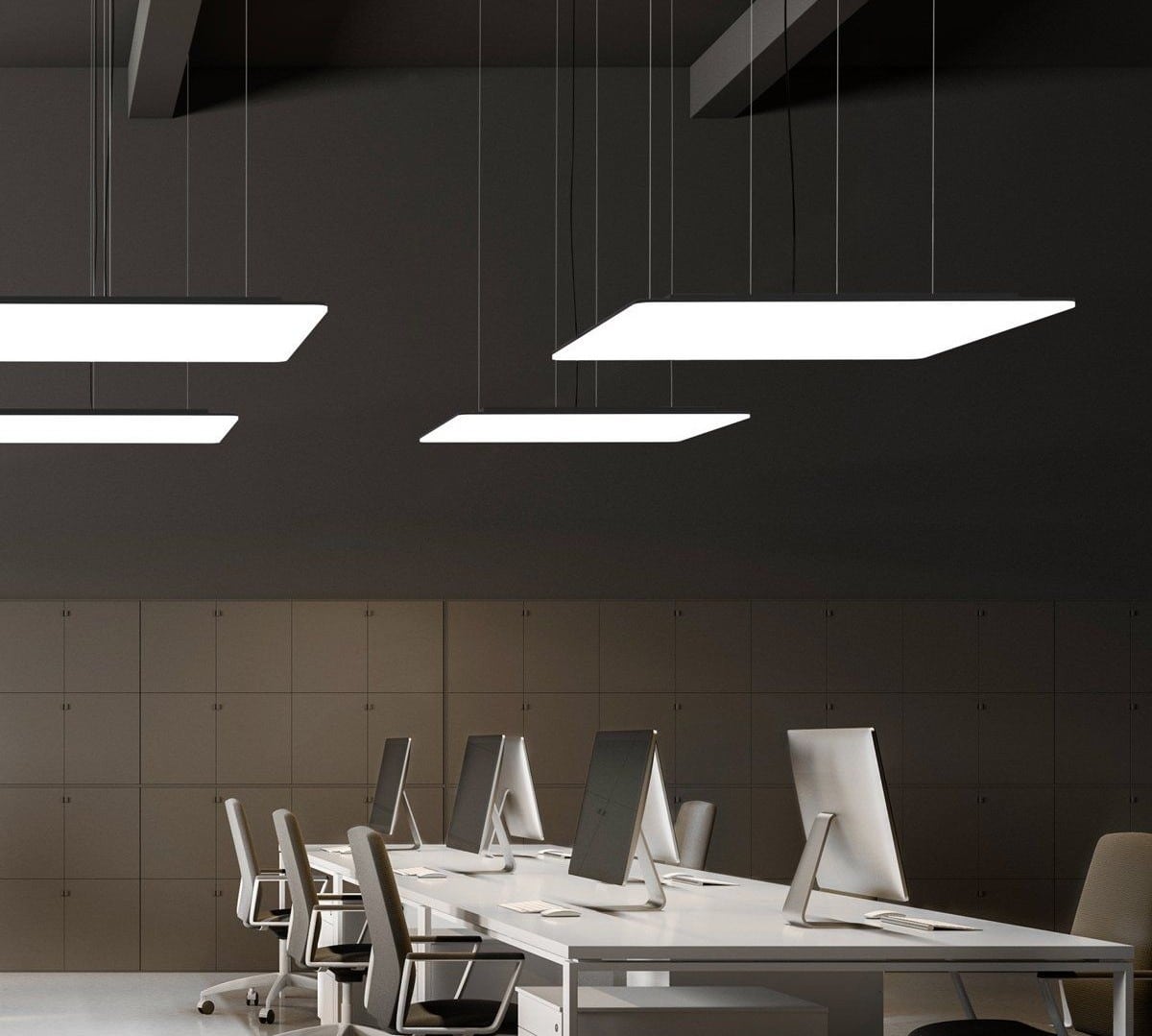
Square Led Ceiling Light Fixture in UAE: A Complete Buying Guide in 2027

