
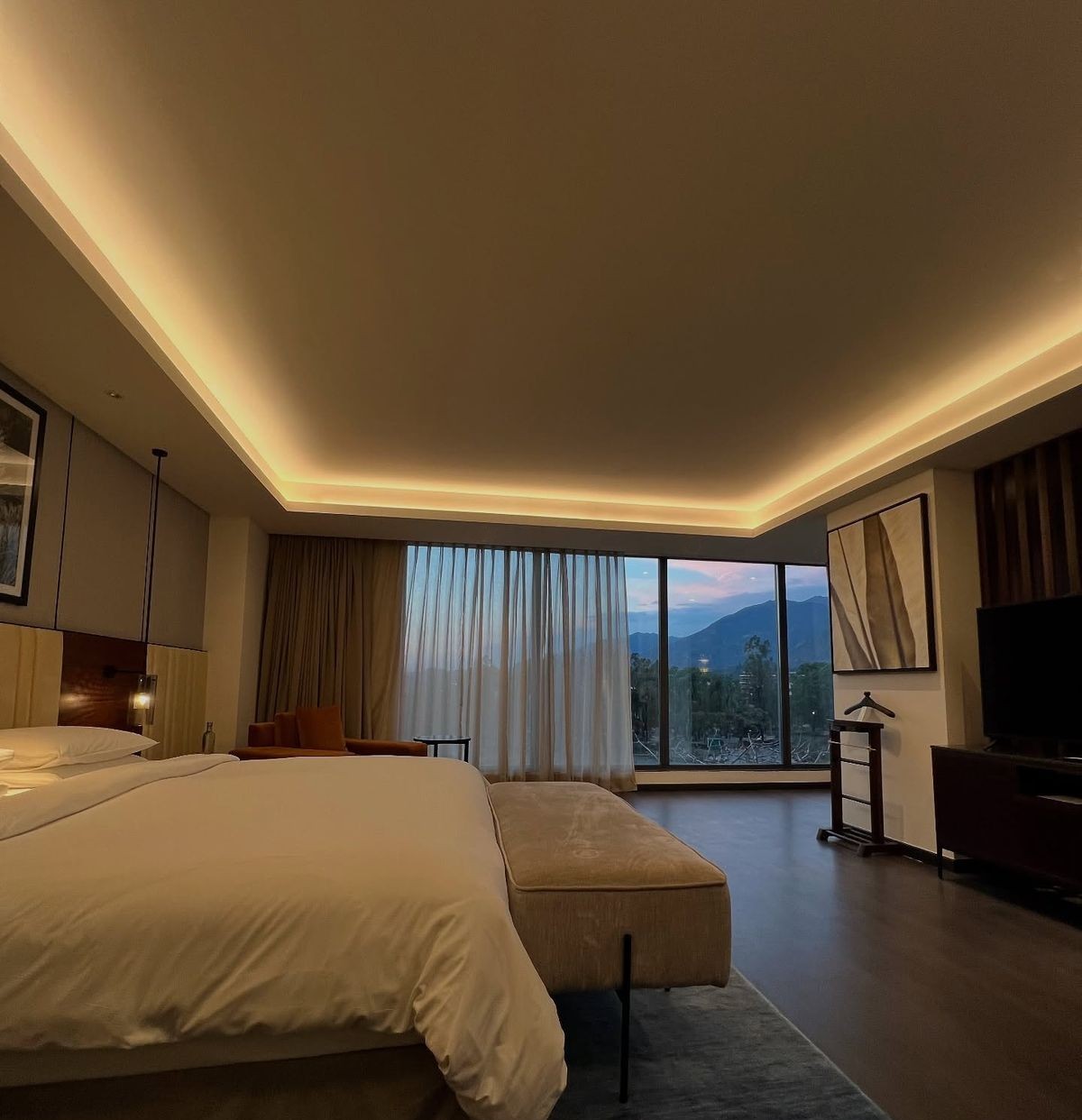
Residential Lighting in Dubai and Abu Dhabi for Villas and Apartments
A high-quality living experience doesn’t come with poor lighting design or the wrong fixture selection.
That’s what 30 years of experience in lighting design has taught us.
A living room might have beautiful furniture and expensive finishes, yet the space still feels flat when you switch on the lights.
Also, a kitchen might look impressive but leave the worktop in shadow.
The difference often comes down to how the lighting is planned, ideally during the early stages of construction.
The right combination of light sources, fixture positions, controls, and color temperatures can make a villa lighting design feel more comfortable without changing any furniture or architecture.
In Dubai and Abu Dhabi, residential lighting for large-scale projects, particularly luxury villas, requires careful planning to accommodate double-height ceilings, expansive living areas, grand entrances, and extensive outdoor spaces.
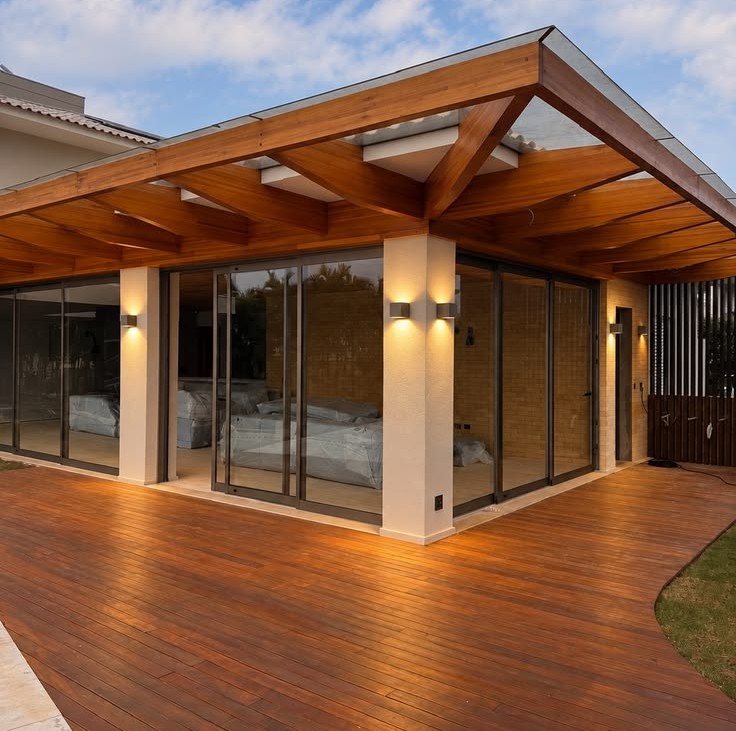
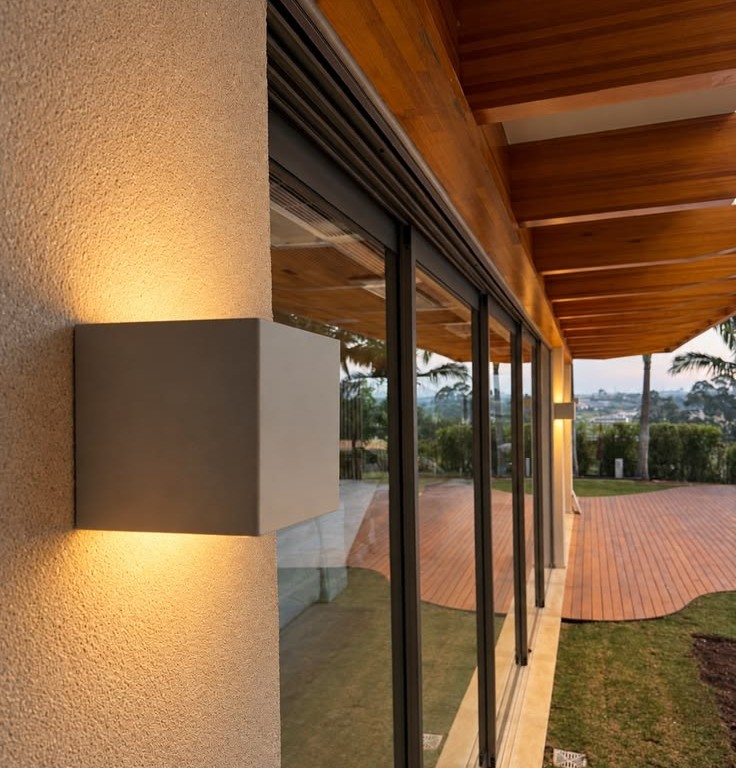
RESIDENTIAL LIGHTING IN UAE
Residential lighting covers the fixtures, light sources, controls, and design decisions that illuminate a home.
It includes everything from recessed ceiling lights and decorative chandeliers to bedside lamps, under-cabinet LEDs, track lights, bathroom mirror lights, and exterior wall fixtures.
A good design starts with how people use the property.
Someone cooking dinner needs different lighting from someone watching a movie, reading in bed, or welcoming guests into a majlis.
When the lighting designer understands these activities, each fixture can serve a clear purpose. The result feels more natural than a room where every light switches on at the same time.
Types of Residential Lighting
Most residential lighting schemes use four complementary layers. Each layer performs a different job, and the designer can combine them to create different atmospheres throughout the day.
Ambient lighting provides general illumination.
Ceiling fixtures, recessed downlights, and indirect cove lighting can make a room comfortable to move around in.
Task lighting directs light toward specific activities. Examples include kitchen worktop lighting, desk lamps, bedside reading lights, and bathroom mirror illumination.
Accent lighting draws attention to selected features, such as artwork, textured walls, architectural details, and decorative shelving.
Decorative lighting makes the fixture itself part of the interior design. Chandeliers, sculptural pendants, wall sconces, and statement table lamps can add personality while contributing useful light.
The strongest residential lighting solutions combine these layers instead of expecting one fixture to handle every requirement.
How Lighting Changes the Appearance of a Home?
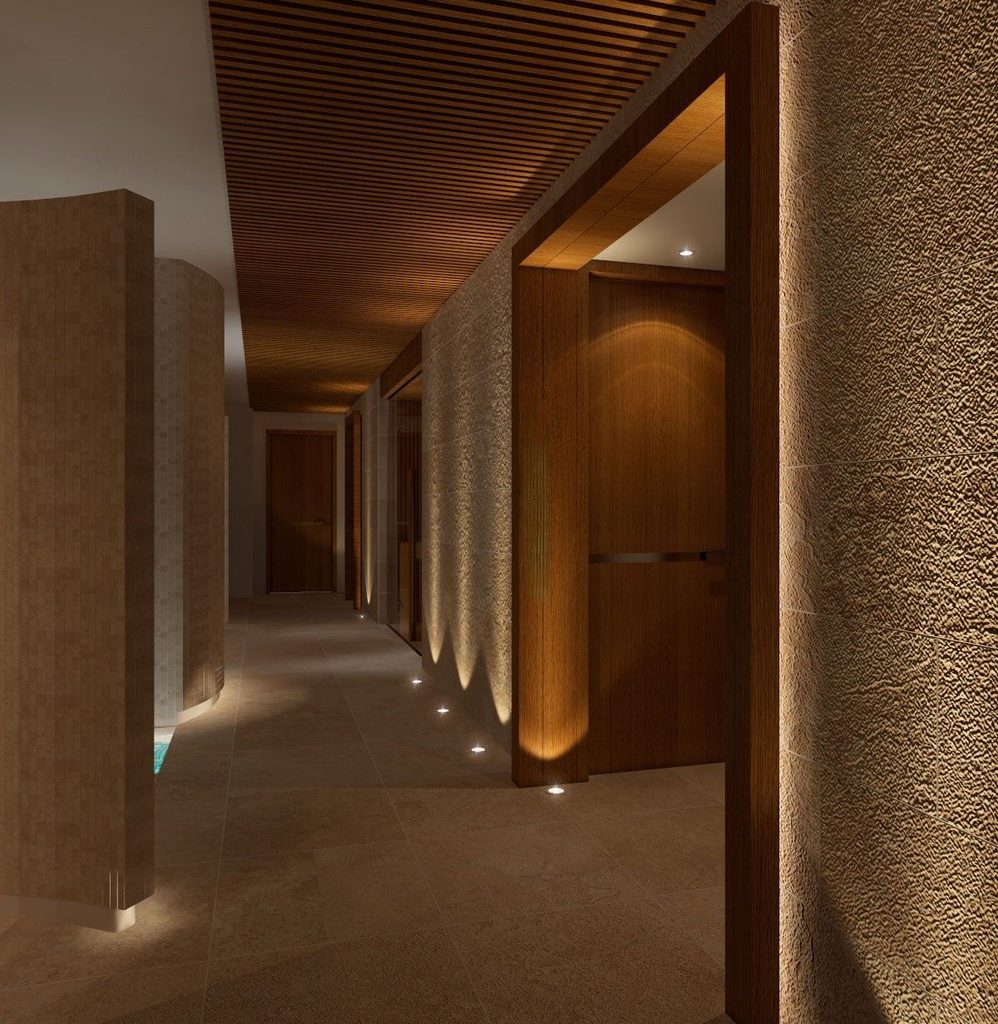
Lighting influences how people perceive colors, materials, textures, and spatial depth. A narrow beam aimed across a textured stone wall creates a different effect from a broad beam that illuminates the same wall evenly.
Indirect light can soften a ceiling, while vertical illumination can make a hallway feel more open.
Carefully positioned accent lighting can also help architectural details stand out without making the entire room brighter.
These effects depend on the fixture’s position and optical design as much as its brightness.
That’s why choosing attractive products is only one part of a successful lighting plan.
Residential Lighting Solutions for Different Lifestyles
An apartment occupied by a couple who work from home may need flexible lighting for reading, video calls, cooking, and relaxing.
A family villa might need separate lighting scenes for dining, entertaining, children’s bedrooms, and outdoor gatherings.
A property used for short-term rentals may prioritize simple controls, durable products, and easy maintenance.
A luxury residence may require more detailed integration between decorative fixtures, architectural lighting, and smart-home systems.
The design should reflect the people who live there rather than follow a standard package for every property.
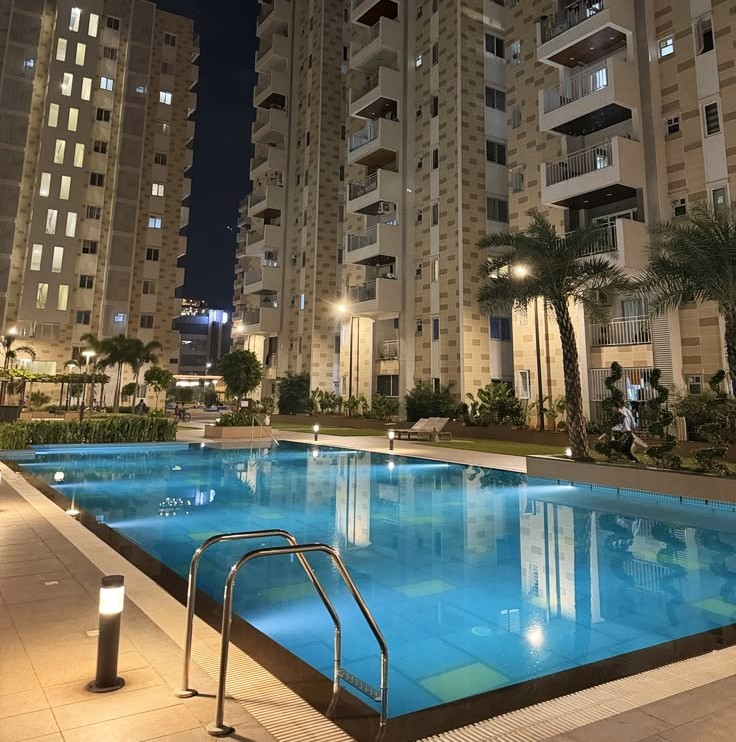
RESIDENTIAL LIGHTING SOLUTIONS FOR VILLAS AND APARTMENTS IN THE UAE
Villas and apartments share many lighting principles, but their architectural features create different challenges.
Apartments often have more compact rooms and limited ceiling space, while villas may include high ceilings, stairwells, large windows, landscaped gardens, and formal reception areas.
Dubai and Abu Dhabi also experience strong daylight during much of the year.
Window orientation, glazing, curtains, and shading therefore affect how rooms look during the day and how much artificial lighting they need in the evening.
Residential Lighting for Apartments
In an apartment, every fixture should earn its place. A dense grid of downlights can create glare and visual clutter, particularly when the ceiling is relatively low.
A combination of discreet general lighting, task lights, and selected accent fixtures often provides more flexibility.
Wall lights and floor lamps can introduce softer illumination without requiring additional ceiling fittings.
Open-plan apartments need special attention because the living, dining, and kitchen areas often share one visual space.
The lighting should create distinct zones while maintaining a consistent appearance across the room.
Residential Lighting for Villas
Villas generally offer more freedom to combine different lighting systems.
A project might include concealed ceiling lighting, decorative chandeliers, wall washers, integrated wardrobe lighting, stair lighting, and exterior fixtures.
However, larger spaces also introduce more coordination work.
Double-height foyers need carefully scaled fixtures, while staircases require a combination of comfortable visibility, thoughtful light direction, and an appropriate maintenance strategy.
A larger property does not automatically need more fixtures everywhere. It needs a design that accounts for its dimensions, architecture, and intended use.
Majlis and Formal Reception Lighting
In a majlis or formal reception room, lighting helps establish the atmosphere before guests even sit down.
A decorative chandelier can provide a focal point, but it should work alongside softer ambient lighting and selected wall or accent lights.
Separate circuits allow the homeowner to adjust the balance for a family gathering, a formal reception, or a quieter evening.
Glare deserves particular attention in rooms where people sit for long periods and may look toward the ceiling.
Recessed fixtures should use appropriate optics and positioning rather than placing a bright light directly in someone’s line of sight.
Balconies, Terraces, and Outdoor Living Areas
Balconies and terraces often function as extensions of the living room.
Residential lighting should make these spaces comfortable after sunset without flooding nearby windows or creating unnecessary glare.
Suitable options include shielded wall lights, concealed lighting beneath seating or architectural details, and carefully positioned fixtures around outdoor dining areas.
Outdoor decorative lights need specifications suitable for their actual exposure to weather, dust, and moisture.
The appropriate protection rating depends on the light installation location and the manufacturer’s instructions.
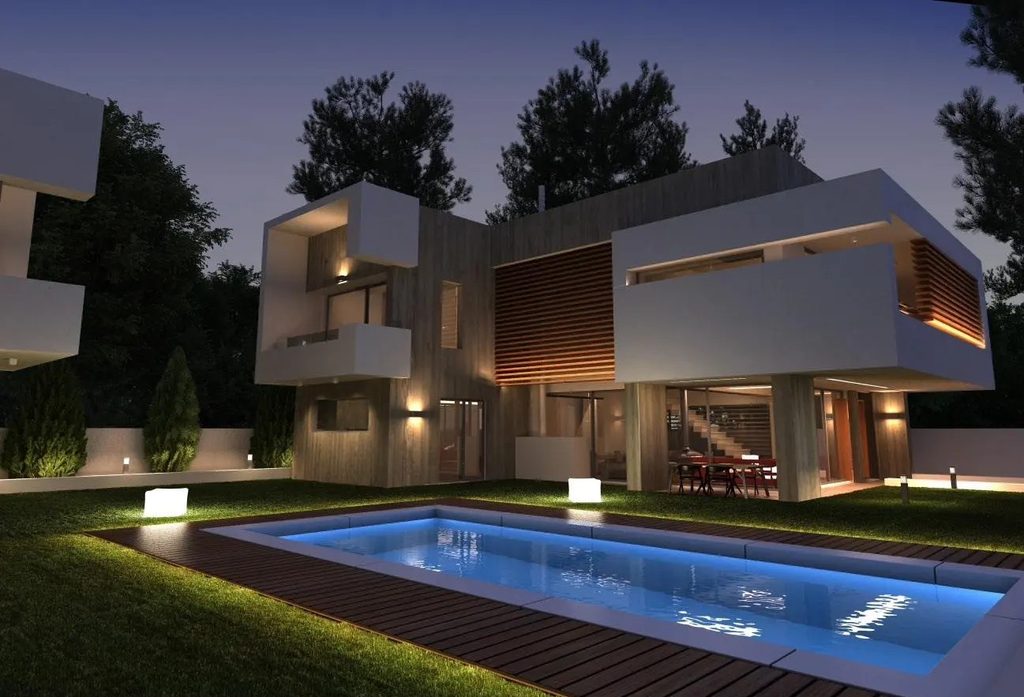
HOW TO CREATE A RESIDENTIAL LIGHTING LAYOUT PLAN?
A residential lighting layout plan translates design ideas into practical fixture positions, lighting zones, switches, and technical requirements.
It helps the homeowner visualize the result and gives the electrical and installation teams a coordinated plan to follow.
The best time to prepare the layout is before the ceiling, joinery, and electrical work reach their final stages.
Indeed, late changes can lead to unnecessary ceiling cuts, misplaced fixtures, extra installations, and higher villa lighting cost.
Begin With Dimensions, Furniture, and Activities
Start with accurate room measurements and architectural drawings.
Mark the doors, windows, ceiling heights, fixed furniture, cabinetry, mirrors, worktops, and other important features.
Then identify how people will use each area.
A reading chair needs a suitable source of local light, while a dining table may need a pendant that creates a focal point without shining directly into people’s eyes.
This step also helps the designer identify which fixtures should operate independently.
A living room may need separate controls for general lighting, accent lighting, and a decorative pendant.
Plan the Light Before Choosing Every Fixture
It can be tempting to begin with a catalog of attractive lights.
A more reliable approach is to decide what the room needs first, then select fixtures that deliver those results.
This is what indoor lighting design helps you achieve.
For example, an open-plan living room may need general illumination, light on a feature wall, and a separate dining pendant.
Once the designer defines those layers, the fixture selection becomes much more focused.
The plan should also consider beam angles, mounting heights, reflective finishes, and the position of people in the room.
These details influence whether the lighting feels balanced or produces unwanted bright spots and shadows.
Use 3D Visualization and Lighting Calculations
Three-dimensional visualization helps homeowners understand how the lighting might look with the actual architecture and finishes.
3d lighting design can reveal proportions and potential conflicts before the project reaches installation.
However, a rendering does not automatically prove that the lighting will provide sufficient illumination.
Where the project requires technical verification, the designer should use appropriate photometric data and lighting calculations.
Lux measures the amount of light reaching the surface, while lumens describe a light source’s output.
The lighting consultant or designer can use those measurements to assess whether a worktop, reading area, mirror, or circulation route receives suitable illumination.
Coordinate With Electrical Work and Joinery
The layout should match the architectural drawings, electrical plans, and joinery details.
This becomes especially important for concealed LED profiles, wardrobe lighting, kitchen under-cabinet lighting, and custom chandeliers.
For integrated LED systems, identify the profile, diffuser, cable route, driver position, and access method.
A generic strip-light symbol on a drawing does not provide enough information to install and maintain the system reliably.
Confirm fixture cutouts, switch locations, control wiring, and driver access before the contractor closes the ceiling or finishes the cabinetry.
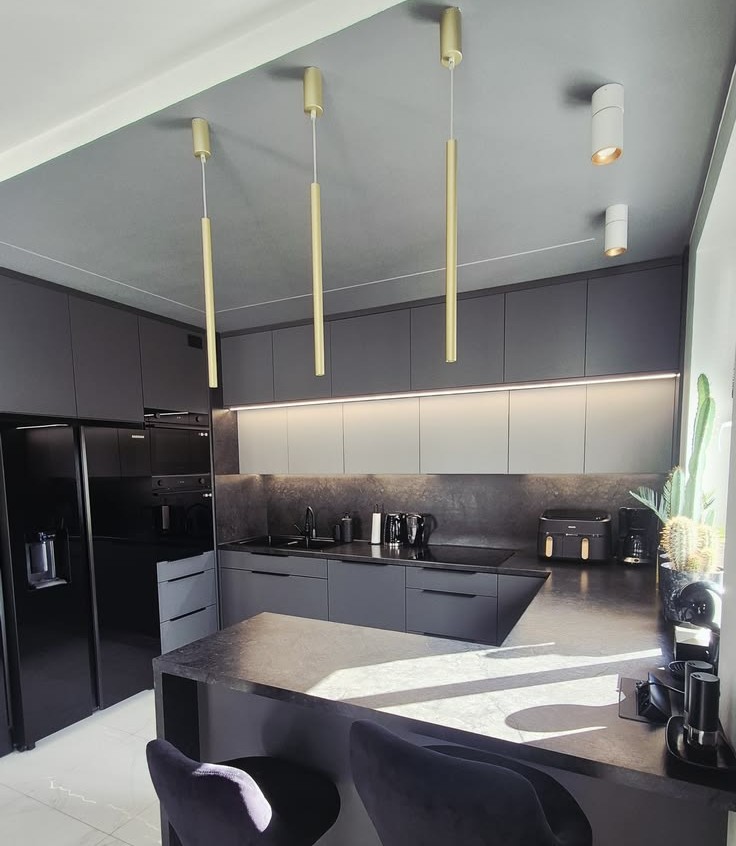
ROOM-BY-ROOM RESIDENTIAL LIGHTING DESIGN
A good residential lighting plan responds to the way people use each room. The same fixture arrangement rarely works equally well for a living room, kitchen, bedroom, and bathroom.
Living Room Lighting
Living rooms often serve several purposes, so flexible lighting matters more than simply achieving a high overall brightness.
Combine general lighting with selected wall lights, cove lighting, accent spots, or portable lamps.
A separate reading light can provide enough illumination for a book without forcing everyone else in the room to sit beneath bright ceiling lights.
For television viewing, consider the position of bright fixtures and reflections on the screen.
Softer light near the television wall may also help reduce the contrast between the display and an otherwise dark room.
Dining Room Lighting
A pendant or chandelier above the dining table can establish a natural focal point. The fixture’s dimensions, suspension height, and light distribution should suit the table and ceiling.
Consider using dimming so the dining area can transition from brighter everyday meals to a softer setting for entertaining.
Supplement the main fixture with subtle ambient lighting if the surrounding walls and circulation areas need more illumination.
The dining light should illuminate the table without causing glare for people sitting across from one another.
Kitchen Lighting
Kitchen lighting needs to support food preparation, cooking, cleaning, and social activities.
A ceiling layout alone may leave shadows on worktops, especially when the person working stands between the fixture and the counter.
Under-cabinet LEDs can provide more direct illumination across the work surface.
Recessed lights should also align with the working areas rather than follow a purely decorative ceiling grid.
Pendants over an island can add character, but they should complement the general and task lighting. Check their position against the island dimensions, ceiling height, sightlines, and surrounding cabinets.
Bedroom Lighting
Bedrooms benefit from a softer general lighting layer and dedicated sources for reading and getting dressed.
Bedside wall lights or lamps can provide local illumination, while wardrobe lights help people find clothing without switching on the entire room. Dimming allows the atmosphere to change throughout the evening.
Choose fixture positions that avoid shining directly into the eyes of someone lying in bed. Consistent color temperature across nearby fixtures also helps the room feel more coordinated.
Bathroom and Dressing Area Lighting
Bathroom lighting should illuminate the room while providing useful light around the mirror.
A single overhead fixture can create shadows under the eyes and chin, making grooming more difficult.
Mirror lighting illuminates the face more evenly can improve visibility.
The chosen fixtures must also suit their installation locations and the bathroom’s moisture exposure.
Walk-in closets and dressing areas benefit from lighting that reveals clothing colors accurately. Integrated wardrobe fixtures should also allow practical access to drivers and other components for maintenance.
Hallways, Stairs, and Entrance Areas
Hallways and staircases need consistent illumination that supports comfortable movement.
Depending on the architecture, wall lights, recessed fixtures, step lights, and low-level lighting can all play a role.
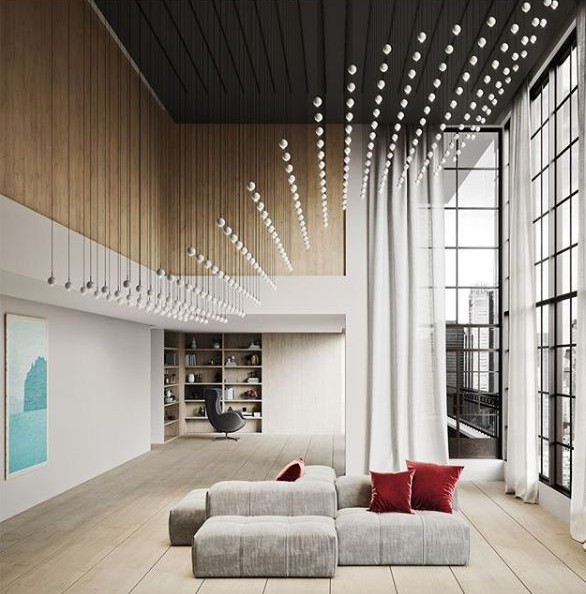
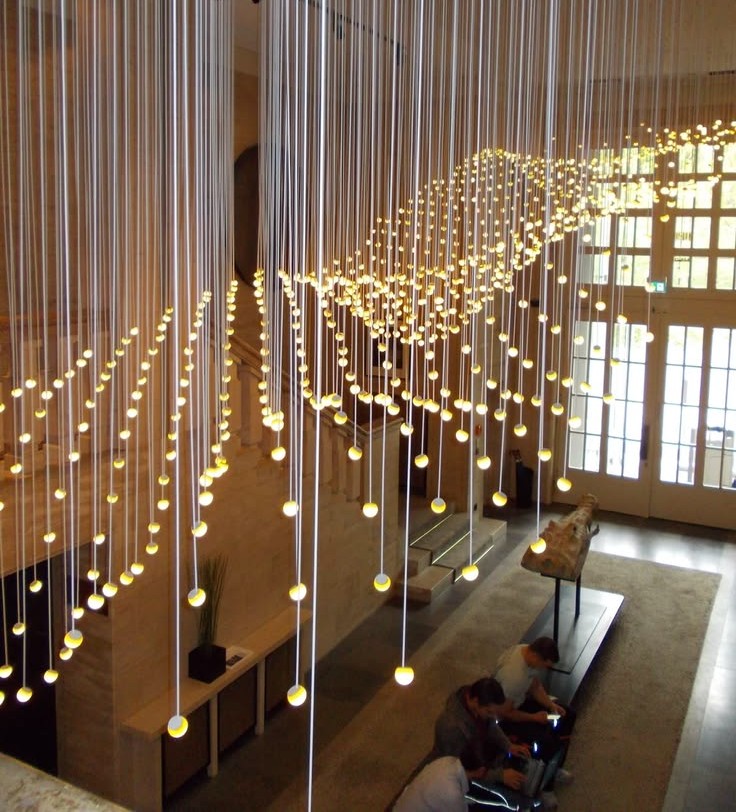
In a villa with a double-height foyer, a large chandelier may provide a dramatic centerpiece.
However, the team should plan its mounting, cleaning, and replacement access before installation.
At entrances, consider both appearance and practical visibility. Exterior and interior lighting should work together to create a comfortable transition into the home.
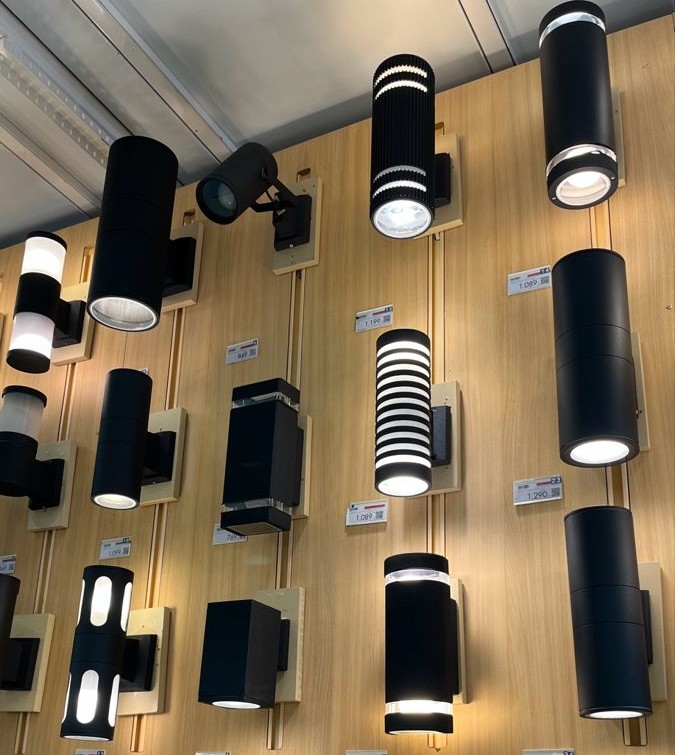
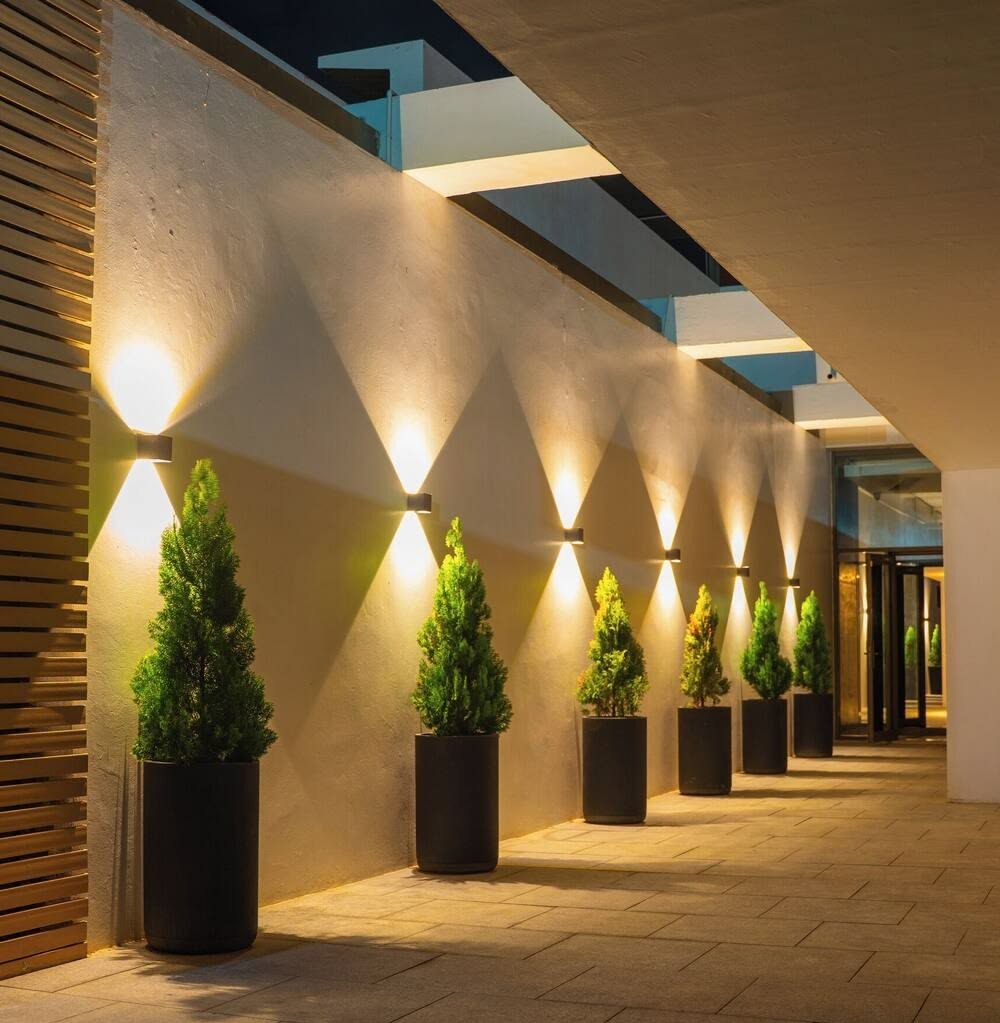
LED LIGHTS FOR RESIDENTIAL LIGHTING
LED technology gives homeowners a wide range of fixture styles, color temperatures, light outputs, and control options.
But two LED products that look similar in a photograph can perform very differently once installed.
The important thing is to compare the technical information rather than rely entirely on wattage, appearance, or a product’s advertised lifespan.
Lumens, Watts, and Efficiency
Lumens measure light output, while watts measure electrical power consumption.
Luminous efficacy, expressed in lumens per watt, indicates how much light a product delivers for its electrical input.
A higher-wattage fixture does not necessarily provide a better result. A fixture with suitable optics may deliver the required light more effectively than a brighter product that distributes its output poorly.
Compare products intended for the same purpose and assess their performance within the proposed lighting layout.
Color Temperature Carefully
Correlated color temperature, or CCT, describes whether a light appears warmer or cooler. Manufacturers generally express it in kelvins.
Warm white, often around 2700K to 3000K, can work well in bedrooms, living rooms, and dining areas.
Some kitchens, bathrooms, and home offices may suit a neutral white option, depending on the finishes and activities.
These ranges are starting points, not universal rules. The homeowner should consider the room’s materials, preferred atmosphere, and relationship with adjacent spaces.
In an open-plan interior, keeping a consistent color temperature across connected areas can help avoid visible differences between the living room and kitchen.
CRI, Glare, and Dimming Compatibility
Color Rendering Index, or CRI, helps describe how accurately a light source renders colors compared with a reference.
Higher color fidelity can be useful for artwork, premium materials, dressing areas, and interiors where the appearance of finishes matters.
Glare control is just as important. A bright source that sits directly in someone’s field of view can feel uncomfortable even if the room has sufficient illumination.
Dimming can improve flexibility, but the fixture, driver, dimmer, and control system must be compatible.
Confirm these details before purchasing products, especially when the design includes integrated LEDs or smart controls.
HIGH-END RESIDENTIAL LIGHTING AND CUSTOM RESIDENTIAL LIGHTING
High-end residential lighting does not depend only on expensive fixtures.
It comes from the relationship between light, architecture, finishes, controls, and the way people experience the property.
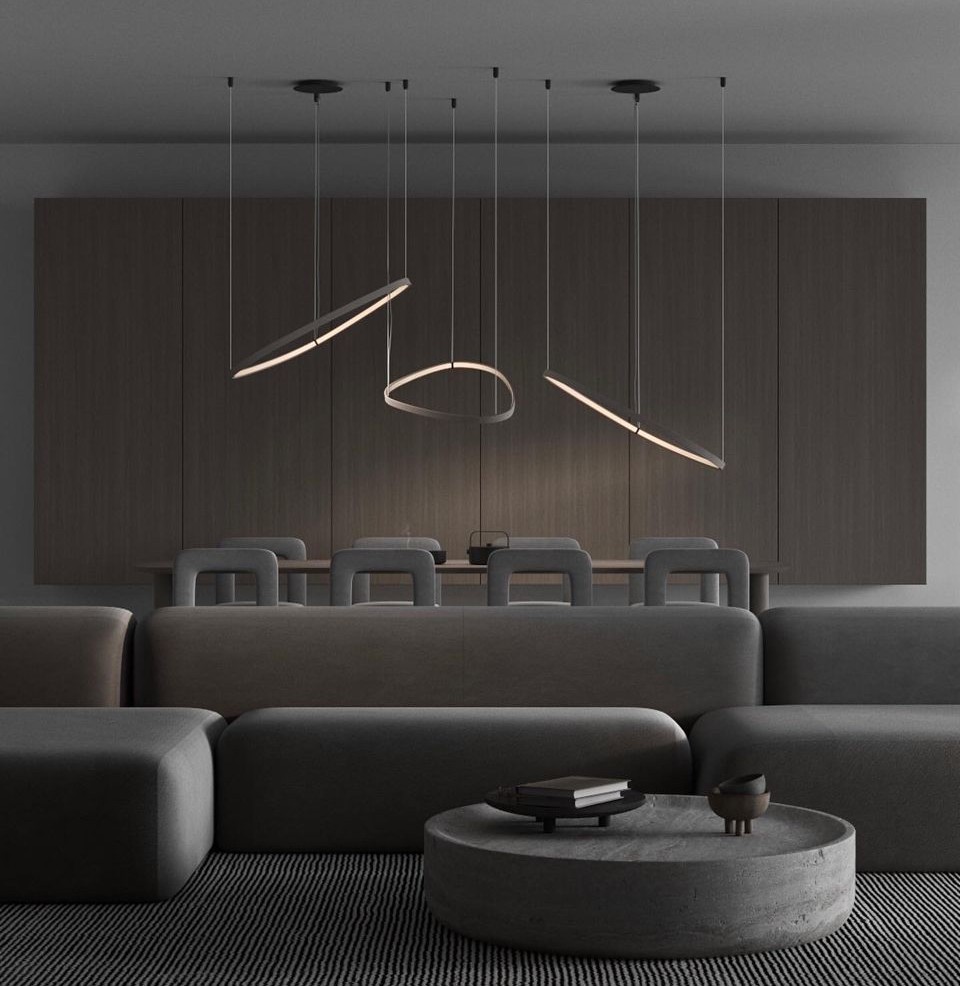
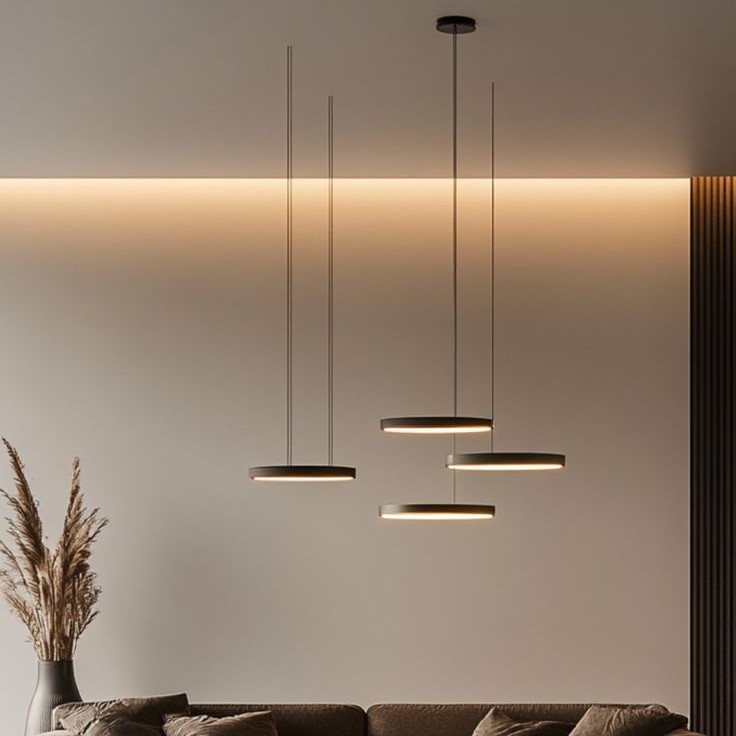
A well-designed scheme can combine discreet architectural lighting with a few carefully selected decorative pieces. The result feels intentional because each light contributes to the overall effect.
Custom Residential Lighting for Distinctive Interiors
Custom residential lighting can help when a standard fixture does not fit the room’s dimensions or design concept.
A custom chandelier may suit a double-height foyer, while a made-to-measure linear light can follow the proportions of a long dining table. Integrated LED profiles can also follow architectural details or custom joinery.
Custom work requires more coordination than selecting a ready-made product.
The designer should confirm the dimensions, mounting method, light output, electrical requirements, finish, driver access, and maintenance strategy before the fabrication process begins.
Lighting Controls and Smart-Home Integration
Lighting controls help residents adjust to the home without changing individual fixtures.
Separate switches and dimmers can provide plenty of flexibility, while larger properties may benefit from programmed scenes or smart-home integration.
For example, a single scene might dim the living room’s general lighting, activate the cove lighting, and bring a decorative pendant to a lower level. Another scene could provide brighter illumination for cleaning or everyday activity.
Smart controls should suit how the household actually operates.
A complicated system adds little value if residents find it difficult to use or if its components do not work reliably with the selected fixtures.
Maintenance in the Design
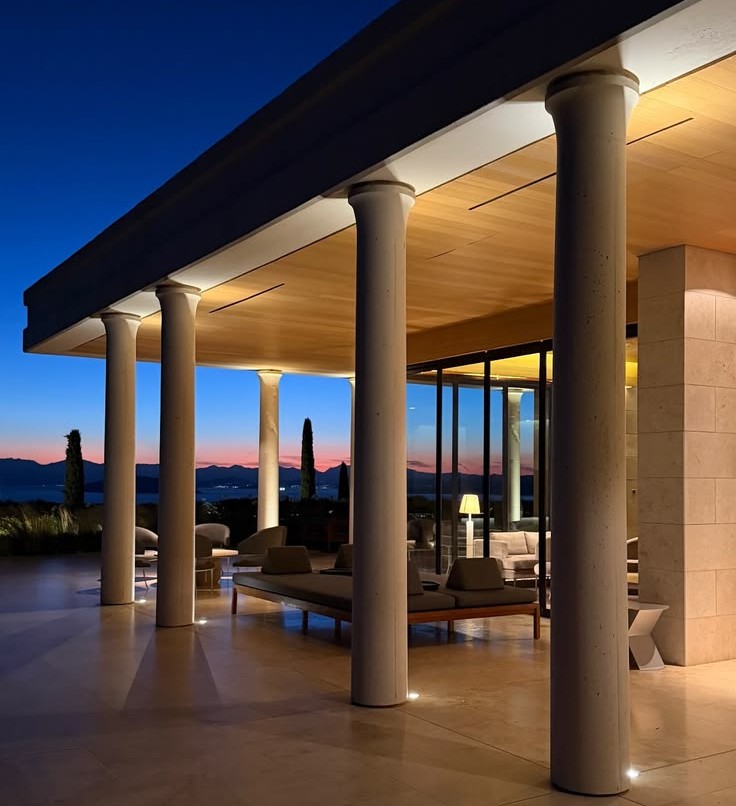
Concealed lighting can create an elegant result, but the team must still plan how to reach drivers, replace components, and clean difficult-to-access fixtures.
This issue becomes particularly important in stairwells, double-height foyers, and ceilings with integrated lighting profiles.
A small amount of planning can prevent a straightforward maintenance task from becoming a major installation job later.
The design should consider long-term usability alongside the initial appearance.
RESIDENTIAL LIGHTING STANDARDS AND ENERGY EFFICIENCY IN THE UAE
Residential lighting standards help guide safe installation, visual comfort, energy use, and the selection of suitable equipment.
The requirements that apply to a particular property depend on its location, building category, and approval process.
Homeowners should therefore confirm the relevant provisions with the project team rather than assume one specification applies to every villa and apartment.
Relevant Building Requirements
Dubai’s building regulations include provisions for low-energy lighting and lighting controls in applicable residential building categories.
The Dubai Building Code addresses lighting arrangements and controls for villas and townhouses, including requirements concerning efficient lighting and control of exterior lighting.
In Abu Dhabi, sustainability requirements may also depend on the applicable building approval and development framework.
Check the current requirements for the property and project rather than relying on a generic online checklist.
Lighting Controls to Reduce Unnecessary Energy Use
Separate switches, compatible dimmers, occupancy sensors, and daylight-responsive controls can help reduce unnecessary energy use where the project and operating conditions support them.
For example, a hallway does not always need the same lighting level as a kitchen worktop.
Dimming and separate circuits help residents provide enough light for the activity without running every fixture at full output.
Good controls also improve convenience. The objective is to make appropriate lighting easy to select, not to add technology for its own sake.
Balance Efficiency with Comfort
Energy efficiency should not come at the expense of visual comfort.
A room still needs suitable illumination for its activities, and an overly bright or poorly distributed scheme can waste energy while producing an unpleasant result.
A good design uses appropriate fixtures, effective controls, and calculated layouts to provide the required light where people need it. Maintenance also matters because dust and dirt can reduce the useful output of fixtures over time.
RESIDENTIAL LIGHTING SUPPLIERS IN UAE
Choosing residential lighting suppliers involves more than comparing product catalogs.
A good supplier should provide reliable technical information, suitable product options, clear warranty terms, and practical support throughout the project.
For a more complicated property, consider how the supplier will coordinate with the designer and installer.
This can help avoid substitutions or compatibility problems after the design has already been approved.
Product Specifications and Warranty Terms
Ask for details such as lumen output, color temperature, CRI, beam angle, dimming compatibility, dimensions, and protection ratings where relevant.
For integrated LED systems, confirm whether the supplier provides the driver, profile, diffuser, and other accessories required for installation.
Also check product lead times and the availability of replacement components.
A strong specification makes it easier to compare quotations accurately and reduces the risk of receiving a product that looks similar but performs differently.
Complete Supply Service
Some suppliers focus on product sales, while others can also provide lighting design, technical planning, installation, or commissioning.
Before accepting a quotation, clarify which services the company will perform and which responsibilities remain with the homeowner’s contractor.
This is particularly important when the project includes concealed lighting, custom fixtures, or smart-home integration.
The best arrangement is the one that gives the project a clear specification, appropriate products, and a practical route to a finished installation.
FINAL THOUGHT
Residential lighting works best when the designer considers the home as a whole while giving each room its own purpose.
The right combination of ambient, task, accent, and decorative lighting can make a property easier to use and more comfortable to live in.
For villas and apartments in Dubai and Abu Dhabi, the process should account for daylight, architecture, ceiling details, outdoor spaces, appropriate LED products, and the controls residents will use every day.
A successful design does not need to fill every ceiling with downlights or rely on expensive decorative fixtures. It needs a clear plan, carefully selected products, and coordinated installation.
Start with how you want each room to feel and function. Then build the lighting scheme around those needs, checking the technical details before installation begins.

Related Posts
Lighting Design in Dubai and Abu Dhabi: For Homes, Villas, and Residential Spaces
Lighting Design Companies in Dubai and Abu Dhabi (2027 Guide)
Home Lighting Design in Dubai and Abu Dhabi: 3D Design, LED Supply, and Installation
Villa Lighting Cost in Dubai and Abu Dhabi in 2027
Villa Facade Lighting in Dubai and Abu Dhabi: 3D Design, Outdoor LED Supply, and Installation in 2027
Track Lights in Dubai and Abu Dhabi: LED, Magnetic, and Mini Track Lights in 2027
Tower Lighting in Dubai and Abu Dhabi: Design, Supply, and Cost in 2027
Retail Lighting Design in Dubai and Abu Dhabi: For Shops, Showrooms, and Malls
Office Lighting in Dubai and Abu Dhabi: For Modern Corporate Workspaces in 2027
Villa Lighting Projects in Dubai and Abu Dhabi: 3D Design, Supply, and Installation
Lighting Designer in Dubai and Abu Dhabi for Villa and Large Projects in 2027
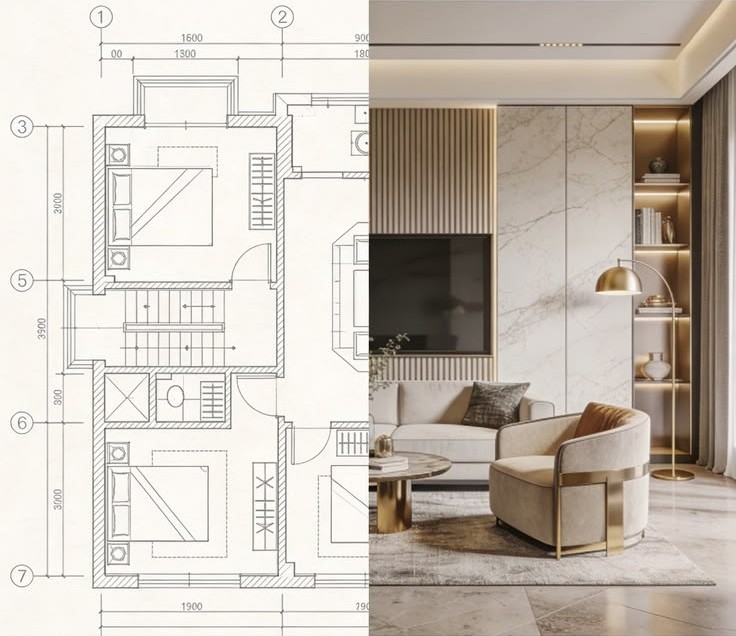
2D Lighting Plans in Dubai and Abu Dhabi for New Villa Construction
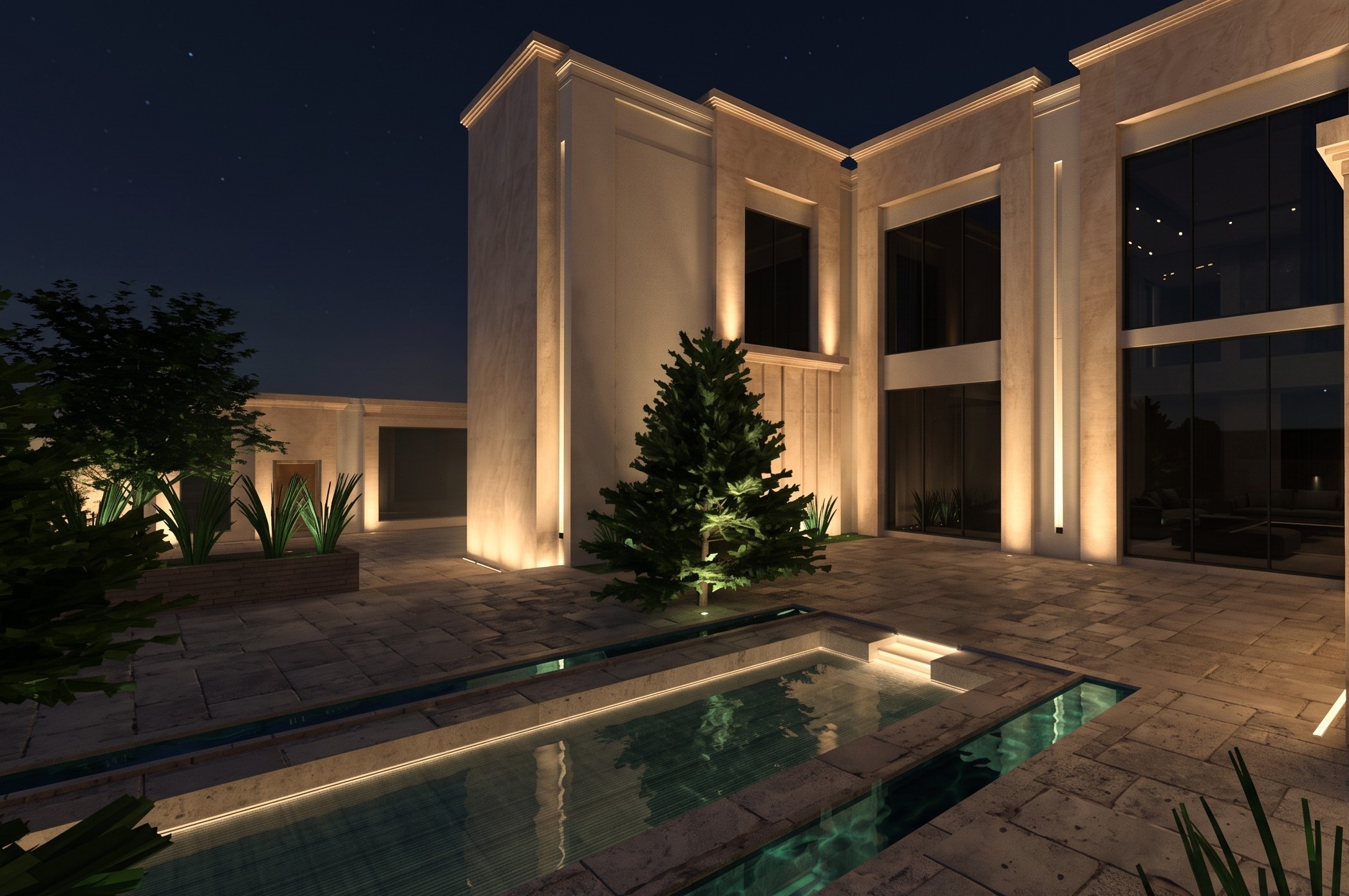
3D Lighting Design in Dubai and Abu Dhabi for Villas, Hotels, and Luxury Spaces
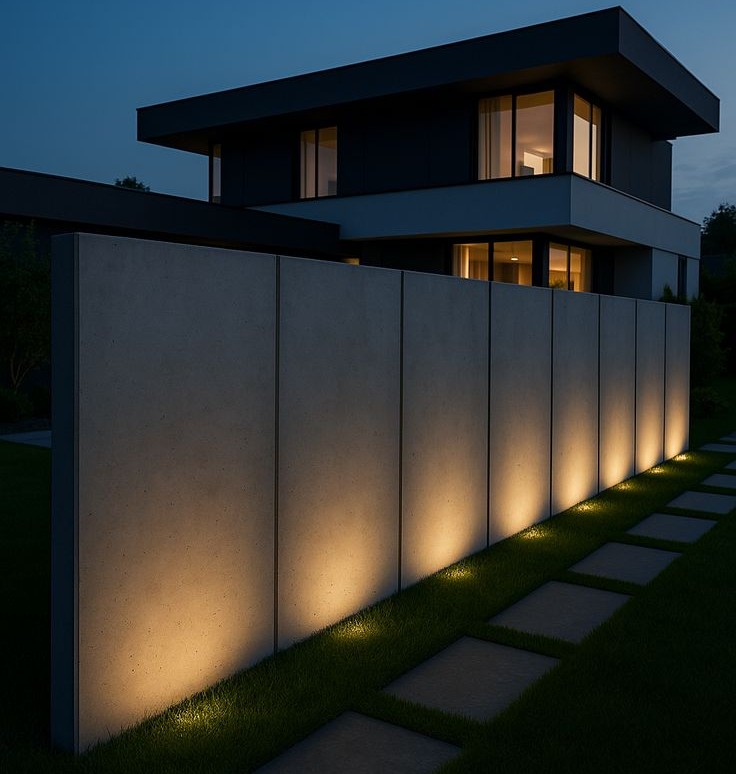
Architectural Lighting Design for Villas, Hotels, and Luxury Properties in UAE
DIALux Lighting Design Service for Dubai and Abu Dhabi Projects

Lighting Consultant In UAE: Services, Benefits, and Costs for Villas and Large Projects
Lighting Design for Large Residential Projects: Villas, Apartments, and Residential Towers in UAE
Lighting Design for Property Developers in Dubai: Residential and Commercial Projects
Skyscraper Facade Lighting in UAE: A Guide for CEOs, Contractors, and Architects


Wall Light Design in UAE for Homes & Villas

Staircase Light Design in UAE for Homes, Villas, & Large Malls


Light Installation in UAE for Homes, Villas, and Shops
