
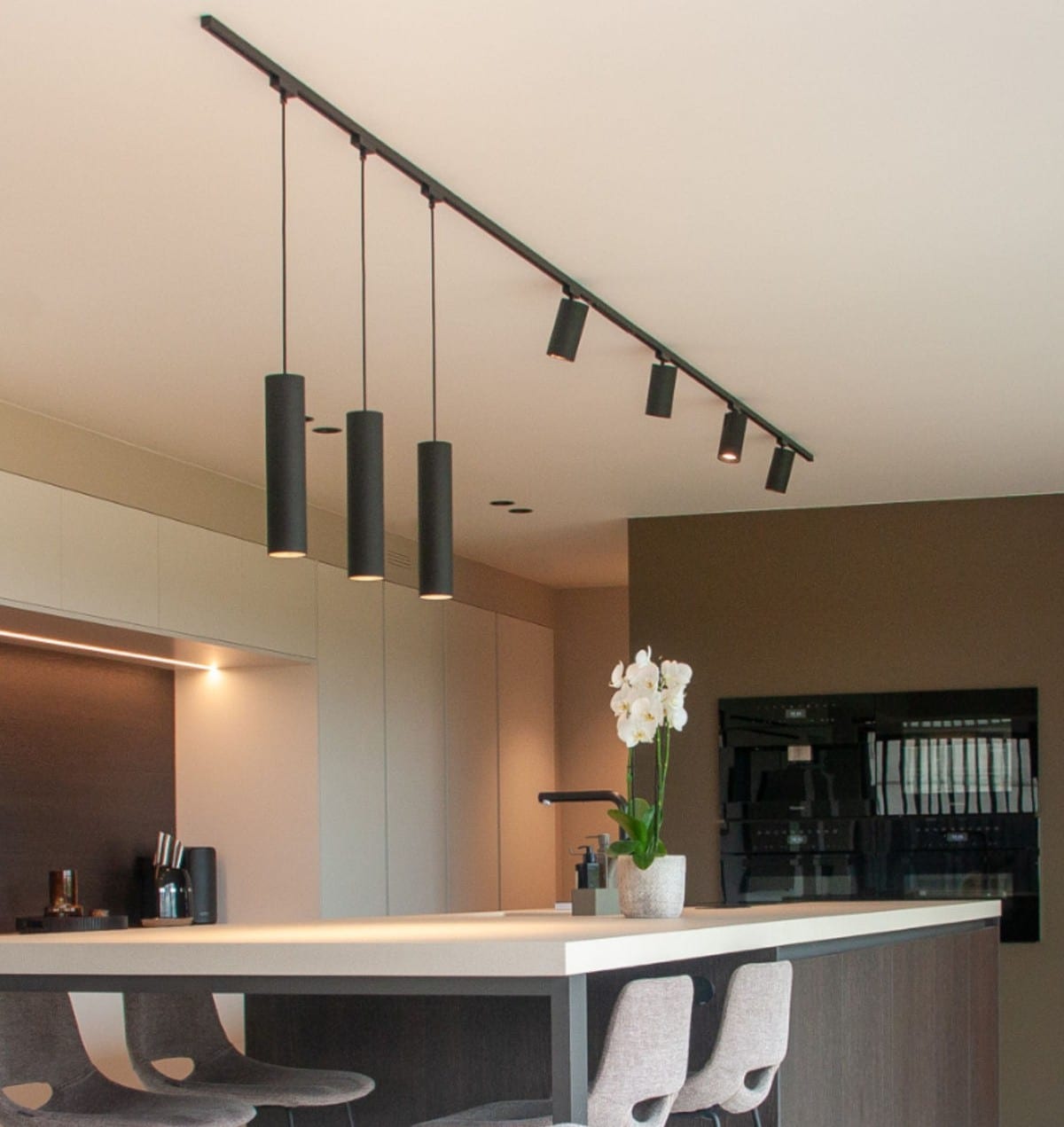
Track Lights in Dubai and Abu Dhabi: LED, Magnetic, and Mini Track Lights in 2027
There’s no doubt that many villa owners and property developers prefer track lights over other options.
After all, they offer a useful advantage over traditional ceiling fixtures: more freedom to direct the light where it’s needed.
You can highlight artwork today, redirect the light toward a different display next month, or add fixtures when the layout changes, all without redesigning the entire ceiling.
That flexibility makes track lighting a practical choice for contemporary villa lighting design.
The same is true for modern apartments, kitchens, retail stores, galleries, offices, and showrooms across Dubai and Abu Dhabi.
But not all track lighting systems work the same way. They are also not limited to indoor lighting design.
Traditional electrical tracks, magnetic tracks, recessed profiles, suspended rails, and miniature systems have different installation requirements and capabilities.
Choosing the right system means considering more than its appearance.
Voltage, fixture compatibility, beam angle, color temperature, glare, dimming, and ceiling construction all influence the result.
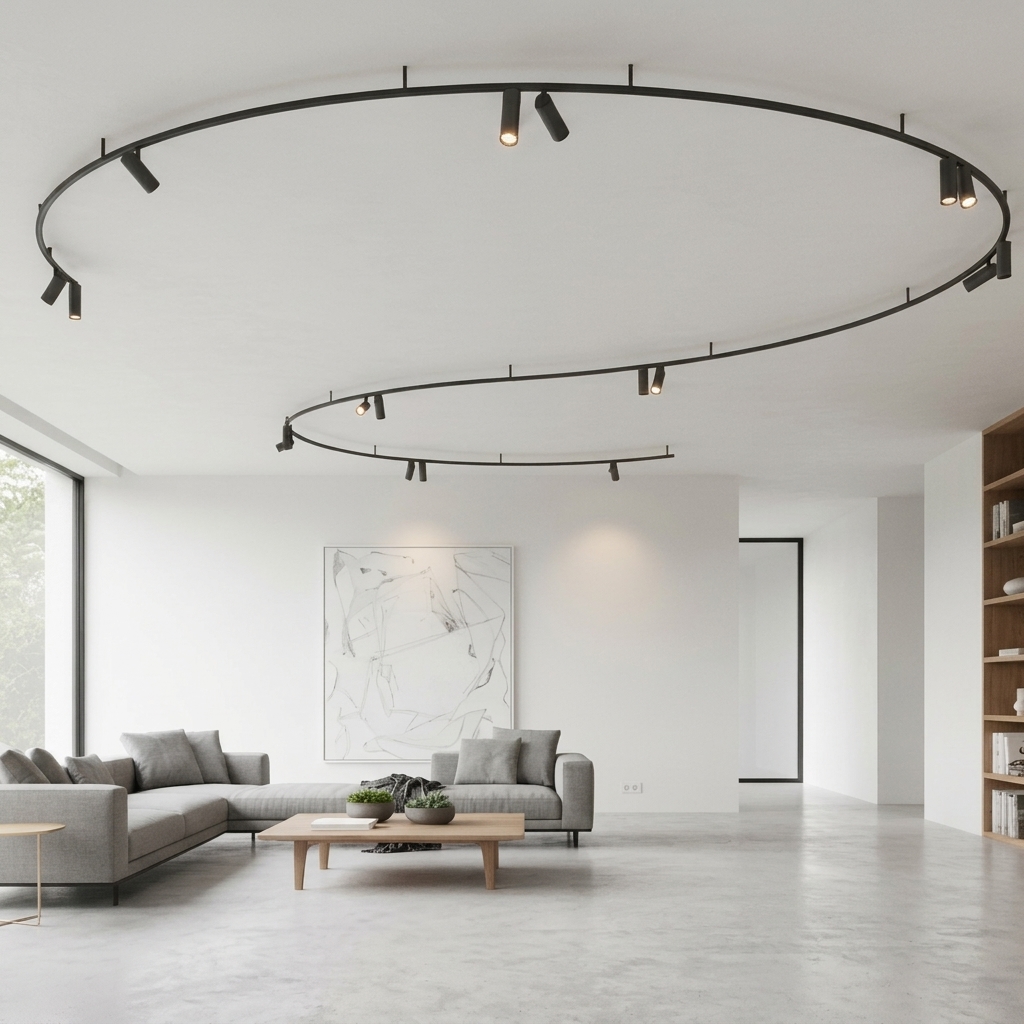
TRACK LIGHT SYSTEMS IN DUBAI AND ABU DHABI
A track lighting system consists of an electrically powered rail and compatible light fixtures that attach to it.
Depending on the system, you can move the fixtures along the rail, change their direction, replace them with different modules, or adjust the lighting as the space evolves.
This makes track lighting particularly useful when furniture, artwork, shelving, or merchandise may change after light installation.
What Is a Track Lighting System Actually?
The track provides both physical support and an electrical connection for compatible fixtures within a well-planned 2D or 3D lighting design.
The complete system may include the rail, spotlights, connectors, end caps, power feeds, mounting hardware, and control components.
A typical system can support spotlights, floodlights, linear modules, and certain compatible pendants.
However, you must select fixtures designed for that particular track family.
Two tracks may look similar but use different electrical connections or mechanical adapters.
A fixture from one system may not work with another, even if both manufacturers describe their products as track lights.
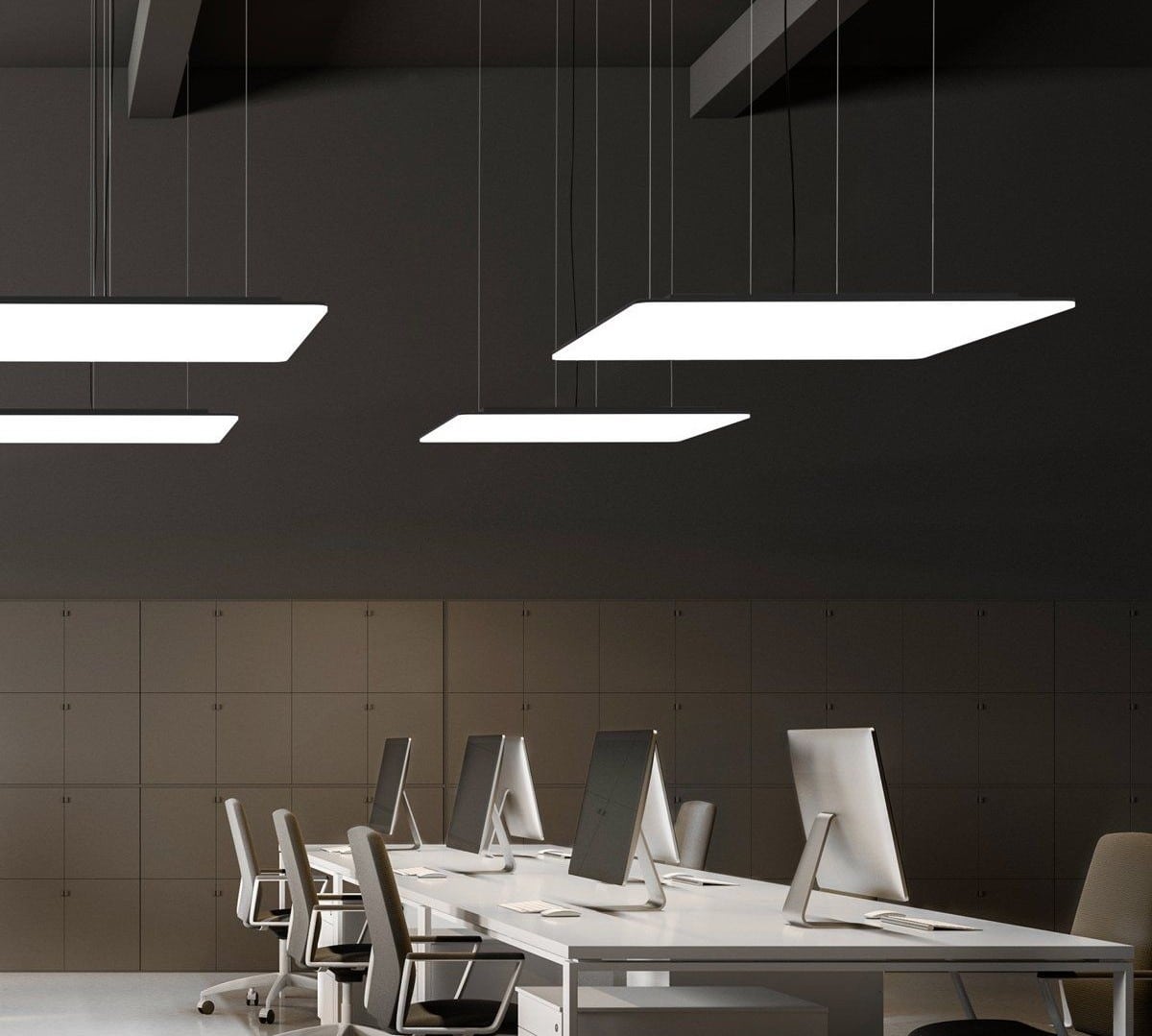
Regardless of its shape, track lighting remains a preferred alternative to large square LED ceiling fixtures for many property owners.
Single-Circuit and Three-Circuit Track Lighting
Mains-voltage track systems come in different circuit configurations.
A single-circuit system generally switches or controls its connected fixtures together, subject to the selected control arrangement.
It can work well in smaller rooms, residential spaces, and straightforward display applications.
Three-circuit systems allow compatible fixtures to connect to separate electrical circuits within one track.
This gives the lighting designer more flexibility when dividing lighting into independently controlled groups.
For example, a showroom could control general display lighting separately from feature lighting. The exact switching and dimming options depend on the track, fixtures, wiring, and controls.
Why Flexibility Matters?
Track lighting can adapt to changes without requiring new ceiling openings for every fixture adjustment.
A homeowner can redirect a spotlight toward a painting, while a retailer can move the emphasis from one product display to another.
A gallery can also adjust the lighting when it rearranges an exhibition.
The system still requires proper planning. The designer must consider the electrical load, mounting arrangement, fixture compatibility, and the direction of the light before installation.
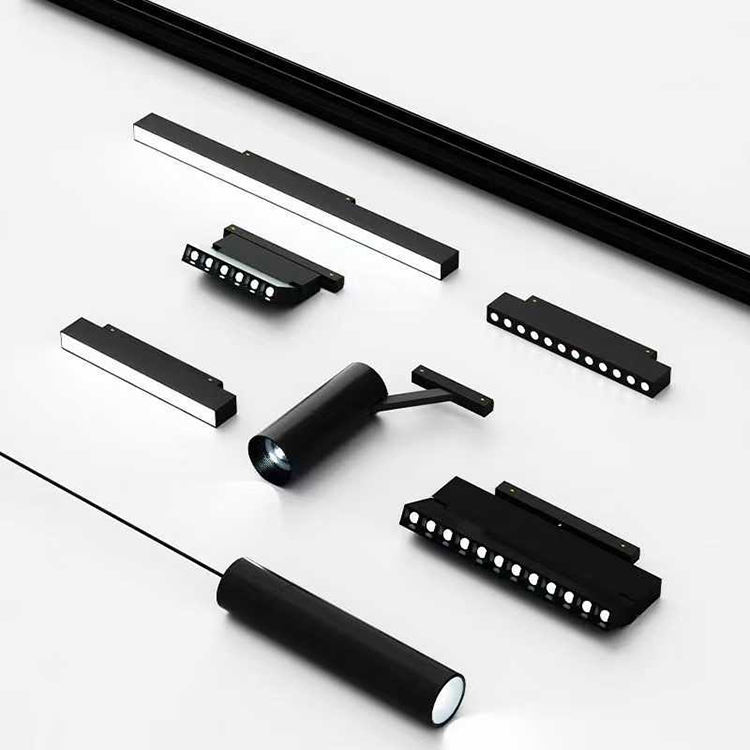
LED TRACK LIGHTING AND LIGHTS FOR TRACK LIGHTING
A track provides the infrastructure, but the fixtures determine what the light actually does.
The most useful design begins with the surfaces and objects you want to illuminate, then selects the appropriate optics and light output.
ERCO’s track-lighting guidance, for example, distinguishes between accent spotlights, adjustable beam distributions, and wallwashers. These products serve different purposes, even when they attach to the same type of track.
LED Track Spotlights for Focused Illumination
LED track spotlights work well for artwork, sculptures, decorative walls, retail displays, and selected architectural details.
A narrow beam can concentrate light on a relatively small object, while a wider beam can cover a larger display or surface.
The designer should consider the mounting height, distance from the target, fixture output, beam angle, and viewing direction.
A strong spotlight aimed poorly can create glare or distracting reflections rather than improving the display.
Floodlights and Wallwashers for Broader Coverage
Floodlight modules distribute light across a wider area. They can suit larger displays, shelving, feature walls, and spaces that need a broader spread of illumination.
Wallwashers serve a more specialized purpose. They distribute light across a vertical surface to create a relatively even appearance.
This can help a gallery wall, retail display, or architectural feature feel brighter without relying on multiple narrowly focused spots.
Linear Modules for a Clean Lighting Effect
Some track systems support linear LED modules that create a more continuous line of light.
These modules can complement spotlights in kitchens, contemporary living rooms, and commercial interiors.
The designer can combine them to provide general illumination while reserving focused beams for selected objects.
The final result depends on the track system’s available modules and the intended light distribution.
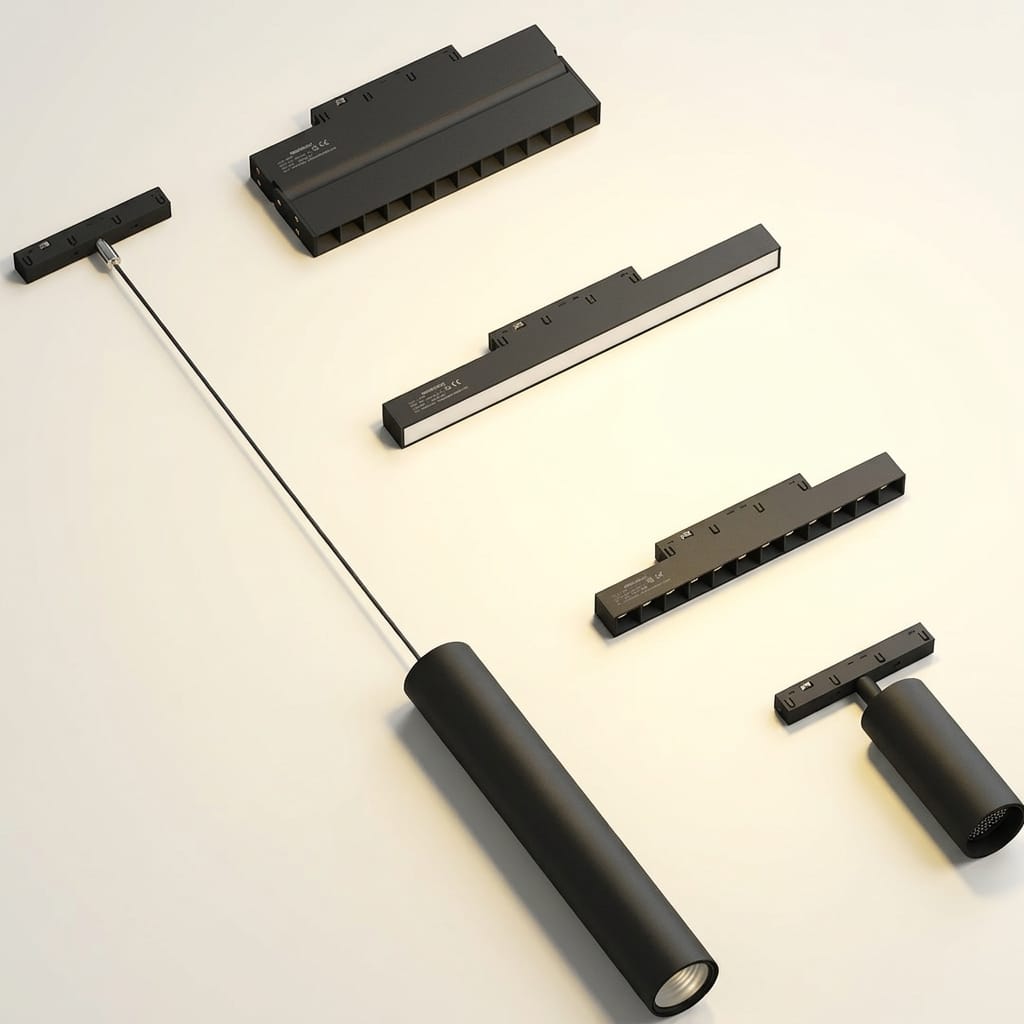
MAGNETIC TRACK LIGHT (48V SYSTEMS AND MINI TRACK LIGHTS)
Magnetic track lighting has become a familiar option in modern residential and commercial interiors because it combines a slim appearance with flexible fixture positioning.
Many architectural magnetic systems use a 48V DC track powered through a separate driver.
Compatible modules attach magnetically and make electrical contact through the track.
However, specifications differ between product families. Always confirm the actual voltage, power supply, fixtures, and installation requirements before purchasing a system.
How Magnetic Track Lighting Works?
The system usually includes a track profile, a compatible power supply, magnetic fixtures, connectors, and mounting accessories.
The installer connects the system according to the manufacturer’s instructions.
Once installed, compatible light modules can often be repositioned or replaced without rewiring each individual fixture.
That arrangement can help when a room’s furniture or display layout changes.
It also allows designers to combine different types of light within one coordinated profile.
Magnetic systems still have electrical and mechanical limits.
The installer must confirm the permitted load, driver capacity, connector compatibility, and mounting arrangement.
Mini Magnetic Track Lights for Minimal Interiors
Mini magnetic track lights use compact profiles and small fixtures to create a more discreet appearance.
They can suit contemporary villas, apartments, galleries, and retail spaces where the designer wants focused illumination without a visually dominant ceiling system.
Depending on the product family, the modules may include small spotlights, linear lights, wallwashers, or pendant-style fixtures.
The designer should avoid choosing a mini system based on appearance alone.
Smaller fixtures still need to deliver suitable light output and distribution for their intended application.
They can also be integrated into lighting control systems such as DALI lighting systems, provided the fixtures and drivers are compatible.
Magnetic Versus Traditional Track Systems
Magnetic and traditional track lighting serve many of the same purposes, but their electrical arrangements and fixture connections differ.
Magnetic systems often use lower-voltage rails and compact modules. Conventional systems may provide different circuit configurations and a wider selection of fixtures within a particular product family.
Neither option suits every project automatically. The choice depends on the required appearance, control features, available modules, installation conditions, and budget.
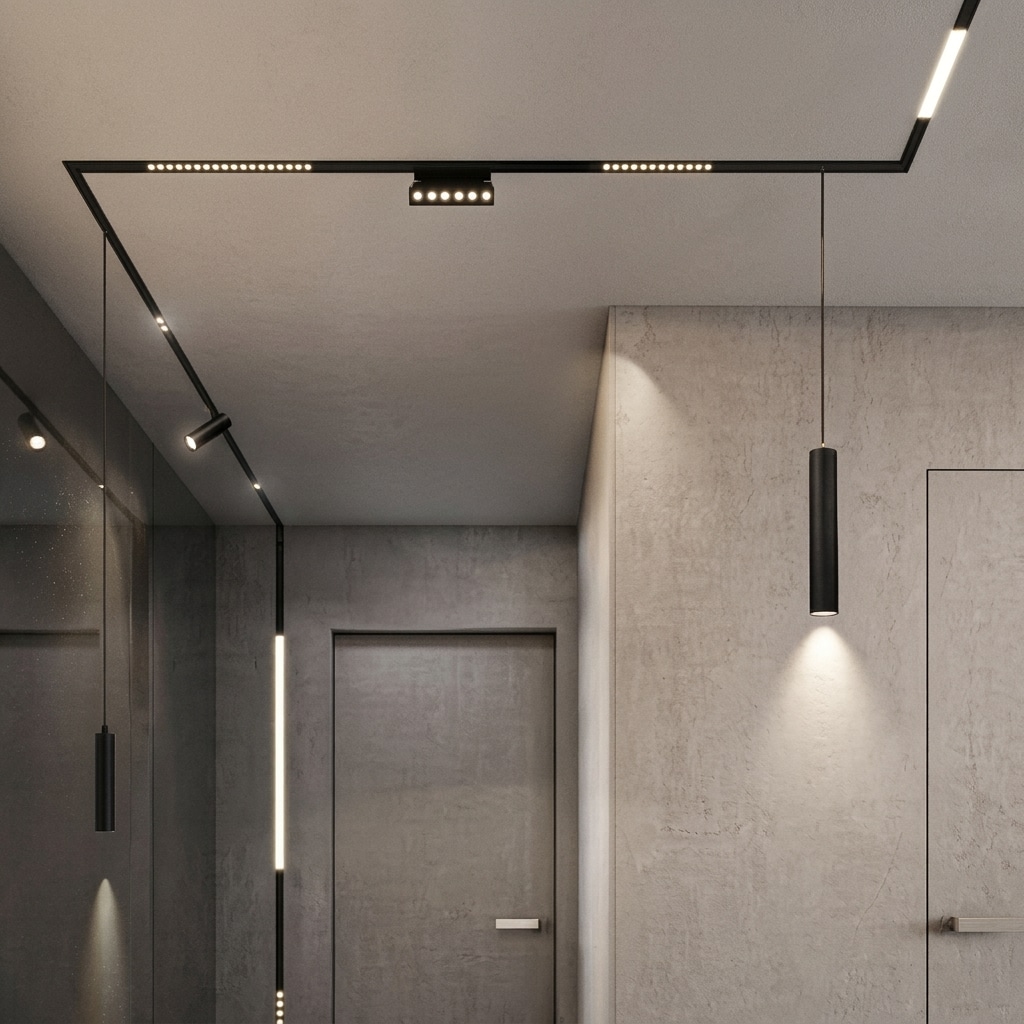
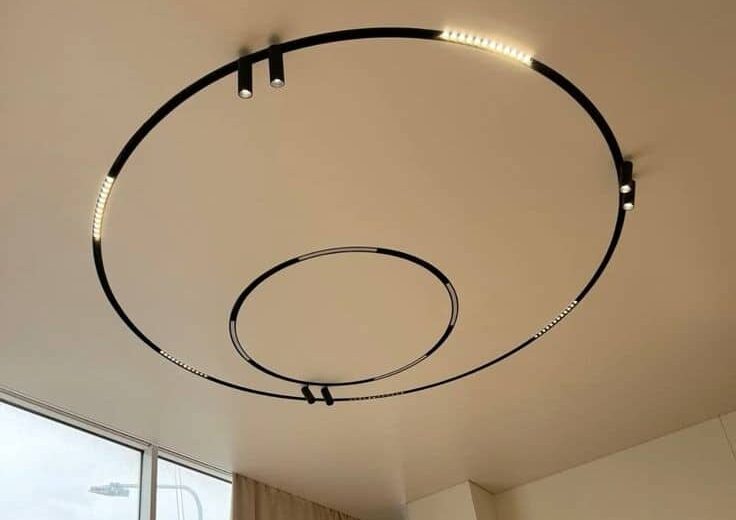
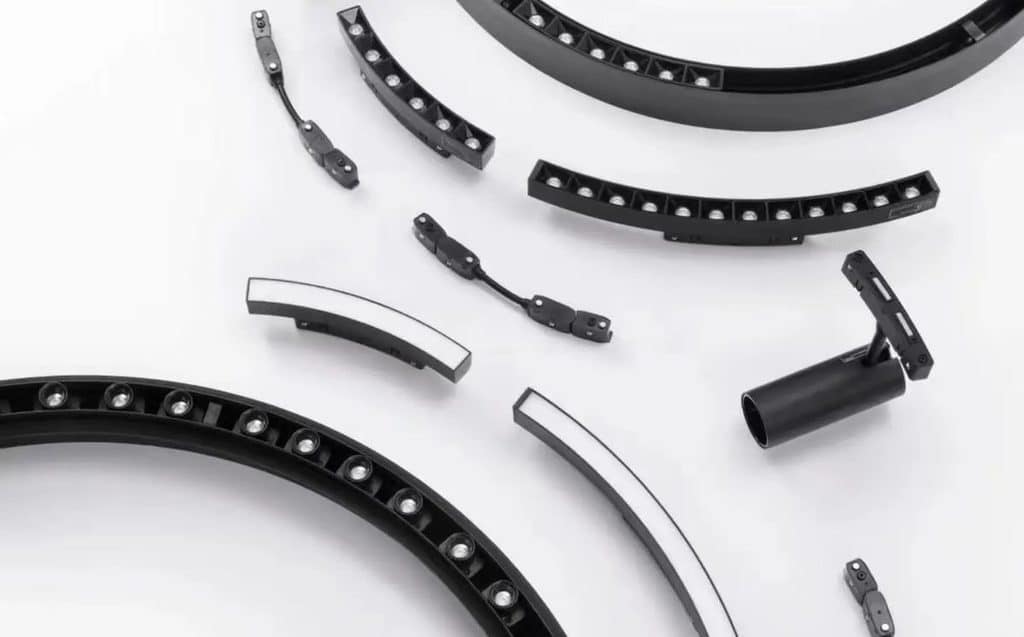
CEILING TRACK LIGHT FIXTURE (RECESSED, SURFACE-MOUNTED, AND SUSPENDED)
The way a track attaches to the ceiling changes both its appearance and installation requirements.
A recessed profile can almost disappear into the ceiling, while a surface-mounted rail creates a visible architectural line.
A suspended track brings the lighting closer to the area it illuminates.
The ceiling structure and construction sequence should guide this decision.
Recessed Track Lighting for a Clean Ceiling Line
Recessed track lighting sits within a ceiling opening or a purpose-designed recess.
This arrangement can create a continuous architectural line while reducing the visible profile of the system. It often suits contemporary villas, luxury apartments, galleries, and carefully coordinated interiors.
The critical detail is timing. Recessed tracks may require a dedicated installation frame or profile before the gypsum ceiling receives its final finish.
If the team chooses the track after finishing the ceiling, the installer may need additional cutting and finishing work. Agree on the track layout early, especially when the design includes trimless edges or miniature profiles.
Low Profile Track Lighting for Minimalist Spaces
Low profile track lighting uses a shallow or compact form to reduce the system’s visual presence.
It can work well in spaces where a conventional track would look too heavy, or where ceiling depth limits the available installation options.
Miniature magnetic systems often fall into this design category, although actual dimensions vary between manufacturers.
Before specifying a low-profile product, check the track depth, fixture dimensions, driver location, mounting accessories, and required clearance above the ceiling.
Suspended Track Lighting for High Ceilings
Suspended track lighting hangs from the ceiling using suitable suspension hardware.
This can help position the fixtures closer to the intended target in rooms with high ceilings, exposed structure, or vaulted forms.
Suspension can also become part of architectural design.
For example, a long track above a dining table or showroom display can visually organize the space.
The installation requires suitable mounting points, correct suspension lengths, electrical coordination, and attention to the track’s loading limits.
Surface-Mounted Tracks for Existing Interiors
Surface-mounted track lighting offers a practical option when the ceiling cannot accommodate recessed installation.
The track attaches directly to a suitable surface, which can make installation easier in existing apartments, offices, and renovated properties.
However, the rail remains visible, so its finish and alignment contribute to the room’s appearance. Plan the route carefully around ceiling services, beams, and other architectural details.
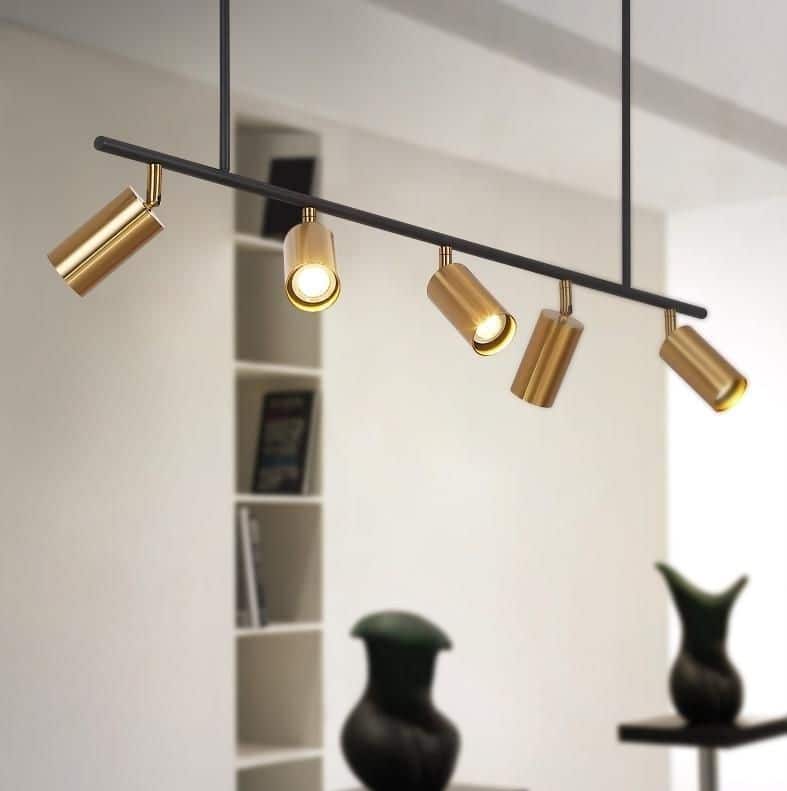
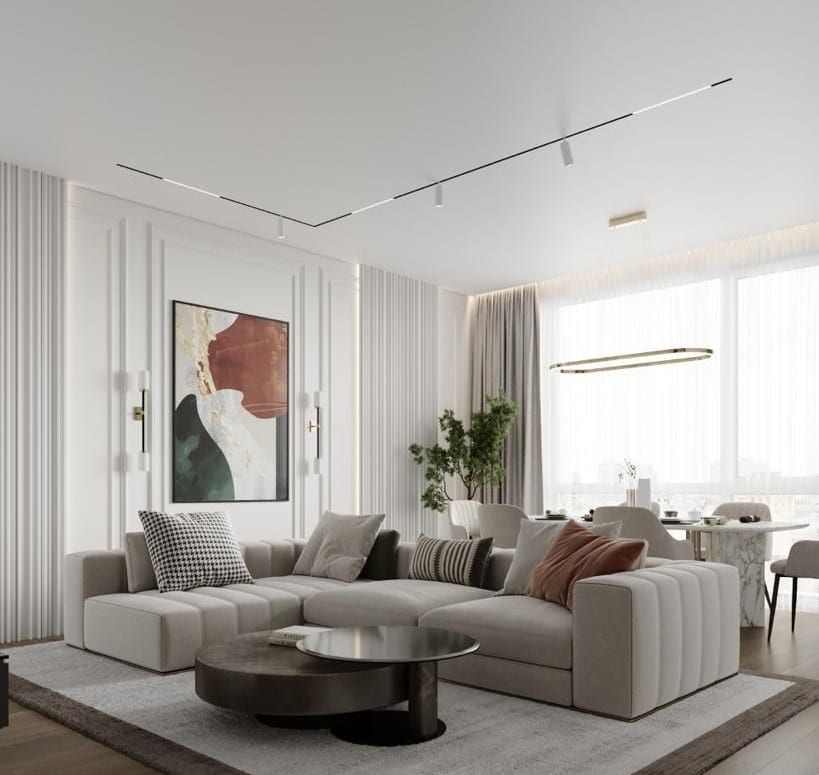
MODERN TRACK LIGHTING (BLACK, WHITE, BRASS, AND GOLD FINISHES)
Track lighting can act as a functional system or an intentional part of the interior design. The rail’s color and the fixture finish influence how visible the installation becomes.
The right choice depends on the ceiling, walls, furniture, hardware, and overall visual concept.
Black Track Lighting for Contemporary Interiors
Black track lighting creates a clear visual line against a light ceiling.
Designers often use it in modern apartments, galleries, studios, and retail interiors where they want the lighting system to remain visible.
Black fixtures can also connect with dark window frames, metal details, or other architectural elements.
However, a dark track can create strong contrast if the ceiling and walls are very light. The designer should decide whether this contrast supports the intended style or distracts from the rest of the room.
White Track Lighting for a Discreet Appearance
White track lighting can blend into white or pale ceilings and help reduce the visual prominence of the rail.
This makes it useful when the designer wants the illuminated objects to attract attention rather than the lighting infrastructure itself.
White finishes can also complement minimalist interiors with restrained decorative details.
The finish should suit the surrounding surfaces, including the ceiling color and texture. A noticeable mismatch between the track and ceiling can make even a simple installation look less coordinated.
Brass Track Lighting for Warm Materials
Brass track lighting can complement warm metal finishes, timber, natural stone, and interiors with decorative metal detailing.
The visual effect depends on the actual finish. Brushed brass, polished brass, and brass-colored coatings can look quite different under the same light.
Before committing to a finish, compare product samples with nearby hardware and interior materials. Also confirm how the manufacturer recommends cleaning and maintaining the surface.
Gold Track Lighting for Decorative Interiors
Gold track lighting can introduce a more decorative character into luxury interiors, boutique retail spaces, or showrooms.
It may work well alongside gold-toned hardware, warm metallic details, or carefully selected decorative fixtures.
The design should avoid using too many competing finishes. A coordinated palette usually produces a more intentional result than mixing several metallic colors without a clear plan.
TRACK LIGHTING PENDANTS IN UAE
Track lighting can accommodate more than spotlights as we will see next.
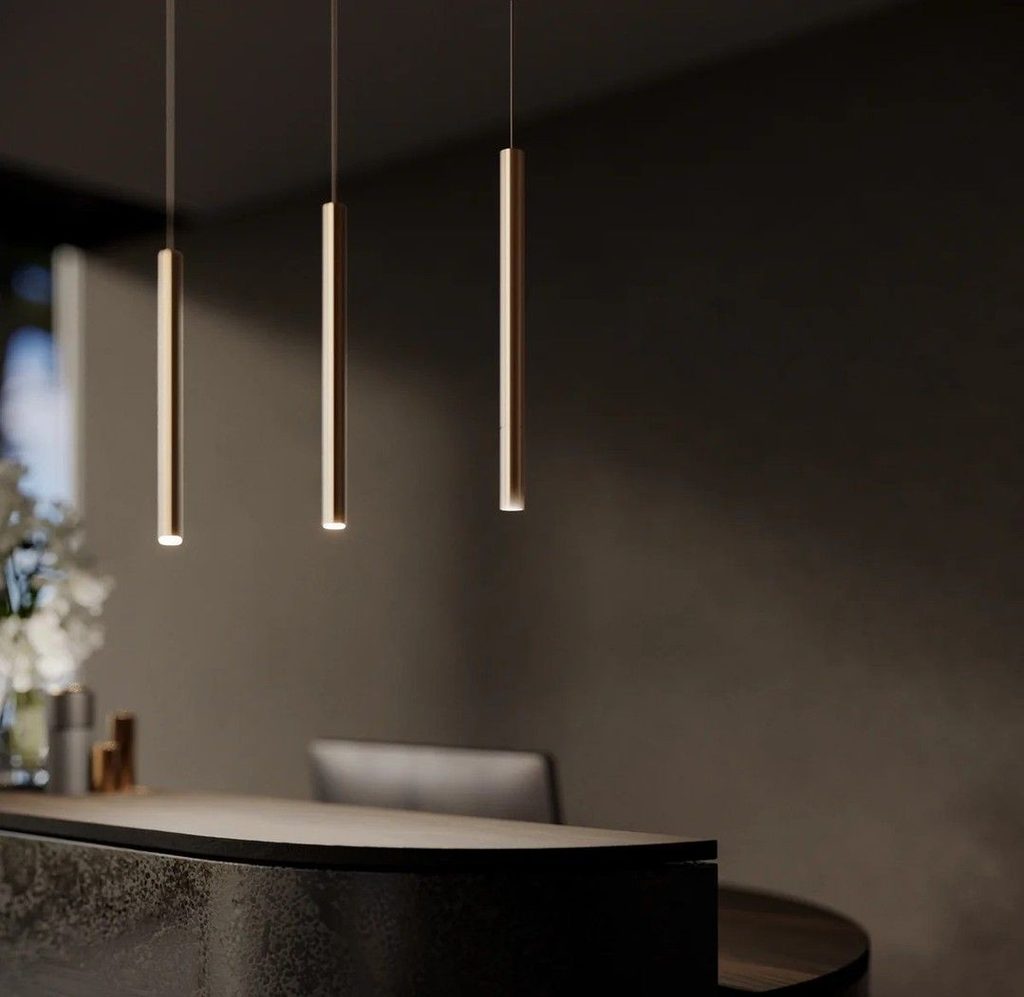
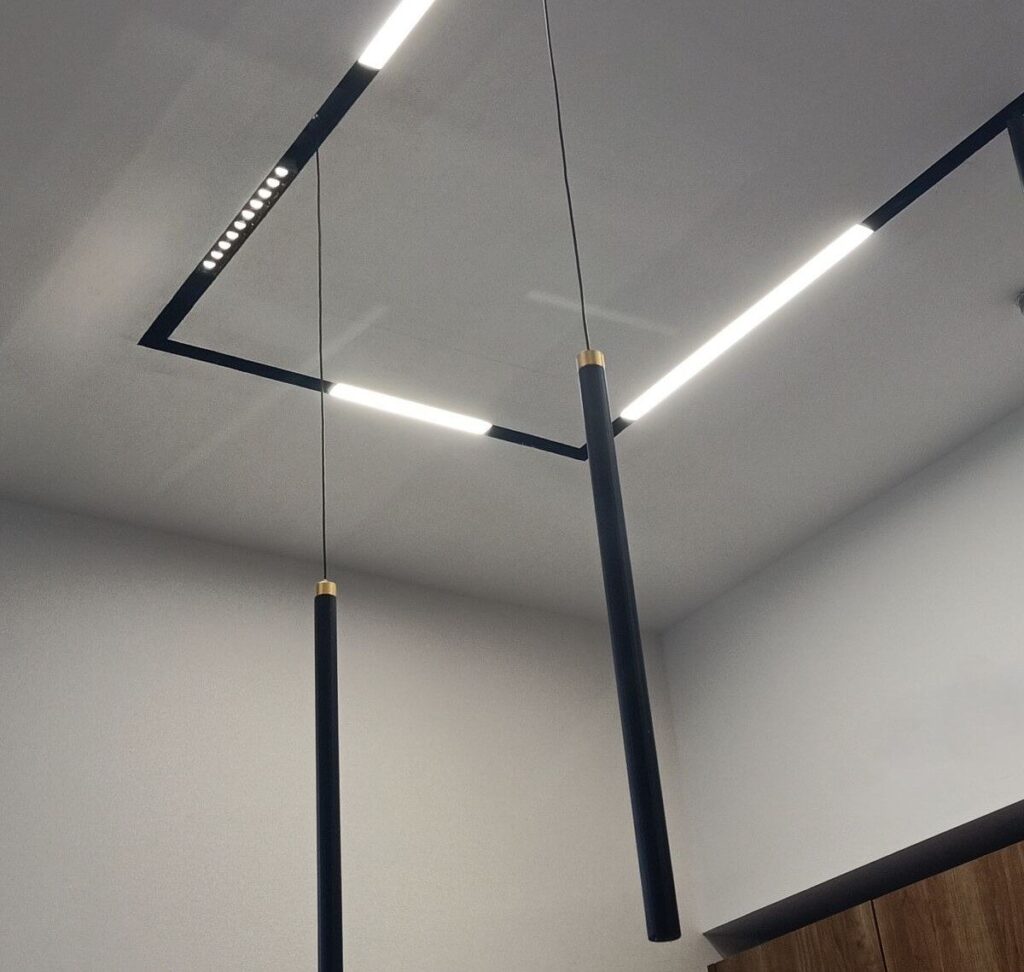
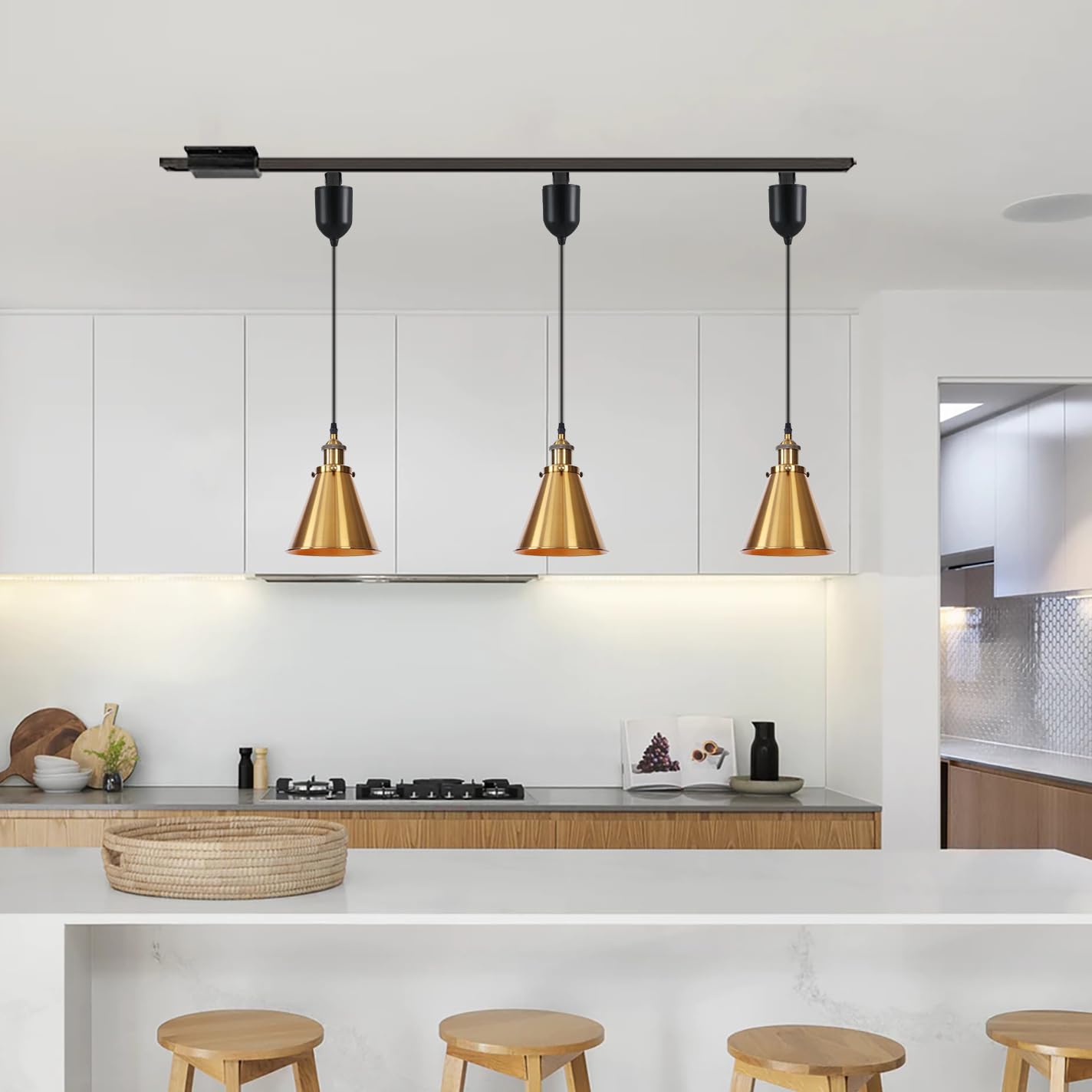
Some systems support compatible pendant adapters, allowing the designer to hang decorative fixtures from the track.
This can be useful above dining tables, kitchen islands, counters, and selected display areas.
Pendants Above Tables and Counters
A pendant can establish a visual center above a table or counter while the surrounding track carries adjustable spotlights.
This combination lets the designer provide both decorative illumination and more focused light where needed.
The fixture’s dimensions, suspension length, viewing angles, and light output should suit the furniture below it.
Before purchasing a pendant, verify that the manufacturer supports the relevant track adapter and that the electrical and mechanical connections match the chosen system.
One Track, Different Lighting Effects
Some track systems support spotlights, linear modules, and pendant fixtures within the same product family.
That gives the designer the option to create a coordinated appearance without using identical luminaires everywhere.
However, the available combinations depend on the manufacturer’s range. Confirm that the proposed modules and accessories work with the exact track model.
KITCHEN TRACK LIGHTING (ISLANDS, COUNTERS, AND DINING AREAS)
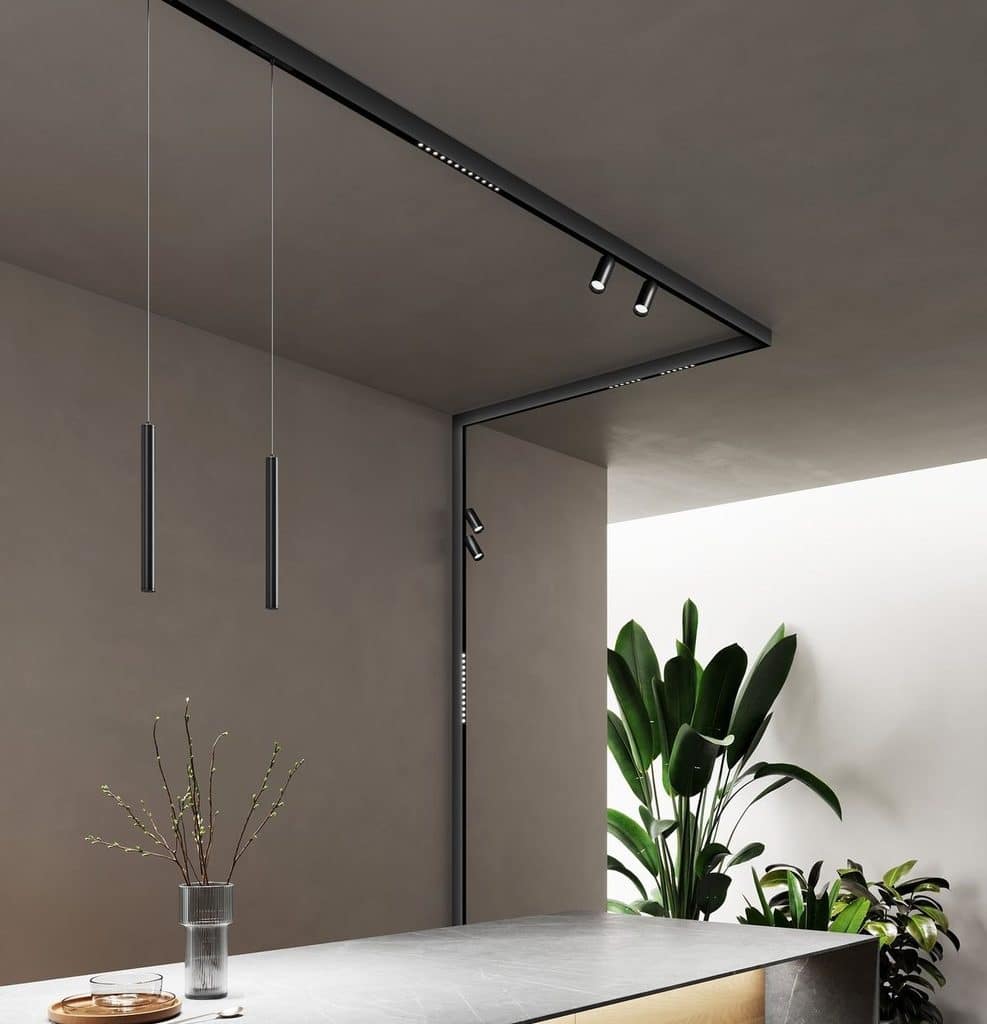
Kitchen track lighting can provide flexibility in a room where the activities and furniture arrangements often determine the best direction of light.
The system may illuminate worktops, a kitchen island, a dining table, or selected wall features.
It should still work with the kitchen’s general lighting and under-cabinet illumination.
Positioning Track Lights Above Work Surfaces
A kitchen layout should guide the track position.
The designer should consider cabinet depth, countertop location, island dimensions, and the direction from which people approach the workspace.
The goal is to illuminate the working surface without casting unnecessary shadows or shining directly into the user’s eyes.
A spotlight aimed too far forward may create glare. A fixture placed behind the user may cast a shadow over the countertop.
Reviewing the actual layout helps determine a more suitable position.
Combining Spotlights and Linear Modules
Spotlights can provide focused illumination, while linear modules may offer broader light distribution across an island or counter.
Some kitchens benefit from a combination of both. Separate control groups can help the homeowner adjust the lighting for food preparation, dining, and evening use.
The design should also consider how track lighting interacts with pendant fixtures, recessed downlights, and under-cabinet lights.
Color Quality and Glare
Kitchen surfaces can include polished stone, glossy cabinets, stainless steel, and glass. These materials may reflect bright sources and create visual distractions.
The designer should consider fixture optics, aiming, light distribution, and dimming compatibility. Suitable color rendering also helps reveal the appearance of food, timber, stone, and other finishes.
COMMERCIAL TRACK LIGHTING FOR SHOPS, OFFICES, GALLERIES, AND SHOWROOMS
Commercial track lighting works particularly well where displays or work areas may change over time.
Retail stores can redirect the light toward new merchandise, galleries can adapt the lighting for different exhibitions, and showrooms can emphasize different products as their displays change.
The key advantage is flexibility, but the system still needs a deliberate lighting plan.
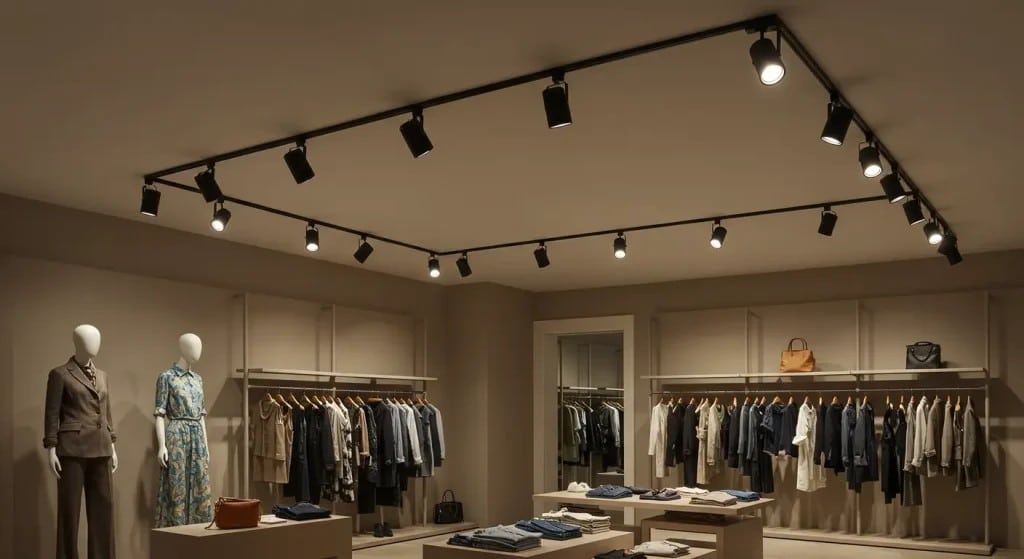
Retail Stores and Product Displays
Track spotlights can highlight clothing, furniture, jewelry, electronics, and other merchandise.
Narrow beams can emphasize smaller objects, while broader distributions can cover larger displays.
Wallwashers can illuminate vertical surfaces and help create a more balanced appearance.
The designer should also consider glare and reflections. A bright spotlight can produce an unwanted reflection on glass or glossy packaging if the angle doesn’t suit the display.
Galleries and Art Spaces
Galleries often need to adapt the lighting as artwork moves or exhibitions change.
Track lighting allows the team to reposition compatible fixtures and adjust the beam direction. Some systems also support interchangeable optics, giving the designer more control over how light falls on each object.
Artwork may have specific lighting constraints, so the designer should consider the material, viewing distance, desired contrast, and any applicable conservation requirements.
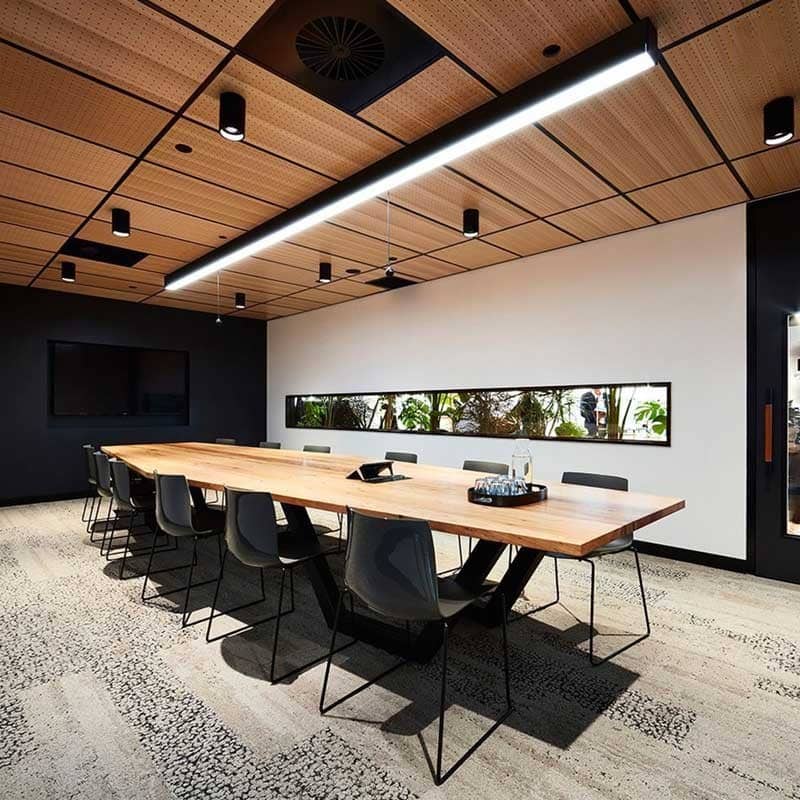
Offices and Collaborative Spaces
Track lighting is a common feature of modern office lighting design.
After all, it provides focused illumination in selected offices, meeting areas, reception spaces, and collaborative workspaces.
It may also help highlight walls, signage, or architectural details without treating every part of the ceiling identically.
The designer should still evaluate the overall illumination and glare.
Track spotlights alone may not provide the best general lighting for every workstation or screen-based environment.
Choosing a Commercial Track System
For commercial projects, the supplier should document the fixtures, circuit arrangements, connectors, control options, and replacement availability.
Maintenance matters because commercial properties may operate for long hours and require quick service.
A coordinated system makes it easier to identify the correct components when a fixture needs replacement.
JUNO TRACK LIGHTING AND HALO TRACK LIGHTING
Juno and HALO are established track-lighting product families, but brand recognition alone doesn’t establish that a specific model suits a UAE installation.
Their official product information covers different track systems, fixtures, connectors, and accessories. The exact product specification determines its compatibility and application.
Juno Track Lighting
Juno offers several track-lighting products, including different rail configurations and compatible fixtures.
When considering Juno track lighting for a project in Dubai or Abu Dhabi, review the exact system model, electrical rating, connector type, dimming arrangement, and regional availability.
Some Juno product families use North American electrical specifications.
Do not assume that a product designed for one market will connect directly to the UAE’s electrical installation.
The supplier should confirm the exact model’s suitability and provide the relevant technical documentation before ordering.
HALO Track Lighting
HALO, part of Cooper Lighting Solutions, also offers track systems and a range of compatible track heads and accessories.
Its product portfolio includes different system types and fixture options, but the same compatibility checks apply.
The track and fixture must belong to a compatible product family and meet the installation’s electrical requirements.
For projects in the UAE, ask the supplier to confirm the exact model, voltage, control options, product approvals, and availability of replacement parts.
Why Compatibility Is More Important Than the Brand Name?
Track systems can use different mechanical adapters, electrical contacts, circuit arrangements, and control methods.
A fixture may not fit a rail from another product family, even if the connector appears similar.
A compatible mechanical connection also doesn’t guarantee that the voltage or control system matches.
Before procurement, verify the track model, fixture model, electrical rating, connector, mounting method, and control compatibility as one complete specification.
OUTDOOR TRACK LIGHTING IN UAE
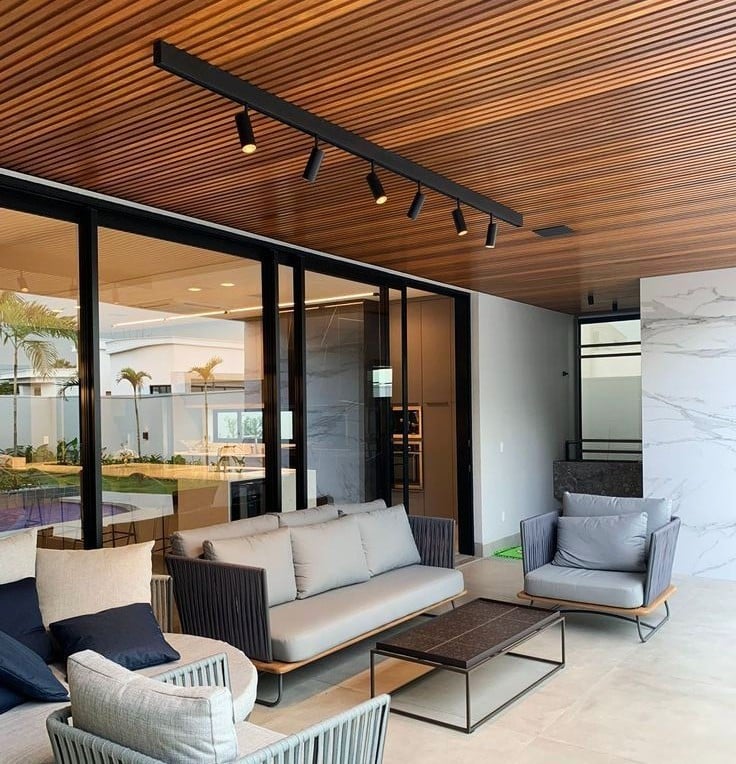
Track lighting usually serves indoor architectural applications, but some projects may require track-mounted fixtures in suitably protected exterior or semi-outdoor locations.
The important distinction is that an indoor track system does not automatically become suitable for outdoor use simply because the fixtures have an attractive finish.
Where Outdoor Track Lighting May Be Suitable?
A suitably specified system may serve an exterior retail canopy, a protected architectural feature, or another location where the manufacturer permits the installation.
The designer should review the actual environmental conditions, including exposure to moisture, dust, heat, and other relevant factors.
A covered location can still experience humidity, wind-driven rain, or condensation. The complete installation must suit the real exposure rather than relying only on the fact that a roof covers it.
Check the Entire System
Outdoor suitability depends on the track, fixtures, connectors, power supply, drivers, wiring, and mounting accessories.
The team should verify the product’s ingress protection rating, operating-temperature range, corrosion resistance where relevant, and installation instructions.
For an exterior application, confirm that the manufacturer explicitly approves the complete system for that location.
Coordinate Maintenance and Safety
Outdoor track systems need practical access for inspection and servicing. The mounting arrangement should also suit the support structure and expected environmental exposure.
A qualified installer should follow the manufacturer’s instructions and the applicable local electrical requirements.
When the product documentation doesn’t establish outdoor suitability, choose a purpose-designed exterior lighting solution instead.
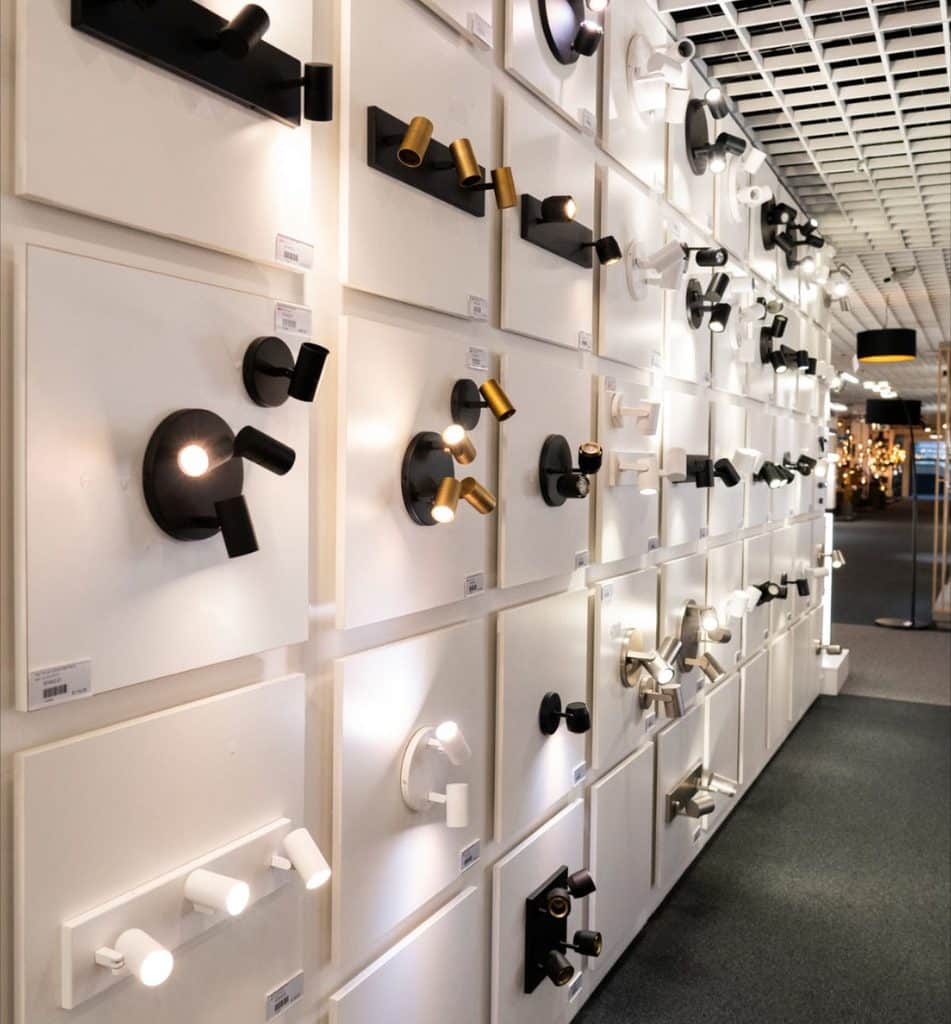
TRACK LIGHTING COST IN DUBAI AND ABU DHABI IN 2027
Track lighting costs in UAE depend on the system type, track length, number of fixtures, installation method, and level of finish.
A short run with a few standard spotlights requires a different budget from a recessed magnetic track system designed for a luxury villa or a large property development. Approximate costs for track lighting systems:
- Standard single-circuit track lighting: AED 350–600 per linear meter.
- Three-circuit track lighting: AED 450–800 per linear meter.
- Magnetic track lighting: AED 700–1,500 per linear meter.
These are indicative supplier estimates, not fixed market rates. Confirm whether the quotation includes fixtures, accessories, dimming equipment, and installation before comparing prices.
For residential installations, published Dubai project-budget examples include:
- Kitchen island and dining area: AED 1,300–2,600 for a 3-meter track with five spotlights.
- Living room: AED 1,900–3,600 for a 4-meter magnetic track with six spotlights.
- Gallery wall or larger display area: AED 3,600–6,600 for an 8-meter, three-circuit track with 18 spotlights.
These examples provide a starting point for homeowners planning track lighting around kitchens, living rooms, artwork, and other feature areas.
Your actual quotation may vary with the selected fixtures, ceiling conditions, and installation requirements.
If you’re comparing product-only prices, UAE suppliers list individual magnetic track components at relatively accessible prices.
For example, selected magnetic spotlights from local catalogs cost approximately AED 70–150 each.
A 48V magnetic track rail may cost around AED 40–80, while connectors and other accessories carry additional charges.
These prices apply to specific products, not completely installed systems. The total may also include power supplies, drivers, connectors, mounting accessories, electrical work, and installation.
For property developers and owners planning larger villas, request an itemized quotation based on the final lighting layout.
Ask the supplier to separate the track, fixtures, power supplies, controls, installation, and any ceiling work so you can compare proposals on a consistent basis.
Our recommendation: Choose the track system during the lighting design stage, especially if you want recessed magnetic profiles. Coordinating the system before the gypsum ceiling is completed can help avoid unnecessary cutting, finishing work, and installation changes.
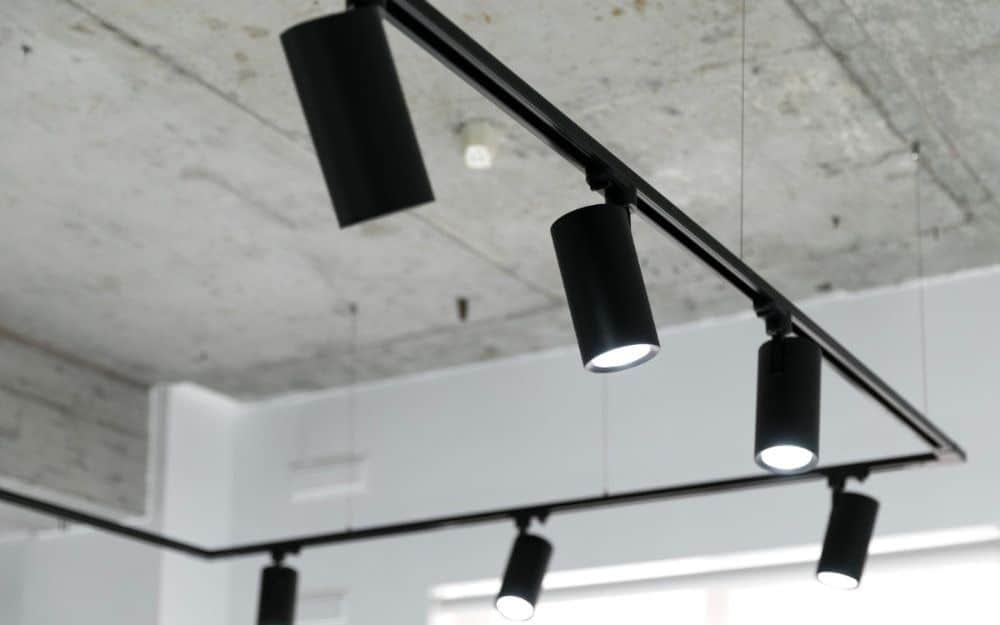
FINAL THOUGHT
Track lighting gives homeowners, architects, retailers, and developers a flexible way to direct light where it matters.
The same basic idea can work in a contemporary villa, above a kitchen island, across a gallery wall, or throughout a commercial showroom.
The best results come from matching the track system to the space. Voltage, mounting method, fixture optics, color, controls, and installation requirements all deserve attention before procurement.
For projects in Dubai and Abu Dhabi, early coordination is especially useful when the design includes recessed profiles, miniature magnetic rails, suspended tracks, or integrated ceiling details.
A coordinated approach helps clients select compatible products, plan the installation, and achieve a lighting arrangement that suits the architecture and intended use of the space.


Related Posts
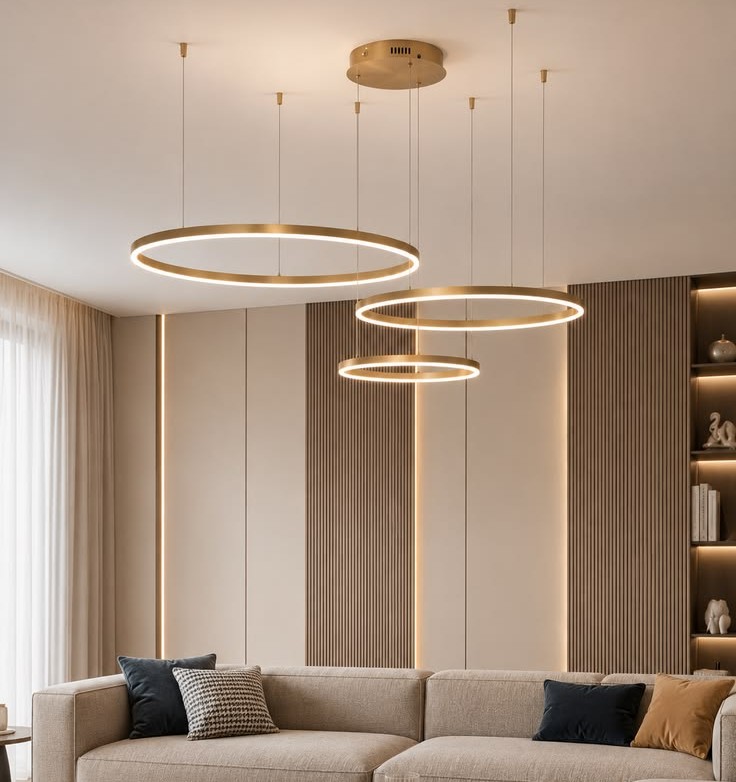
Villa Lighting Cost in Dubai and Abu Dhabi in 2027
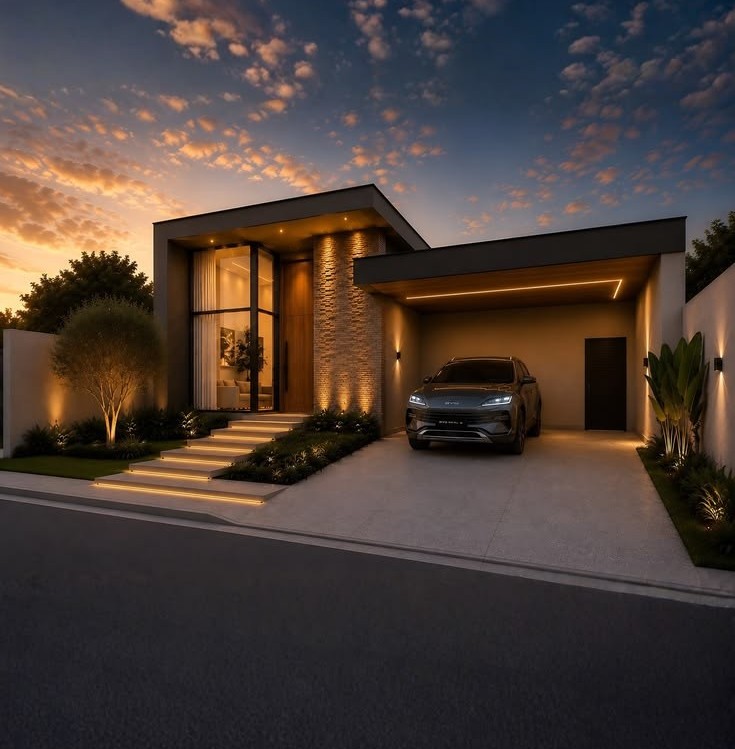
Villa Facade Lighting in Dubai and Abu Dhabi: 3D Design, Outdoor LED Supply, and Installation in 2027
Tower Lighting in Dubai and Abu Dhabi: Design, Supply, and Cost in 2027
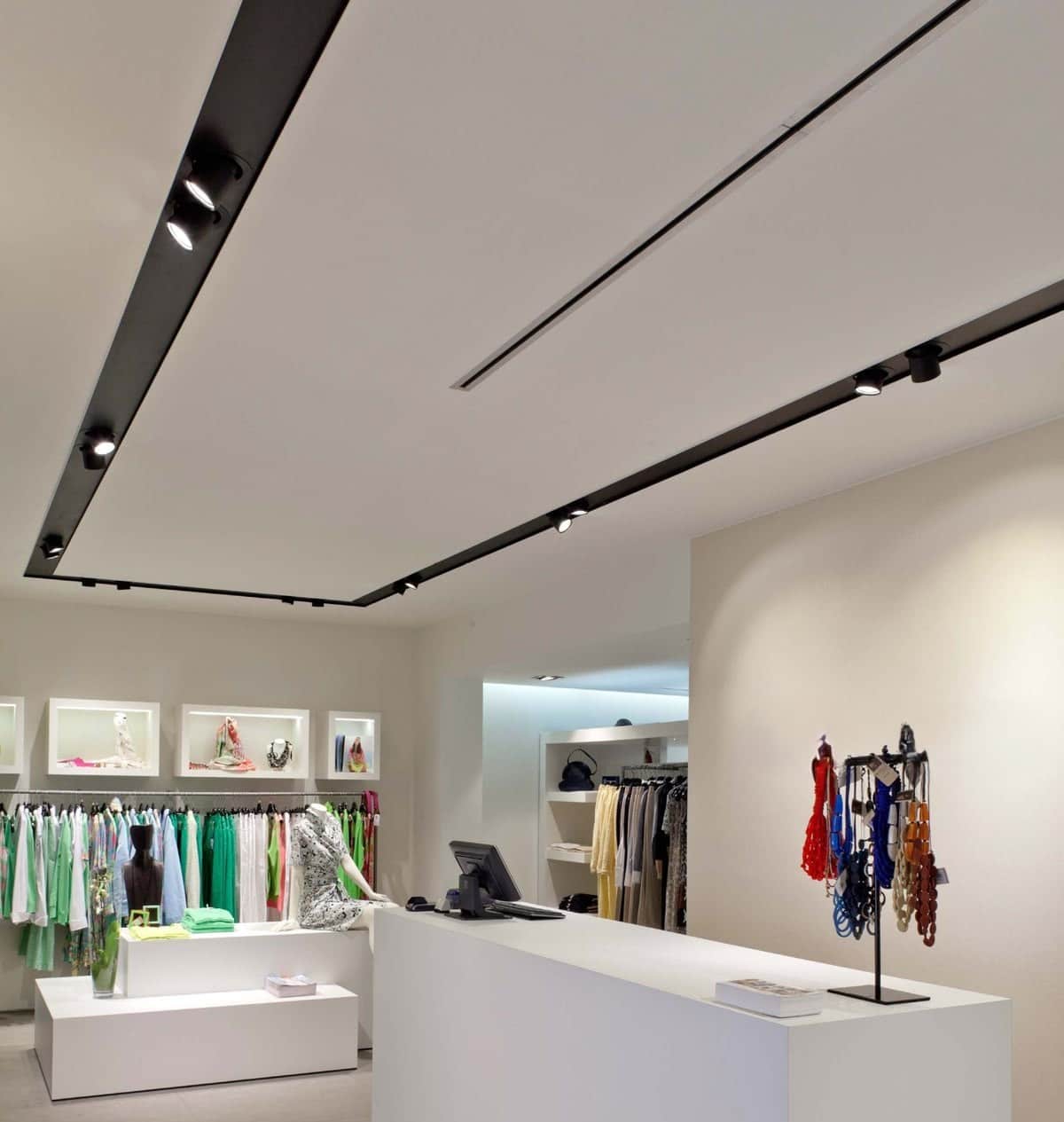
Retail Lighting Design in Dubai and Abu Dhabi: For Shops, Showrooms, and Malls
Office Lighting in Dubai and Abu Dhabi: For Modern Corporate Workspaces in 2027
Villa Lighting Projects in Dubai and Abu Dhabi: 3D Design, Supply, and Installation
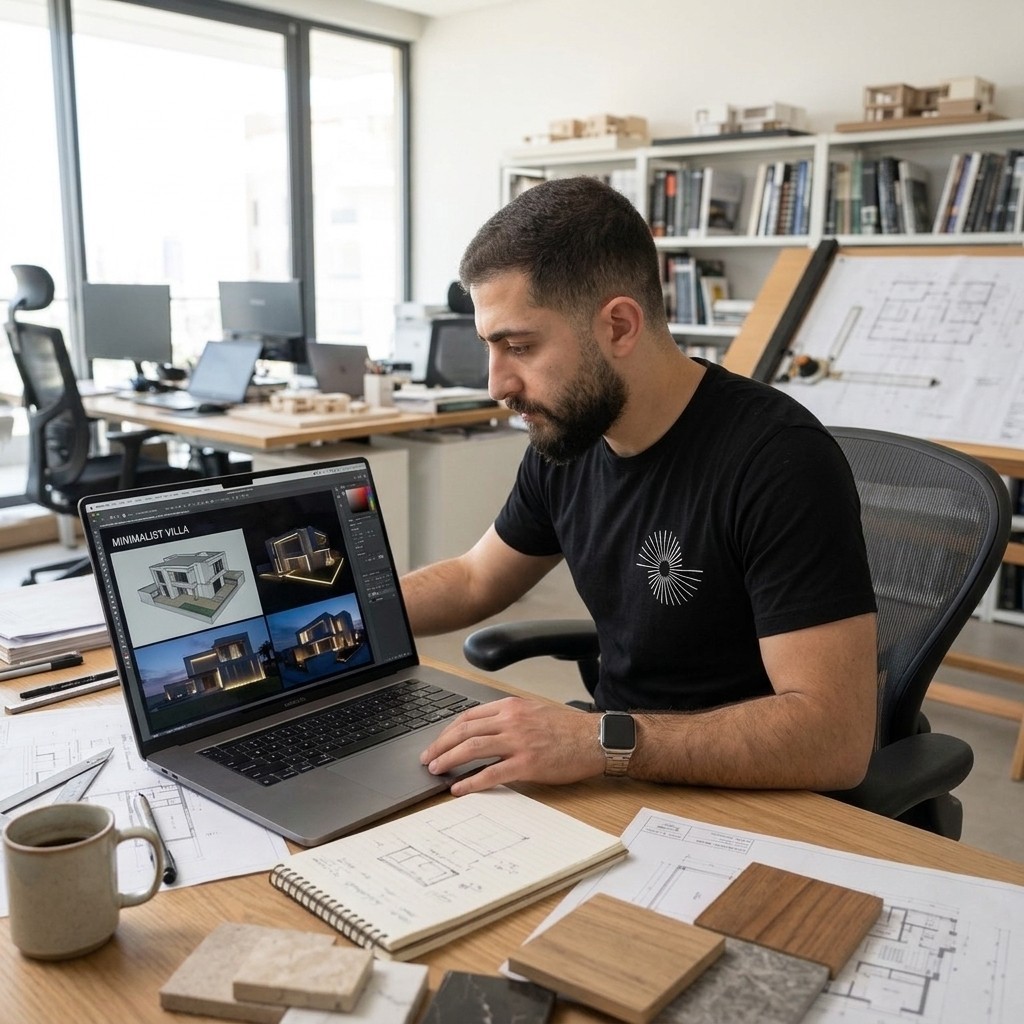
Lighting Designer in Dubai and Abu Dhabi for Villa and Large Projects in 2027
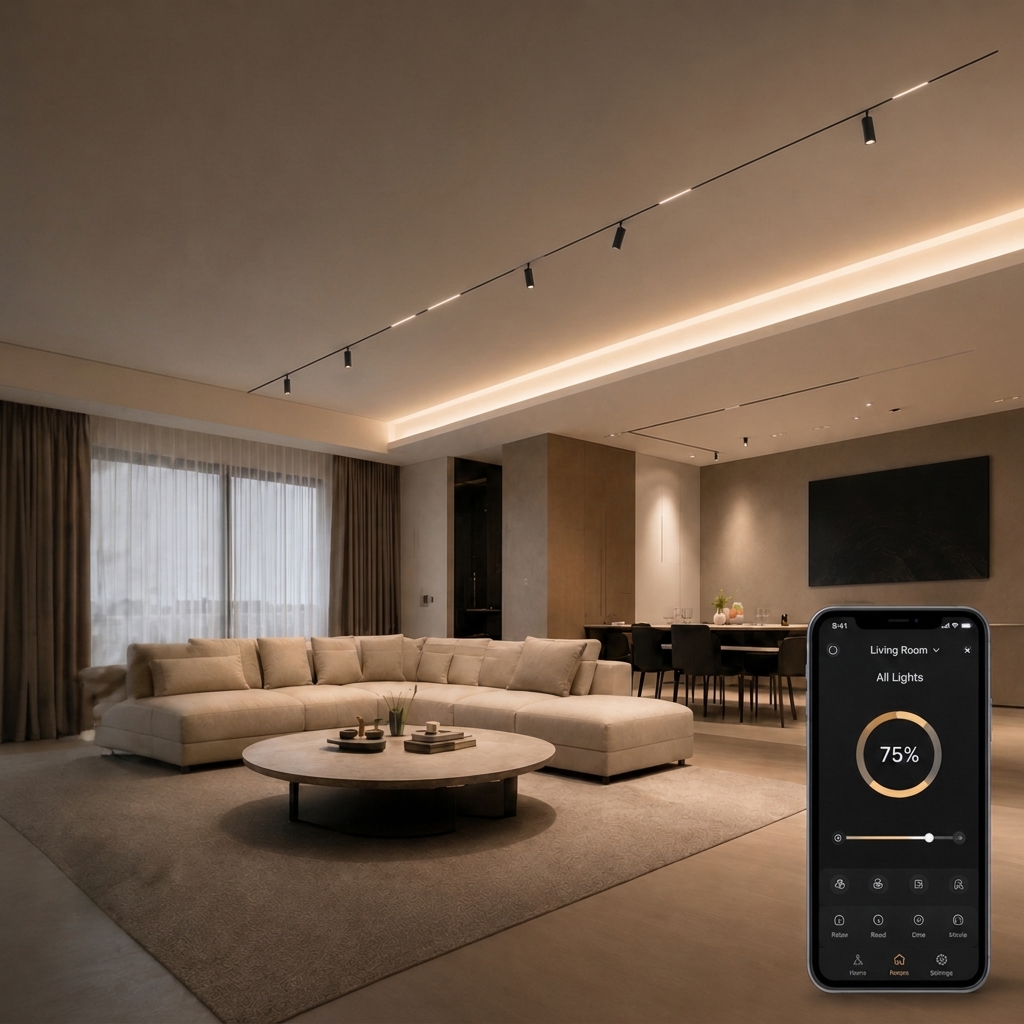
DALI Lighting Systems in Dubai and Abu Dhabi: Supply, Installation, and Costs in 2027
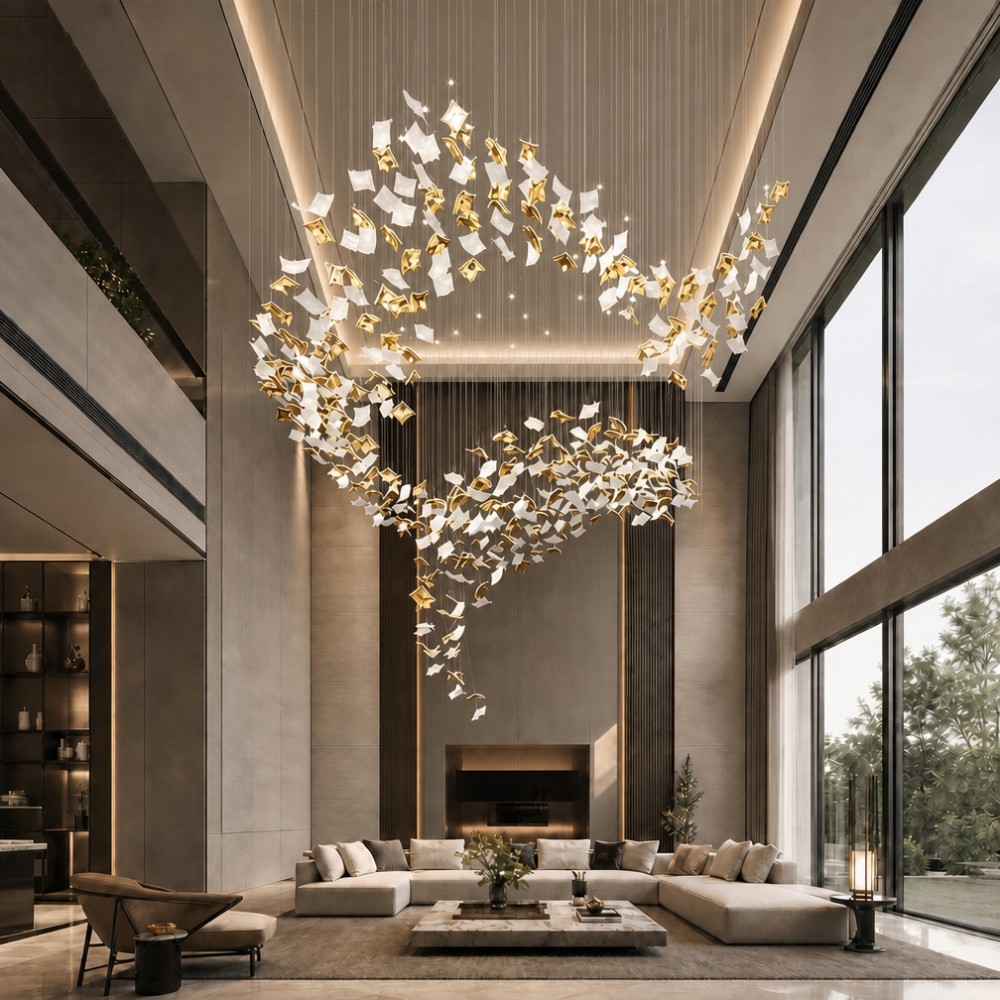
Custom Chandeliers in Dubai and Abu Dhabi: For Villas, Hotels, and Luxury Spaces in 2027
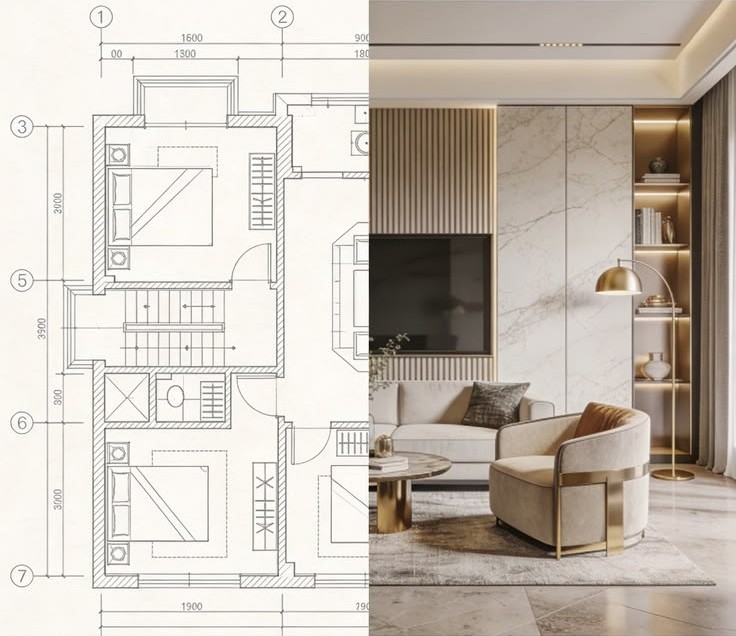
2D Lighting Plans in Dubai and Abu Dhabi for New Villa Construction
3D Lighting Design in Dubai and Abu Dhabi for Villas, Hotels, and Luxury Spaces
Decorative LED Panel Light: A Complete Buying Guide in UAE
DIALux Lighting Design Service for Dubai and Abu Dhabi Projects
LED Office Light Fixtures for Corporate Offices and Businesses in Dubai and Abu Dhabi
Square Led Ceiling Light Fixture in UAE: A Complete Buying Guide in 2027


Wall Light Design in UAE for Homes & Villas

Staircase Light Design in UAE for Homes, Villas, & Large Malls


Light Installation in UAE for Homes, Villas, and Shops
