
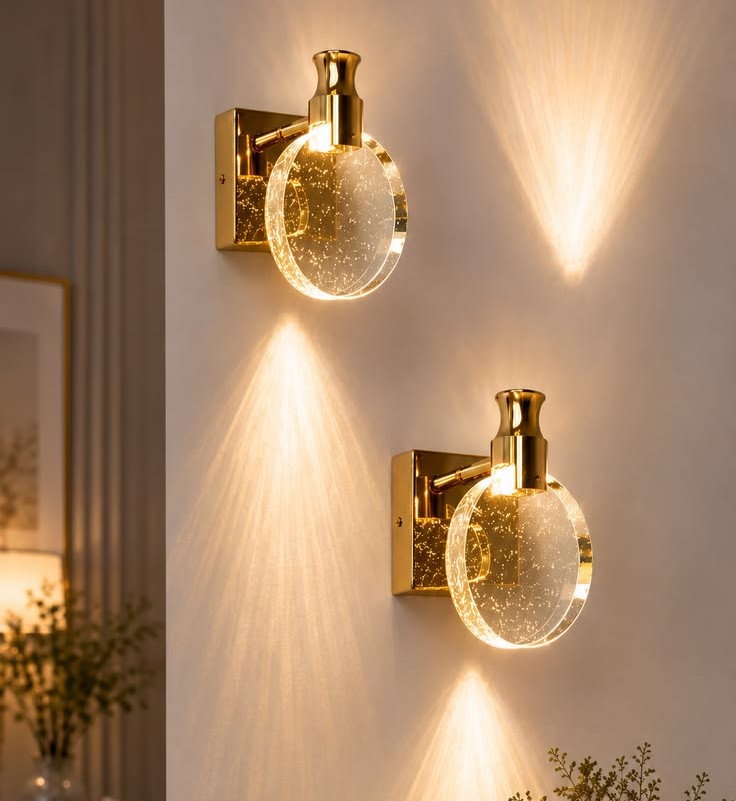
Decorative Wall Lights in UAE: Best & Worst Options & Placements in 2027
Let’s talk about decorative wall lights.
They’re no longer just fixtures you switch on when a room gets dark.
They have become an important part of home lighting design and how people experience their homes.
In Dubai and Abu Dhabi, where villas and apartments often feature carefully selected materials, decorative wall lights can add another layer to an interior.
They can highlight wall light design, bring attention to artwork, create softer lighting around seating areas, and make otherwise empty walls more interesting.
But there’s more to choosing them than finding a beautiful fixture.
The size, mounting height, light direction, color temperature, and relationship with nearby furniture can completely change the result.
Think of decorative wall lights as the jewelry of indoor lighting design.
The right piece can bring everything together, while the wrong one can feel out of place or produce uncomfortable glare.
Whether you’re furnishing a new villa or upgrading a few rooms, understanding the different types of decorative wall lights and where to use them will help you make better decisions.
WHY DECORATIVE WALL LIGHTS?
Decorative wall lights do something that ceiling fixtures, including stretch ceilings, cannot always achieve.
They introduce light at eye level, illuminate vertical surfaces, and create visual interest without requiring another fixture in the ceiling.
This makes them particularly useful in living rooms, bedrooms, hallways, dining areas, staircases, and entrance spaces.
A carefully positioned wall light can make a room feel warmer and more inviting, even when the general lighting design remains relatively subtle.
They also give homeowners more control over the atmosphere.
Instead of switching on every downlight in the room, you can use wall lights independently for a quieter evening setting.
They Add Another Layer of Light
One of the main reasons designers include decorative wall lights is to create layered lighting.
A room that relies entirely on recessed ceiling lights can sometimes feel flat.
The ceiling may look bright, but the walls, corners, and decorative features receive very little attention.
Wall lights help distribute illumination across vertical surfaces.
Depending on their design, they can provide a soft ambient glow, create decorative patterns, or direct light toward a particular object.
Combining them with ceiling lights, LED strips, and floor or table lamps gives homeowners more flexibility throughout the day.
They Highlight Architectural Details
Similar to track lights, decorative wall lighting can make architectural features stand out without introducing additional furniture or decorative objects.
For example, a pair of wall sconces can frame a stone feature wall, while up and down lights can emphasize the height of a wall or the texture of its finish.
In larger villas, wall lights can also help create visual balance around entrance areas, staircases, double-height spaces, and long corridors.
The important thing is to choose the right light distribution.
A fixture that produces a narrow beam creates a different effect from one that spreads light more evenly across the wall.
They Create a More Comfortable Atmosphere
Wall lights can provide softer illumination than exposed ceiling fixtures, especially when they use shades, diffusers, indirect light, or carefully designed optics.
This makes them useful in bedrooms and living rooms where homeowners may prefer a relaxed atmosphere in the evening.
They can also reduce the need to operate bright overhead lighting when only a small part of the room needs illumination.
Are Decorative Wall Lights Worth the Investment?
A well-selected wall light can improve the appearance and usability of a room for years.
However, the value comes from choosing the right fixture and installing it correctly, rather than simply purchasing an expensive design.
Consider the quality of the materials, the LED components, the finish, the light distribution, and how well the fixture complements the interior.
For homeowners planning a renovation or a new property, it’s worth including decorative wall lights in the lighting plan before the electrical points and wall finishes are finalized.
TYPES OF DECORATIVE WALL LIGHTS
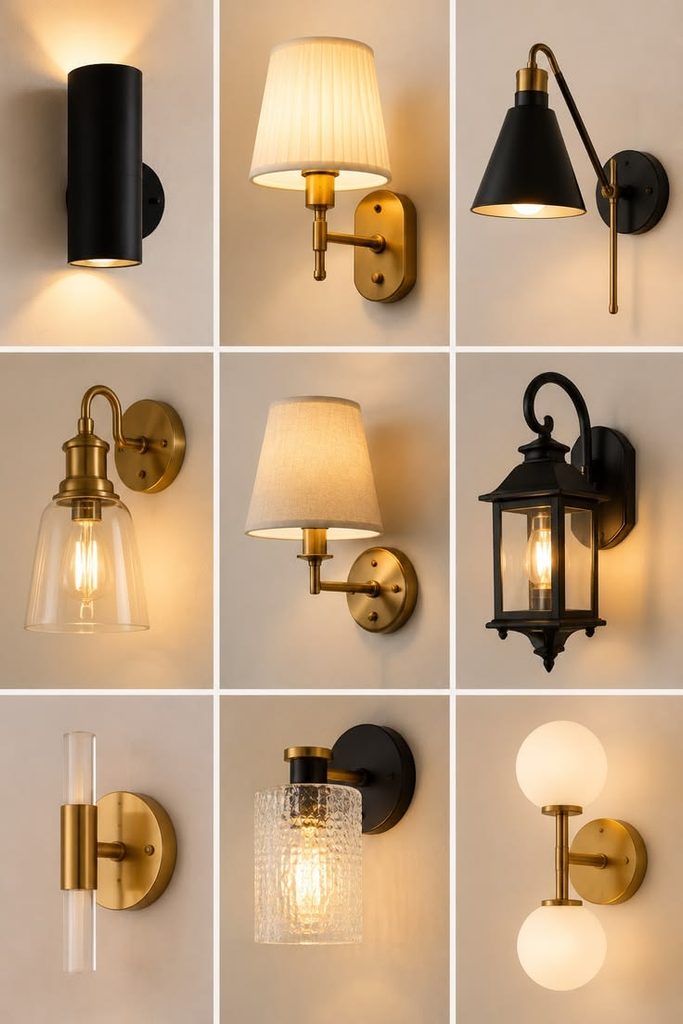
The range of decorative wall lights available today is surprisingly broad.
This gives any lighting consultant a range of selections to impress homeownrs.
Some fixtures focus on appearance, while others provide practical task lighting or illuminate architectural details.
Understanding the differences makes it easier to select products that suit the room, rather than choosing fixtures based only on their appearance.
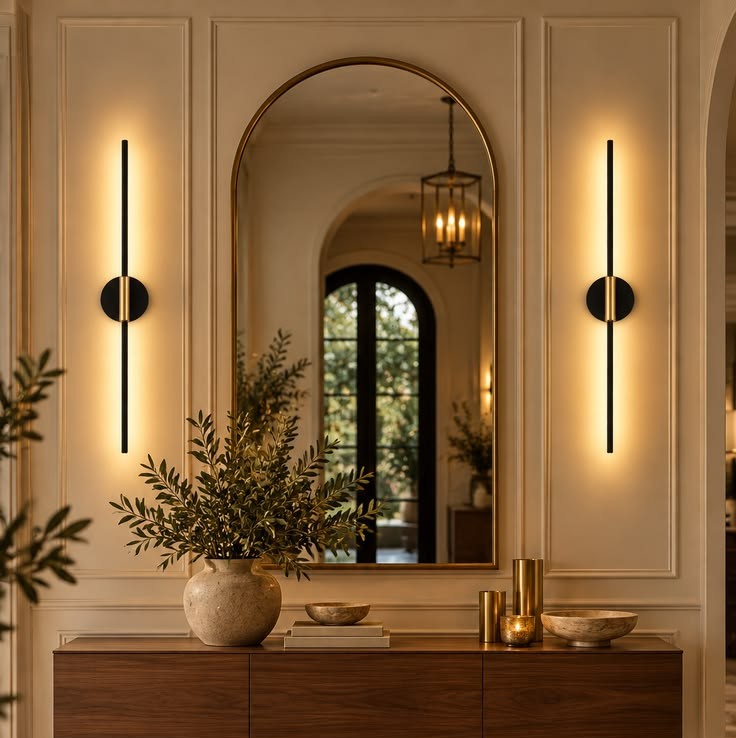
Wall Sconces
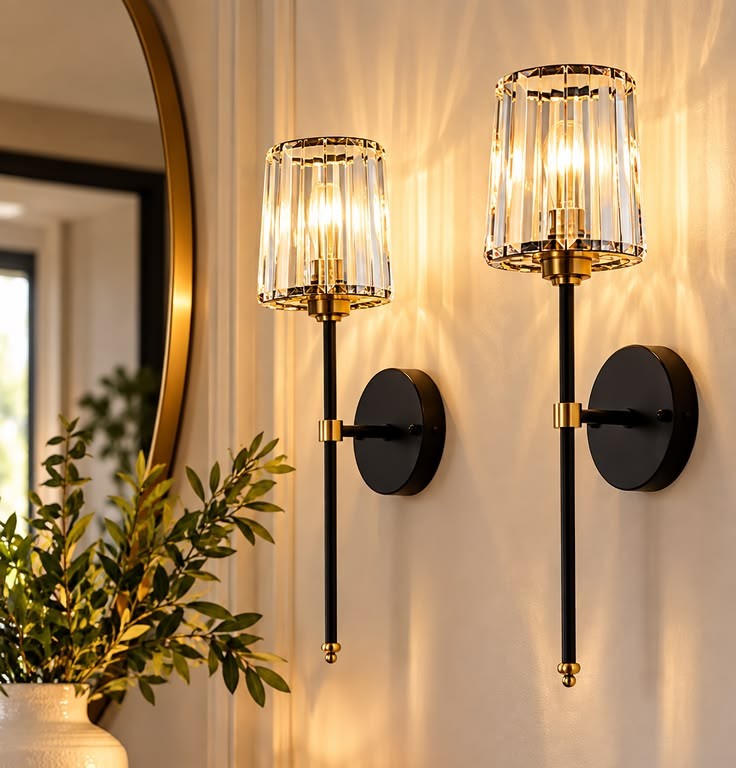
Wall sconces are among the most versatile types of decorative wall lights.
They mount directly to the wall and can provide ambient, accent, or task lighting, depending on their design.
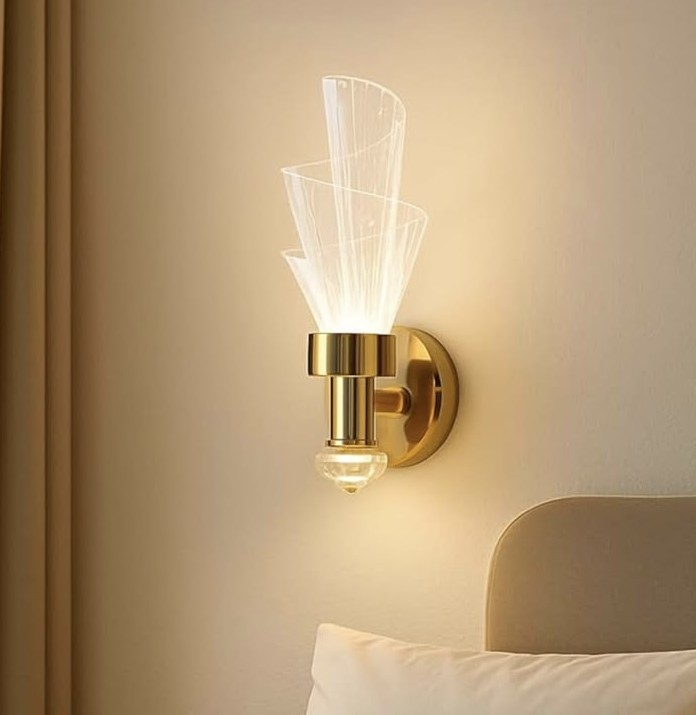
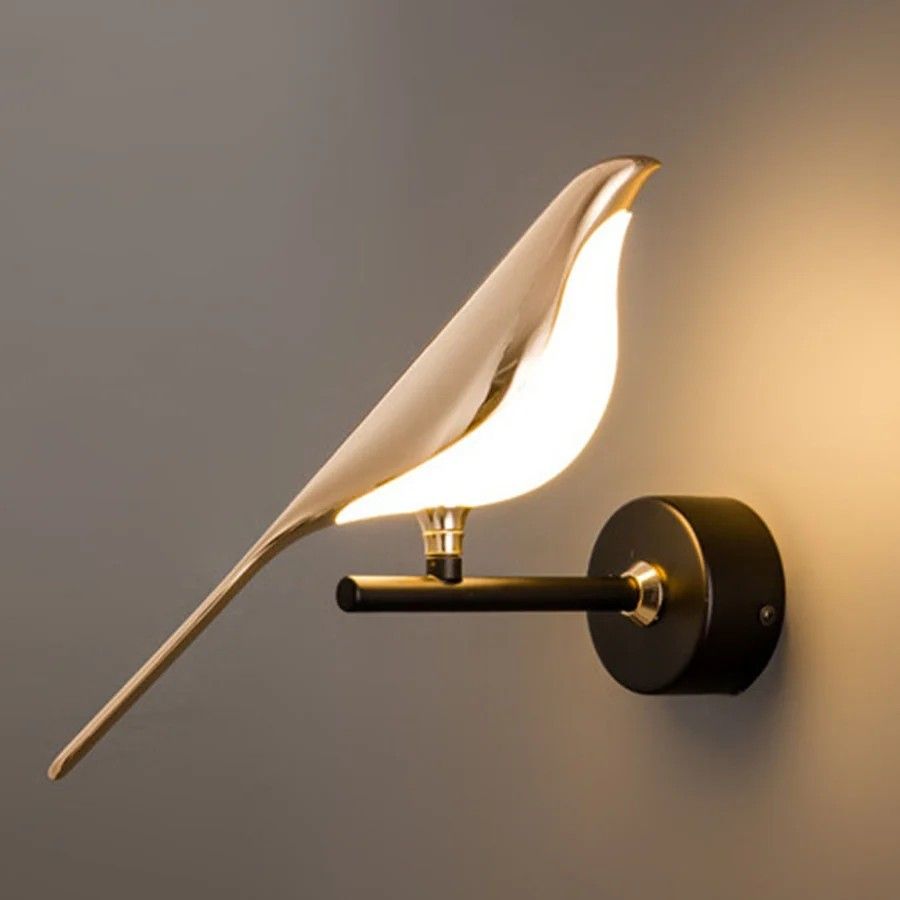
Traditional sconces often feature brass, bronze, glass, or decorative shades.
Modern versions may use clean metal shapes, minimalist profiles, concealed LEDs, or integrated diffusers.
You can find designs suited to almost any interior, from classic villas and formal reception rooms to contemporary apartments and hotel-inspired bedrooms.
For smaller hallways, flush or compact sconces help avoid excessive projection from the wall.
Adjustable designs work particularly well beside beds, desks, and reading chairs.
The key is to check how the fixture distributes light.
Some sconces direct most of their output upward and downward, while others spread light through a shade or diffuser.
Picture Lights
Picture lights are designed to illuminate artwork, photographs, framed prints, and other wall displays.
They usually mount above or near the artwork and direct light across its surface. Some models offer adjustable heads, while others use a fixed light distribution.
For homeowners with valuable artwork, the choice requires more attention than simply selecting a decorative fitting.
Color quality matters because the light should reveal the artwork’s colors as accurately as possible.
Glare and reflections also need consideration, particularly when the artwork sits behind glass.
LED picture lights offer useful options because they can provide directional illumination with relatively low heat and ultraviolet output compared with some older light sources.
However, artwork can still fade under visible light over time.
For sensitive pieces, control both the light level and the number of hours the artwork receives illumination.
Swing Arm Lights
Swing arm wall lights combine decoration with flexibility.
Their adjustable arms allow users to direct light toward a reading surface, bedside area, or workstation.
They also free up table space, which makes them particularly useful in compact apartments and bedrooms.
A swing arm light beside a bed can provide focused reading illumination without switching on the main ceiling lights.
For home offices, adjustable wall-mounted fixtures can also provide useful task lighting when a desk sits close to a wall.
Before choosing one, check the arm’s reach, movement range, mounting position, and how the fixture looks when fully extended.
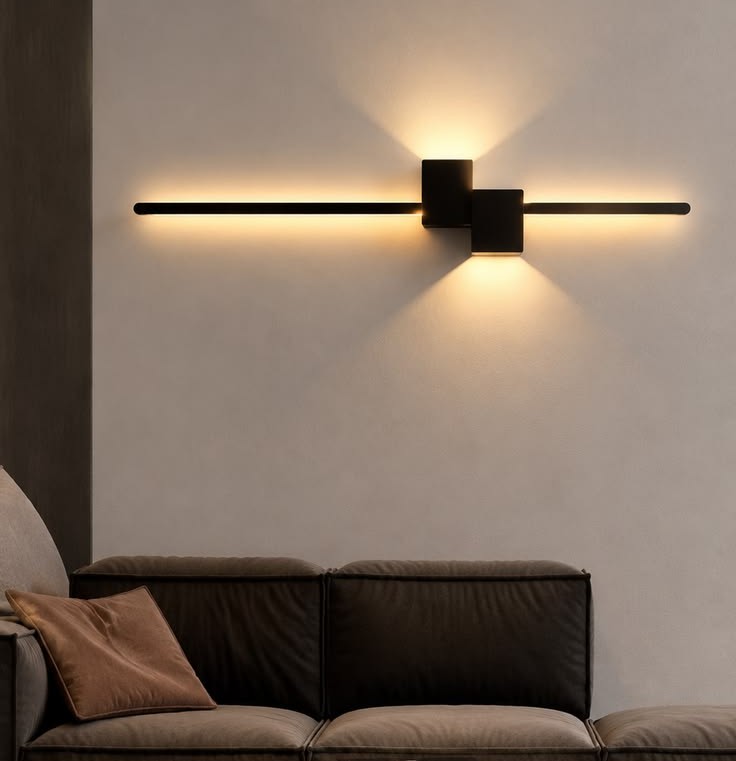
Up & Down Lights
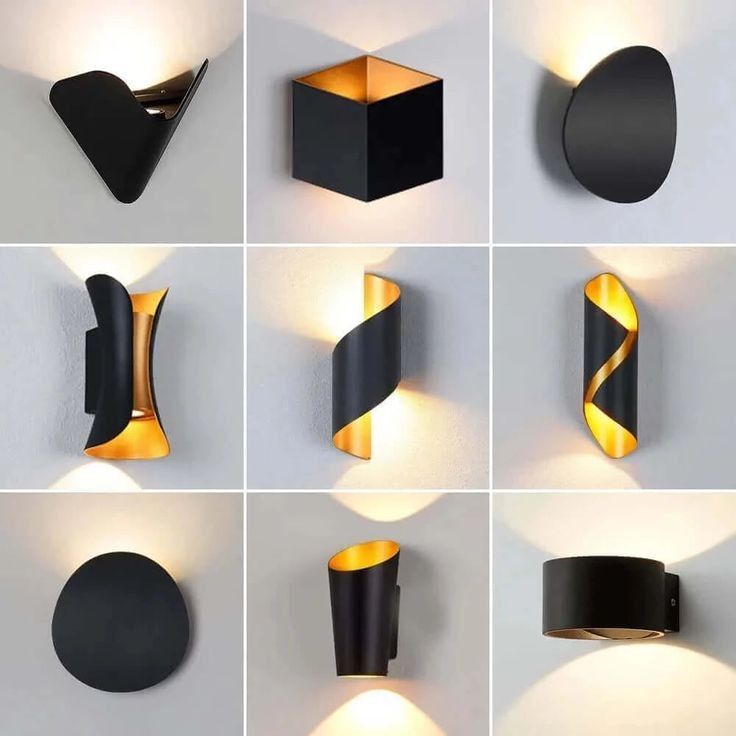
Up and down lights produce two distinct beams, directing illumination toward the ceiling and the floor.
They can create attractive lighting patterns on plain walls, textured surfaces, and architectural features.
In a hallway or living room, this effect can introduce depth and make the wall more visually interesting.
Outdoor up and down lights are also popular for villa facades, entrance walls, terraces, and exterior architectural details.
However, these fixtures should not automatically replace general lighting.
Their main purpose is often decorative or accent illumination, and their output may not provide sufficient light for the entire space.
Pay attention to beam angles, wall distance, and the finish of the surface.
Textured walls can produce particularly interesting effects, while glossy finishes may create unwanted reflections.
Flush-Mount Wall Lights
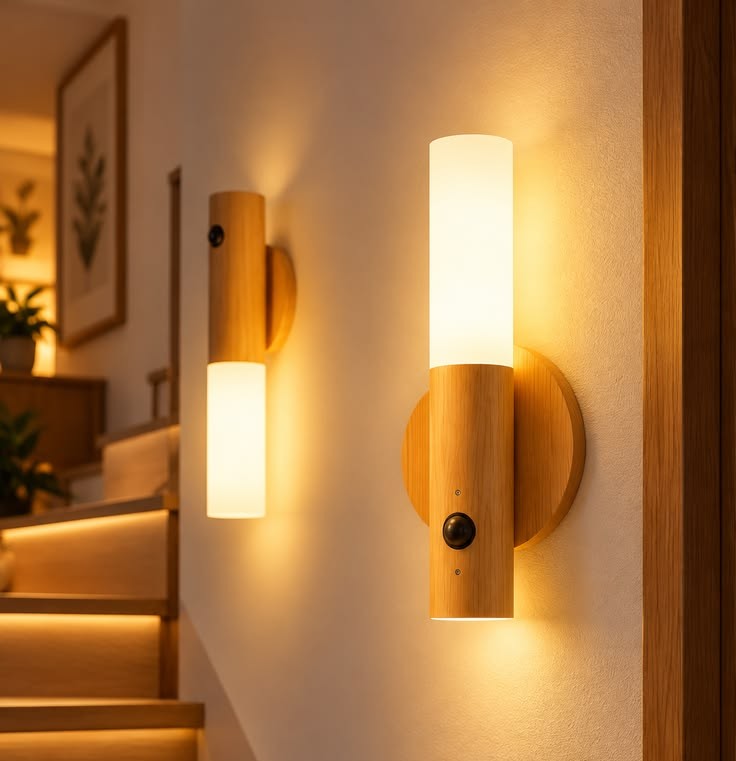
Flush-mount wall lights sit close to the wall and have a relatively low profile.
They’re useful in narrow hallways, compact bedrooms, staircases, and other areas where projecting fixtures could interfere with movement.
Their simple appearance also suits contemporary interiors where homeowners prefer discreet lighting rather than prominent decorative fittings.
Some models distribute light through a diffuser, while others direct it toward selected parts of the wall.
Remember that a compact fixture doesn’t automatically provide enough illumination. Check the actual lumen output and distribution before using it as the main source of light in an area.
Lantern Wall Lights
Lantern wall lights bring a more traditional character to residential and outdoor spaces.
Their designs often feature metal frames and glass panels, creating an appearance associated with classic villas, Mediterranean architecture, and traditional entrances.
They can work particularly well beside entrance doors, on exterior walls, around terraces, and along covered walkways.
Modern versions may combine traditional lantern shapes with integrated LED lighting and more contemporary finishes.
For outdoor installation, check the fixture’s IP rating, construction, materials, and suitability for exposure to dust, moisture, and weather.
LED Strip Lighting and Integrated Wall Lighting
Not every decorative wall light needs to look like a traditional wall-mounted fixture.
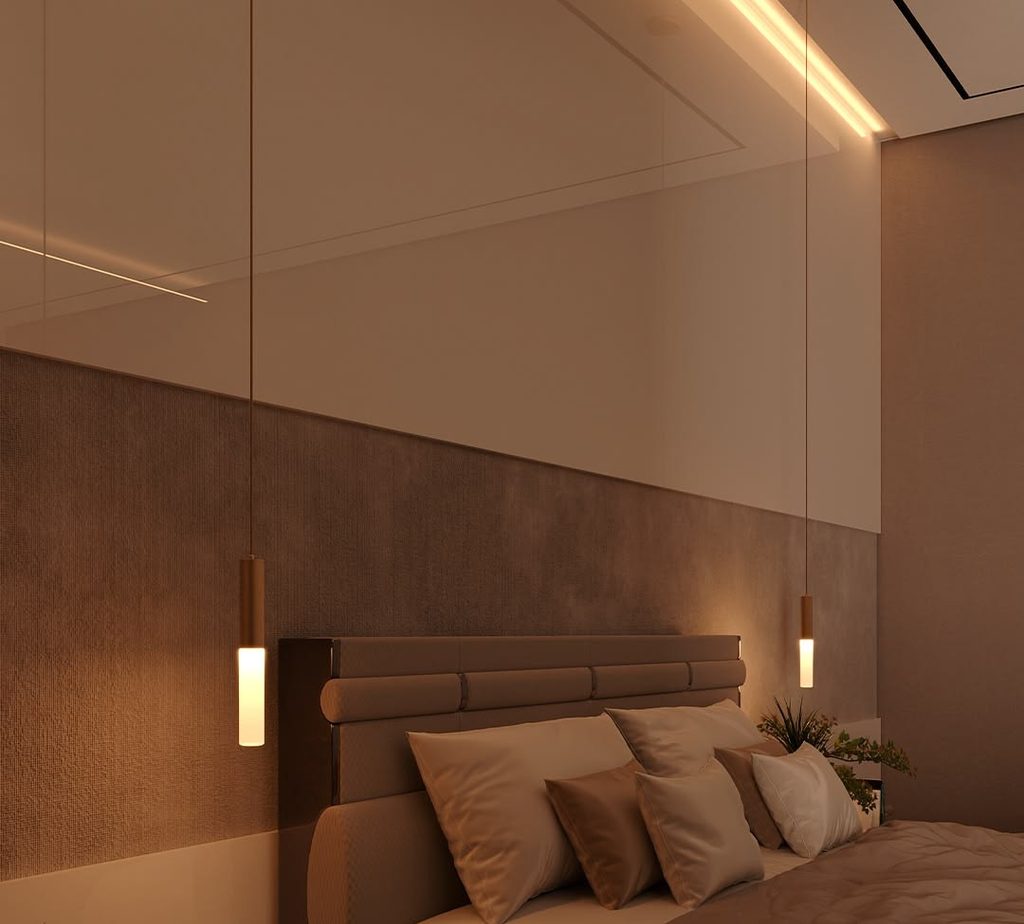
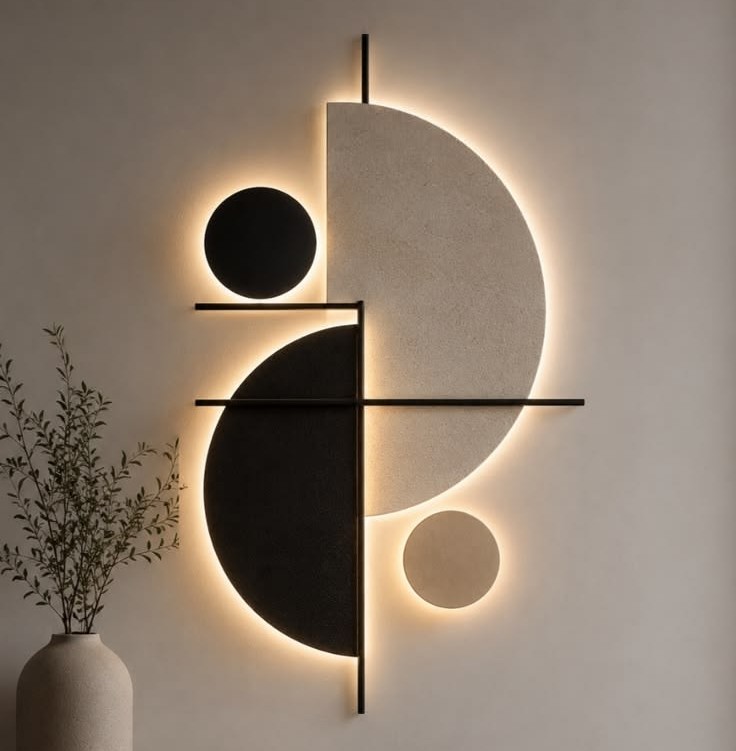
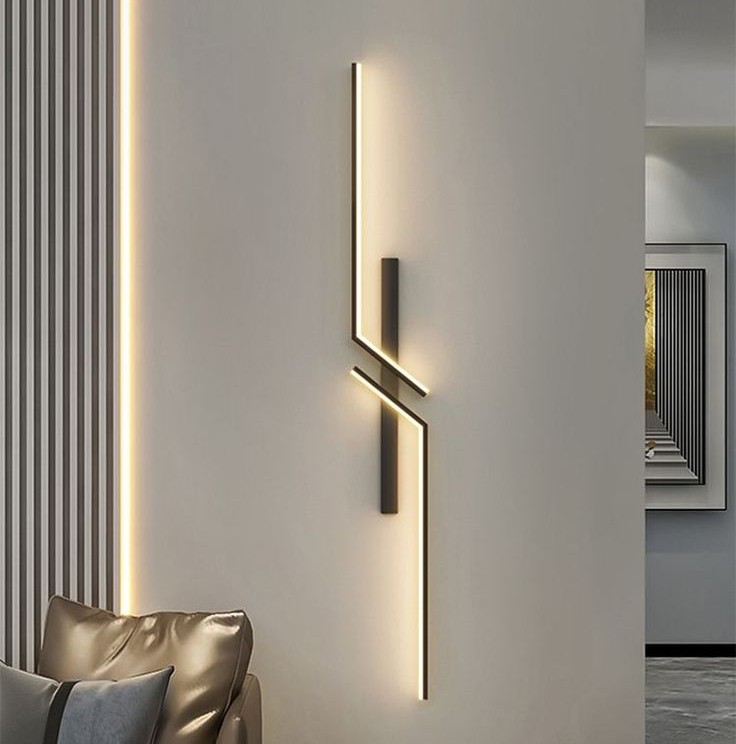
Integrated LED strips and recessed linear profiles can create interesting effects behind wall panels, inside decorative niches, beneath floating shelves, or around architectural features.
For example, a concealed LED strip behind a wall panel can produce a soft glow without exposing the light source.
These systems can look particularly effective in modern villa lighting projects.
The same is true, of course, for apartments, but the lighting designer should consider the aluminum profile, diffuser, LED density, driver, and access for future maintenance.
WHERE TO PLACE DECORATIVE WALL LIGHTS?
Choosing a beautiful wall light is only half the job. Its position determines how it interacts with furniture, people, artwork, and the surrounding architecture.
There is no single mounting height or spacing rule that works for every fixture.
A large wall sconce in a high-ceilinged villa may require a different position from a compact bedside light in an apartment.
As a starting point, many residential lighting guides suggest placing general-purpose wall sconces around 60 to 72 inches (approximately 152 to 183 cm) above the finished floor.
For repeated fixtures, spacing may fall somewhere around 8 to 10 feet (approximately 2.4 to 3 meters), but these figures should never replace a proper layout.
The fixture’s size, light distribution, ceiling height, wall dimensions, and intended use should determine the final positions.
Living Room
The living room offers several opportunities to use decorative wall lights.
You can place matching sconces on either side of a fireplace, artwork, architectural feature, or media wall to create a balanced appearance.
For reading corners, adjustable swing arm lights can provide focused illumination without requiring a floor lamp or table lamp.
If the room has a large empty wall, consider a decorative fixture with a distinctive shape or light pattern. It can introduce visual interest without making the wall feel overcrowded.
For larger villa living rooms, wall lights can also help balance the lighting between the seating area and the surrounding circulation spaces.
One important detail: don’t position a bright wall light where it creates reflections on a television or glossy decorative surface.
Bedroom
Bedrooms benefit from wall lights because they can provide comfortable lighting without taking up space on bedside tables.
Bedside sconces work particularly well in rooms with compact nightstands or minimalist furniture arrangements.
For reading, choose an adjustable fixture that directs light toward the book rather than the face or the other side of the bed.
A practical starting point is to position the light according to the height of the mattress, the bedside furniture, and the user’s seated reading position.
The fixture should remain easy to reach without creating glare when the person is lying down.
Bedrooms with decorative headboards can also use concealed linear lighting or wall-mounted fixtures to create a softer background glow.
Hallway
Hallways often look better with a combination of general and wall lighting.
A series of evenly arranged sconces can create a visual rhythm along a long corridor. Their light can also help make a narrow space feel more comfortable by illuminating its vertical surfaces.
For a narrow hallway, choose fixtures that do not project too far from the wall. This reduces the risk of people accidentally bumping into them.
In larger villas, wall lights can also complement artwork, decorative mirrors, or architectural wall panels along the corridor.
If you’re installing multiple fixtures, plan their positions together rather than measuring each one independently.
Bathroom
Bathroom wall lighting needs special attention because the fixtures operate near water and moisture.
For vanity mirrors, wall lights on both sides can help illuminate the face more evenly than a single overhead fixture.
This makes shaving, grooming, and applying makeup more comfortable.
A suitable starting point is to position the light sources around face height, taking account of the mirror dimensions and the height of the people using the bathroom.
A horizontal fixture above the mirror can also work, provided its light distribution creates comfortable illumination without harsh facial shadows.
Most importantly, check the electrical requirements for the bathroom installation.
IEC 60364-7-701 defines requirements for electrical installations in locations containing baths or showers.
The applicable bathroom zones, permitted equipment, and required protection depend on the location and the local electrical rules.
Choose fixtures with suitable IP protection and have a qualified electrician confirm that the selected products and installation method comply with the applicable requirements.
Dining Room
Decorative wall lights can complement a chandelier or pendant above the dining table.
They help illuminate surrounding walls and create a more balanced atmosphere, particularly in larger dining rooms where a single central fixture may leave the perimeter feeling dark.
Sconces can work on either side of a sideboard, artwork, or decorative wall panel.
Their position should complement the dining furniture and avoid placing a bright source directly in the guests’ line of sight.
Consider dimmable fixtures or separate lighting circuits so the homeowner can adjust the atmosphere for everyday meals and larger gatherings.
Staircases and Entrance Areas
Staircases need comfortable lighting that helps people see each step clearly.
Wall lights can provide useful illumination along the staircase while adding another decorative feature. Depending on the architecture, they may sit along the wall, illuminate landings, or highlight textured surfaces.
For tall entrance halls, larger decorative sconces can help fill vertical wall spaces that ceiling fixtures may not illuminate effectively.
However, don’t choose a fixture purely because it looks impressive.
Check its light output, projection, mounting position, and access requirements for maintenance.
Other Spaces
Decorative wall lights can also work well in kitchens, home offices, dressing rooms, and outdoor seating areas.
In kitchens, they may provide accent lighting around a breakfast area or decorative wall.
In home offices, adjustable wall lights can support reading and other focused tasks.
They can also highlight display shelves, mirrors, sculptures, and architectural niches.
Before selecting a fixture, consider what needs illumination, how people use the space, and whether the wall light should provide practical light or mainly create a decorative effect.
HOW TO SELECT DECORATIVE WALL LIGHTS?
Choosing decorative wall lights isn’t just about finding a design you like.
You also need to consider the fixture’s proportions, finish, light output, color quality, and compatibility with the rest of your lighting scheme.
A fixture can look excellent in a product photograph but feel completely wrong once installed on a particular wall.
Match the Fixture to Your Interior Style
For traditional interiors, consider wall lights with classic silhouettes, detailed metalwork, glass shades, and warm metallic finishes such as brass or bronze.
Modern and contemporary interiors often work well with simple shapes, clean lines, and finishes such as brushed nickel, black metal, chrome, or glass.
Rustic and farmhouse-inspired spaces may suit fixtures that combine wood, iron, and textured materials.
Mid-century interiors often look good with simpler forms and carefully used brass details.
Art Deco-inspired designs can introduce geometric shapes and reflective finishes, while coastal interiors may benefit from lighter colors and natural-looking materials.
The aim isn’t to make every fixture identical.
It’s to create a visual connection between the lighting, furniture, wall finishes, and other decorative elements.
Choose the Right Size and Proportion
A decorative wall light should suit the wall and surrounding furniture.
A small sconce can disappear on a large wall in a double-height living room, while an oversized fixture may dominate a narrow hallway.
Before ordering, check the fixture’s height, width, projection, and mounting dimensions.
Consider how much space remains between the light and nearby doors, mirrors, cabinets, curtains, or artwork.
For multiple sconces, look at the complete arrangement rather than judging each fixture separately.
Understand Color Temperature
Color temperature influences how warm or cool the light appears.
Warm white options around 2700K to 3000K often suit living rooms, bedrooms, and dining areas where homeowners want a relaxed atmosphere.
Neutral white lighting can suit certain bathrooms, kitchens, and work areas, depending on the interior finishes and personal preferences.
The important thing is consistency.
Installing visibly different color temperatures next to one another can make an otherwise beautiful lighting arrangement look poorly coordinated.
Check CRI and Light Quality
The Color Rendering Index (CRI) describes how accurately a light source renders colors compared with a reference.
For many residential applications, CRI 80 or higher provides a common starting point.
CRI 90 or higher can be useful where color appearance matters, such as artwork, decorative materials, dressing areas, and premium interiors.
However, CRI is not the only measure of color quality.
Other systems, including IES TM-30, provide additional information about color fidelity and gamut.
For decorative wall lights, the quality of light matters just as much as the design of the fixture.
Consider Beam Angles and Light Distribution
Different wall lights create different lighting patterns.
A narrow beam can create a dramatic effect, while a wider distribution produces a softer appearance across a larger area.
Up and down fixtures create two distinct light patterns, whereas diffused sconces provide a more general glow.
Think about the wall finish before selecting the beam.
A textured stone or decorative plaster surface can look impressive under grazing light, while a smooth painted wall may benefit from a more even distribution.
Ask for technical information or a lighting sample when the result matters particularly, especially for expensive wall finishes or large architectural features.
Select Suitable Materials and Finishes
Brass, stainless steel, aluminum, glass, ceramic, and powder-coated metal are among the materials commonly used in decorative wall fixtures.
The appropriate material depends on the design and the installation environment.
A decorative indoor fixture may use materials that are unsuitable for exposed outdoor conditions.
For villas in Dubai and Abu Dhabi, exterior wall lights should account for heat, dust, moisture, and direct weather exposure.
Check the manufacturer’s technical specifications, finish, corrosion suitability, and maintenance instructions before selecting outdoor products.
Check Dimming and Smart Control Compatibility
Some decorative wall lights support dimming, while others operate only at full output.
If you want to adjust the atmosphere throughout the day, confirm that the fixture and its LED driver work with the selected dimmer or control system.
An incompatible combination can lead to flickering, buzzing, limited dimming range, or inconsistent operation.
For larger villas, consider whether wall lights should operate independently or form part of programmed lighting scenes.
DECORATIVE WALL LIGHTS: MISTAKES TO AVOID!
Decorative wall lights can make a room look considerably better, but poor selection or positioning can have the opposite effect.
Most problems come from choosing fixtures before understanding the room, ignoring technical specifications, or treating decorative lighting as a replacement for general illumination.
Choosing the Wrong Fixture Size
One of the most common mistakes is selecting a wall light that doesn’t suit the wall.
A very small fixture may disappear on a large feature wall, while a large projecting design can make a narrow corridor feel cramped.
Always check the fixture dimensions and compare them with the available wall space and surrounding furniture.
Following Fixed Mounting Heights Without Considering the Space
Mounting every wall light at exactly the same height may look organized on paper, but it doesn’t guarantee a good result.
A bedside sconce needs to relate to the mattress and seated reading position.
A picture light needs to illuminate the artwork evenly.
A decorative fixture in a tall entrance hall may need a different mounting arrangement entirely.
Use general height recommendations as starting points, then adjust according to the fixture’s design, ceiling height, and intended effect.
Installing Too Many Wall Lights
More fixtures don’t necessarily mean better lighting.
A long hallway with too many sconces can feel visually cluttered, while a living room with several decorative lights may become unnecessarily bright.
Start with the required lighting layers and add wall fixtures where they serve a clear purpose.
A well-positioned pair of wall lights can often create a better result than filling every available wall with fixtures.
Ignoring Glare and Reflections
A decorative fixture can become uncomfortable when the light source is directly visible from common seating or walking positions.
This problem often occurs with exposed LED sources, poorly designed diffusers, and fixtures mounted at unsuitable heights.
Consider viewing angles before finalizing the installation.
Check how the light looks when someone is sitting on the sofa, lying in bed, or walking through the hallway.
Also pay attention to reflective finishes, polished stone, mirrors, and framed artwork.
Choosing the Wrong Color Temperature
Mixing warm and cool white lighting without a clear reason can create an inconsistent appearance.
This becomes particularly noticeable in connected spaces, such as open-plan living and dining areas.
Choose color temperatures as part of the overall lighting scheme rather than selecting each fixture independently.
Ignoring the Quality of LED Components
A decorative fixture can look impressive but still provide disappointing lighting if its LED source or driver performs poorly.
Check the light output, CRI, dimming compatibility, flicker performance, and manufacturer’s technical documentation.
Also consider thermal management and access to replaceable components.
Some integrated LED fixtures require more work to service than conventional lamps.
Using Picture Lights Without Considering Artwork Preservation
Lighting artwork requires more care than simply directing a strong spotlight toward a painting.
Visible light can gradually fade pigments and dyes, and ultraviolet radiation can contribute to deterioration.
The amount of damage depends on the material, light intensity, and exposure time.
For valuable or light-sensitive artwork, consider controllable LED lighting, suitable light levels, limited exposure periods, and a fixture arrangement that avoids excessive heat and glare.
A bright picture light attached directly to the frame may produce uneven illumination and can introduce heat close to the artwork.
A properly planned track or adjustable lighting system may offer better control.
Ignoring Bathroom and Outdoor Protection Requirements
A standard decorative indoor sconce isn’t automatically suitable for a bathroom or exterior wall.
Bathroom installations need to follow the applicable electrical requirements for the relevant zones around baths and showers.
Outdoor installations need products with appropriate protection against dust and moisture.
Check the actual product rating and installation instructions rather than relying on appearance or assumptions.
COST OF DECORATIVE WALL LIGHTS IN DUBAI AND ABU DHABI
Decorative wall light prices in Dubai and Abu Dhabi vary considerably depending on the design, materials, finish, brand, and lighting technology.
You can find simple LED wall sconces at relatively affordable prices, while designer fixtures made from brass, crystal, alabaster, or premium glass can cost several thousand dirhams.
Based on UAE online retail listings reviewed between 2026-2027, the following ranges provide a useful starting point for budgeting.
- Basic LED wall lights: AED 70–200 per fixture.
- Modern decorative wall sconces: AED 200–500 per fixture.
- Premium decorative wall lights: AED 500–1,000 per fixture.
- Designer wall sconces: AED 1,000–2,500 per fixture.
- Luxury and statement wall lights: AED 2,500–5,000+ per fixture.
- Bespoke and high-end decorative fixtures: AED 5,000–8,500+ per fixture.
These ranges reflect the variety of products currently listed by UAE retailers.
Actual prices depend on the selected model, availability, finishes, and product specifications.
Of course, high-quality fixtures can increase the overall villa lighting cost, but their visual impact is well worth the investment.
FINAL THOUGHT
Decorative wall lights are much more than decorative objects.
They can make a hallway feel welcoming, bring attention to beautiful architectural details, provide comfortable bedside lighting, and completely change the atmosphere of a living room.
But the right result comes from combining the right fixture with the right position, light distribution, color quality, and installation method.
For homeowners in Dubai and Abu Dhabi, it’s worth considering decorative wall lights early in the interior and lighting design process, particularly for feature walls and staircase light designs.

Related Posts
High Bay LED Lights in UAE: Best Options for Warehouses and Factories
Track Lights in Dubai and Abu Dhabi: LED, Magnetic, and Mini Track Lights in 2027
DALI Lighting Systems in Dubai and Abu Dhabi: Supply, Installation, and Costs in 2027
Custom Chandeliers in Dubai and Abu Dhabi: For Villas, Hotels, and Luxury Spaces in 2027
Decorative LED Panel Light: A Complete Buying Guide in UAE
LED Office Light Fixtures for Corporate Offices and Businesses in Dubai and Abu Dhabi
Square Led Ceiling Light Fixture in UAE: A Complete Buying Guide in 2027
Stretch Ceiling for Luxury Villas in Dubai and Abu Dhabi
