
Lighting Consultant In UAE: Services, Benefits, and Costs for Villas and Large Projects
Who wouldn’t benefit from a professional lighting consultant to create the right lighting plans for indoor and outdoor spaces in their homes or villas?
It’s time to stop treating lighting as a product-selection task rather than a design discipline.
A lighting consultant helps solve that problem by connecting the visual concept with the technical decisions behind it.
The work may include lighting layouts, fixture specifications, calculations, control strategies, coordination with architects and electrical engineers, and reviews during installation.
In the UAE, this expertise can be particularly useful for luxury villa lighting design, besdies hotels, offices, retail spaces, residential towers, public areas, and large-scale developments.
These projects often need lighting that looks right, performs reliably, uses energy sensibly, and meets the requirements applicable to the building.
In fact, an expert lighting consultant in UAE doesn’t simply recommend more lights or more expensive products.
The goal is to determine what each space needs, how the light should behave, and how the design can be implemented without unnecessary changes during construction.

LIGHTING DESIGN CONSULTATION IN DUBAI AND ABU DHABI
A lighting consultation usually begins with a straightforward discussion: what is the space supposed to look and feel like, and what does it need to do?
That sounds simple, but the answers influence almost every subsequent decision, from the choice of luminaires to the location of electrical points, the use of dimming, and the way the completed space will be maintained.
Design Intent
The first stage is to understand the project. The consultant reviews the architecture, interior concept, room functions, client preferences, and relevant technical constraints.
For a luxury villa, the priorities may include comfortable living areas, controlled architectural accents, decorative lighting, and a coordinated garden scheme.
For a commercial development, the brief may place greater emphasis on visual comfort, operational efficiency, maintenance, and consistency across multiple floors.
The consultant uses this information to develop a lighting concept that supports the building rather than treating each fixture as an isolated decision.
Layers and Focus
Professional lighting design commonly combines ambient, task, and accent lighting through 2D or 3D layouts.
These layers provide general illumination, support specific activities, and draw attention to selected architectural features.
A restaurant might use general lighting for circulation, focused lighting over tables, and accent lighting to emphasize artwork or textured walls. An office might require a different balance, prioritizing work surfaces and visual comfort.
The consultant decides which layers are needed, how they should relate to one another, and where light should remain more subtle.
Integration With Architecture
Lighting needs to be coordinated with ceiling heights, joinery, furniture, building services, and other architectural details.
Recessed fixtures require appropriate ceiling space and mounting arrangements.
Concealed LED systems need room for profiles and drivers, while heavy decorative pendants may require suitable structural support.
Resolving these details early can help avoid moving electrical points, cutting finished ceilings, or replacing unsuitable products later.
Through Commissioning
Lighting design should not end when the drawings are issued.
Depending on the service scope, the consultant may review the installation, check product substitutions, help aim adjustable fixtures, and verify the intended lighting scenes.
Commissioning is particularly important when projects include dimming, occupancy sensors, daylight controls, or integrated lighting-management systems.
The final objective is to establish that the installed system reflects the approved design and works as intended.

ARCHITECTURAL LIGHTING CONSULTANT
An architectural lighting consultant focuses on the relationship between light and the built environment.
The work often involves coordinating with architects, interior designers, electrical consultants, developers, and contractors throughout the project.
Unlike a product-only approach, architectural lighting design considers how light reveals the building’s form, materials, proportions, and important visual features.
Lighting for Architectural Features
A facade may benefit from controlled wallwashing, while textured stone could look better under grazing light that reveals its surface relief.
Columns, entrances, staircases, and recessed architectural details may need more focused treatment.
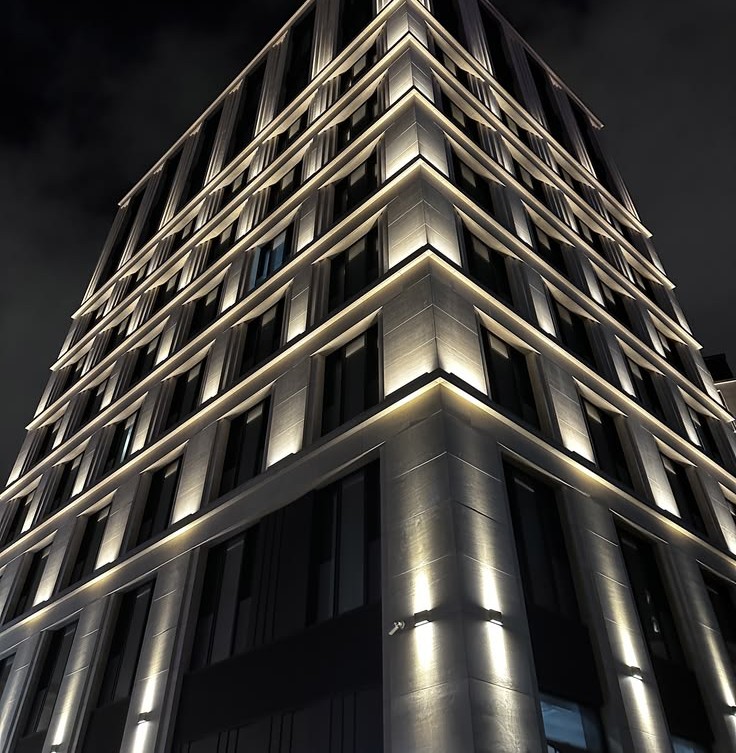
When thinking about skyscraper facade lighting, for example, the consultant often evaluates the surface, viewing angles, intended effect, and suitable luminaire distribution before specifying the equipment.
Manufacturer photometric data can help determine whether a fixture is appropriate for the task.
This is more reliable than choosing a product based only on a catalog photograph.
Technical Drawings and Specifications
Depending on the appointment, the consultant may prepare or review 2D or 3D lighting layouts, reflected ceiling plans, luminaire schedules, technical specifications, and photometric calculations.
These documents help the project team understand where fixtures belong, what products are required, and whether the proposed arrangement meets its defined lighting criteria.
The consultant should also make the scope clear.
A lighting layout, a full electrical design, and a photometric calculation serve different purposes, even when they contribute to the same project.
Coordination With Other Specialists
Architectural lighting intersects with electrical design, interior detailing, mechanical systems, landscape design, and structural requirements.
For a new villa, that might mean coordinating a chandelier with the ceiling structure and double-height entrance.
For a hotel lobby lighting design, for instance, it may involve ensuring that lighting, sprinklers, air-conditioning diffusers, and access panels work together within the reflected ceiling plan.
Good coordination turns the lighting concept into something practical to construct and maintain.
VILLA AND HOME LIGHTING CONSULTANT
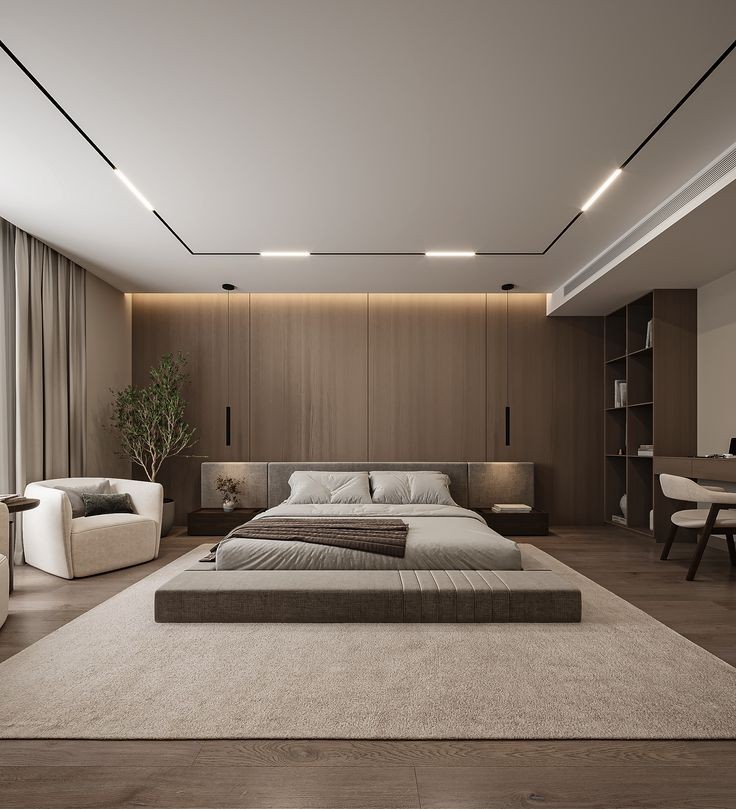
Home lighting should do more than illuminate rooms.
It should support the way people live, from preparing food and reading to relaxing in the evening or welcoming guests.
A home lighting consultant helps translate those activities into a layout that works with the property’s architecture and interior design.
Living Rooms and Open-Plan Spaces
Living rooms often serve multiple purposes, so they benefit from a combination of general illumination, decorative lighting, and selected accent fixtures.
The arrangement should consider furniture positions, television viewing, artwork, ceiling details, and the amount of natural daylight entering the space.
Separate control zones allow the homeowner to use only the layers needed at a particular time instead of switching on every fixture together.
Kitchens and Functional Areas
Kitchen lighting requires particular attention to task visibility.
A ceiling layout that looks symmetrical may still leave shadows on work surfaces when the user stands between the light source and the counter.
A consultant considers cabinet positions, islands, preparation areas, and other surfaces where focused light may be useful.
Utility rooms, laundry areas, and storage spaces may need a simpler approach, but product selection should still reflect the task and the environment.
Bedrooms, Bathrooms, and Staircases
Bedrooms often need flexible lighting for reading, dressing, and relaxation.
Bathrooms require suitable illumination around mirrors and wet areas, with products selected according to the relevant electrical and environmental requirements.
Staircases need a clear lighting arrangement that supports movement and reduces distracting glare. Double-height spaces also require attention to mounting height, sightlines, and future access for maintenance.
Extending the Design Outdoors
For villas with gardens, terraces, and swimming pools, the consultant can help create a coordinated relationship between interior and exterior lighting.
Pathways, entrance areas, landscape features, and facades each require different products and light distributions.
Outdoor fixtures must also suit the actual environmental exposure and applicable local requirements.
All these facets require specialized outdoor lighting design.
INTERIOR LIGHTING CONSULTANT
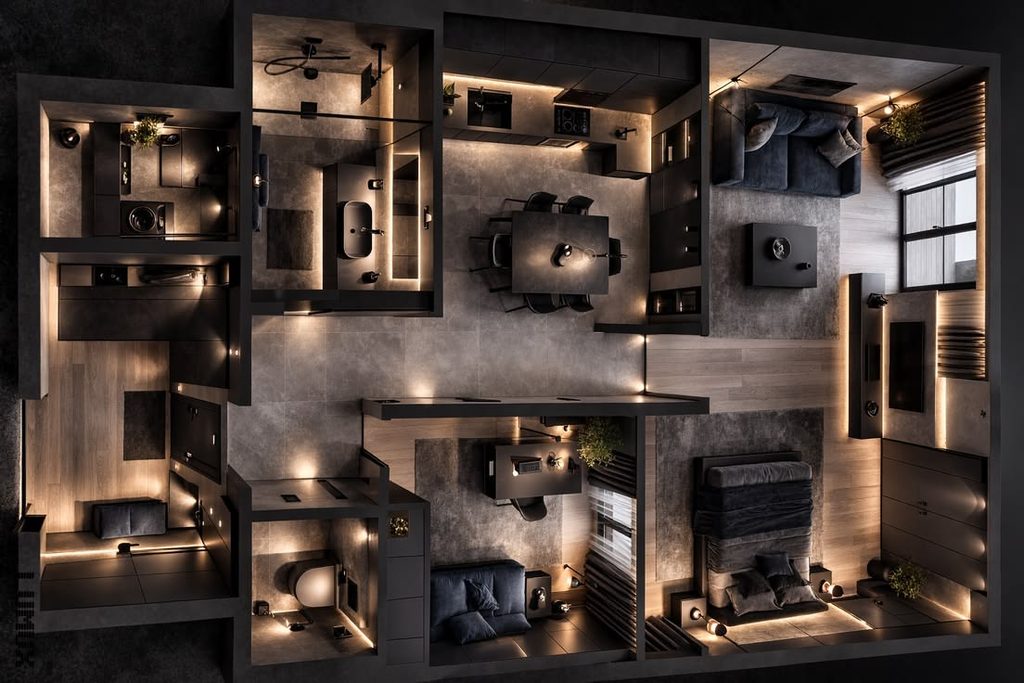
An interior lighting consultant considers how people experience light inside a building.
The work includes technical performance, but it also involves subtle factors such as reflections, color appearance, contrast, and the relationship between lighting and interior finishes.
These details can determine whether a room feels comfortable and coherent or visually harsh and distracting.
Selecting the Right Color Temperature
Correlated color temperature, measured in kelvins, describes the apparent warmth or coolness of white light.
Lower values generally appear warmer, while higher values tend to look cooler.
The appropriate choice depends on the room’s purpose, materials, desired atmosphere, and surrounding lighting.
A living room may require a different approach from a kitchen work area or an office.
Consistency is important when multiple fixtures illuminate the same space. Products with different color characteristics can make adjacent walls, fabrics, and other finishes look mismatched.
Color Rendering and Material Appearance
Color rendering influences how accurately a light source reveals the colors of objects and surfaces.
This can matter in homes, hotels, retail spaces, art displays, and areas where the appearance of fabrics or finishes is important.
CRI is one commonly used indicator, while additional metrics can provide further information about how certain colors are represented.
A consultant should review the actual product data and, where necessary, use samples or mock-ups to evaluate the appearance of important materials.
Glare, Reflections, and Visual Comfort
A room can have sufficient light on paper and still feel uncomfortable.
Exposed bright sources, poorly positioned downlights, and reflections from glass or polished stone can all create visual problems.
The consultant considers where people will look, how they will use the space, and which surfaces may reflect the light source.
The goal is to provide useful illumination without creating distracting brightness or unnecessary contrast.
Lighting Controls and Everyday Use
Dimming, scene controls, and separate switching zones allow a space to adapt to different activities.
A living room may need strong general lighting for cleaning and a softer combination for evening use.
The system should be intuitive and compatible with the selected fixtures and drivers.
A technically advanced setup is not especially useful if occupants find it confusing or it operates unreliably.
RESIDENTIAL LIGHTING CONSULTANT (VILLAS, APARTMENTS, ETC.)
Residential projects range from single-room renovation to a multi-building development with hundreds of apartments.
The consultant’s approach should reflect the scale, complexity, and requirements of the project.
The main principles remain similar, but lighting design for large residential projects introduce additional needs for consistency, documentation, procurement, and maintenance.
Lighting Design for Luxury Villas
Luxury villas often combine decorative interiors, custom stretch ceilings, feature staircases, landscaped gardens, swimming pools, and exterior architectural lighting.
The consultant helps the team decide which features should receive emphasis, how different lighting layers should work together, and how the products should be coordinated with the architecture.
For projects with complex ceiling details, the design should be reviewed before installation begins so that fixture positions and mounting requirements can be resolved early.
Lighting for Apartments and Residential Towers
Multi-unit developments need a repeatable approach that can be implemented across many rooms and common spaces without losing sight of the different functions involved.
The consultant may prepare standard lighting layouts for apartment types, along with separate schemes for corridors, lobbies, amenities, parking areas, and exterior spaces.
Consistent fixture schedules can simplify purchasing, replacement, and maintenance, provided the selected products suit the relevant applications.
Renovation and Existing Properties
Renovation projects often have constraints that don’t exist in new construction.
Existing wiring, ceiling heights, structural elements, and installed fixtures can restrict the available options.
The consultant should assess these conditions before recommending changes.
A site visit or measured survey may be necessary when the original drawings are inaccurate or incomplete.
This helps distinguish between changes that are straightforward and those that require more substantial electrical or construction work.
LED LIGHTING CONSULTANT (PRODUCTS, CALCULATIONS, AND EFFICIENCY)
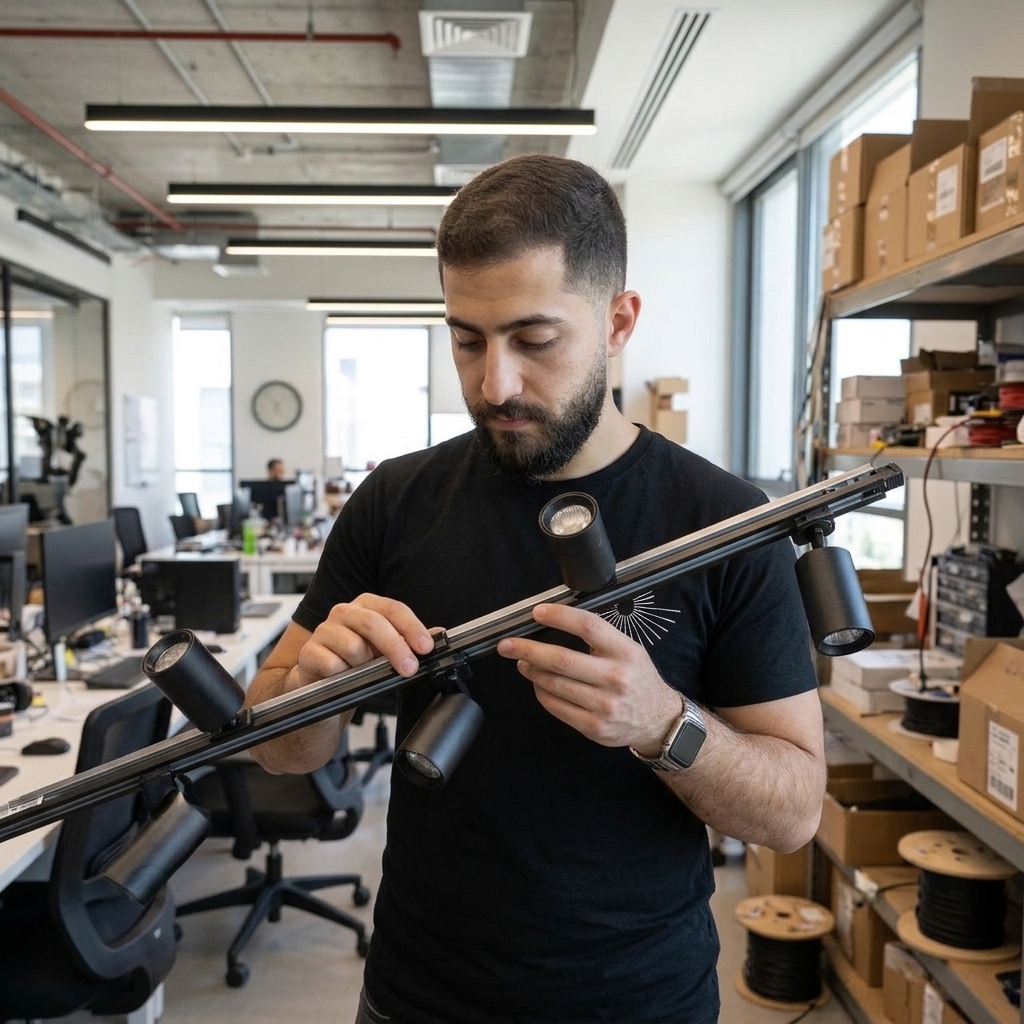
LED technology offers a wide range of fixture types, distributions, color characteristics, and control options.
However, choosing an LED product is not as simple as selecting a wattage or comparing lumen figures.
A LED lighting consultant helps evaluate products according to their application, technical performance, control requirements, and long-term use.
Understanding Product Specifications
Important factors include luminous flux, power consumption, luminous efficacy, color temperature, color rendering, beam distribution, glare characteristics, and dimming compatibility.
The correct specification depends on the task. A narrow-beam spotlight, for example, may be useful for emphasizing an architectural feature but unsuitable for providing uniform illumination across a broad room.
The consultant should also consider mounting requirements, environmental ratings, warranty conditions, and the availability of replacement components.
DIALux and Photometric Calculations
Lighting software such as DIALux evo and Relux can help evaluate the performance of selected luminaires in a modeled space.
The calculations can use manufacturer photometric files, such as IES or LDT data, to assess how light is distributed across specified surfaces.
Depending on the model and calculation setup, results may include illuminance, uniformity, and other relevant performance measures.
These results are only as reliable as their inputs. If the selected product changes, the calculation may need to be updated.
Energy Use and Control Strategies
Energy efficiency depends on the luminaires, their output, operating hours, controls, and how well the lighting matches the space’s needs.
Dimming, occupancy sensors, schedules, and daylight-responsive controls may help reduce unnecessary operation when properly designed and commissioned.
The consultant should evaluate these options in the context of the building rather than assuming that every project needs the same technology.
Evaluating Alternatives Before Purchase
Product comparisons are particularly useful for large projects.
A consultant can assess different fixture options against the same geometry and lighting requirements, helping the team understand the technical consequences of a substitution.
This can support procurement decisions before the products are ordered and the installation begins.
COMMERCIAL LIGHTING CONSULTANTS (FOR COMPLEX PROJECTS)
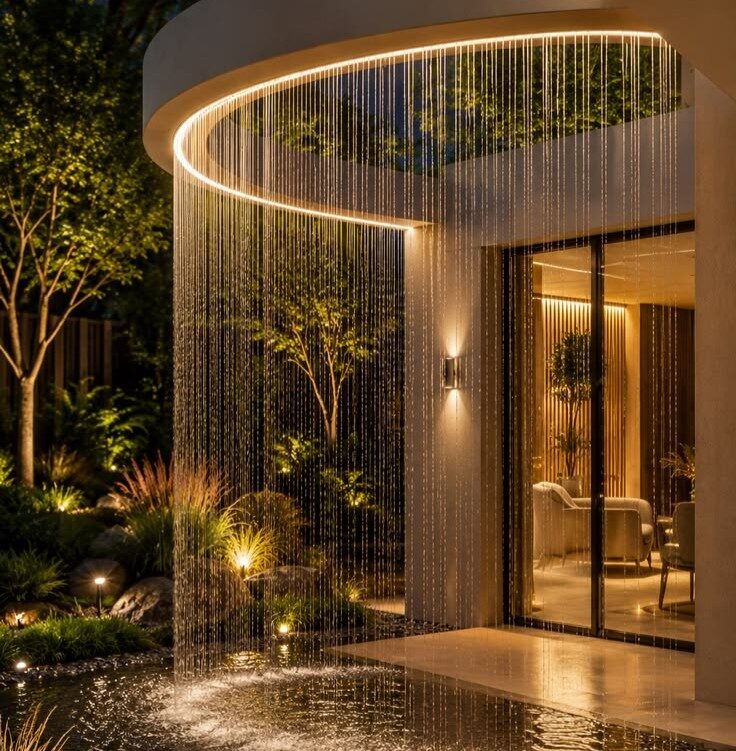
Commercial lighting consultants work across offices, retail spaces, hotels, restaurants, industrial buildings, public facilities, and mixed-use developments.
These projects often need a stronger emphasis on defined performance criteria, operational requirements, documentation, and coordination among multiple design disciplines.
Retail, Hospitality, and Public Spaces
Retail lighting needs to support circulation and product presentation, while hospitality spaces must balance guest experience with practical operation.
A hotel lobby may use decorative and accent lighting to establish its identity, while corridors need comfortable visibility and clear wayfinding. Restaurants may also need different lighting scenes for daytime and evening service.
The consultant selects products and layouts according to each space’s function rather than applying one lighting arrangement throughout the building.
Industrial and Warehouse Environments
Industrial spaces may require specific lighting levels and distributions for workstations, equipment, storage racks, loading areas, and circulation routes.
Mounting heights, obstructions, environmental conditions, and maintenance access influence the design.
A layout that works for a low-ceiling workshop may not be suitable for a high-bay warehouse.
The consultant should identify the criteria that apply to the actual work and use suitable product data to evaluate the proposed arrangement.
Mixed-Use and Large Development Projects
Mixed-use projects often combine residential areas, retail, hospitality, offices, parking, landscaping, and public circulation spaces.
The consultant needs to maintain an overall design strategy while addressing the different technical needs of each area.
Clear responsibilities, consistent documentation, and coordinated revisions help keep the lighting design aligned with the wider project as the drawings develop.
Product Supply and Design Independence
Some consultancies provide design and technical advice independently of product supply.
Others combine consultation with product sourcing, procurement, installation support, and commissioning.
Neither model is automatically better. What matters is that the scope and commercial relationship are transparent.
If the consultant also supplies products, ask how alternatives are evaluated and whether the recommendations reflect the project’s technical requirements and budget.
OFFICE LIGHTING CONSULTANT
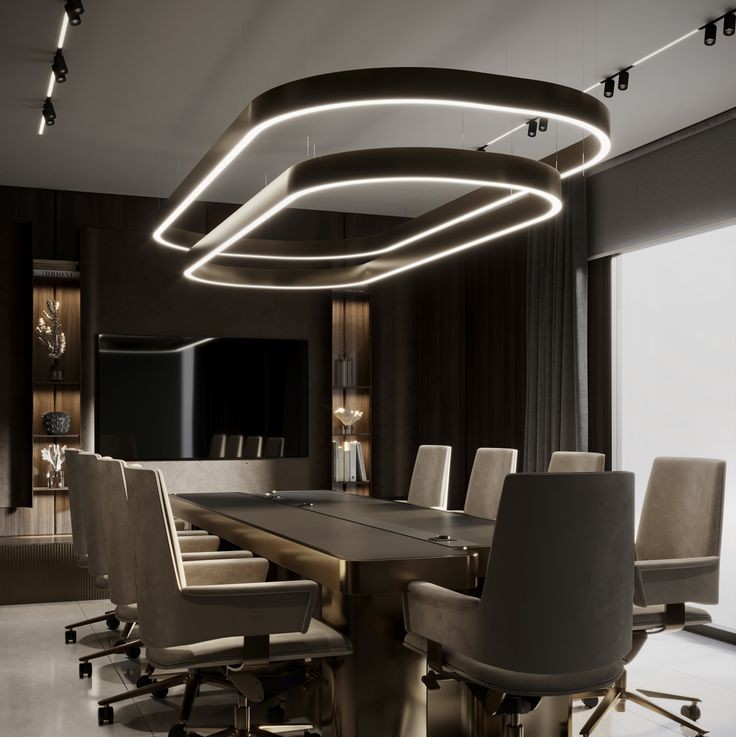
Office lighting needs to support concentration, reading, communication, screen-based work, and movement through the workplace.
It should also work with daylight, workstation layouts, and the company’s wider interior design.
A professional office lighting consultant helps translate these needs into a practical scheme with suitable products and controls.
Lighting for Desks and Screens
The arrangement should consider workstation positions, monitors, windows, partitions, and the direction of natural daylight.
Poorly positioned light sources can create reflections on screens or shadows across work surfaces. The consultant may need to evaluate both general illumination and task lighting to establish a comfortable balance.
The relevant criteria should be based on the work being performed and the standards adopted for the project.
Uniformity, Glare, and Color Quality
Office lighting requires attention to illuminance, uniformity, visual comfort, and color rendering.
Professional guidance such as ANSI/IES RP-1-24, which covers office lighting, can support the evaluation of relevant design criteria. The applicable requirements should still be confirmed for the building and project.
The consultant should avoid treating a single average illuminance value as proof that the complete lighting scheme is comfortable.
Daylight and Lighting Controls
Offices with significant glazing can experience changing daylight conditions throughout the day. Daylight-responsive controls may help balance natural and electric lighting when designed and commissioned properly.
Occupancy sensing, scheduled operation, and dimming may also be useful, depending on how the workplace is used.
The system should be easy for staff to understand and maintain, with clear arrangements for control zones and overrides where necessary.

STREET LIGHTING CONSULTANTS
Street lighting consultants deal with public roads, pedestrian routes, parking facilities, intersections, and other outdoor areas where visibility, uniformity, glare, and environmental impacts must be considered together.
These projects differ from decorative garden lighting because the design is usually driven by defined functional criteria and the needs of different road users.
Roadway and Pedestrian Lighting
Roadway lighting can help drivers recognize the road layout, other vehicles, pedestrians, intersections, and changes in direction.
Pedestrian lighting needs to support orientation and visibility while managing glare and unwanted brightness.
The design criteria depend on the type of road or space, traffic conditions, pedestrian activity, and applicable authority requirements.
The consultant should confirm which standards and classifications apply before selecting luminaires and calculating the layout.
Poles, Optics, and Spacing
Mounting height, pole spacing, optical distribution, road width, and surface characteristics all influence lighting performance.
Choosing a higher-output luminaire does not automatically solve an uneven layout. In some cases, the better solution may involve changing the distribution, mounting arrangement, or spacing.
Photometric calculations can help compare these alternatives before equipment is purchased.
Energy and Environmental Considerations
Street lighting systems often operate over extended periods, making energy use and control strategy important.
Dimming schedules and adaptive controls may be suitable where allowed by the applicable standards and the operational requirements.
The design should also consider glare, light trespass, and unwanted illumination of surrounding properties or natural areas.
Public lighting must balance visibility and comfort with the wider environmental context.
Coordination With Civil and Electrical Infrastructure
Street lighting projects intersect with road geometry, landscaping, utility routes, pedestrian facilities, and other infrastructure.
The lighting consultant should coordinate pole locations, foundations, wiring, control systems, and access for maintenance with the relevant engineering teams.
This helps ensure that the lighting layout remains practical to construct, operate, and maintain.
CERTIFIED LIGHTING CONSULTANT (QUALIFICATIONS AND CREDENTIALS)
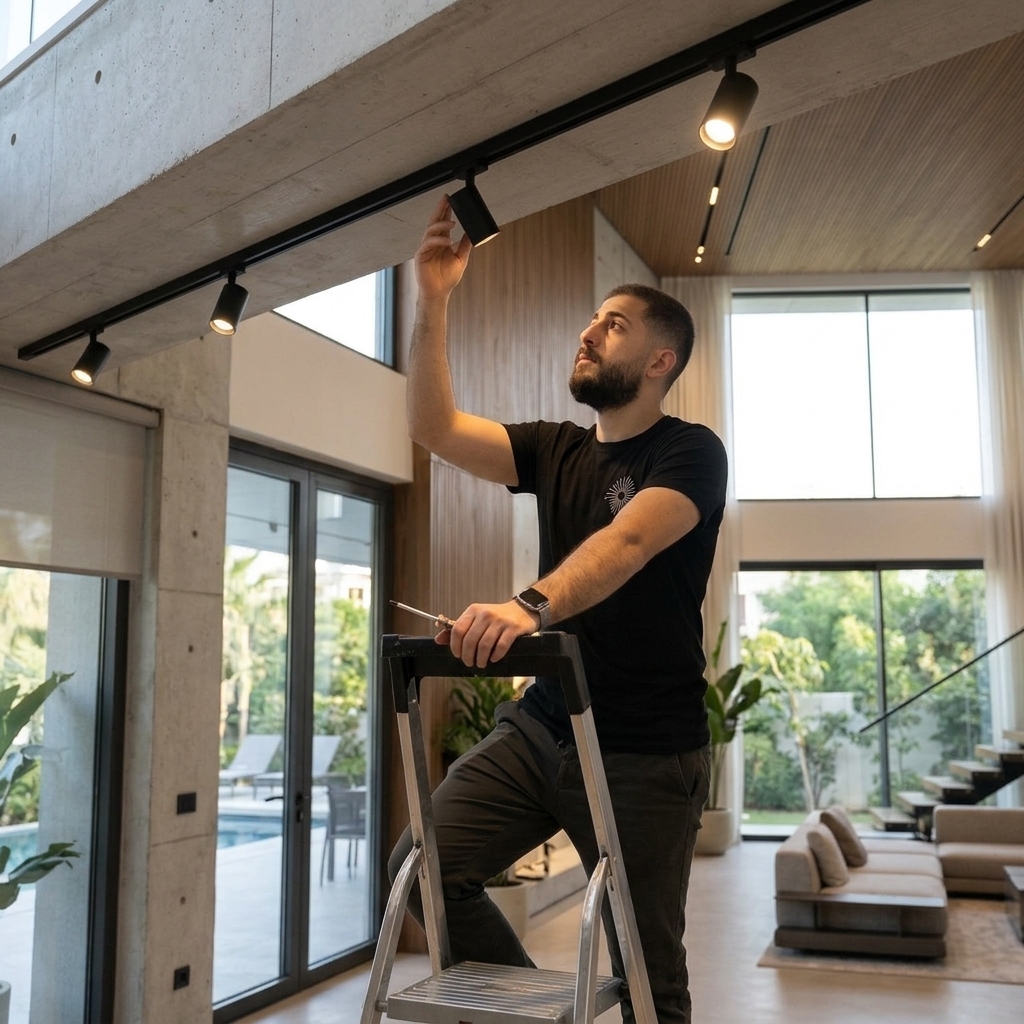
The phrase certified lighting consultant can refer to different professional credentials, so it’s worth checking what a particular designation actually means.
A certification may demonstrate professional competence in a defined area, but it should not be assumed to replace every qualification, approval, or authorization required for work on a particular UAE project.
The Certified Lighting Designer Credential
The International Association of Lighting Designers offers the Certified Lighting Designer (CLD) credential. Its published program uses an evidence-based assessment of professional competence in architectural lighting design.
Applicants must demonstrate relevant experience and submit written evidence and project portfolio material for evaluation.
The credential is intended to assess whether an individual can perform as a lead architectural lighting designer to the required professional standard.
Clients can check the certification organization’s official directory when verifying an individual’s current designation.
Other Lighting Credentials
Other organizations offer credentials with different scopes.
For example, the Illuminating Engineering Society maintains a resource listing various lighting-industry certifications, including credentials from separate professional and trade organizations.
The IES explicitly notes that its listing does not constitute endorsement or support of those certifications.
This is a useful reminder to investigate what each credential covers rather than treating every designation as equivalent.
What to Check Before Hiring a Consultant?
Ask about the professional’s education, experience, project portfolio, role in previous projects, and familiarity with the type of lighting required.
For work involving engineering calculations, electrical design, public infrastructure, or regulated installations, confirm that the professionals responsible hold the qualifications and approvals required for the relevant scope.
A credential can be a useful indicator, but it should be considered alongside practical experience and the quality of the proposed service.

LIGHTING CONSULTANT IN UAE
Lighting projects in Dubai and Abu Dhabi need to be planned around the building’s function, project documentation, construction process, and applicable authority requirements.
A consultant can help organize these decisions, but the exact responsibilities depend on the appointment and the wider project team.
Dubai: Building and Electrical Coordination
For Dubai projects, the design team should consult the applicable Dubai Building Code, relevant DEWA requirements, and the conditions attached to the specific development and approval process.
The lighting design should be coordinated with the architectural and electrical drawings.
Where the project requires specific lighting calculations, power limits, controls, or other documentation, those requirements should be identified before the design is finalized.
A lighting report can support the technical review, but it should not automatically be treated as an authority approval or a replacement for the complete electrical design.
Abu Dhabi: Electrical Installation Requirements
For Abu Dhabi projects, the Department of Energy’s Electricity Wiring Regulations provide an important reference for low-voltage electrical installations.
The project team should confirm the applicable regulations and determine which drawings, calculations, testing procedures, and approvals are required for the particular building.
Lighting consultants, electrical consultants, contractors, and other specialists should have clearly defined responsibilities for the relevant documents and installation work.
The Typical Project Timeline
The consultant should ideally be involved early, when architectural layouts and ceiling arrangements can still be coordinated.
The process often moves through the project brief, lighting concept, layouts, product selection, technical calculations, construction documentation, procurement, installation reviews, and commissioning.
The exact sequence varies by project. For a renovation, the process may begin with a site assessment, while a large development may require several design reviews and package approvals.
Deliverables and Responsibilities
A written scope should explain what the consultant will provide.
Deliverables may include concept designs, lighting layouts, fixture schedules, technical specifications, calculations, control concepts, and site or commissioning support.
The scope should also identify what is excluded, such as complete electrical engineering, formal authority submissions, product supply, or installation, unless those services are specifically included.
Clear responsibilities help avoid gaps between the lighting intent and the construction work.
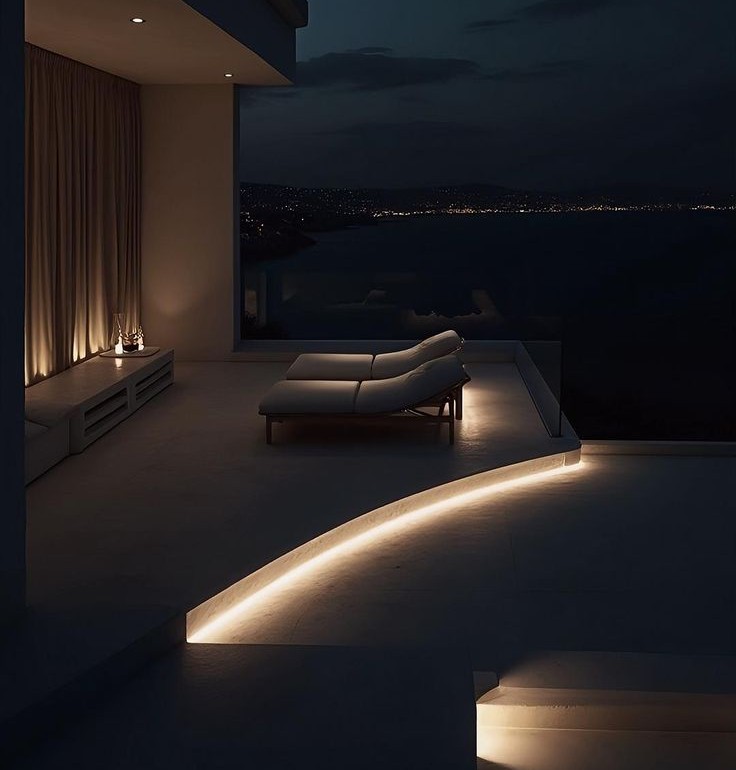
HOW TO CHOOSE THE RIGHT LIGHTING CONSULTANT iN UAE?
The right consultant is not necessarily the company with the largest portfolio or the most expensive products.
The better question is whether the professional can understand the project’s needs and translate them into a lighting scheme that can be built, tested, and maintained.
Review Relevant Project Experience
Look for work that resembles the project being planned.
A specialist in luxury residential interiors may bring useful expertise to a villa, while a street lighting or industrial project may require a different technical background.
Ask how the consultant approaches lighting layers, product selection, calculations, controls, coordination, and commissioning.
Confirm the Technical Deliverables
Before appointing the consultant, confirm whether the service includes lighting layouts, fixture schedules, photometric calculations, visualizations, control specifications, and installation support.
Check whether calculations use actual product photometric data and whether revisions are included when products or layouts change.
Compare Scope Rather Than Just Price
Two quotations may describe a “lighting consultation” while offering substantially different levels of service.
One may cover an initial meeting and recommendations, while another may include detailed drawings, calculations, product specifications, and construction reviews.
Compare the deliverables and responsibilities carefully so the selected service matches the project’s needs.
Ask About Commissioning and Handover
Lighting performance can change during installation because of product substitutions, different mounting heights, or adjustments made on site.
Ask how those changes will be reviewed and whether commissioning or final aiming is included. The consultant should also clarify what documentation will be provided for future maintenance.

FINAL THOUGHT
A lighting consultant connects the visual idea of a building with the technical decisions that make the lighting work in practice.
The role can include design intent, product selection, calculations, coordination, controls, and commissioning, depending on the scope of the project.
For homeowners, developers, architects, and businesses in the UAE, the value lies in resolving important questions before they become expensive construction problems.
Good planning can improve visual comfort, reveal architectural details, support energy management, and make the completed lighting system easier to operate and maintain.
The best results come from clear project requirements, accurate product information, suitable technical criteria, and a consultant who understands both the creative and practical sides of lighting.
Whether the project is a private villa, office, hotel, retail space, or public road, lighting should be designed around the people who will use the space and the purpose the space needs to serve.


Related Posts
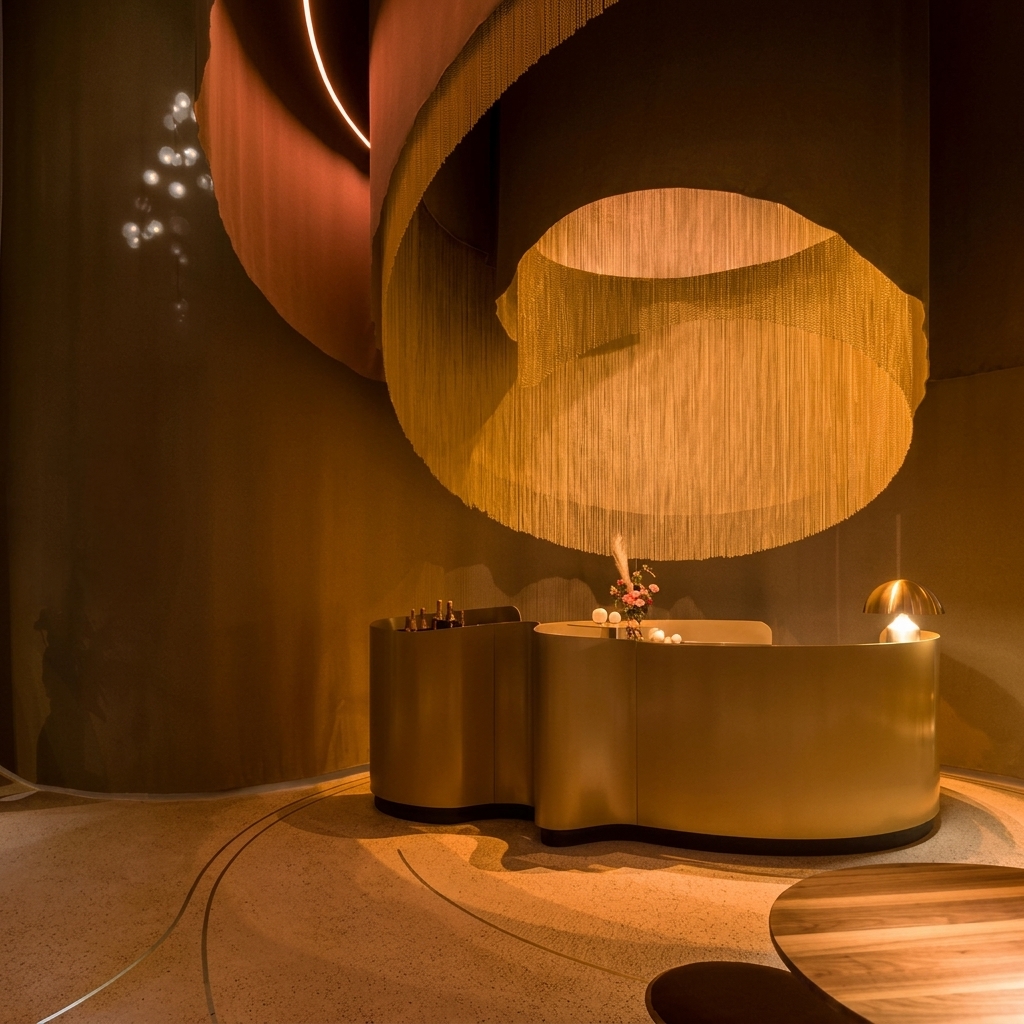
Hospitality Lighting in Dubai and Abu Dhabi for Luxury Hotels and Resorts
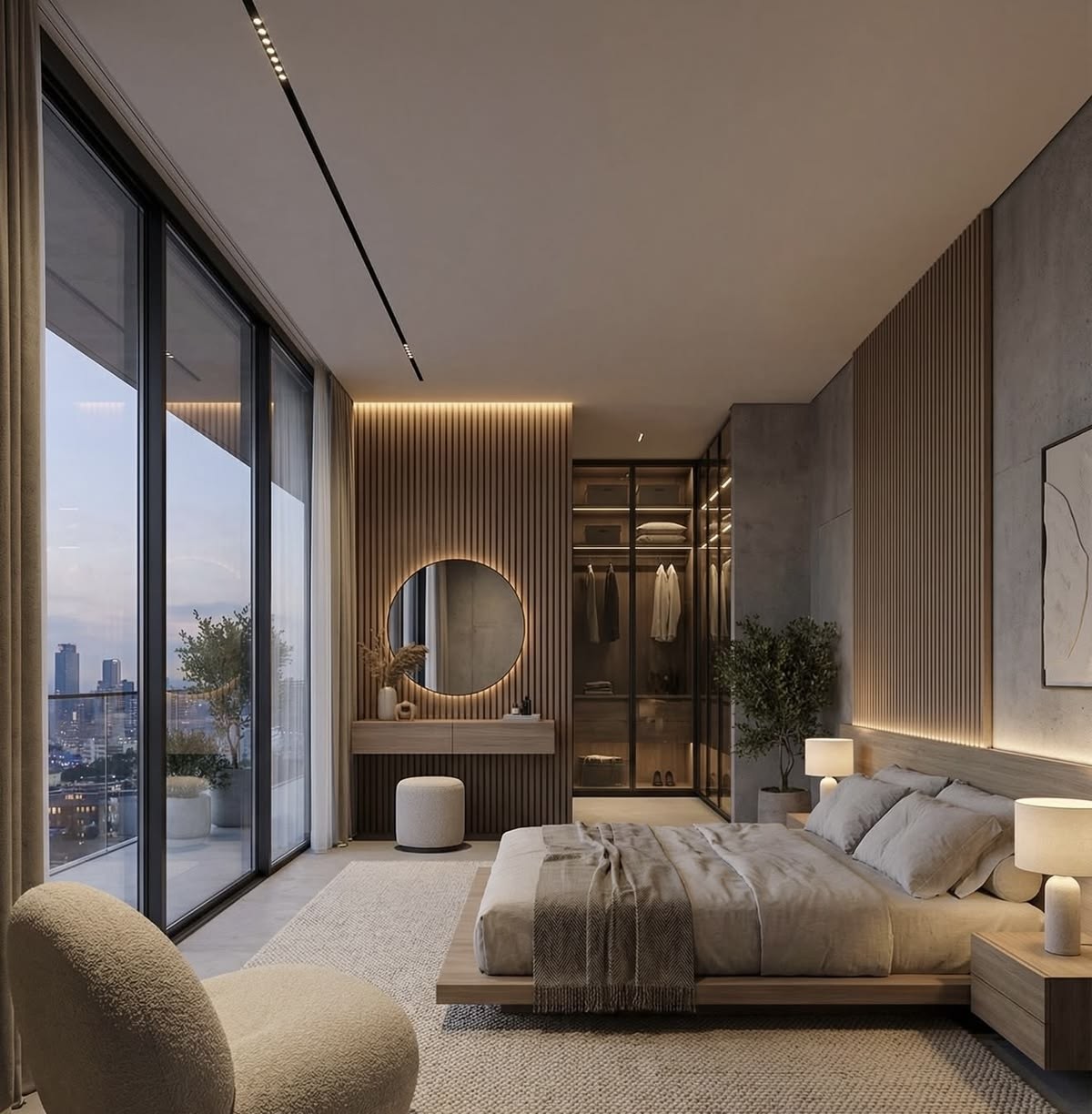
Hotel Lighting Design in UAE: for Hospitality Projects in Dubai and Abu Dhabi (2027)
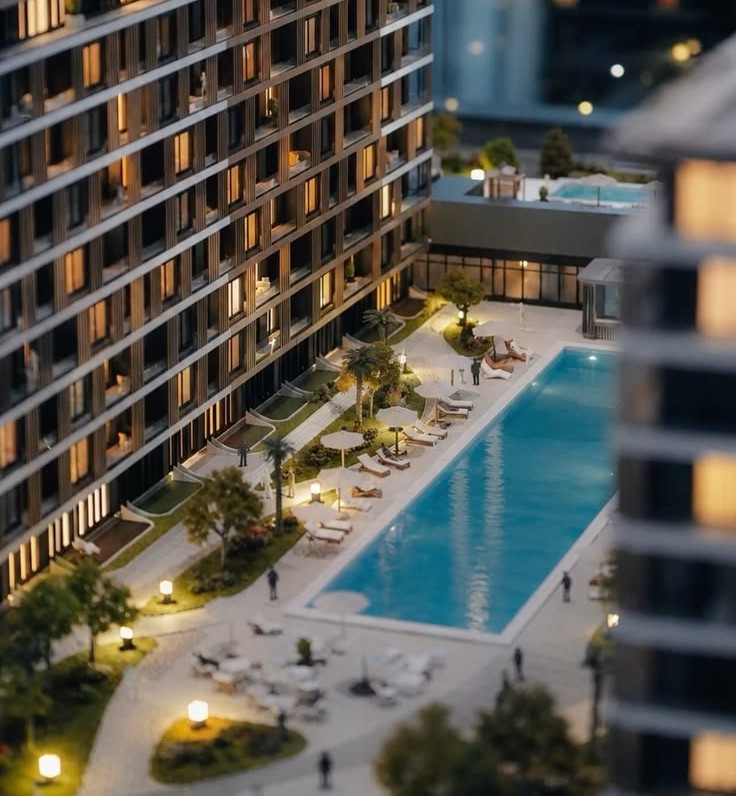
Lighting Design for Large Residential Projects: Villas, Apartments, and Residential Towers in UAE
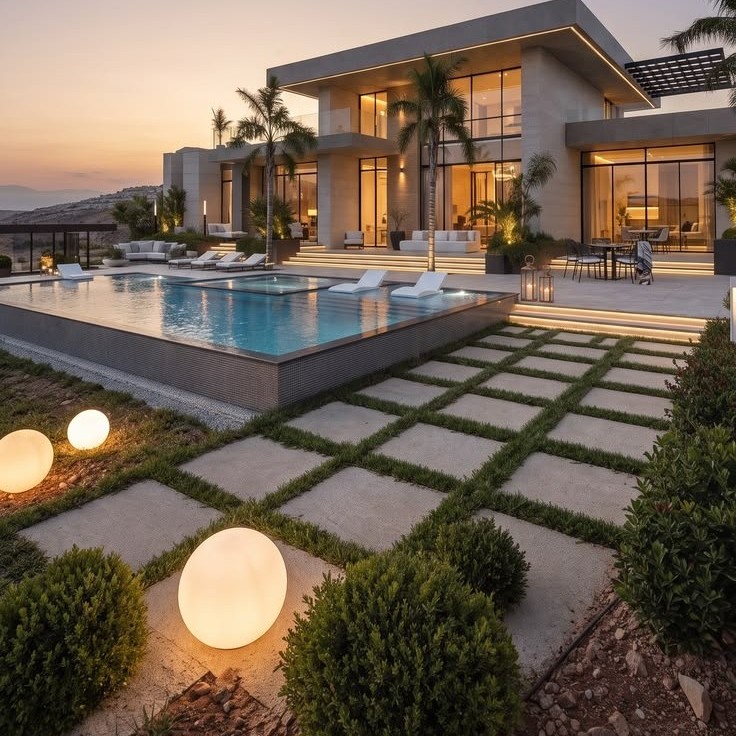
Lighting Design for Property Developers in Dubai: Residential and Commercial Projects
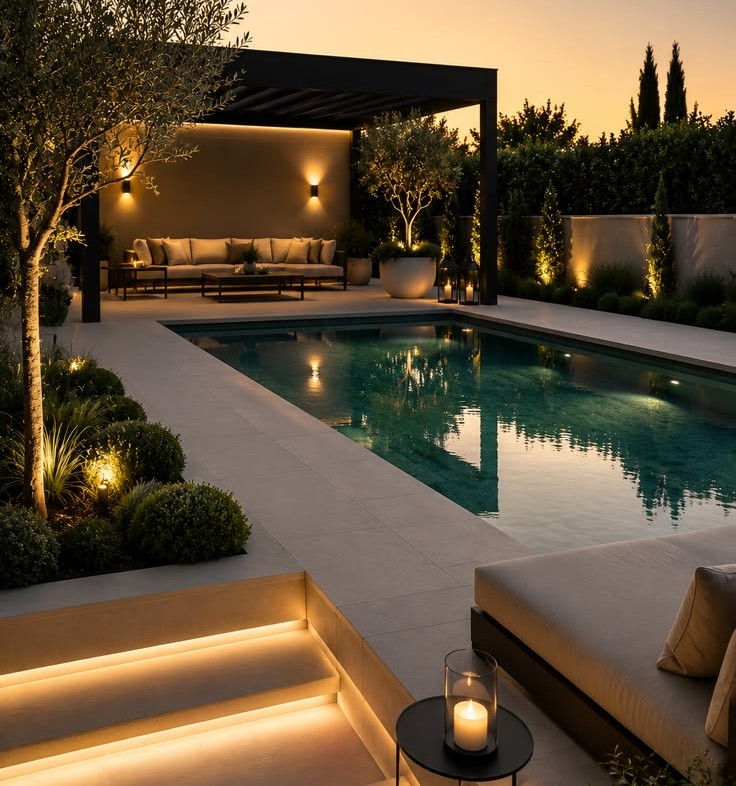
Outdoor Lighting Design for Villas, Pools, and Landscapes in Dubai and Abu Dhabi
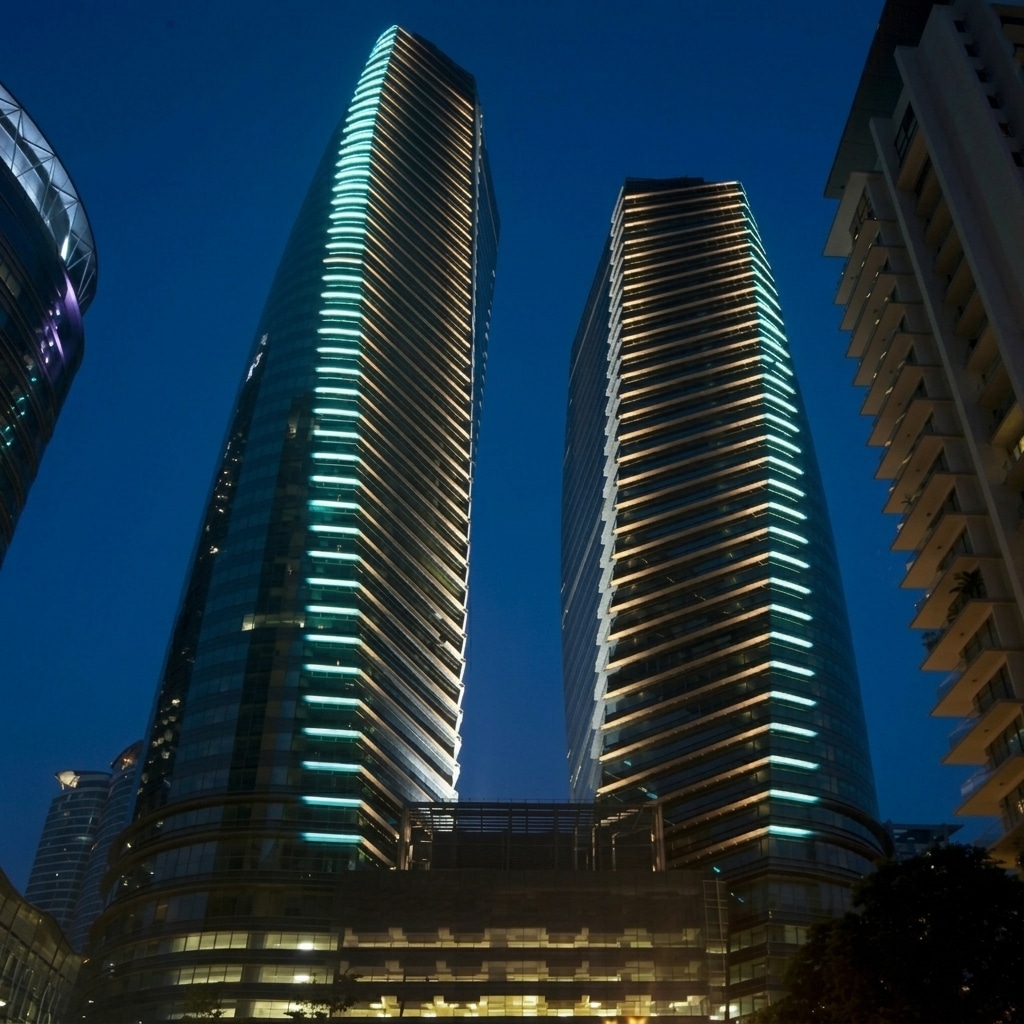
Skyscraper Facade Lighting in UAE: A Guide for CEOs, Contractors, and Architects
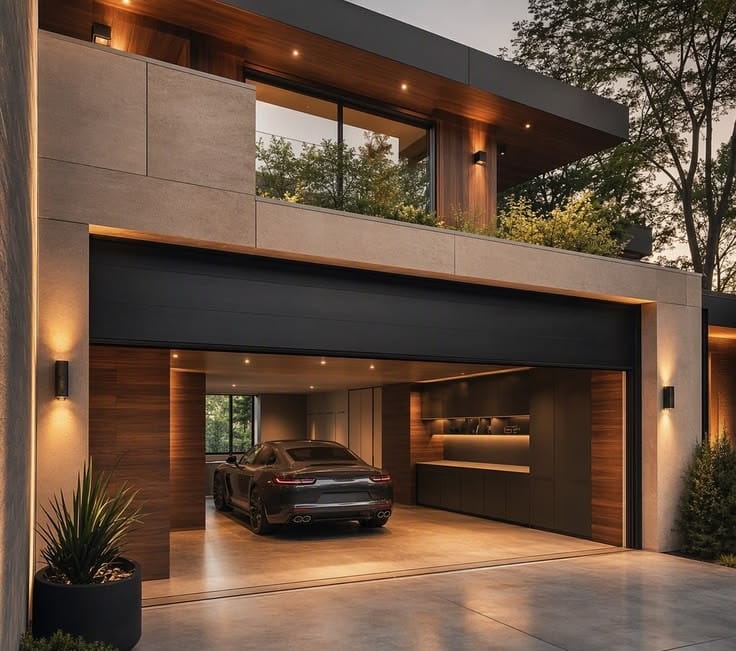
Villa Lighting Design in Dubai and Abu Dhabi: A Complete Guide in 2027

Staircase Light Design in UAE for Homes, Villas, & Large Malls
