
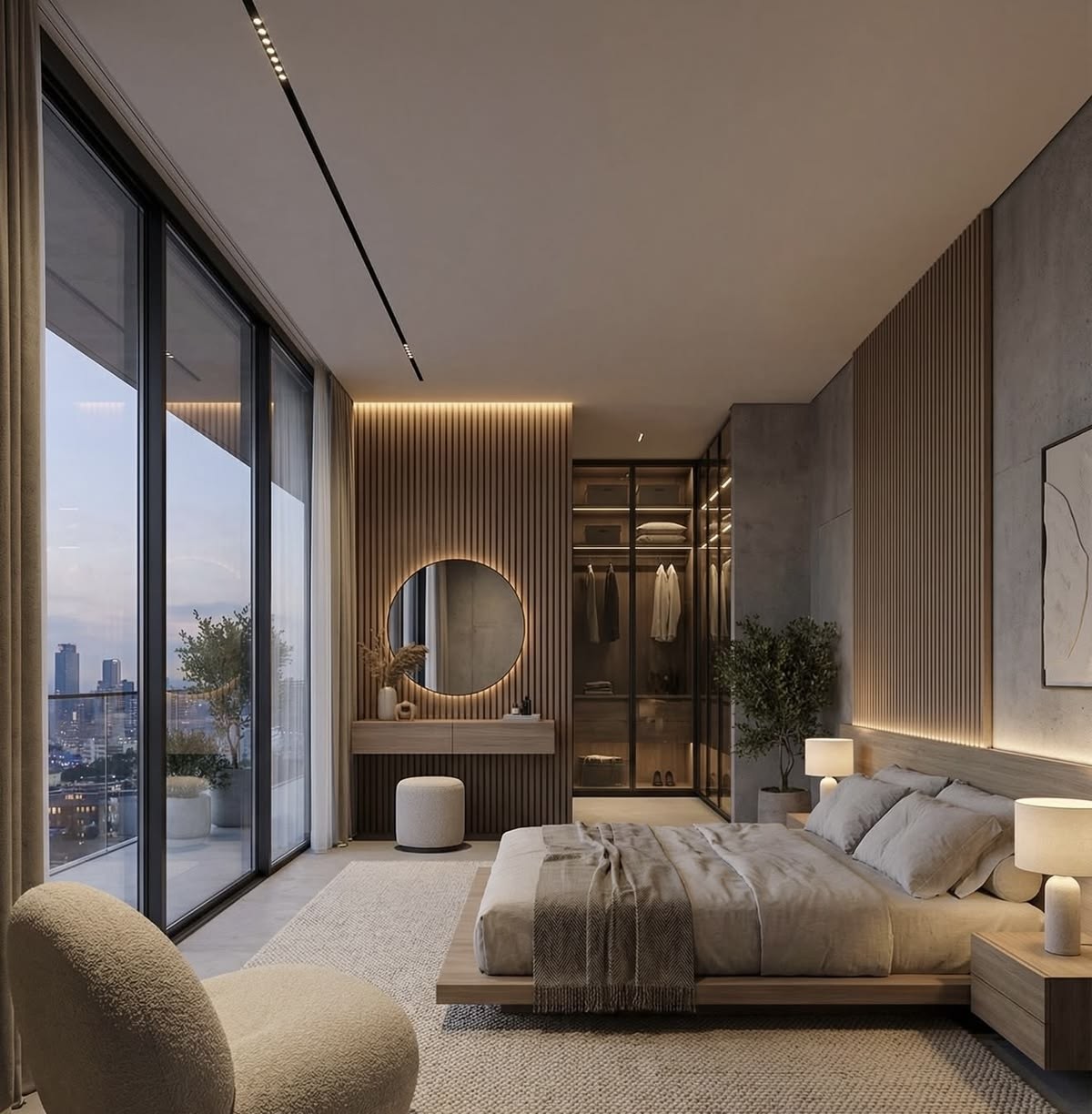
Hotel Lighting Design in UAE: for Hospitality Projects in Dubai and Abu Dhabi (2027)
Walking into a hotel and immediately feeling something is comfortable here is, in a nutshell, what lighting design aspires to achieve.
That reaction is rarely the result of one beautiful chandelier, of course.
It usually comes from a complete hotel lobby lighting design or scheme in which fixtures, light distribution, color, controls, and architecture work together, especially for high end hotels in UAE.
Indeed, the high-end Hotel lighting design in UAE is often the result of a combination of technical planning and creative decision-making.
It determines how guests experience the building, how staff use different spaces, and how the property looks throughout the day and night.
For hotel owners, developers, architects, and hospitality operators in Dubai and Abu Dhabi, lighting also has a practical side.
It affects energy consumption, maintenance access, operating flexibility, and the way expensive materials appear under artificial light.
A successful hotel lighting project therefore needs more than attractive fixtures because it is more complex compared to a villa lighting design, for instance.
Often, it requires a coordinated strategy that considers the guest experience, the function of each space, the right technical specifications, and the requirements that apply to the building.

HOTEL AND HOSPITALITY LIGHTING DESIGN IN DUBAI
The first thing to understand about hospitality or hotel lighting design in UAE is that one type of light rarely does everything well.
A ceiling fixture might provide general illumination, but it may not create the atmosphere needed for a luxury restaurant or reveal the texture of an architectural wall.
That is why, when given a hotel project, a professional lighting consultant in UAE might recommend a design that combines ambient, task, and accent lighting.
These layers serve different purposes while contributing to one coordinated result.
Ambient Lighting for General Illumination
Ambient lighting provides the overall illumination needed for people to move through and use a space comfortably.
Depending on the hotel, it may come from recessed downlights, ceiling fixtures, indirect lighting, or light reflected from walls and ceilings.
The goal is not necessarily to make every surface equally bright.
The designer should establish an appropriate background level while considering room dimensions, ceiling height, surface reflectance, and the activities taking place.
Task Lighting for Practical Activities
Task lighting provides focused illumination where people need to see details clearly.
In a hotel, this includes reception desks, reading areas, bathroom mirrors, workstations, and food preparation areas.
A well-positioned light source can make a task easier without forcing the entire room to become brighter.
Its placement should account for the user’s position, surrounding surfaces, and potential shadows.
Accent Lighting for Architecture and Atmosphere
Accent lighting draws attention to selected features, such as artwork, stone walls, decorative columns, textured materials, plants, and architectural details.
Adjustable spotlights, wall washers, and concealed LED strips can create contrast and depth.
The designer needs to consider the beam angle, aiming direction, distance from the surface, and the material’s reflective characteristics.
How the Layers Work Together?
The most effective schemes combine these layers without allowing one to overwhelm the others.
A hotel lobby, for example, may use ambient lighting for general comfort, focused lighting at the reception desk, and accent lighting on a textured feature wall.
Separate controls can make the arrangement more flexible.
Staff may use a brighter scene during cleaning or setup and a softer arrangement during quieter hours, provided the selected equipment and controls support those settings.
The Illuminating Engineering Society’s ANSI/IES RP-9-23 recommended practice for hospitality spaces specifically addresses hotel lighting as an integrated system of layers and distinct illuminated areas.

MODERN HOTEL LIGHTING DESIGN IN UAE
Modern hotel lighting is not defined by a particular style of fixture.
It is better understood as a coordinated approach that combines visual quality, practical performance, suitable products, and the ability to adapt lighting to different activities.
A contemporary boutique hotel and a large luxury resort may look completely different, yet both need lighting that supports their architecture and operating requirements.
Lobby and Reception Lighting
The lobby is where the guest’s journey begins.
It needs to establish the property’s identity while helping people recognize the reception desk, waiting areas, circulation routes, and other important features.
A decorative centerpiece can create a focal point, but the surrounding lighting matters just as much.
Vertical illumination can make walls and materials more visible, while carefully positioned accent fixtures can reveal architectural details.
The reception desk also needs functional lighting.
Staff should be able to read documents, verify information, and work comfortably without excessive glare affecting either employees or guests.
Restaurant, Bar, and Lounge Lighting
Restaurants need lighting that makes food, drinks, materials, and faces look appealing. Bars may use more dramatic contrast, illuminated shelving, and decorative fixtures to create a distinctive atmosphere.
The design should reflect the venue’s identity rather than follow a universal formula.
A relaxed resort restaurant, a business hotel dining area, and a lively cocktail bar have different requirements.
Dimming can help the same space serve different purposes throughout the day.
However, the system should be tested at the actual intended settings, since some LED drivers and dimmers can produce flicker or inconsistent performance at low output.
Meeting Rooms and Event Spaces
Meeting rooms require adequate light for reading, presentations, and communication.
They may also need lighting scenes that work with projection screens and video conferencing.
Ballrooms and multifunction spaces introduce another challenge. A room used for conferences in the morning may host a wedding reception in the evening, so flexibility becomes a central design requirement.
The lighting, controls, and fixture arrangement should be planned around these different scenarios from the beginning.
Fitness Centers, Spas, and Leisure Areas
A fitness center generally needs comfortable visibility for exercise and equipment use, while a spa may aim for a quieter atmosphere and more controlled transitions between treatment areas, relaxation rooms, and circulation spaces.
Pool areas and outdoor leisure facilities require appropriate products for the environmental conditions.
The scheme should also coordinate decorative effects with functional lighting and any applicable safety requirements.

HOTEL ROOM LIGHT DESIGN
A hotel room has to support several different activities.
A guest may arrive after a long flight, work at a desk, unpack a suitcase, read in bed, use the bathroom, and finally prepare to sleep.
One fixed lighting arrangement is unlikely to serve all these activities equally well. The design should allow the room to change character without becoming difficult to use.
Choosing the Right Color Temperature
Correlated color temperature, expressed in kelvins (K), describes the apparent warmth or coolness of white light. Lower values generally appear warmer, while higher values appear cooler.
Warm-white lighting is often considered for bedrooms, lounges, and other areas intended to feel relaxed.
More neutral lighting may suit certain work surfaces or functional zones, depending on the task and the property’s design concept.
There is no single-color temperature that is right for every hotel space. The choice should reflect the materials, intended atmosphere, guest activities, and relationship between adjacent areas.
Consistency also matters. Two fixtures with different color characteristics can make the same wall or fabric appear noticeably different, even when the products have similar nominal color temperatures.
Tunable White and Adjustable Lighting
Tunable-white luminaires allow the apparent color temperature to change within the product’s specified range.
When supported by compatible controls, this can provide a more adaptable approach to different times of day and room functions.
However, tunable white is not automatically necessary in every guest room. It introduces additional equipment, control requirements, and commissioning considerations, so its benefits should justify the extra complexity.
A well-designed room with reliable dimming, suitable color quality, and intuitive switching can be more useful than a sophisticated system that guests find confusing.
Color Quality and Material Appearance
Color rendering affects how accurately a light source reveals the colors of objects and surfaces.
This is especially important in hotel rooms, where guests may use mirrors, choose clothing, or evaluate the appearance of finishes.
The Color Rendering Index (CRI) is one widely used measure. Some products also provide additional information about rendering saturated red, commonly expressed as the R9 value.
The appropriate specification depends on the application and the quality objectives of the project.
Designers should review manufacturer test data rather than assuming all LED products with the same color temperature will render materials identically.
HOTEL PENDANT LIGHTING
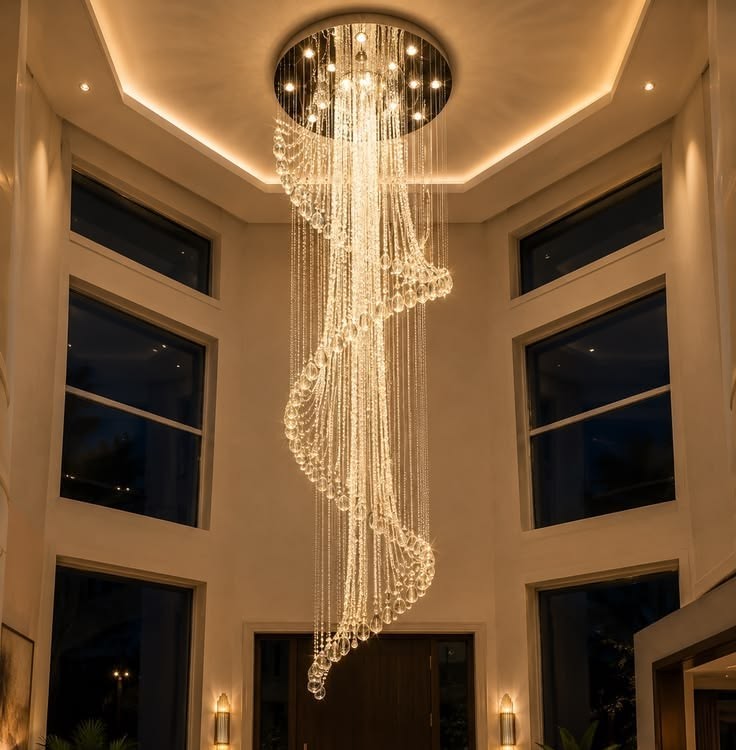
Pendant lights can give a hotel a distinctive visual identity.
They may hang above a restaurant table, define a lounge seating area, add character to a guest room, or create a repeated rhythm along a bar.
But decorative lighting still needs to perform properly.
A fixture that looks excellent in a catalog may produce the wrong distribution, excessive brightness, or uncomfortable glare when installed in the actual space.
Scale, Suspension Height, and Placement
The first consideration is the relationship between the pendant, the room, and the people using it.
A fixture that is too small can disappear in a large space, while an oversized fitting may dominate a smaller dining room.
Suspension height also matters. A pendant above a table needs to provide the intended visual effect without obstructing sightlines or creating glare for seated guests.
In areas with tall ceilings, the designer should consider how the fixture appears from several viewpoints, including nearby seating, entrances, and upper-level balconies.
Light Output and Distribution
A pendant’s appearance does not tell the full story of how it distributes light.
Some fixtures direct most of their output downward, while others provide diffuse light or illuminate the surrounding ceiling.
The chosen distribution should match the task.
Lighting above a restaurant table, for example, may need to emphasize the table surface without producing excessive brightness in the faces of nearby diners.
For decorative products with visible light sources, suitable shielding or diffusing elements can help reduce discomfort.
Product Quality and Maintenance
Hotel fixtures may operate for extended periods, so the product specification should consider durability, driver access, warranty conditions, cleaning requirements, and replacement availability.
For projects with many identical pendants, a consistent product schedule helps with procurement and future maintenance.
Custom or made-to-order fixtures should be reviewed early enough to account for their production and delivery schedules.


CHANDELIER DESIGN FOR LOBBY
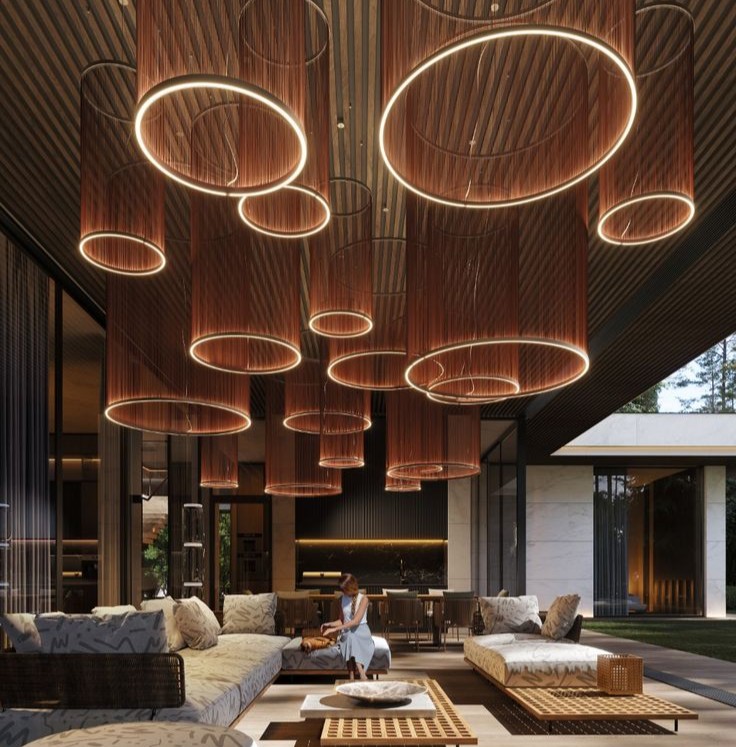
A chandelier can become one of the most recognizable features of a hotel lobby.
In a high-ceiling entrance, it can establish scales and guide the eye upward. In a more intimate reception area, a smaller decorative composition may provide a focal point without overwhelming the space.
The best chandelier design is not simply the largest available fitting.
It is the fitting that works with the architecture, circulation, surrounding materials, and overall lighting concept.
Choosing a Chandelier That Fits the Architecture
The chandelier should be considered in relation to the lobby’s dimensions, ceiling geometry, reception desk, seating arrangement, and major viewing angles.
A dramatic fitting might work well beneath a double-height ceiling, but its proportions and mounting position need to remain appropriate when viewed from the entrance and upper floors.
The surrounding lighting should complement the centerpiece rather than compete with it.
Recessed fixtures, wall washers, and concealed lighting can provide visual balance while maintaining useful illumination.
Structural Support and Installation Planning
Large chandeliers require careful coordination with the building structure.
The mounting method must be appropriate for the fixture’s weight and the support available, following the manufacturer’s instructions and the project’s engineering requirements.
Installation access and future maintenance also need attention. Replacing a component in a high-level decorative fitting can be costly or disruptive if suitable access is not planned.
These decisions should be resolved during design and construction coordination, not left until the final installation stage.
Using Controls to Protect the Intended Effect
A chandelier can dominate a lobby if it operates at full output regardless of daylight or the surrounding conditions.
Compatible dimming and coordinated lighting scenes can help maintain the desired relationship between the centerpiece and the rest of the room.
Any proposed dimming system must be checked against the actual fixture, driver, and control equipment. Not every decorative fitting supports every dimming method.
GUEST ROOM LIGHTING DESIGN
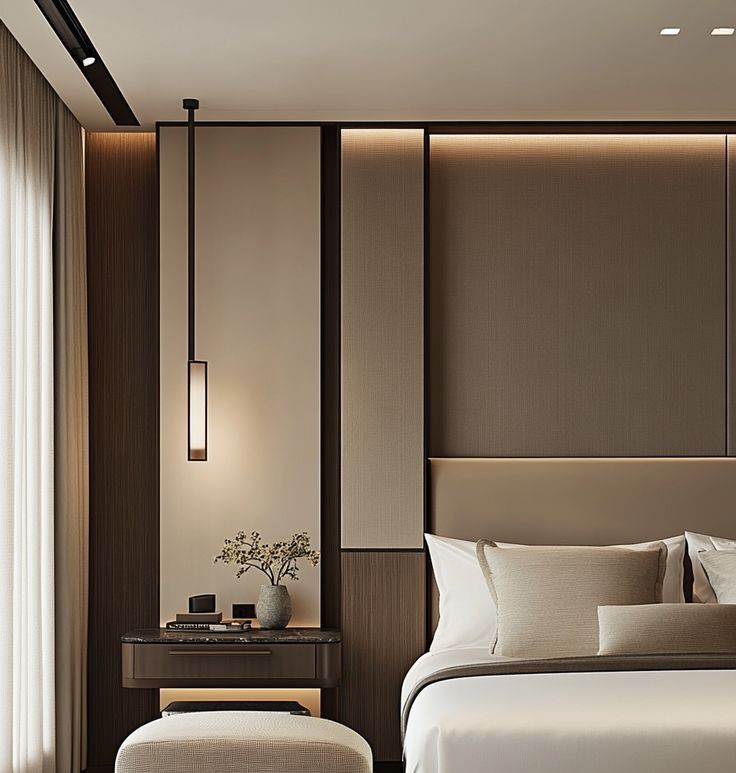
Guest room lighting works best when it feels intuitive.
Guests should not need to learn a complicated control system just to read in bed, brighten the bathroom, or turn off the lights when leaving.
The design should balance the room’s visual character with clear control choices and convenient access to frequently used switches.
A Useful Combination of Lighting Sources
A typical guest room may include general ceiling lighting, bedside reading lights, desk lighting, decorative fixtures, and bathroom illumination.
Depending on the room design, concealed lighting may also be used around headboards, cabinetry, or architectural details.
These sources should be planned as a coordinated system. The aim is to provide the light needed for each activity without forcing every fixture to operate at once.
Intuitive Controls and Lighting Scenes
Room controls may provide separate switching, dimming, or preset scenes.
The right arrangement depends on the hotel’s service concept, budget, automation system, and guest expectations.
Common functions might include a general room scene, a reading setting, a softer evening scene, and convenient all-off control.
These functions should be clearly labeled and tested by people who have not been involved in the design.
Connected lighting systems may also communicate with room-management platforms.
Depending on the selected system, this can support occupancy-based operation, scheduled settings, and operational monitoring.
Balancing Guest Comfort with Energy Use
Hotels need to provide comfortable lighting while managing energy consumption across many rooms.
Efficient LED products, appropriate control strategies, and occupancy-aware operation can help reduce unnecessary use.
The savings depend on the starting conditions, product performance, control settings, occupancy patterns, and how the system is commissioned.
They should be evaluated for the actual property rather than assumed from a generic percentage.
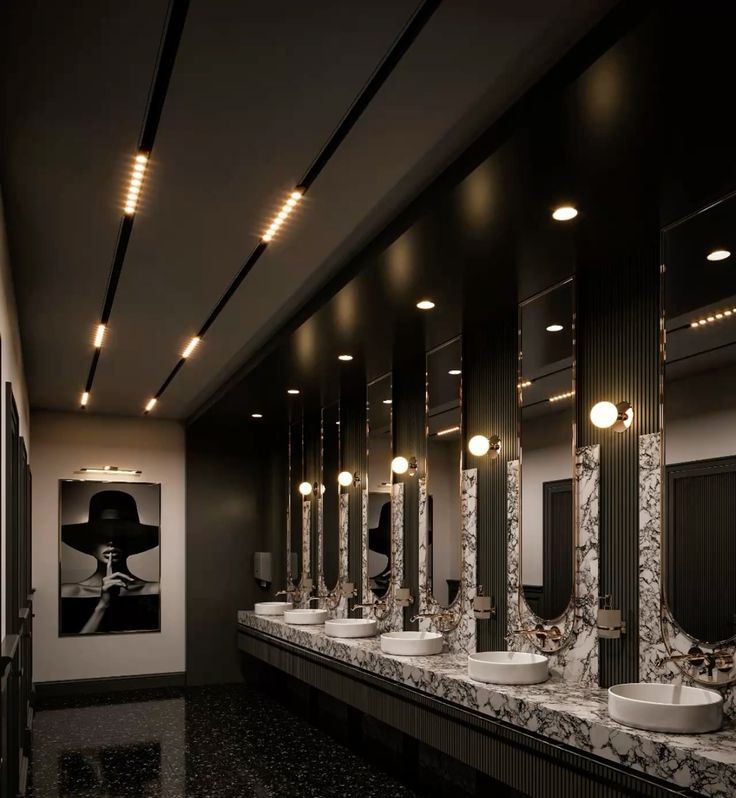
HOTEL BEDROOM LIGHTING DESIGN
The bedroom is often where guests spend the most private part of their stay. Its lighting should support comfort and practical activities without forcing the room into a single mood.
A thoughtful arrangement lets guests move from unpacking or working to reading and relaxation with minimal effort.
Bedside Lighting and Reading
Bedside lighting should be easy to reach and direct enough to support reading without creating unnecessary glare for another person in the bed.
Adjustable wall-mounted fixtures, table lamps, or integrated reading lights may all be appropriate, depending on the room’s layout.
The mounting height and beam direction should be checked against the actual bed and headboard dimensions.
Wardrobes, Desks, and Mirrors
Wardrobe lighting helps guests see clothing and organize their belongings.
Desk lighting should support work while minimizing reflections on screens, and mirror lighting should provide a suitable view of the face.
These requirements may call for separate fixtures or control zones.
The design should also consider color rendering and consistency, particularly where several sources illuminate the same finish or surface.
Night Lighting and Dark Adaptation
Low-level night lighting can help guests move around the room without switching on the brightest fixtures.
This may be achieved with a carefully controlled low-level source or a dedicated night-light feature.
It should be subtle enough to avoid disturbing sleep while still providing useful visibility.
The lighting should also be coordinated with bathroom access, furniture placement, and any required safety provisions.

HOTEL CORRIDOR LIGHTING DESIGN
Hotel corridors are easy to overlook during design because guests may spend relatively little time in them.
Yet these spaces connect the lobby, elevators, guest rooms, and other facilities, so they play an important role in helping people find their way.
A good corridor lighting scheme creates continuity without making the space feel monotonous or excessively bright.
Consistent Lighting and Clear Navigation
Lighting should help guests recognize doors, room numbers, directional signs, and changes in the corridor layout. The arrangement should avoid dark patches that make signs or doorways difficult to distinguish.
The appropriate light level depends on the corridor’s dimensions, surface reflectance, intended use, and the relevant design criteria.
The designer should verify performance through calculations and review the actual visual conditions rather than applying the same fixture spacing to every hallway.
Elevator Lobbies and Transition Areas
The lighting experience continues from the elevator into the corridor and toward the guest room. Abrupt changes in brightness can feel uncomfortable, especially when a guest moves between differently lit spaces.
Elevator lobbies may also need to highlight lift doors, controls, signage, and nearby circulation routes. Wall lighting and carefully directed accent fixtures can add character without compromising orientation.
Maintenance and Emergency Lighting
Corridor fixtures are often repeated across multiple floors, making product consistency and maintenance access especially important.
Drivers and other components should be accessible using an agreed maintenance method.
Emergency and egress lighting is a separate life-safety requirement.
It must be addressed through the approved design and applicable standards, rather than assumed to be satisfied by the decorative corridor lighting.

LIGHTING DESIGN FOR RESORTS (INDOOR AND OUTDOOR EXPERIENCES)
Resorts often combine guest rooms, restaurants, pools, spas, pathways, landscape, gardens, outdoor lounges, and recreational facilities.
Guests experience these areas as part of one property, so the outdoor lighting design should support a coherent journey from arrival to relaxation.
At the same time, each space needs products and controls that suit its function and environment.
Landscape Lighting and Outdoor Circulation
Landscape lighting can help define paths, steps, planting, trees, and architectural boundaries.
The designer should decide which features need emphasis and which areas need practical illumination for movement.
Using fewer, well-directed fixtures can sometimes produce a clearer result than illuminating every tree or surface. Beam control and shielding should help limit glare and unwanted light spill.
Poolside and Covered Terrace Lighting
Pool areas require suitable products, electrical coordination, and attention to the relevant safety requirements.
Covered terraces and outdoor dining spaces need fixtures selected for their actual environmental exposure.
The lighting should also respect the way the space is used. A restaurant terrace may need functional light for dining, while a pool lounge may call for more subtle ambient and accent lighting.
Managing the Nighttime Appearance of the Property
Exterior lighting must be designed with its surroundings in mind. Excessive facade lighting can create glare, affect nearby properties, and direct unnecessary light upward.
The Dubai Building Code includes provisions addressing exterior lighting power, shielding, automatic controls, and light spill beyond building facades.
The precise requirements should be checked against the applicable edition and project approval conditions.
For hotels in Dubai and Abu Dhabi, the design team should confirm the relevant local requirements during planning and again before final approval, especially for projects progressing into 2027 and 2028.

HOTEL LIGHTING IDEAS (COLOR QUALITY, CONTROLS, AND EFFICIENCY)
Good hotel lighting ideas are not simply trends copied from photographs.
They are solutions selected for the property’s architecture, operating model, guests, and maintenance requirements.
Several practical considerations can make the difference between a design that looks good on paper and one that performs well after opening.
Specify Color Quality, Not Just Color Temperature
Two luminaires with the same color temperature can make stone, wood, textiles, and skin tones appear different.
Color rendering information can help the designer select products that show the materials appropriately.
For important finishes, sample testing or a mock-up can be useful before large quantities of fixtures are purchased. This is particularly helpful where the project includes custom stone, dark wood, metallic surfaces, or richly colored fabrics.
Use Lighting Controls for Real Operational Needs
Dimming, occupancy sensing, scheduled operation, and digital control systems can help match lighting to how spaces are actually used.
The DALI protocol, for example, supports group control, individual addressing, scene recall, and two-way communication with compatible devices.
DALI-2 certification helps specify products tested against the relevant interoperability requirements.
A connected system still needs proper design and commissioning. The control strategy should be understandable to staff, and its behavior should be tested before handover.
Consider Energy Use and Maintenance Together
Lighting efficiency is not determined by wattage alone.
It also depends on light output, distribution, operating hours, controls, and whether the fixture provides useful illumination where it is needed.
A practical hotel specification considers product efficacy, lifetime and warranty information, driver replacement, cleaning access, and the availability of spare parts.
A fixture that is difficult to maintain can create long-term operational costs even when its initial purchase price appears attractive.
Verify Lighting Performance Before Opening
For a new project or major refurbishment, calculations and sample installations can help verify important design decisions before the lighting scheme is repeated throughout the property.
Commissioning should confirm that controls behave as intended, fixtures are aimed correctly, dimming is stable, and the installed products match the approved specification.
The final result should be evaluated in the actual space, including evening conditions and the finishes that guests will see.
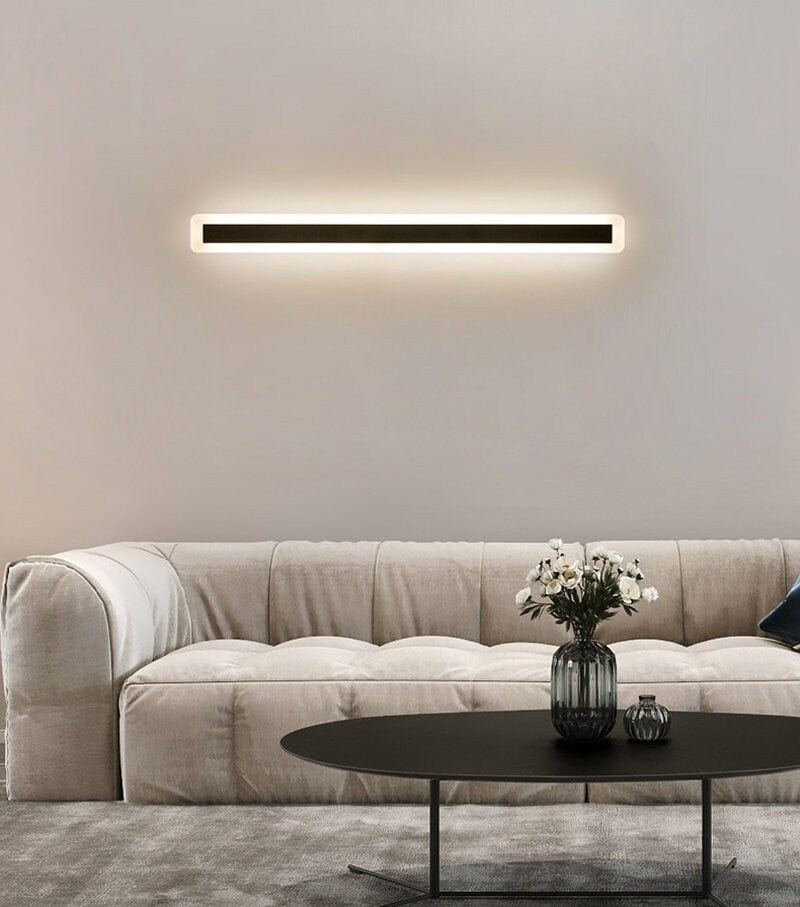
WHAT IS THE NORDIC LIGHT BARS?
The phrase “Nordic light bars” is not a standard technical category in the hospitality lighting.
It may be used informally to describe slim linear LED fixtures or bar-shaped decorative lights associated with Scandinavian-inspired, minimalist interiors.
Because the term is ambiguous, project teams should confirm the intended product rather than rely on the name alone.
Linear LED Bars and Minimalist Interiors
Linear fixtures can provide a clean architectural line above a reception desk, along a corridor, over a bar, or within a contemporary guest room.
Depending on the design, they may be surface-mounted, suspended, recessed, or integrated into joinery and ceiling details.
Their visual simplicity does not remove the need for technical checks.
The designer should evaluate light distribution, direct and reflected glare, mounting dimensions, driver access, and how the fixture relates to the surrounding architecture.
How to Specify a Linear Fixture for a Hotel?
The product specification should identify the exact model and its relevant performance characteristics.
These include luminous flux, wattage, color temperature, color rendering, dimming compatibility, mounting method, and any environmental rating required by the installation location.
For a long run of linear lighting, the designer should also consider continuity, joint details, driver locations, and maintenance access.
The intended effect should be confirmed with the actual product or a suitable sample.
If a supplier uses “Nordic light bars” as a product label, request a datasheet and installation documentation before incorporating the product into the approved lighting schedule.

PLANNING HOTEL LIGHTING PROJECTS IN DUBAI AND ABU DHABI
Similar to any other lighting design for large residential projects, a hospitality lighting project should begin early enough to influence the architecture and procurement schedule.
Waiting until interior finishes are nearly complete can limit the available choices and increase the risk of rework.
For projects planned, the design team should verify the standards, authority requirements, and approved product specifications that apply when the project is submitted and constructed.
Coordinate Lighting with Architecture and Services
The lighting layout needs to be reviewed alongside reflected ceiling plans, electrical drawings, air-conditioning layouts, sprinkler positions, and other relevant building services.
This coordination is especially important for recessed fixtures, concealed LED strips, large chandeliers, and decorative ceilings.
Fixture positions and mounting requirements should be agreed upon before the ceiling is closed.
Prepare the Right Documentation
The project package may include lighting layouts, product schedules, technical specifications, photometric calculations, control diagrams, and commissioning requirements.
The exact deliverables depend on the project scope and the responsibilities assigned to the designer and electrical consultant.
For Dubai projects, confirm the applicable Dubai Building Code and DEWA requirements.
For Abu Dhabi, consult the Department of Energy’s applicable Electricity Wiring Regulations and confirm any project-specific requirements with the relevant authorities.
Plan for Procurement and Handover
Decorative fixtures and custom lighting may have longer lead times than standard downlights.
Product availability should be checked before the design is finalized, and alternatives should be reviewed for both visual and technical performance.
At handover, the hotel team should receive useful product information, control instructions, and records of approved changes.
These documents support maintenance and help the operator keep the lighting system working as intended.

FINAL THOUGHT
Hotel lighting design is not simply about making a property look impressive after dark.
It is about creating a sequence of spaces that guests can understand, use, and enjoy, from the first moment in the lobby to the quiet of their room at night.
For hospitality projects in Dubai and Abu Dhabi, the best results come from treating lighting as part of the architecture and the hotel’s operating strategy.
Ambient, task, and accent lighting should work together, decorative fixtures should be selected for both appearance and performance, and controls should make sense to guests and staff.
The project also needs sound technical foundations: appropriate products, accurate specifications, coordinated drawings, reliable controls, and compliance with applicable local requirements.
When those decisions are made early and checked carefully, lighting becomes more than a finishing detail.
It becomes a practical way to express the hotel’s identity, support the guest experience, and manage the demands of day-to-day operation.


Related Posts
Hospitality Lighting in Dubai and Abu Dhabi for Luxury Hotels and Resorts
Lighting Consultant In UAE: Services, Benefits, and Costs for Villas and Large Projects
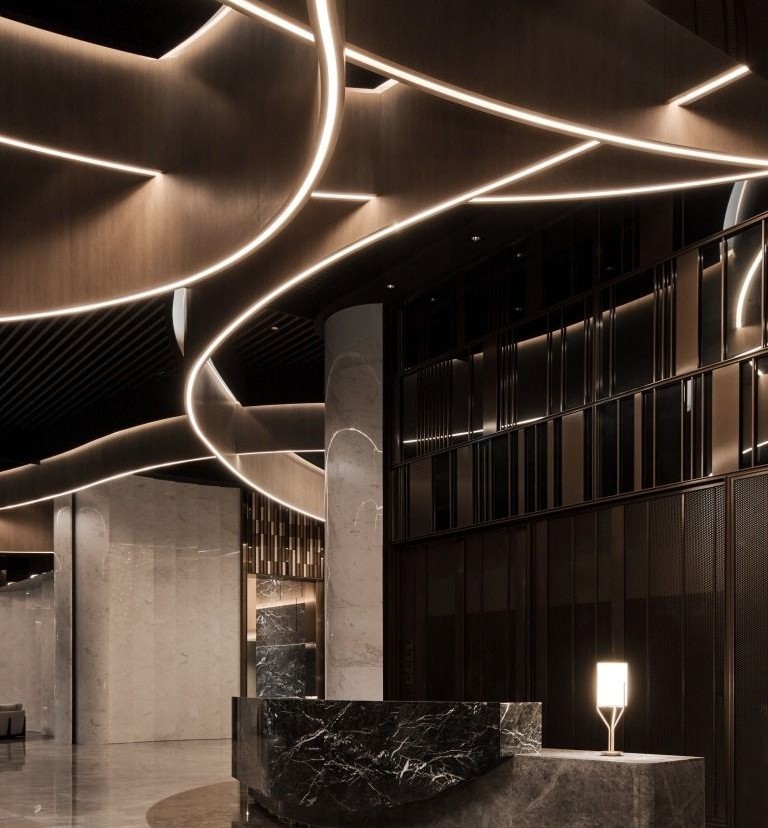
Hotel Lobby Lighting Design, Supply, and Installation in Dubai and Abu Dhabi
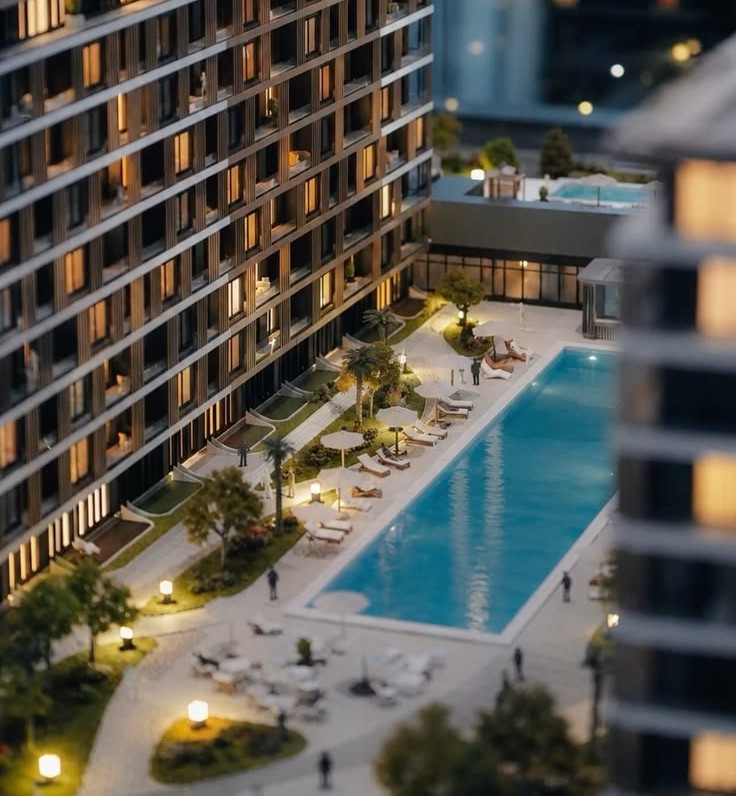
Lighting Design for Large Residential Projects: Villas, Apartments, and Residential Towers in UAE
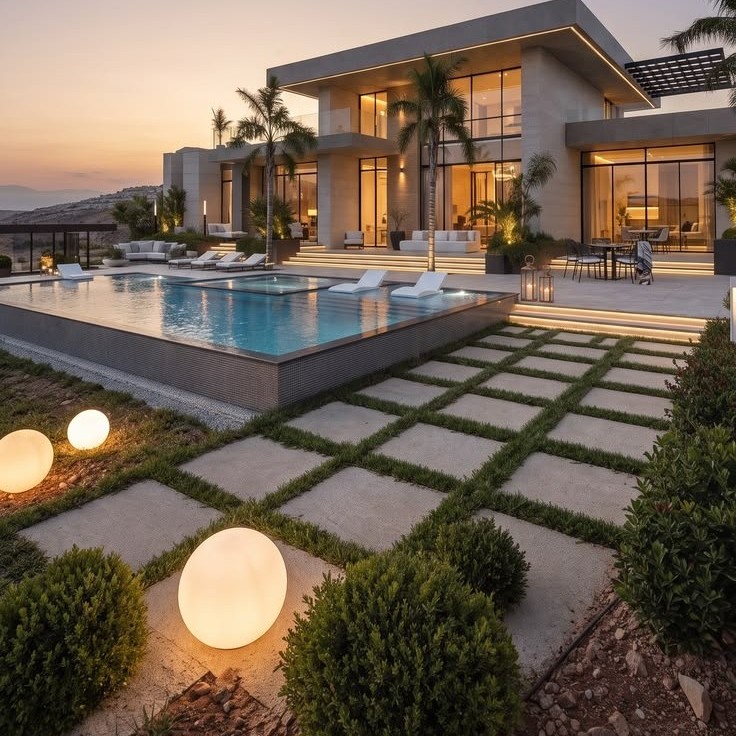
Lighting Design for Property Developers in Dubai: Residential and Commercial Projects
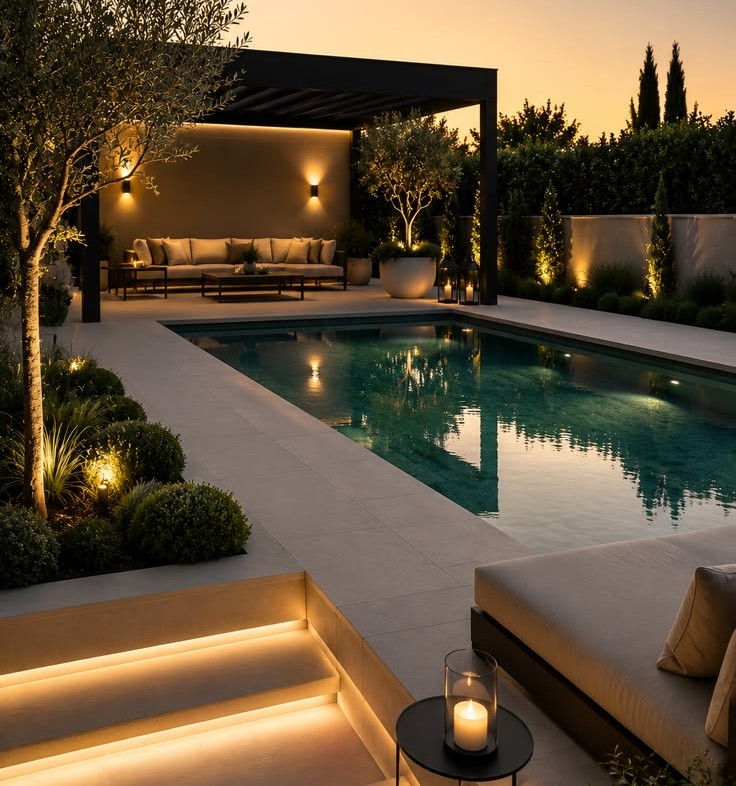
Outdoor Lighting Design for Villas, Pools, and Landscapes in Dubai and Abu Dhabi
Villa Lighting Design in Dubai and Abu Dhabi: A Complete Guide in 2027

Staircase Light Design in UAE for Homes, Villas, & Large Malls
