
Indoor Lighting Design in Dubai and Abu Dhabi: For Villas and Luxury Spaces in 2027
There’s a really big difference between a room that simply has enough light and one that feels you know, just RIGHT.
In a well-designed villa, the kitchen feels practical without looking clinical, the living room feels comfortable after sunset, and the artwork seems to have its own place in the room.
That difference often comes down to how the lighting works with the architecture within the overall villa lighting design.
The position of a fixture, the direction of its beam, the color of the light, and the way it interacts with materials all influence the final experience.
For homeowners in Dubai and Abu Dhabi, indoor lighting design brings these details together.
It helps connect the ceiling, walls, furniture, decorative features, and everyday activities into one coordinated environment.
A professional lighting consultant also considers the practical side of the project.
Fixture compatibility, electrical requirements, glare, dimming, maintenance, and construction coordination all matter, particularly in luxury villas with custom ceilings and detailed interiors.
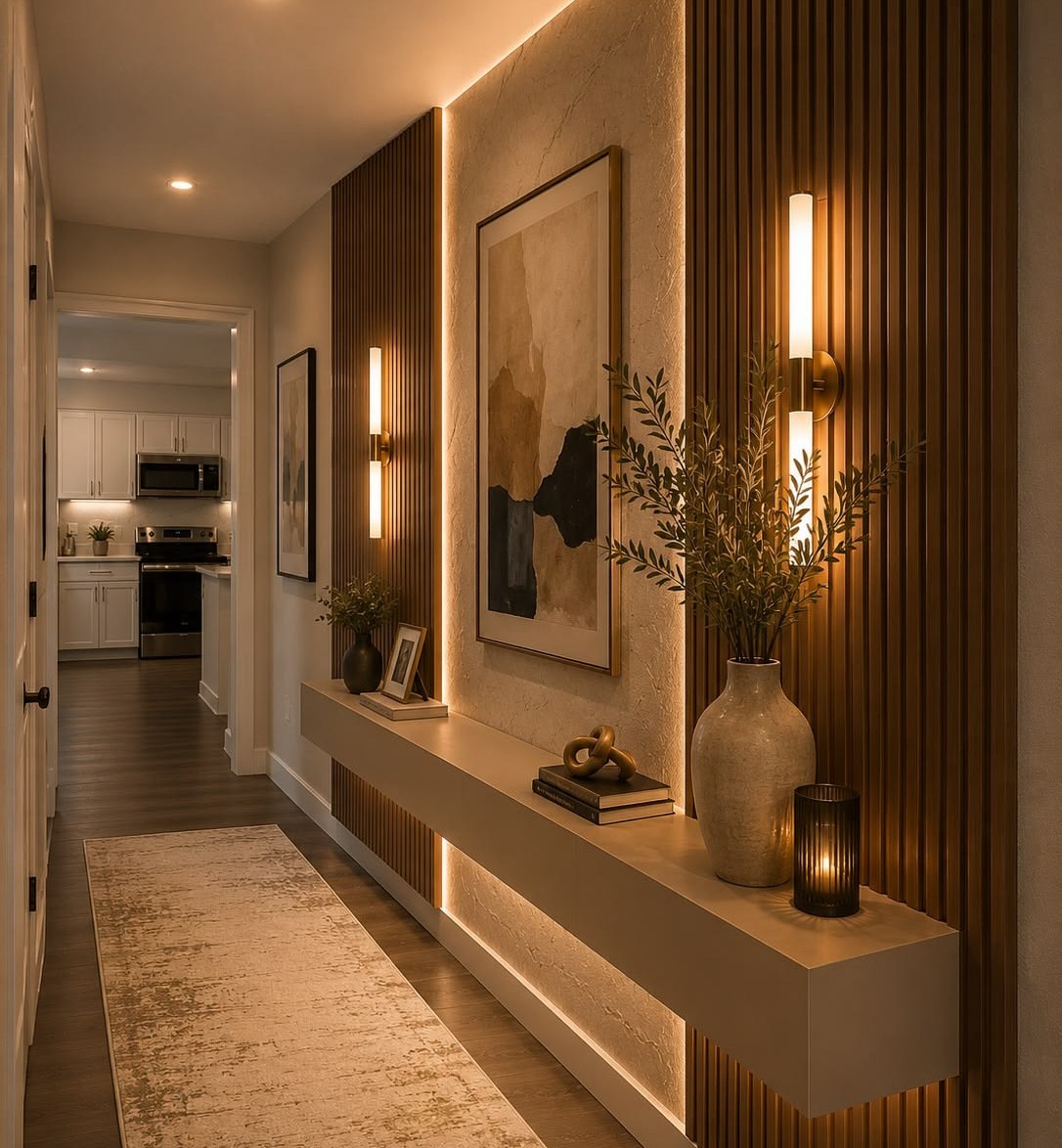
INDOOR LIGHTING DESIGN IN DUBAI AND ABU DHABI
The first step in indoor lighting design isn’t choosing a chandelier or counting downlights.
It’s understanding what happens inside each room and how the space should look and function throughout the day.
A villa may include formal majlis, an open-plan living room, a kitchen, bedrooms, bathrooms, hallways, and entertainment areas.
Each space has different visual tasks and different expectations for comfort.
A lighting designer studies architectural drawings, ceiling heights, window positions, furniture layouts, surface finishes, and intended to use each area before selecting fixtures.
How Do People Use Each Room?
A kitchen needs practical illumination around countertops and work surfaces.
A bedroom benefits from flexible lighting that supports reading, dressing, and relaxing.
A formal entrance may need a decorative centerpiece that complements the architecture without overwhelming the space.
These differences influence the fixture types, light distribution, and controls the designer should consider.
Lighting and the Interior Architecture
Lighting needs to work with the ceiling design, cabinetry, wall panels, artwork, and furniture.
For example, a recessed downlight placed directly above a decorative stretch ceiling detail may disrupt the composition.
A pendant positioned without considering the dining table may feel unbalanced.
Coordinating these elements during design helps the team resolve problems before the construction reaches the finishing stage.
Before the Electrical Work Begins
Early planning gives the electrician and other contractors a clear layout to follow.
It also helps the team coordinate wiring, switch locations, concealed LED channels, and mounting support for heavy decorative fixtures.
This approach becomes particularly valuable when a villa includes bespoke chandeliers, gypsum coves, integrated joinery lighting, or several independently controlled lighting zones.
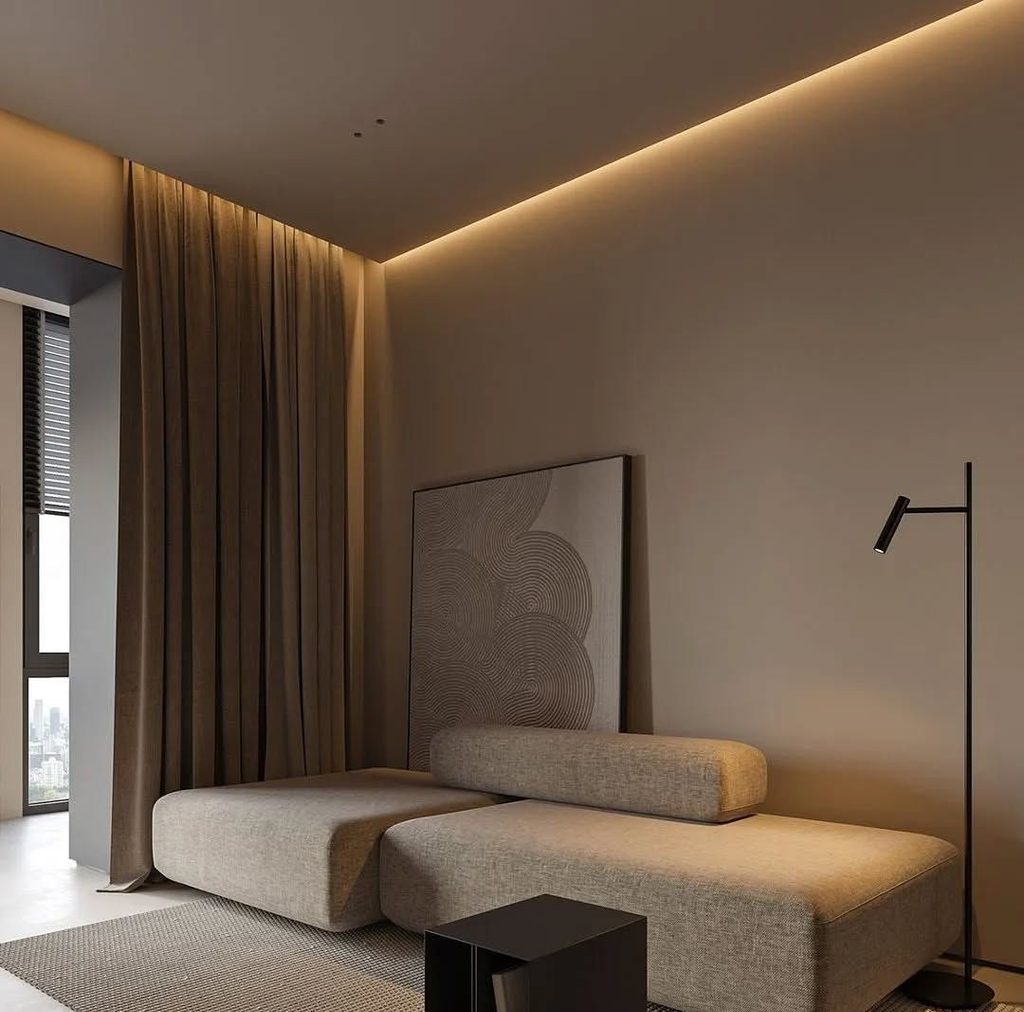
VILLA INDOOR LIGHTING IN UAE
Villa indoor lighting should connect the rooms visually while allowing each space to serve its own purpose.
The goal isn’t to install the same combination of fixtures everywhere, but to create a consistent design language throughout the home.
The Illuminating Engineering Society’s residential lighting recommendations actually address lighting quantity, quality, equipment, controls, energy use, and the requirements of different residential spaces.
Those principles provide a useful technical foundation for projects in the UAE.
Living Rooms and Majlis
Living rooms often support several activities, from entertaining guests to watching television or reading.
A single ceiling fixture may not provide the flexibility these activities require.
A better approach can combine general illumination, indirect ceiling lighting, decorative fixtures, and accent lighting.
Dimming and separate control groups allow homeowners to adjust the atmosphere without switching every light together.
In a majlis, carefully positioned decorative lighting can establish a focal point, while additional light helps reveal wall finishes, seating, and architectural details.
Kitchens and Dining Areas
Kitchen lighting should support practical work at countertops, sinks, and islands.
Under-cabinet lighting can reduce shadows across work surfaces, while ceiling fixtures provide general illumination.
Pendant lights can define a kitchen island or breakfast counter, but the designer should consider their height, spacing, beam distribution, and relationship with nearby cabinetry.
Dining areas benefit from a different approach.
A chandelier or pendant can establish a visual center above the table, while dimmable ambient lighting helps the room adapt to everyday meals and evening gatherings.
Bedrooms, Bathrooms, and Hallways
Bedrooms benefit from lighting that can shift between practical tasks and a relaxed evening atmosphere.
Bedside lamps, wall-mounted reading lights, and indirect lighting can reduce the need to rely on a single bright ceiling fixture.
Bathrooms require careful attention to mirror lighting, reflections, moisture exposure, and the electrical requirements of fixtures near water.
Lighting placed to either side of a mirror can help reduce facial shadows compared with relying entirely on a light directly above it.
Hallways and staircases need clear visibility and comfortable transitions between rooms.
Discreet wall lights, low-level lighting, or suitable ceiling fixtures can support safe movement without overwhelming the interior.
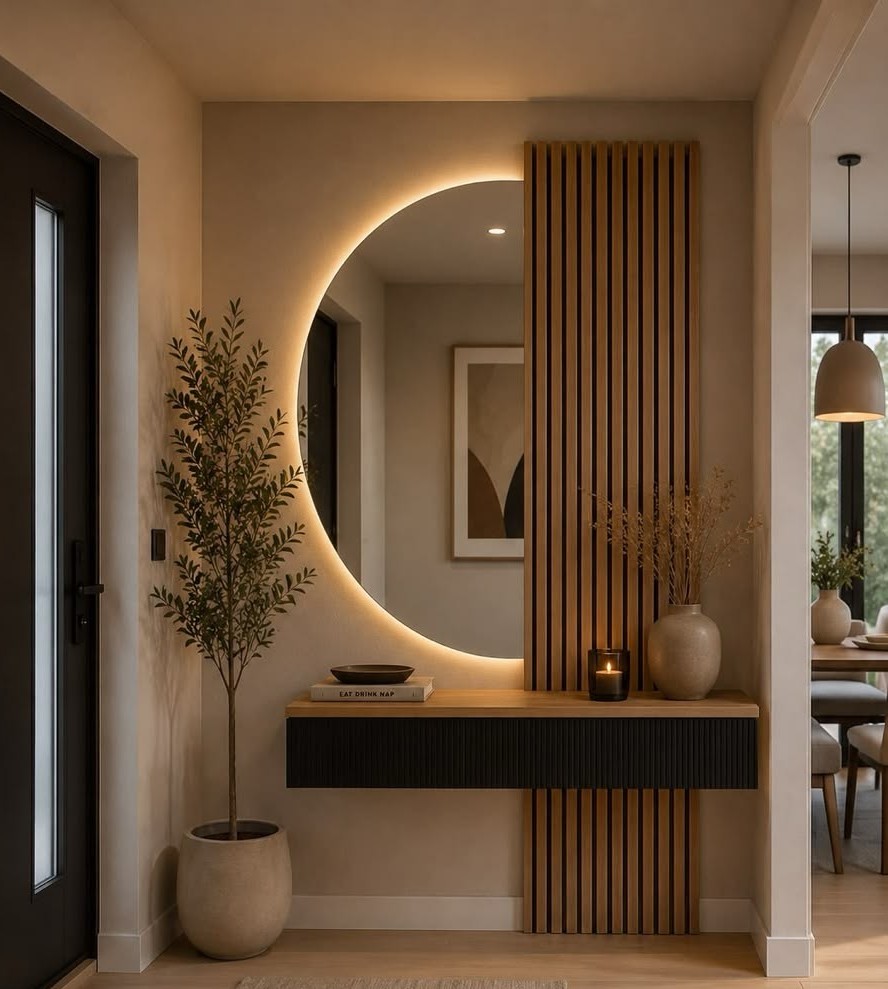
INTERIOR LIGHTS FOR LUXURY SPACES
A room rarely needs just one type of lighting. Most successful residential schemes combine several layers, with each one performing a different job.
Ambient lighting provides general illumination. Task lighting supports activities such as reading or cooking.
Accent lighting draws attention to artwork and architectural details, while decorative lighting contributes to the interior’s visual identity.
The right balance depends on the room, but layering gives homeowners more flexibility than relying on one uniform lighting arrangement.
Color Temperature and the Atmosphere of a Room
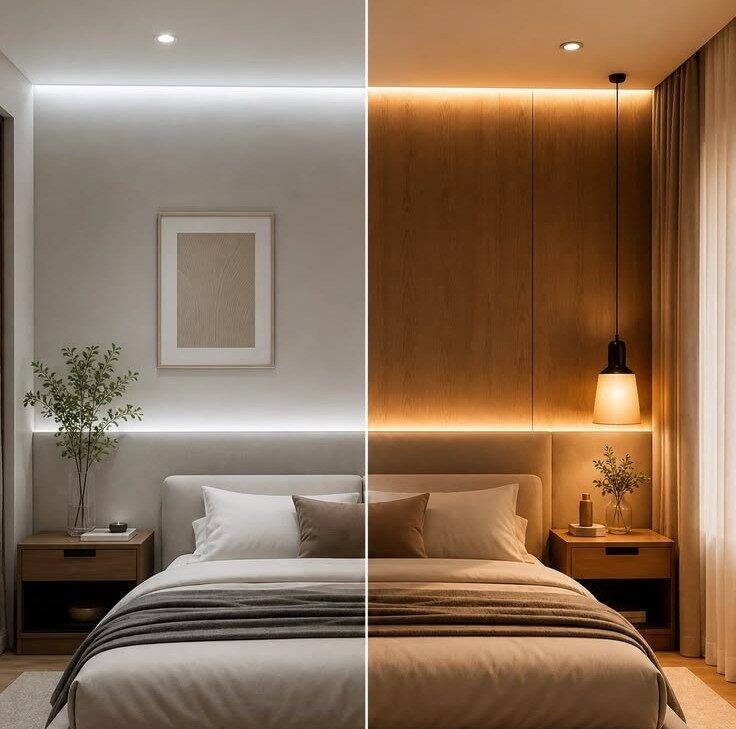
Correlated color temperature, or CCT, describes whether white light appears warmer or cooler.
Different choices can influence the character of an interior.
Warm white light often suits living rooms, bedrooms, and spaces designed for a relaxed atmosphere.
Other color temperatures may suit kitchens, work areas, or particular contemporary interiors.
There is no single-color temperature that suits every room.
The designer should consider the materials, daylight, intended activities, and relationship between adjoining spaces.
Color Rendering and Material Finishes
Color rendering affects how accurately a light source reveals colors compared with a reference source.
This matters when the interior features natural stone, timber, fabrics, artwork, or carefully selected decorative finishes.
A fixture that makes a material appear noticeably different from its intended color can undermine the interior design.
The team should review the manufacturer’s technical information and, where appropriate, assess samples under the proposed lighting conditions.
Glare and Visual Comfort
A bright fixture can cause discomfort when it sits directly within someone’s field of view or creates distracting reflections on glossy surfaces.
Designers can address glare through suitable optics, shielding, fixture positions, and control settings. The room’s geometry and viewing angles also matter.
The objective isn’t simply to achieve a particular brightness. It’s to deliver the right light in the right places while maintaining a comfortable visual environment.
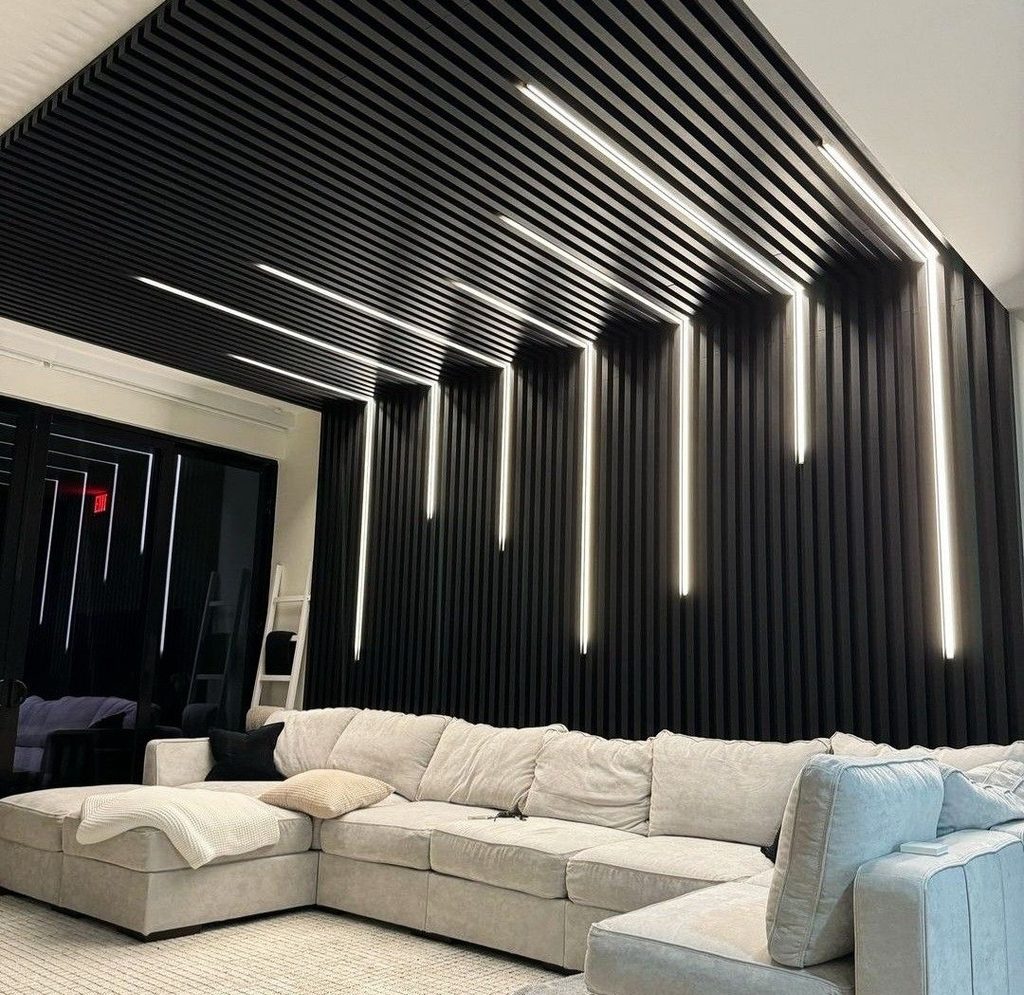
LED INTERIOR LIGHTS AND LED STRIP LIGHTS
LED fixtures give interior designers considerable freedom in shaping both functional and decorative lighting.
Options range from recessed downlights and linear profiles to decorative wall lights, concealed strips, and custom decorative luminaires.
However, not every LED product provides the same performance.
The designer should review the complete fixture specification rather than selecting products by wattage or appearance alone.
LED Downlights and Linear Fixtures
Recessed downlights can provide general or accent illumination, depending on their optics and placement.
Linear fixtures can work well across corridors, kitchens, work areas, and contemporary living spaces.
The choice should consider the ceiling height, beam angle, light output, glare characteristics, and distribution across the intended surface.
A fixture with a narrow beam may suit an artwork, while a broader distribution may work better for general illumination.
LED Strip Lights for Ceiling Coving
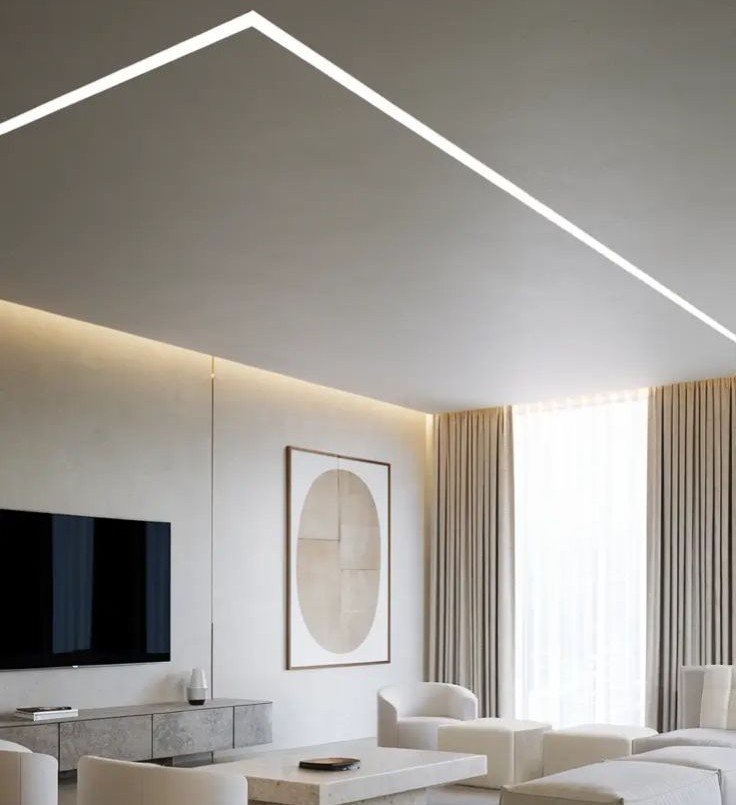
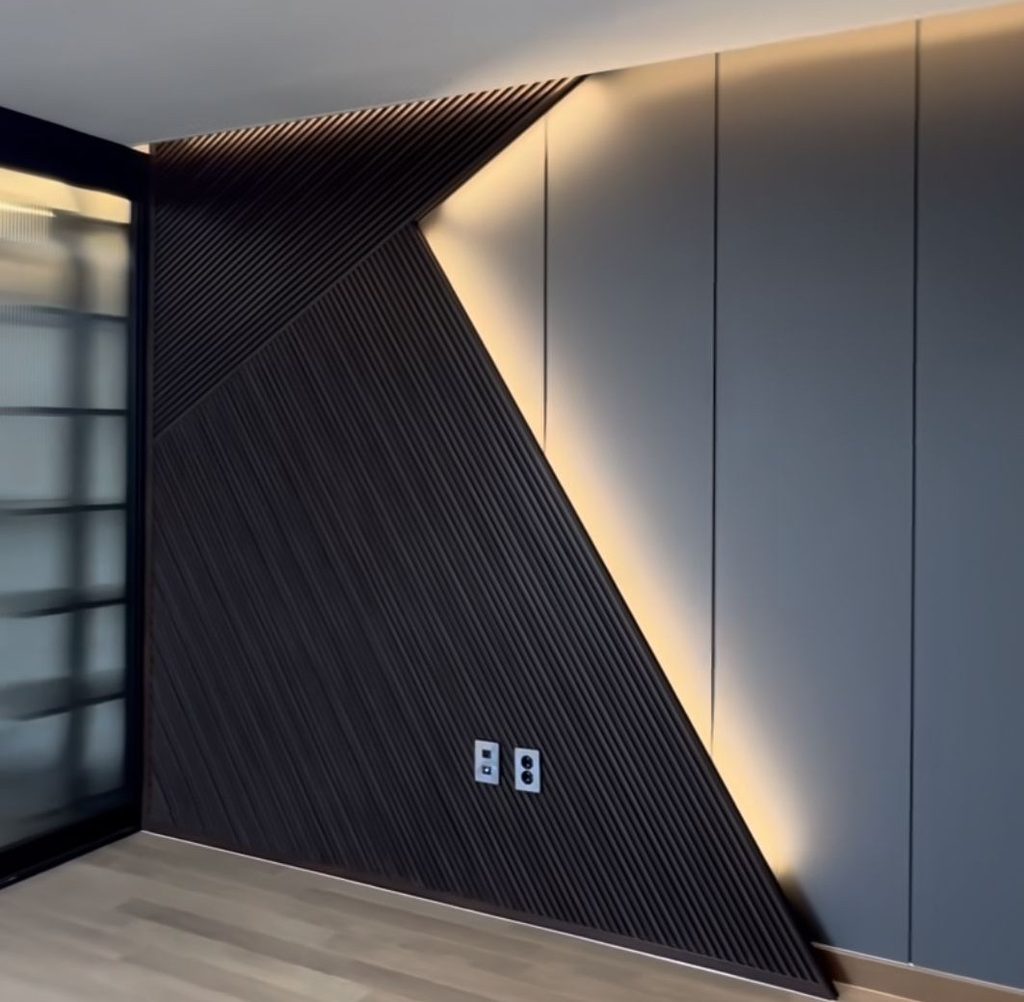
Concealed LED strips can produce a soft line of indirect light within ceiling coves, recessed channels, and other architectural details.
When the strip remains hidden, the illuminated surface becomes the focus rather than the individual LEDs.
This can make a ceiling appear visually lighter and help define the room’s proportions.
The channel, diffuser, strip output, and installation position all affect the final appearance.
The team should coordinate these details before the gypsum contractor completes the ceiling.
Driver and Dimming Compatibility
An LED strip or downlight may require a separate driver, dimming interface, or control component. The selected equipment must work together as intended.
Before procurement, confirm the driver’s specifications, minimum dimming level, control compatibility, installation requirements, and access for future maintenance.
For long LED strips, consider voltage drop, maximum run lengths, power-feed locations, and the manufacturer’s installation guidance.
These details can influence whether the strip produces consistent brightness along its full length.
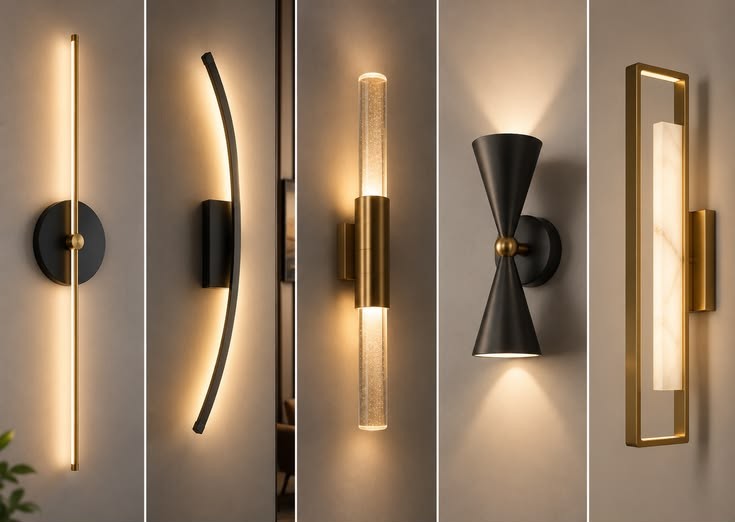
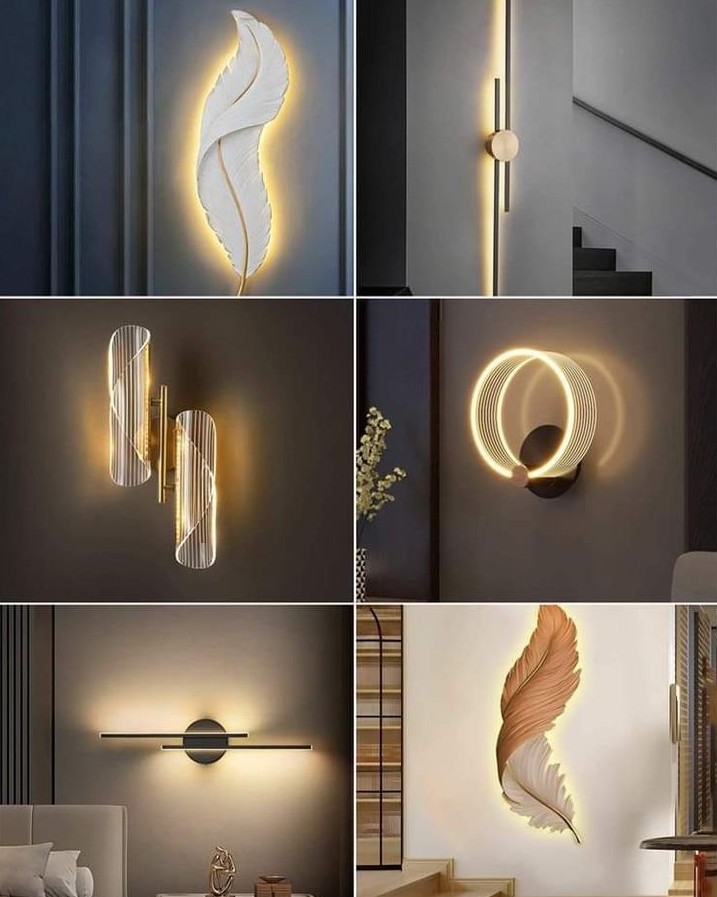
INDOOR WALL LAMP, LED WALL LIGHTS INDOOR, AND MODERN WALL SCONCES INDOOR
Wall-mounted lighting provides another way to introduce illumination without relying entirely on the ceiling.
It can reveal texture finished, create softer transitions between rooms, and add a decorative element at eye level.
The right fixture depends on whether the designer wants general illumination, a focused beam, indirect light, or a decorative feature.
Modern Wall Sconces for Luxury Interiors
Modern wall sconces indoor can complement contemporary villas through simple geometric shapes, concealed light sources, or carefully controlled upward and downward beams.
An upward-facing sconce can reveal the ceiling and create a sense of height. A downward-facing fixture can emphasize a wall finish or illuminate a specific architectural feature.
Some designs distribute light in both directions, creating a balanced pattern around the fixture.
LED Wall Lights Indoor for Corridors and Bedrooms
LED wall lights indoor can help define circulation areas while reducing the need for strong overhead lighting at night.
In bedrooms, wall-mounted reading fixtures can provide localized light without occupying space on bedside tables.
Adjustable models give users more control over the direction of the beam.
The designer should consider mounting height, fixture projection, glare, switch position, and the location of furniture before finalizing the layout.
Wall Sconces Indoor and Interior Wall Lights for Artwork
Interior wall lights can highlight artwork, wall panels, niches, and textured materials.
However, the light source and beam must suit the object and mounting distance.
A fixture positioned too close to a textured wall may exaggerate surface defects.
A spotlight aimed directly at framed artwork may produce reflections on glass.
For important decorative features, the designer should review fixture positioning and beam distribution before installation.
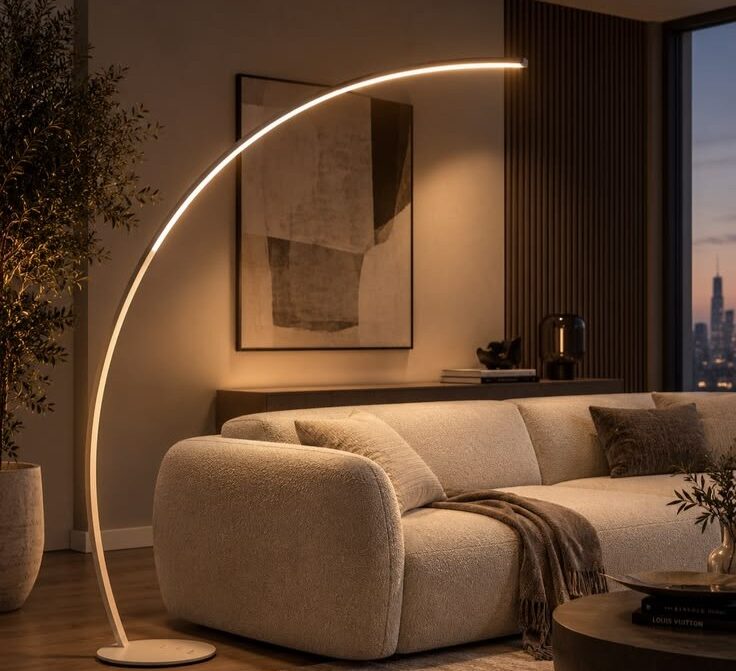
LIVING ROOM FLOOR LAMPS AND LIGHTS
Floor lamps offer flexibility because homeowners can use them to supplement the main lighting scheme without modifying the ceiling.
They can provide reading lights beside a chair, softer illumination near a sofa, or a decorative feature that connects with the furniture and materials.
Floor Lamps for Reading and Relaxing
A floor lamp beside a reading chair should direct light toward the book or other task while limiting glare into the user’s eyes.
Adjustable arms or heads can make the fixture more versatile. A shaded lamp may suit a softer ambient effect, while a directional model can provide more focused illumination.
The choice depends on the task and the surrounding lighting.
Living Room Floor Lights and Architectural Integration
Some floor-standing fixtures provide indirect light by directing the output toward a wall or ceiling. Others create a broader pool of light around seating areas.
The designer should consider the fixture’s size, base, cable routing, position near walkways, and relationship with furniture.
A tall sculptural lamp can complement a contemporary living room, but it should not block circulation or compete with an important architectural feature.
Practical Floor Lamp
Before purchasing a lamp, review its dimensions, stability, light output, color characteristics, switch position, and dimming capability.
The lamp should complement the room’s existing fixtures.
A very bright floor lamp in an otherwise dim space may create uncomfortable contrast, while a poorly positioned lamp may cast shadows over the task it should illuminate.
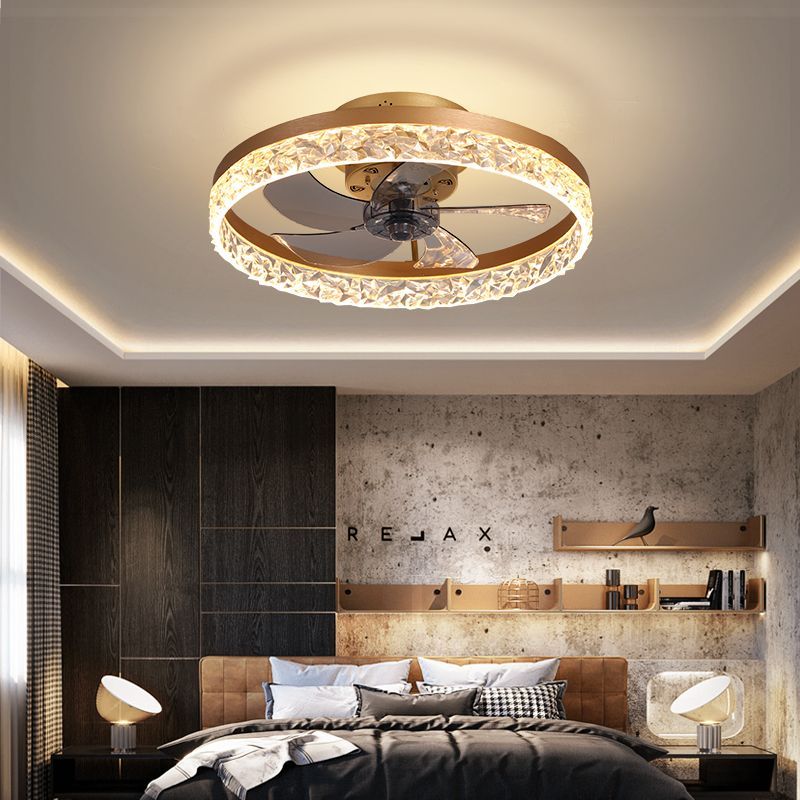
INDOOR CEILING FANS WITH LIGHTS
In some residential rooms, a ceiling fan with an integrated light can serve two functions without requiring separate fixtures for each purpose.
These products can suit bedrooms, family rooms, and other areas where air movement and general illumination are both useful.
A Fan with an Integrated Light
The designer should consider the room dimensions, ceiling height, fan diameter, light output, and appearance of the fixture.
The integrated light should provide suitable illumination for the room’s intended activities. In many cases, additional task or accent lighting may still be necessary.
The fan and light should also have controls that suit the way the room operates.
Some models offer separate control of the fan speed and light output, while others provide more limited functions.
Compatibility and Ceiling Requirements
Confirm the mounting requirements, structural support, control compatibility, and manufacturer’s instructions before installation.
Not all light kits or remote controls work with every fan model.
A conventional light dimmer should not control a fan motor unless the manufacturer explicitly supports that arrangement.
For a new villa, coordinating the fan position with the ceiling layout and furniture plan helps maintain clearance and avoid conflicts with other services.
MOTION SENSOR LIGHT INDOOR
Similar to what you can find in the outdoor lighting design, motion sensor lighting can make certain parts of an interior space easier to navigate without requiring occupants to find a switch in the dark.
It can be useful in corridors, closets, utility rooms, selected bathrooms, and storage areas that people enter intermittently.
Where Indoor Motion Sensors Make Sense?
A sensor can switch or adjust the lighting when someone enters a space, then turn it off after the area remains unoccupied for a set period.
For example, low-level lighting in a nighttime hallway can help occupants move around without activating the brighter main lighting.
The design should account for the type of sensor, detection area, mounting position, and movement patterns in the room.
Unwanted Switching
A poorly placed sensor may fail to detect an occupant or switch the lights off while someone remains in the area.
The U.S. Department of Energy’s Federal Energy Management Program notes that passive infrared sensors work well for detecting major movement, but they may be less effective at detecting small movements, such as someone sitting quietly.
For this reason, sensor choice and timeout settings should suit the actual space. Areas used for reading or desk work may require a different control strategy from closets or circulation areas.
Sensors with Lighting Controls
Motion sensors can operate individual fixtures or connect with a broader lighting control system, depending on the equipment.
Before installation, confirm compatibility with the selected drivers, dimmers, switches, and control platform. The goal is automatic operation that feels helpful rather than unpredictable.
LED STRING LIGHTS INDOOR (DECORATIVE LIGHTING FOR RELAXED SPACES)
LED string lights indoor can add a decorative layer to bedrooms, covered interior balconies, entertainment areas, and selected architectural features.
They generally work best as a supplementary effect rather than a replacement for appropriate general or task lighting.
String Lights Without Cluttering the Room
String lights can highlight a decorative installation, add a soft glow to a niche, or create an informal atmosphere around a designated feature.
However, too many visible strings can make a room look cluttered.
The designer should consider cable routing, attachment points, brightness, and how the lights interact with the rest of the interior.
For a more permanent architectural effect, a concealed LED strip or a purpose-designed decorative fixture may provide a cleaner finish.
Safety and Product Suitability
Use string lights that the manufacturer specifies for indoor use and follow its installation and electrical instructions.
Check the product rating, power supply, connector arrangement, and suitability for the intended location. Keep cords away from pinch points and avoid overloading electrical outlets.
The Electrical Safety Foundation International also recommends inspecting decorative lights for damaged wires, loose connections, or cracked sockets before use.
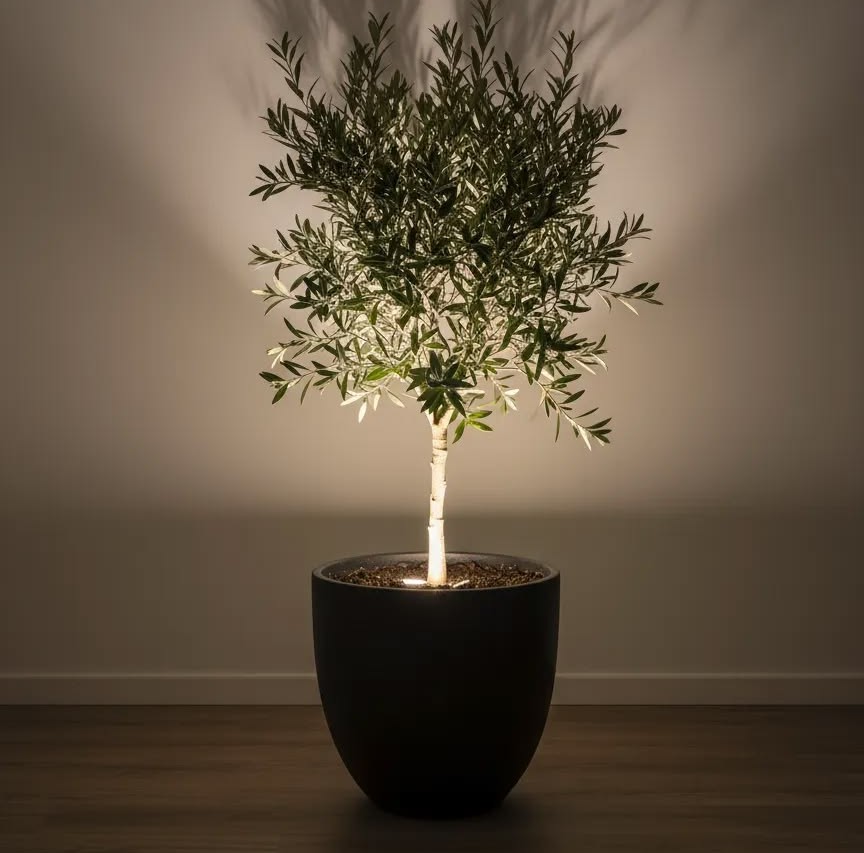
PLANT LIGHT INDOOR (GREENERY IN LUXURY INTERIORS)
Indoor plants can soften the interior and introduce natural texture, but their lighting needs differ from those of people and decorative objects.
A ceiling spotlight that makes a plant look attractive may not provide the light it needs to grow. Plant lighting should therefore be considered separately from ordinary ambient or accent lighting.
The Plant’s Light Requirements
Different plants require different levels and durations of light. Some tolerate moderate indoor conditions, while others need much stronger illumination or direct sunlight.
Natural daylight varies with window orientation, glazing, curtains, surrounding buildings, and the plant’s distance from the window.
The University of Maryland Extension explains that light intensity, duration, and spectral quality all affect indoor plant growth. If natural light doesn’t meet the plant’s needs, a suitable supplemental plant light may help.
The Right Plant Light Indoor
A dedicated plant light should match the plant’s light requirements rather than focus on decorative appearance alone.
The designer or homeowner should check the product’s intended use, light output or horticultural specifications, recommended distance, and operating schedule.
The arrangement also needs to complement the room. A concealed or carefully positioned grow light may support the plants without producing distracting glare for occupants.
A Plant Lighting with the Interior
For plants displayed in a living room or entrance, the designer should consider both their visual presentation and their actual growing requirements.
In some spaces, daylight may provide sufficient light. In others, a dedicated grow light or a repositioning of the plants may be necessary.
The lighting plan should avoid assuming that one ordinary LED spotlight will suit every plant.
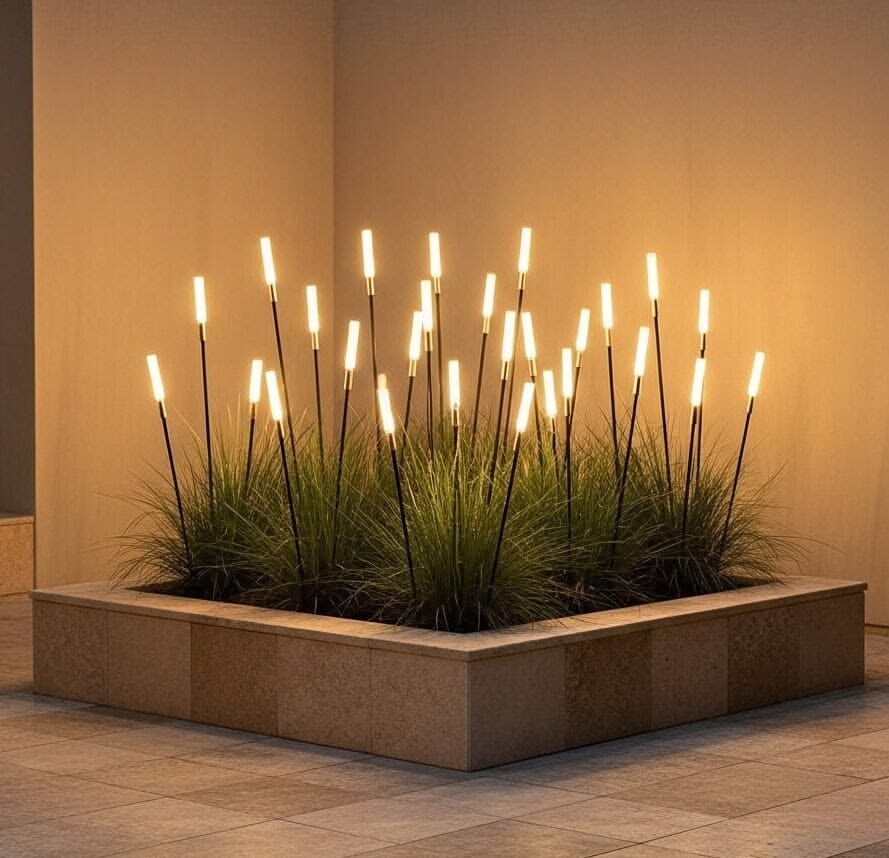
INDOOR SOLAR LIGHTS, SOLAR LAMPS INDOOR, AND SOLAR POWERED INDOOR LIGHTS
Solar-powered indoor lights serve a different purpose from a typical hardwired villa lighting system.
They can be useful where a conventional power supply isn’t readily available, such as off-grid buildings, temporary spaces, or certain utility areas.
Some commercial products combine a rechargeable battery, LED light source, and solar panel into a portable or suspended kit.
When Solar Indoor Lighting Is Useful?
Solar lamps indoor can provide functional illumination in spaces where wiring is difficult or where the owner needs an independent lighting option.
Philips, for example, offers an Essential SmartBright Solar Indoor Suspended kit intended for applications such as off-grid homes and task lighting.
The product includes a battery and solar panel, and the manufacturer specifies that the battery needs sufficient sunlight charging before use.
That design is useful in its intended context, but it doesn’t make solar lighting a universal substitute for a planned residential electrical system.
Panel Placement and Battery Capacity
A solar-powered indoor light still needs sufficient energy to charge its battery.
The location of the panel, available sunlight, charging time, battery capacity, and operating schedule influence performance.
A panel placed where it receives little sunlight may not provide the expected runtime. The owner should review the manufacturer’s instructions and position the panel appropriately.
For a luxury villa, conventional indoor lighting usually offers a broader choice of fixture types, controls, and integration. Solar kits make more sense when the project has a specific off-grid or backup requirement.
Solar Lights Should Match the Application
Before choosing an indoor solar light, check the specified light output, operating modes, battery capacity, charging arrangements, and intended use.
If the goal is decorative ambient lighting in a main living room, an ordinary hardwired fixture with suitable controls may provide a more appropriate result.
If the goal is independent functional lighting in a utility area or off-grid building, a solar kit may be worth considering.
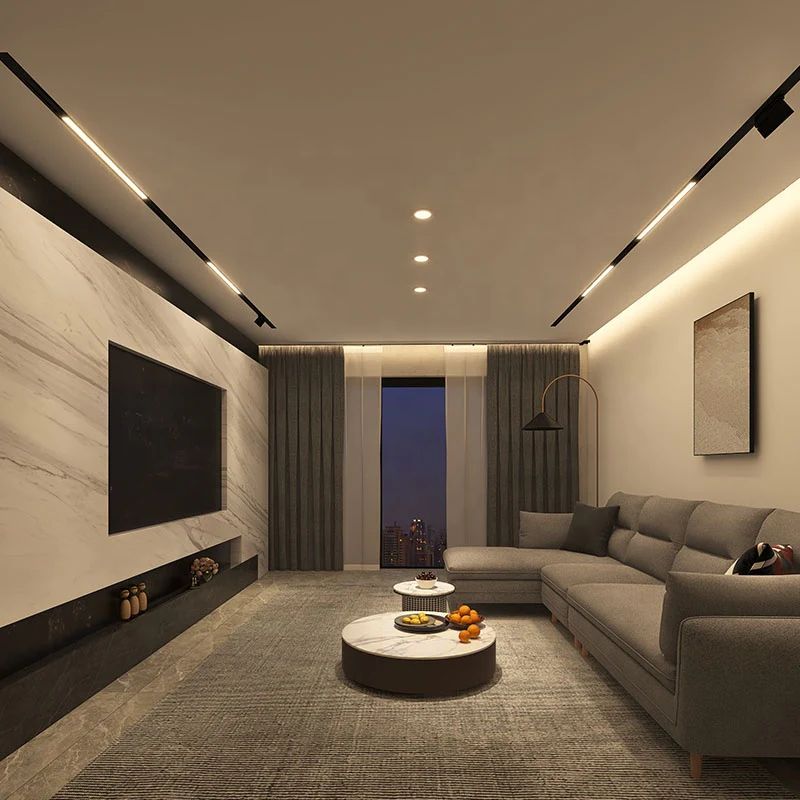
3D INDOOR LIGHTING DESIGN, CALCULATIONS, AND PRODUCT SPECIFICATION
A lighting idea becomes more useful when the project team can check both how it may look and how it should perform.
3D lighting design helps homeowners visualize the proposed arrangement, while photometric calculations assess light distribution using the selected fixtures and available project information.
Start With Drawings and Luminaire Data
The designer reviews room dimensions, ceiling heights, surfaces, furniture layouts, and the intended lighting effects.
The fixture selection should use technical data from the actual products being considered.
Accurate photometric files and specifications help make the calculations more meaningful.
A DIALux lighting design service can supports the planning of individual rooms and complete buildings, combines daylight with artificial lighting, and provides calculation results and visualizations.
Review the Result Before Construction
A 3D model can help the client compare alternatives for ceiling lights, wall fixtures, decorative pendants, and concealed LED profiles.
The designer can also examine the relationship between the lighting and the interior finishes.
This is useful when the project includes reflective materials, detailed ceiling features, or custom decorative fixtures.
The team should use the design review to resolve practical questions before finalizing the electrical and ceiling drawings.
Coordinate Supply and Installation
Once the design is approved, the team can prepare the fixture schedule, confirm control compatibility, and coordinate product procurement.
The installer then follows the approved layout and manufacturer instructions.
After installation, the team checks the fixture positions, controls, dimming behavior, and overall lighting effect.
A proper handover should include the technical documents, warranties, and relevant information needed for maintenance.
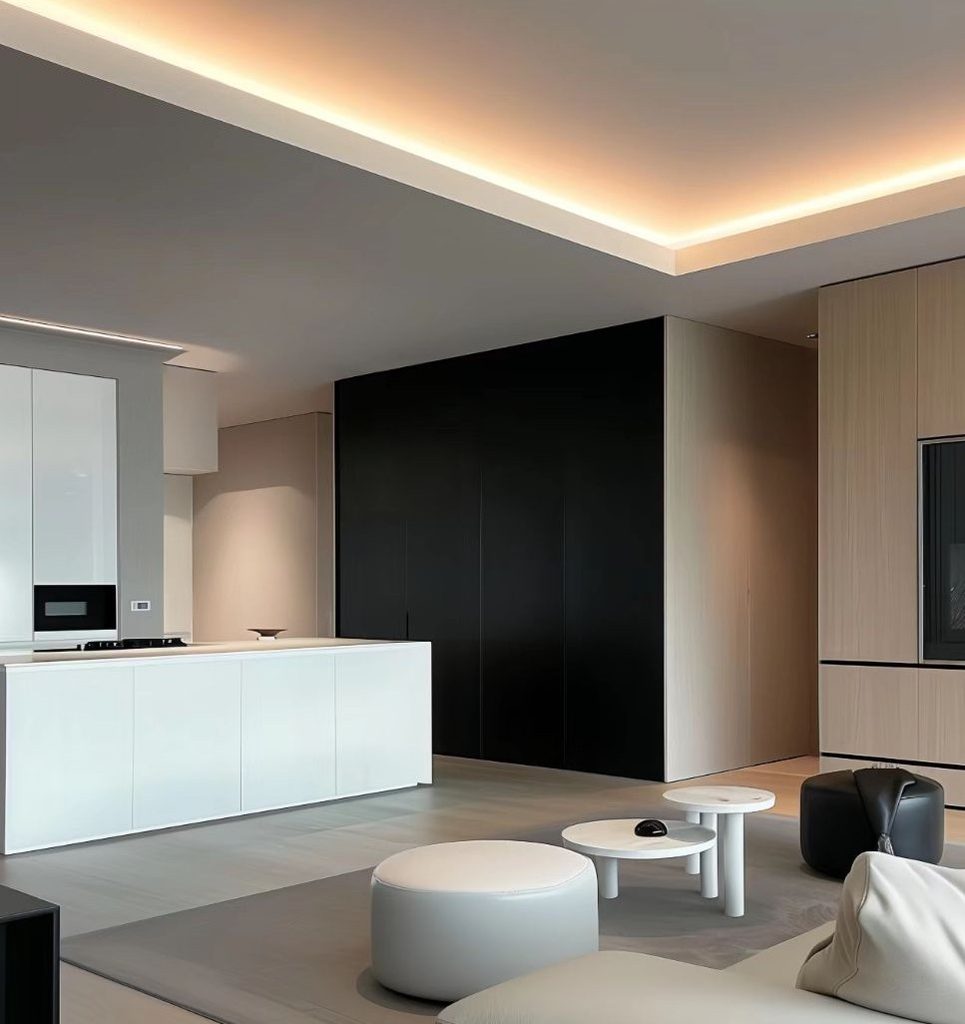
INDOOR LIGHTING DESIGN COSTS IN DUBAI AND ABU DHABI
Indoor lighting design costs vary with the size of the property, the number of rooms, the technical scope, and the level of visualization or calculation required.
Indoor lighting design alone can cost between AED 5,000 and AED 15,000 for a mid-sized villa.
Including lighting fixture supply and installation, the total project cost can range from AED 20,000 to AED 60,000, depending on the design complexity and fixture specifications.
For larger spaces, however, 2D and 3D indoor lighting design can cost between AED 10,000 and AED 20,000.
If the project also includes lighting fixture supply and installation, the total cost can range from AED 30,000 to AED 80,000, depending on the project scope and specifications.
A simple room layout has a different scope from a large luxury villa that includes custom chandeliers, integrated LED profiles, detailed joinery lighting, smart controls, and extensive design coordination.
Several factors affect the quotation, of course, such as:
- Project size: The number of rooms, floors, and architectural features influences the amount of design work.
- Design deliverables: 2D plans, 3D visualizations, photometric calculations, and technical schedules involve different levels of effort.
- Fixture specification: Decorative pieces, custom products, specialist optics, and integrated controls affect product costs.
- Construction coordination: Ceiling details, joinery, electrical points, and other services require coordination.
- Installation requirements: Wiring, mounting, access, testing, and commissioning affect the total project scope.
- Control systems: Dimming, sensors, scenes, and automation through DALI lighting systems can introduce additional equipment and setup requirements.
When reviewing quotations, clarify whether the price covers design only or also includes fixture supply, installation, controls, and commissioning.
The proposal should identify the deliverables, product specifications, revision limits, site visits, and any excluded services.
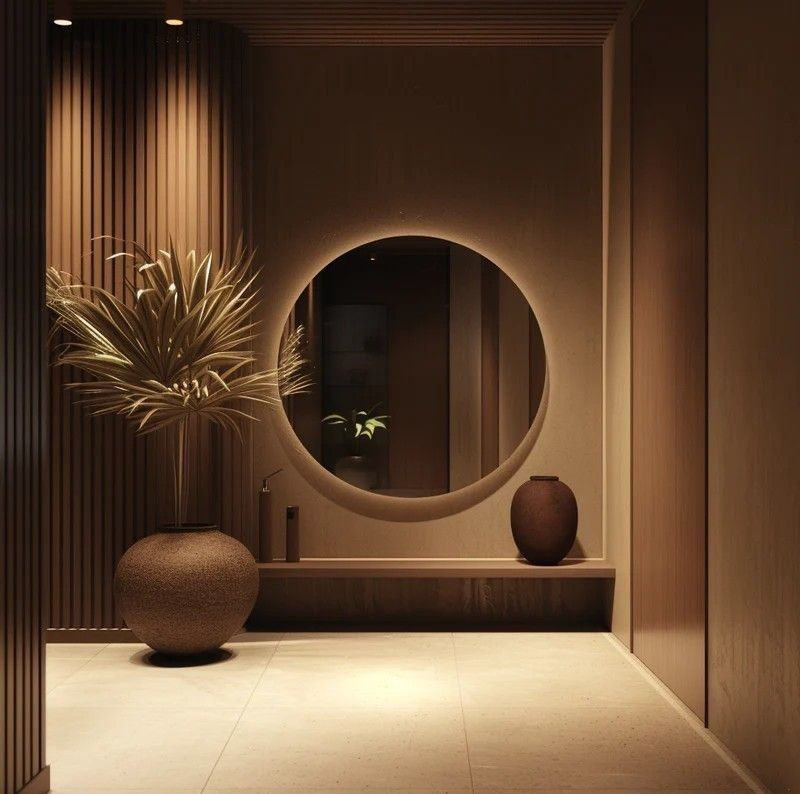
FINAL THOUGHT
Good indoor lighting does more than brighten a room. It helps reveal the architecture, makes everyday tasks more comfortable, and gives different spaces the atmosphere they need.
For villas and luxury interiors in Dubai and Abu Dhabi, the strongest results come from coordinating the layout, fixtures, materials, controls, and installation details from the beginning.
Whether the project needs concealed LED strips, wall sconces, custom decorative fixtures, motion sensors, or specialized lighting for plants, each choice should serve a clear purpose.

Related Posts
Villa Lighting Projects in Dubai and Abu Dhabi: 3D Design, Supply, and Installation
Lighting Designer in Dubai and Abu Dhabi for Villa and Large Projects in 2027
3D Exterior Lighting Design in Dubai and Abu Dhabi for Modern Villas
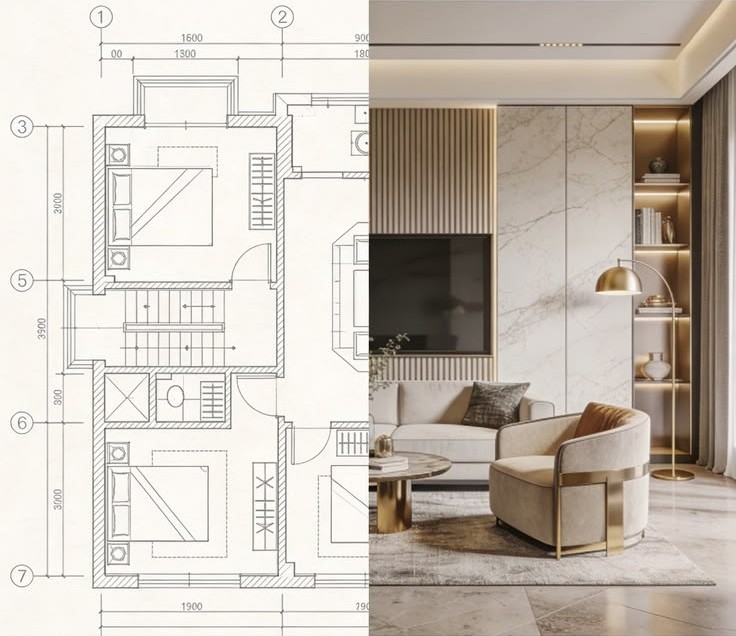
2D Lighting Plans in Dubai and Abu Dhabi for New Villa Construction
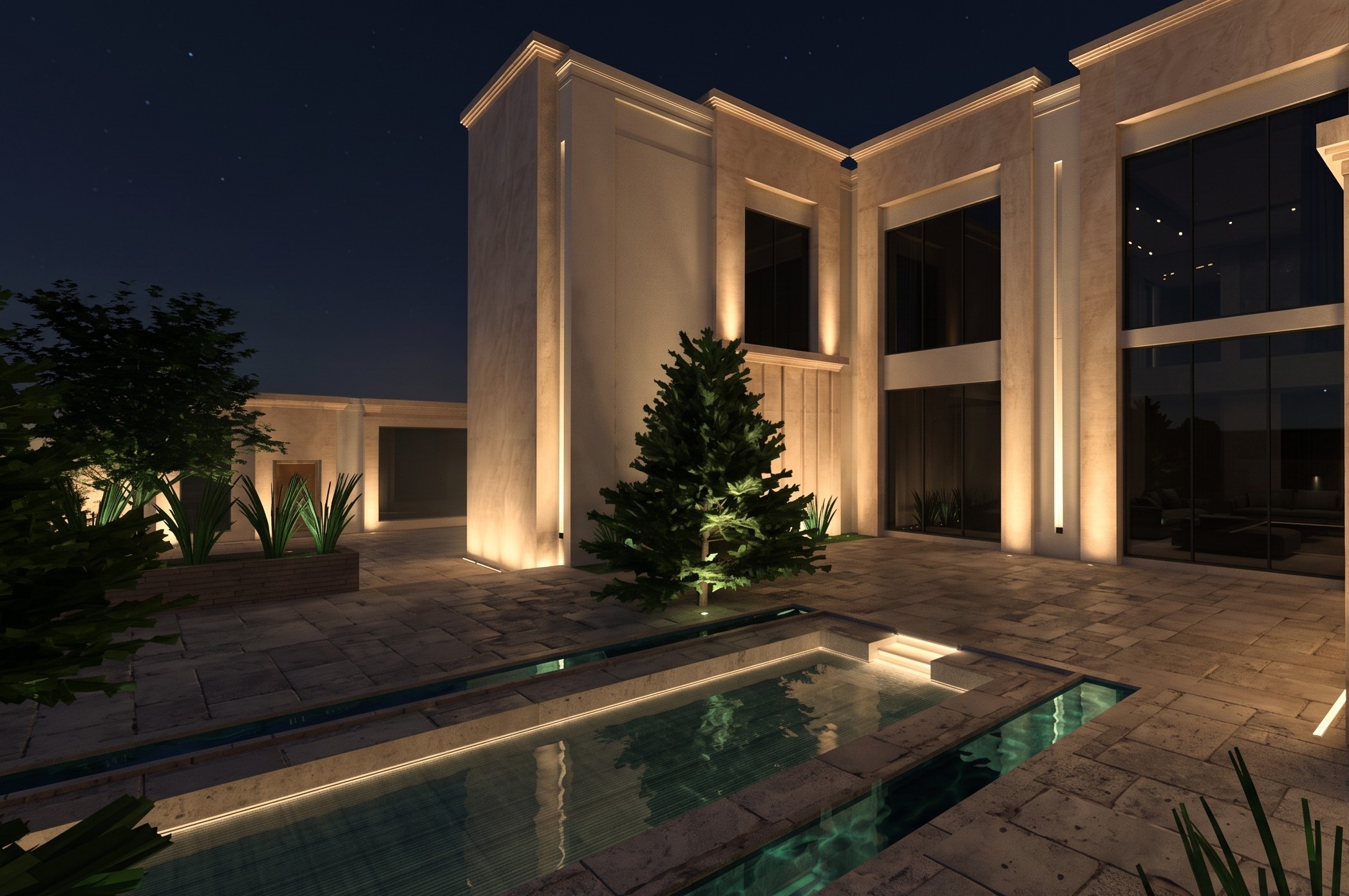
3D Lighting Design in Dubai and Abu Dhabi for Villas, Hotels, and Luxury Spaces
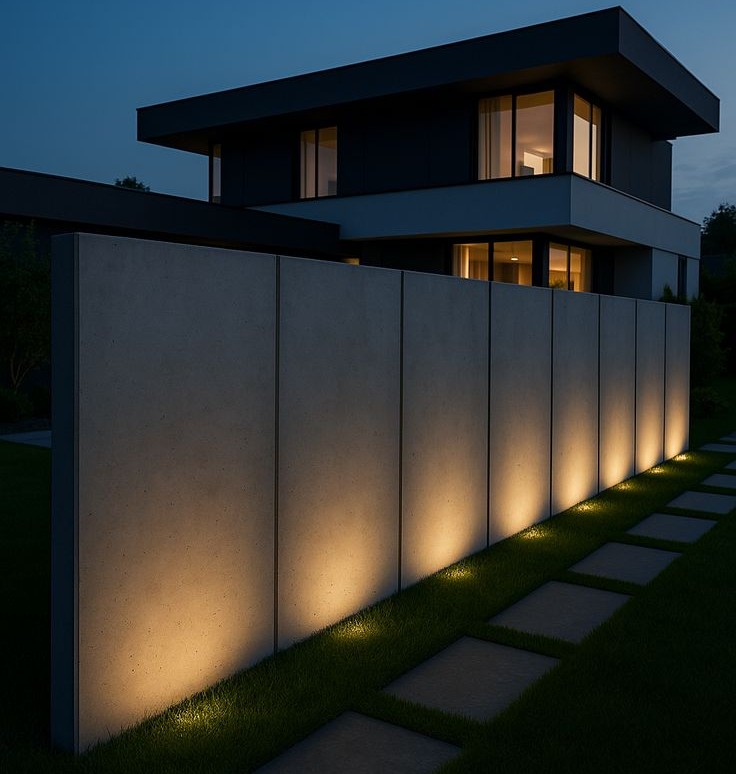
Architectural Lighting Design for Villas, Hotels, and Luxury Properties in UAE
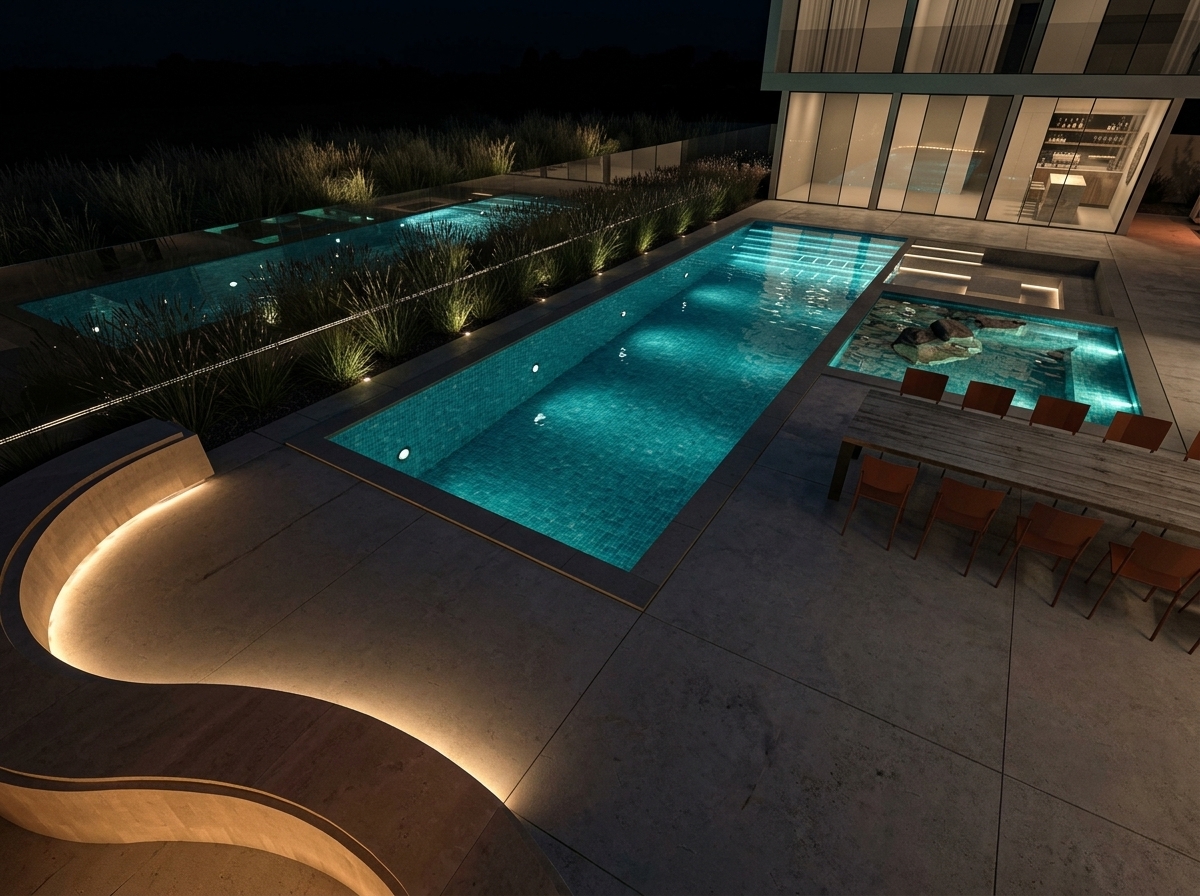
DIALux Lighting Design Service for Dubai and Abu Dhabi Projects
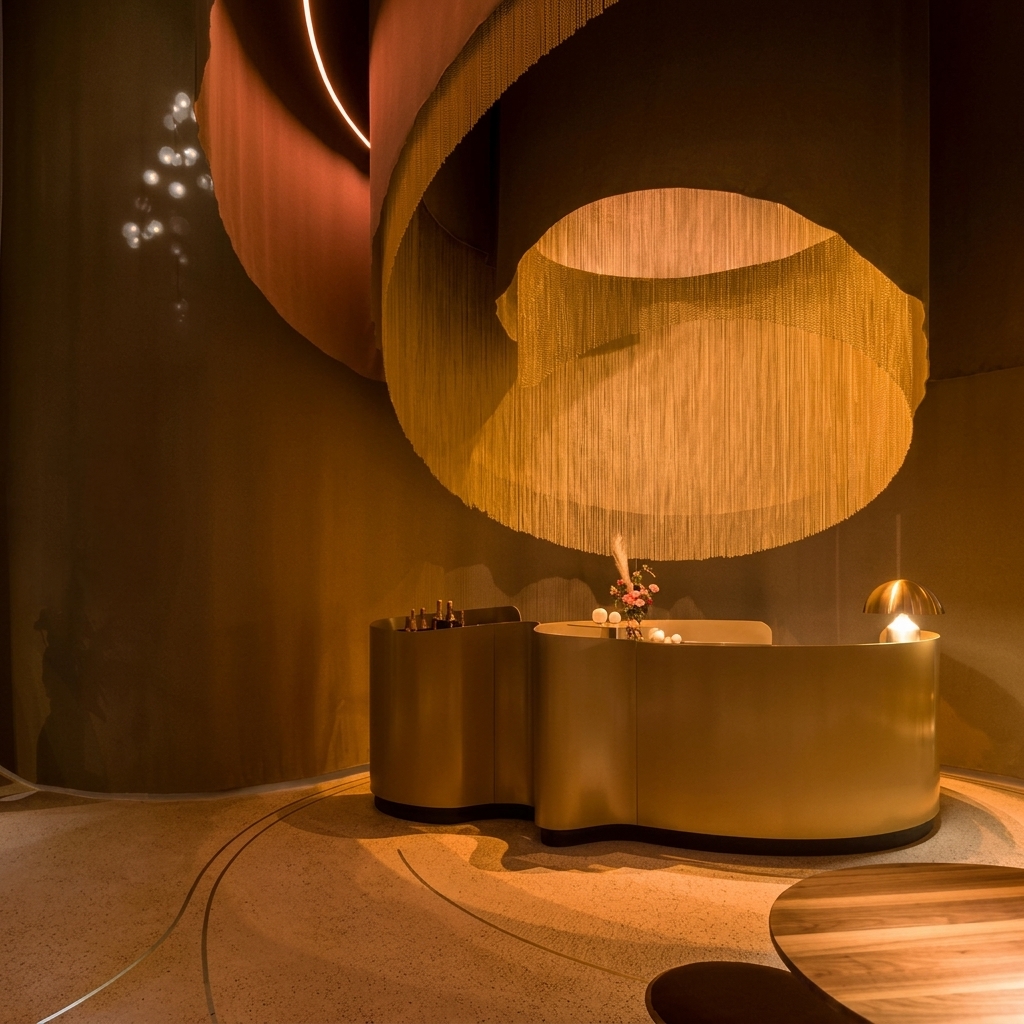
Hospitality Lighting in Dubai and Abu Dhabi for Luxury Hotels and Resorts
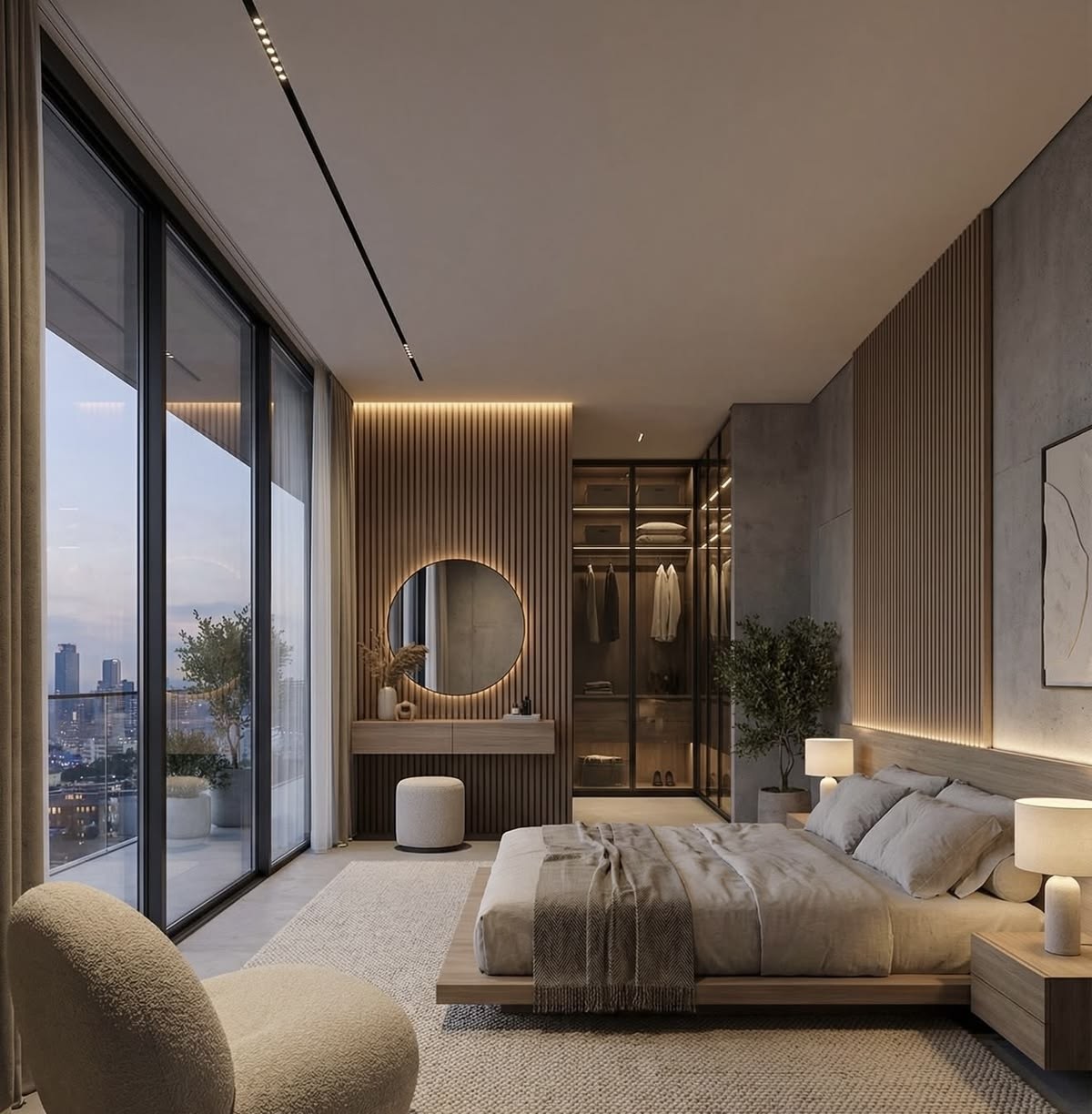
Hotel Lighting Design in UAE: for Hospitality Projects in Dubai and Abu Dhabi (2027)
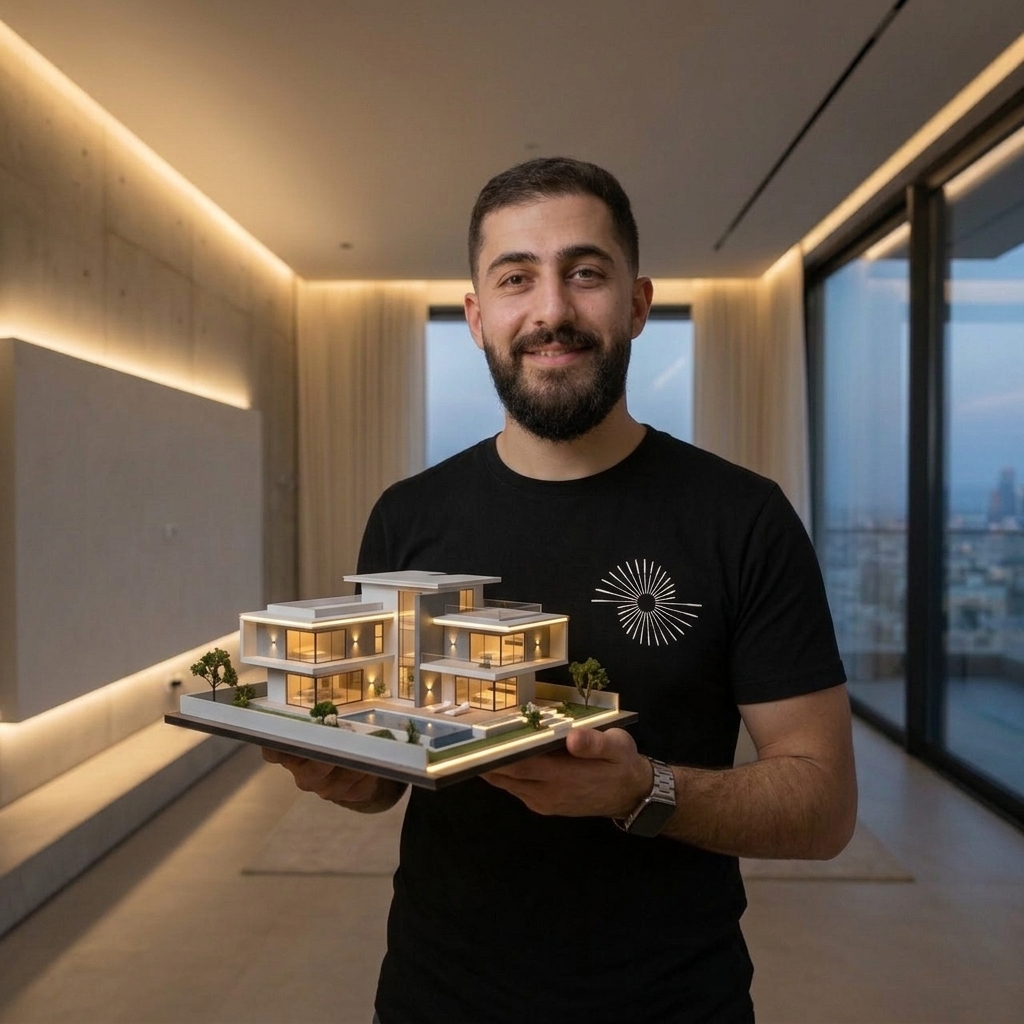
Lighting Consultant In UAE: Services, Benefits, and Costs for Villas and Large Projects
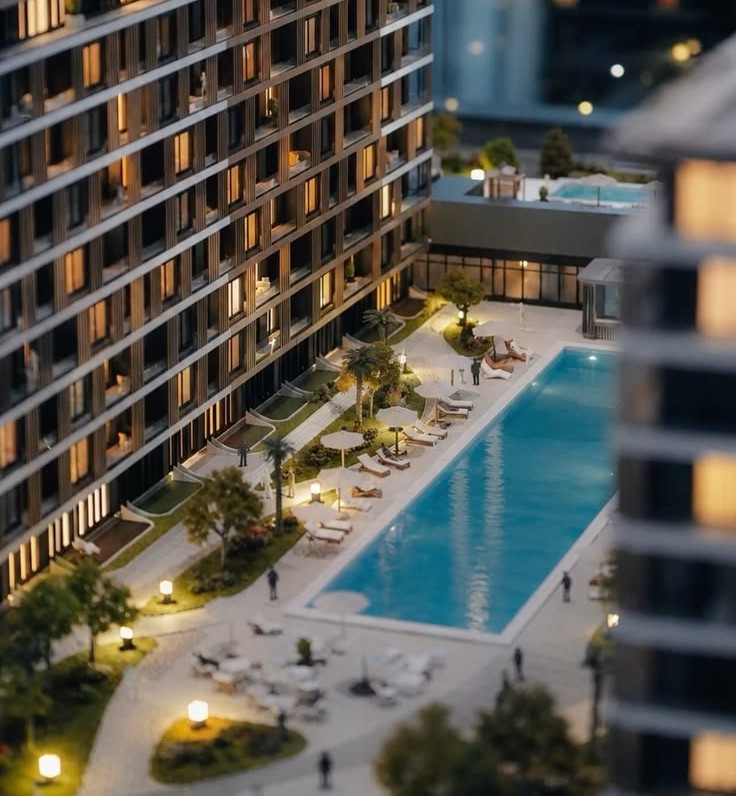
Lighting Design for Large Residential Projects: Villas, Apartments, and Residential Towers in UAE
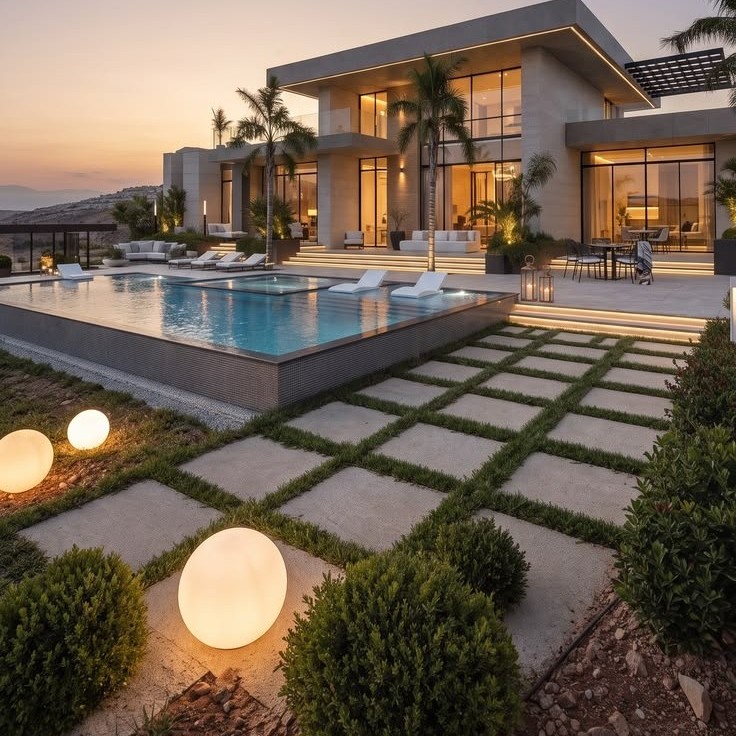
Lighting Design for Property Developers in Dubai: Residential and Commercial Projects
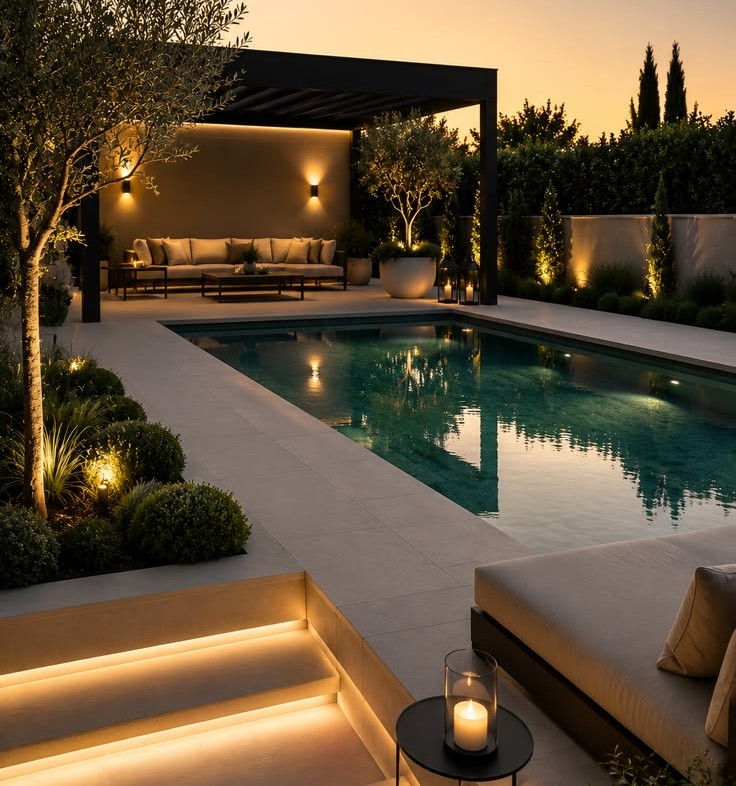
Outdoor Lighting Design in Dubai and Abu Dhabi for Villas, Pools, and Landscapes
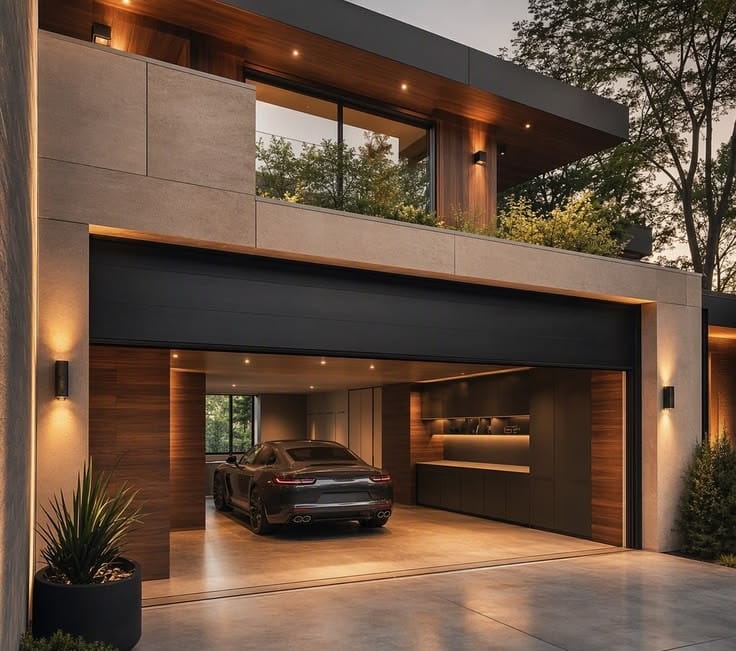
Villa Lighting Design in Dubai and Abu Dhabi: A Complete Guide in 2027

Staircase Light Design in UAE for Homes, Villas, & Large Malls
