
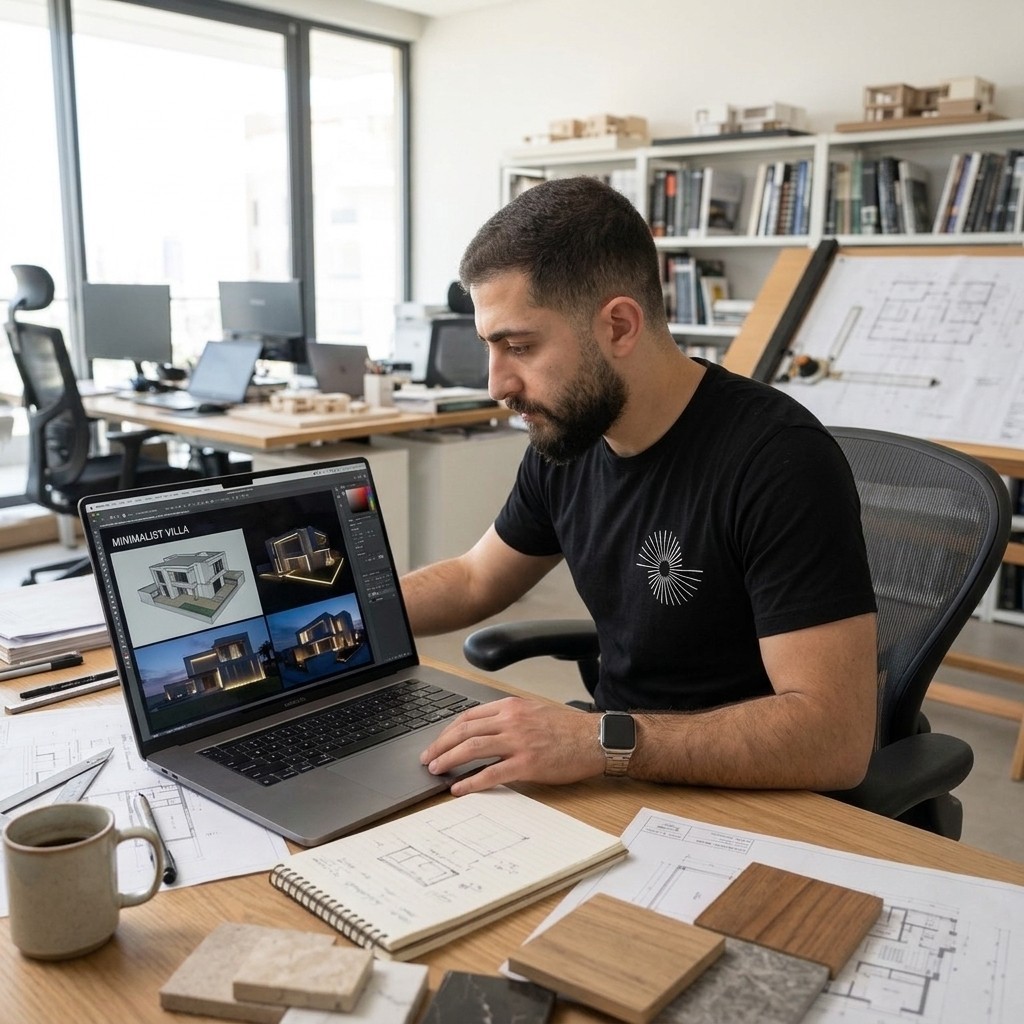
Lighting Designer in Dubai and Abu Dhabi for Villa and Large Projects in 2027
“Everything seems to work together.”
That’s how one villa owner described walking into a beautifully designed villa where every lighting detail had been carefully planned by a professional lighting designer at Blink Lighting.
The ceiling feels balanced, the materials look richer, and the rooms feel comfortable without an obvious collection of bright lights competing for attention.
That effect rarely comes from choosing expensive fixtures alone, for sure.
It usually starts with a lighting consultant or designer who understands how light interacts with architecture, furniture, finishes, daylight, and the way people use a space.
In Dubai and Abu Dhabi, professional lighting design plays an important role in luxury villa lighting design, alongside hotels, retail spaces, residential towers, and large commercial developments.
Indeed, an expert lighting system combines visual appeal with technical performance, helping project teams make better decisions before installation begins.
As developers and homeowners plan projects, lighting design also needs to account for energy use, lighting controls, product performance, construction coordination, and long-term maintenance.
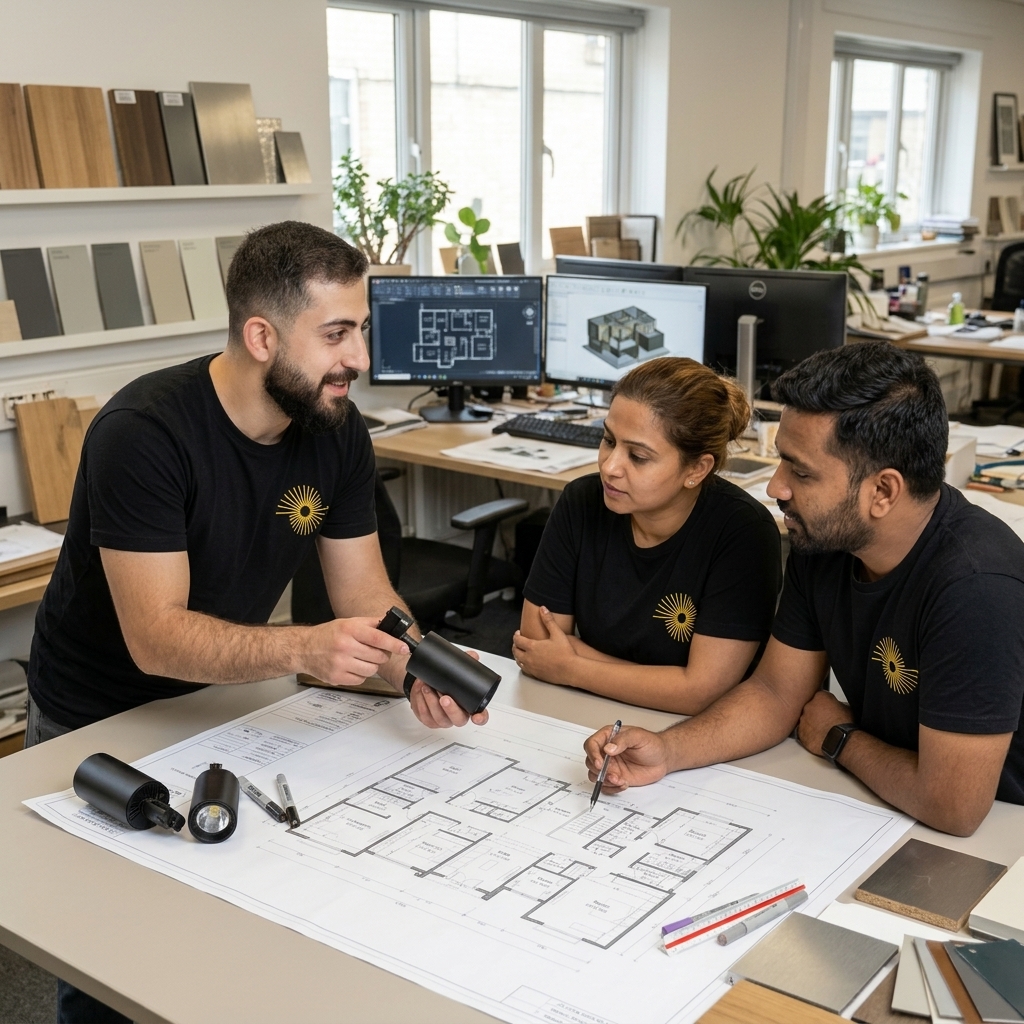
WHAT DOES A LIGHTING DESIGNER IN UAE?
A lighting designer does much more than recommend downlights or custom chandeliers from a catalog.
The designer studies the space, identifies its lighting needs, develops a concept, specifies suitable fixtures, and coordinates the technical details required to deliver the intended result.
For example, a luxury villa might need comfortable lighting for its living rooms, precise task lighting for its kitchen, decorative lighting for a double-height entrance, and carefully controlled illumination for its exterior facade.
Each area has different requirements. A lighting designer brings them together into one coordinated plan.
UAE-based lighting consultancies commonly describe their services as a process that extends from concept development and visualization to technical documentation, fixture supply, project coordination, and commissioning.
The precise scope depends on the provider and project, however.
From Design Ideas to Technical Drawings
The process usually begins with architectural drawings, the project brief, and a discussion about the desired atmosphere.
The designer then develops lighting layouts, selects suitable fixture types, evaluates light distribution, and coordinates the design with the architect, interior designer, electrical engineer, and contractor.
Depending on the scope, deliverables can include:
- Lighting concepts and fixture schedules.
- 2D lighting layouts and technical drawings.
- 3D lighting visualizations.
- Illuminance calculations and photometric assessments.
- Fixture specifications and control-system requirements.
- Coordination drawings for ceilings, wiring, and installation.
- Site reviews, aiming, commissioning, and handover support.
Not every project needs every service. A straightforward apartment may require a relatively simple lighting plan, while a luxury villa or large development may need detailed simulations and custom fixture coordination.
Why Lighting Design Should Start Early?
Lighting decisions affect the ceiling, electrical layout, interior finishes, joinery, and architectural details.
Delaying these decisions can limit available options once construction moves forward.
Imagine deciding to install a large custom chandelier after the gypsum or stretch ceiling has already been completed.
The team may need to revisit the support structure, electrical connection, suspension height, or access arrangements.
Early coordination gives the project team more opportunities to resolve these details on drawings rather than through costly changes on site.
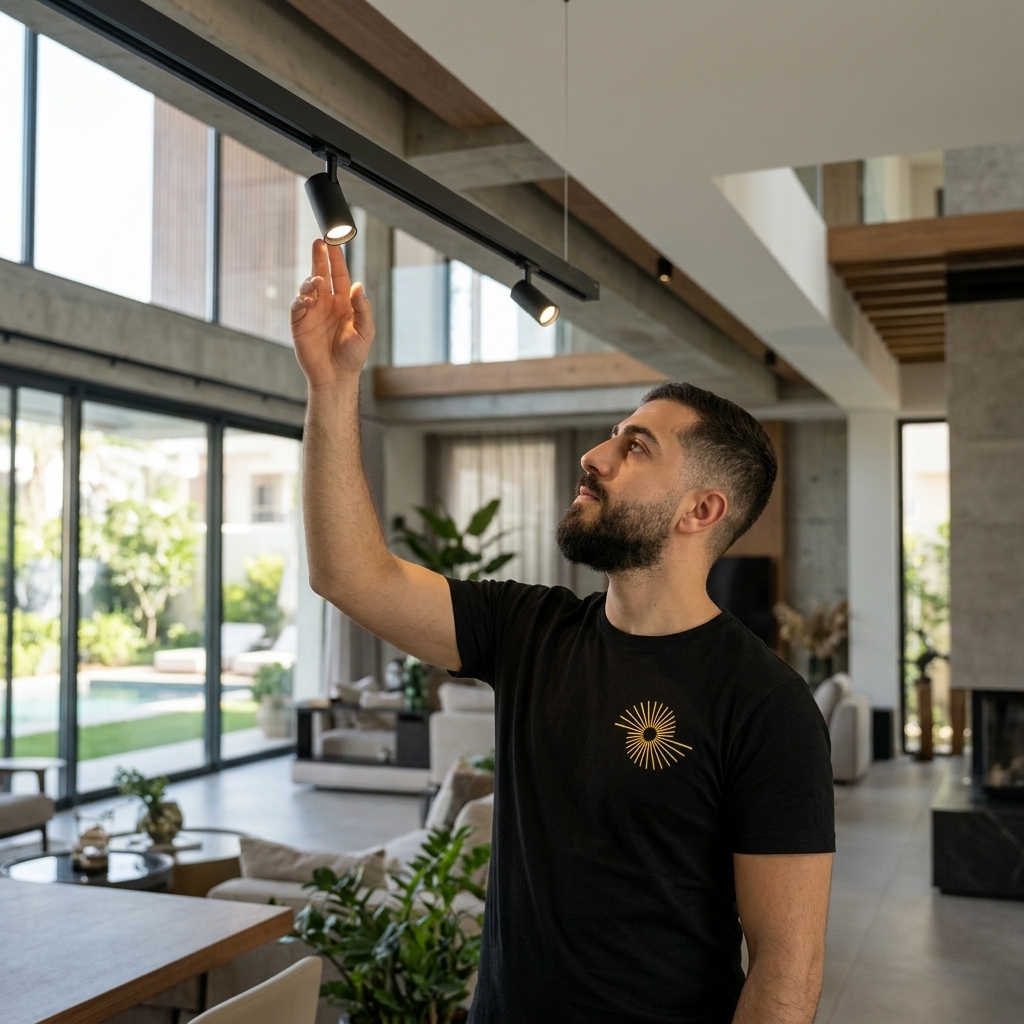
VILLA LIGHTING DESIGNER IN DUBAI AND ABU DHABI
Luxury villas need lighting that responds to the architecture and the household’s daily routines.
A formal majlis, an open-plan living room, a private cinema, and an outdoor dining terrace all benefit from different lighting approaches.
A professional villa lighting designer considers each space individually while maintaining consistent visual language throughout the property.
Planning Lighting Room by Room
Living rooms often benefit from a combination of ambient lighting, indirect ceiling details, decorative fixtures, and accent lighting.
This approach allows homeowners to create different moods without depending on a single bright ceiling fixture.
Kitchens need particular attention to work surfaces.
Recessed lights, under-cabinet LEDs, and appropriately positioned pendants can complement one another while reducing unwanted shadows.
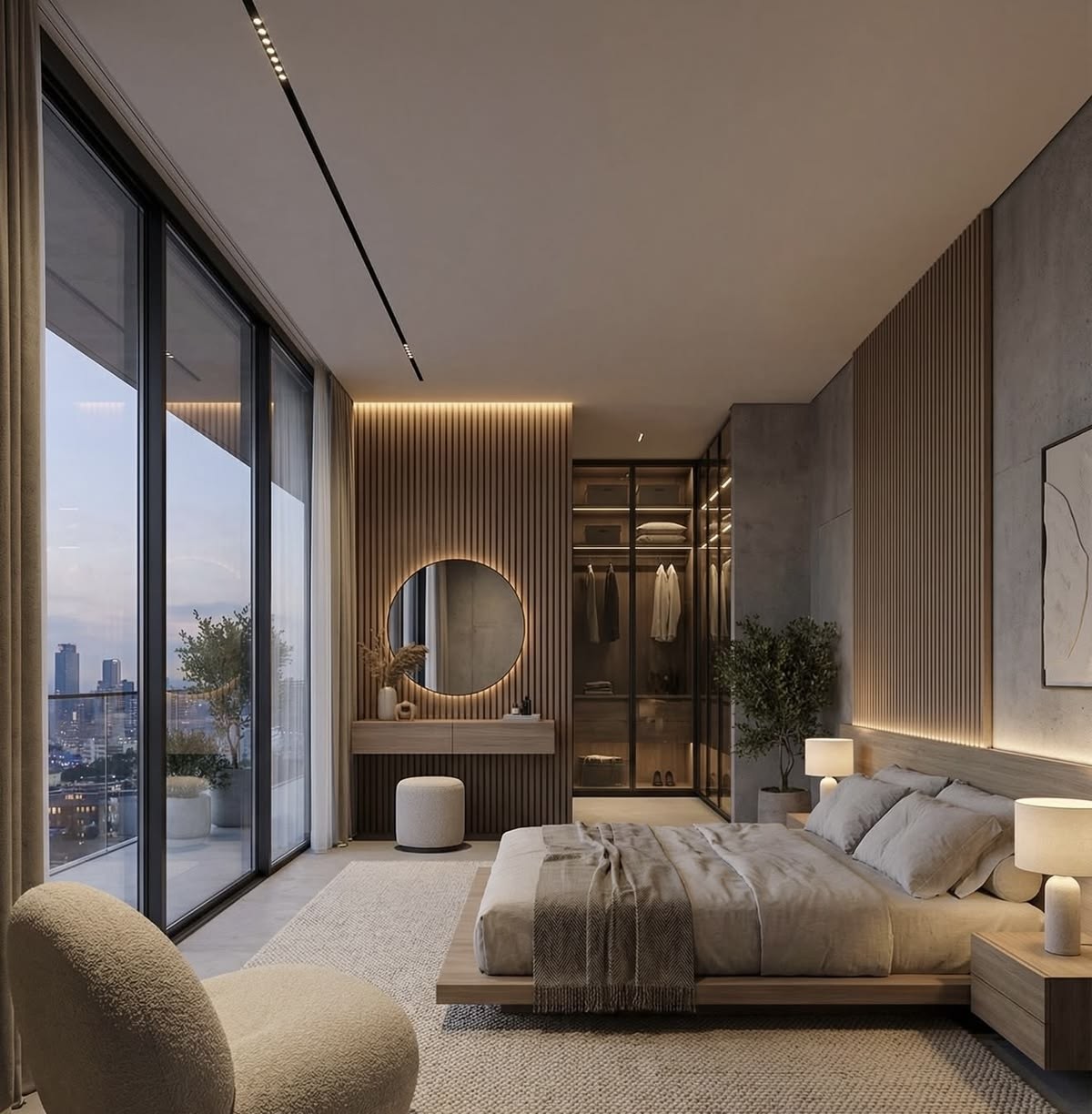
Bedrooms benefit from flexible lighting for reading, relaxing, and moving around safely at night.
Bathrooms need suitable general illumination and carefully considered mirror lighting to avoid distracting facial shadows.
Hallways, stairs, and entrances require a clear visual route. The designer must balance practical visibility with the proportions and architectural character of each area.
Chandeliers, Gypsum Ceilings, and Decorative Details
Luxury villa projects often include recessed lighting, cove lighting, custom chandeliers, pendant fixtures, wall lights, and integrated LED strips.
The challenge lies in making these elements work together.
Too many downlights can clutter a ceiling, while excessive decorative lighting can compete with the interior design.
A lighting designer coordinates fixture positions with ceiling heights, beams, air-conditioning outlets, access panels, furniture layouts, and other architectural details.
For custom chandeliers, the team should also confirm dimensions, weight, mounting requirements, power connections, dimming compatibility, and maintenance access before installation.
2D Lighting Plans and 3D Visualization
2D lighting plans shows where the fixtures belong and help contractors understand the proposed layout.
A 3D lighting design helps homeowners and designers visualize how the concept may look once installed.
Professional tools such as DIALux lighting design software support lighting calculations and visualization for individual rooms, complete buildings, outdoor areas, and daylight conditions.
The software also helps designers document relevant lighting calculations.
For a villa under construction, this process can help the team evaluate fixture positions, lighting effects, and potential conflicts before finishing work begins.
The Illuminating Engineering Society’s 2026 recommended practice for residential lighting also addresses lighting objectives, illuminance, equipment, controls, energy use, documentation, and codes.
These areas provide useful technical context for planning residential projects.
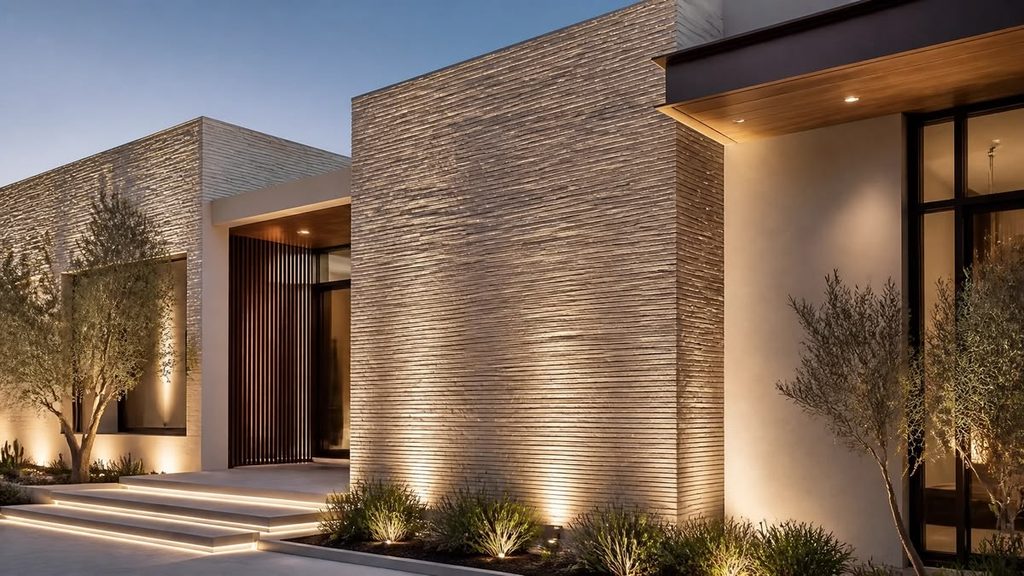
OUTDOOR LIGHTING DESIGNER IN DUBAI AND ABU DHABI
Outdoor lighting design changes how a property looks and functions after sunset.
It helps people navigate entrances and pathways while revealing selected architectural features, planting, terraces, and landscape details.
In Dubai and Abu Dhabi, exterior lighting also needs to suit local environmental conditions.
Product selection should account for heat, dust, moisture exposure, and corrosion risks where relevant to the installation.
Facade Lighting for Villas and Large Buildings
Facade lighting design should reveal the architecture rather than simply make every wall bright.
Wallwashing can create a relatively even layer of illumination across a surface.
Grazing highlights texture and relief by placing light close to the wall. Focused accent lighting can emphasize columns, entrances, arches, textured finishes, and distinctive architectural details.
The best technique depends on the facade material, viewing distance, mounting position, and intended visual effect.
A well-considered design also leaves some areas darker. This contrast helps establish visual hierarchy and prevents the facade from appearing uniformly overlit.
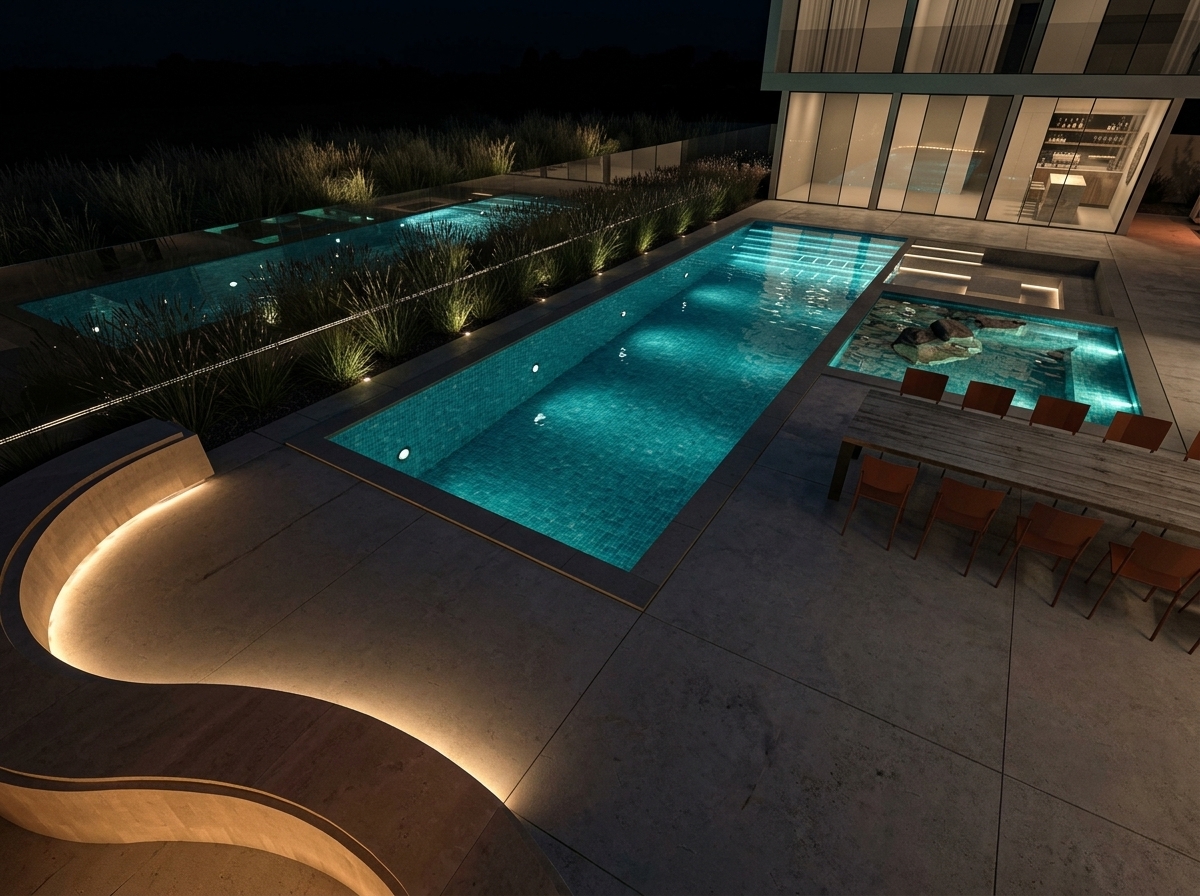
Garden, Pathway, and Pool Lighting
Landscape lighting needs to coordinate with the building rather than function as a separate collection of decorative fixtures.
Pathway lights help people recognize routes and changes in level. Accent fixtures can reveal selected trees or planting, while discreet lighting around terraces and seating areas helps create a comfortable outdoor environment.
Pool and water-feature lighting requires additional care. The fixtures and electrical installation must suit the location, wet conditions, and applicable safety requirements.
The designer should also consider glare and light spill into neighboring properties.
Dubai’s Building Code includes provisions covering exterior lighting power, fixture shielding, architectural accent lighting, wallwashing, and automatic controls. Project teams should verify the applicable requirements before approving an exterior lighting scheme.
Selecting Outdoor Lighting Fixtures
A product’s appearance does not establish whether it is suitable for a specific location.
Before specifying an outdoor fixture, check its documented environmental rating, material and corrosion resistance where applicable, operating-temperature limits, beam distribution, electrical requirements, and manufacturer’s installation instructions.
The project team should also consider how technicians will access the fixtures for cleaning, adjustment, repairs, or replacement.
For larger villas and developments, an exterior lighting plan should address fixture positions, wiring, controls, maintenance access, and coordination with landscaping and architectural finishes.
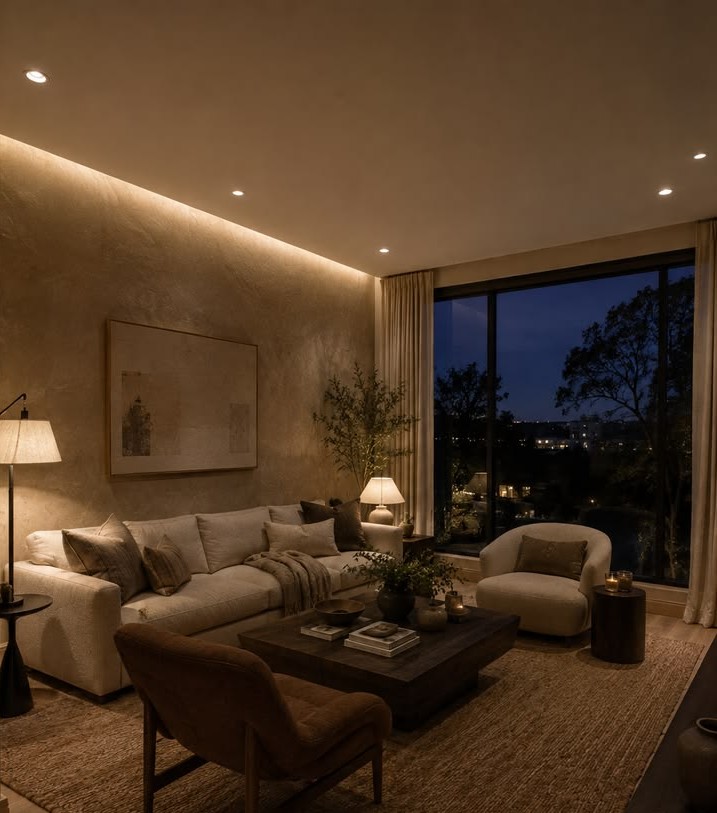
INDOOR LIGHTING DESIGNER IN DUBAI AND ABU DHABI
Indoor lighting design influences how people see materials, move through rooms, perform daily tasks, and experience the atmosphere of a property. It affects both the visual character of a space and its practical usability.
A lighting designer develops a coordinated scheme rather than treating every fixture as an isolated purchase.
Ambient, Task, Accent, and Decorative Lighting
Ambient lighting provides general illumination. Task lighting supports activities such as cooking, reading, working, or applying makeup.
Accent lighting draws attention to artwork, architectural features, display shelves, and textured materials. Decorative lighting, including chandeliers and pendants, can become a visual feature in its own right.
Combining these layers allows a room to serve different purposes throughout the day. Separate switching and dimming can help homeowners adjust the atmosphere without relying on one fixed lighting level.
Color Temperature, Color Rendering, and Glare
Color temperature affects whether white light appears warmer or cooler.
Warm white often suits relaxed residential environments, while other color temperatures may work better for particular work areas, finishes, or architectural concepts.
There is no universal color temperature that works best throughout every property.
A designer should consider the material palette, daylight, intended atmosphere, and relationship between adjoining spaces.
Color rendering also matters. The color rendering index (CRI) provides one measure of how accurately a light source reveals colors compared with a reference source.
Glare requires similar attention. A bright fixture positioned directly in someone’s line of sight may cause discomfort even when the room receives sufficient light overall.
Fixture optics, mounting height, beam distribution, surface reflectance, and viewing angles all influence the result.
Lighting calculations and product data help designers evaluate these factors before installation.
Lighting Controls and Smart-Home Integration
Modern residential lighting can include dimming, scheduled scenes, occupancy sensors, and integration with home automation systems.
A living room might use separate control groups for general lighting, cove lighting, accent fixtures, and a chandelier.
A homeowner could then select a suitable scene for entertaining, watching television, or relaxing.
The control system must match the selected fixtures, drivers, and project requirements. Early coordination can help avoid incompatible equipment and unnecessary changes during construction.
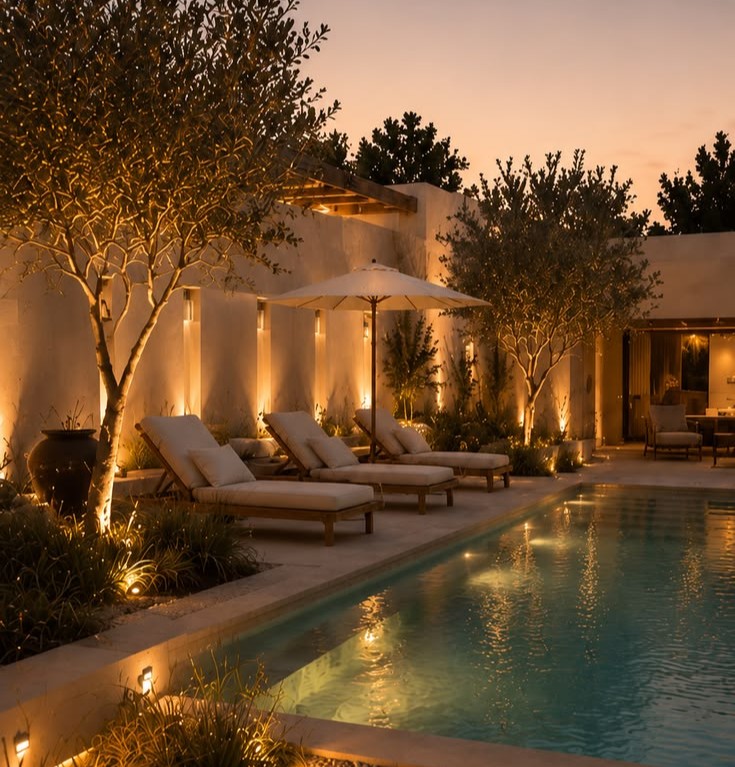
HOTEL AND HOSPITALITY LIGHTING DESIGNER IN DUBAI AND ABU DHABI
Hotels, resorts, restaurants, and other hospitality environments use lighting to support both practical activities and the guest experience.
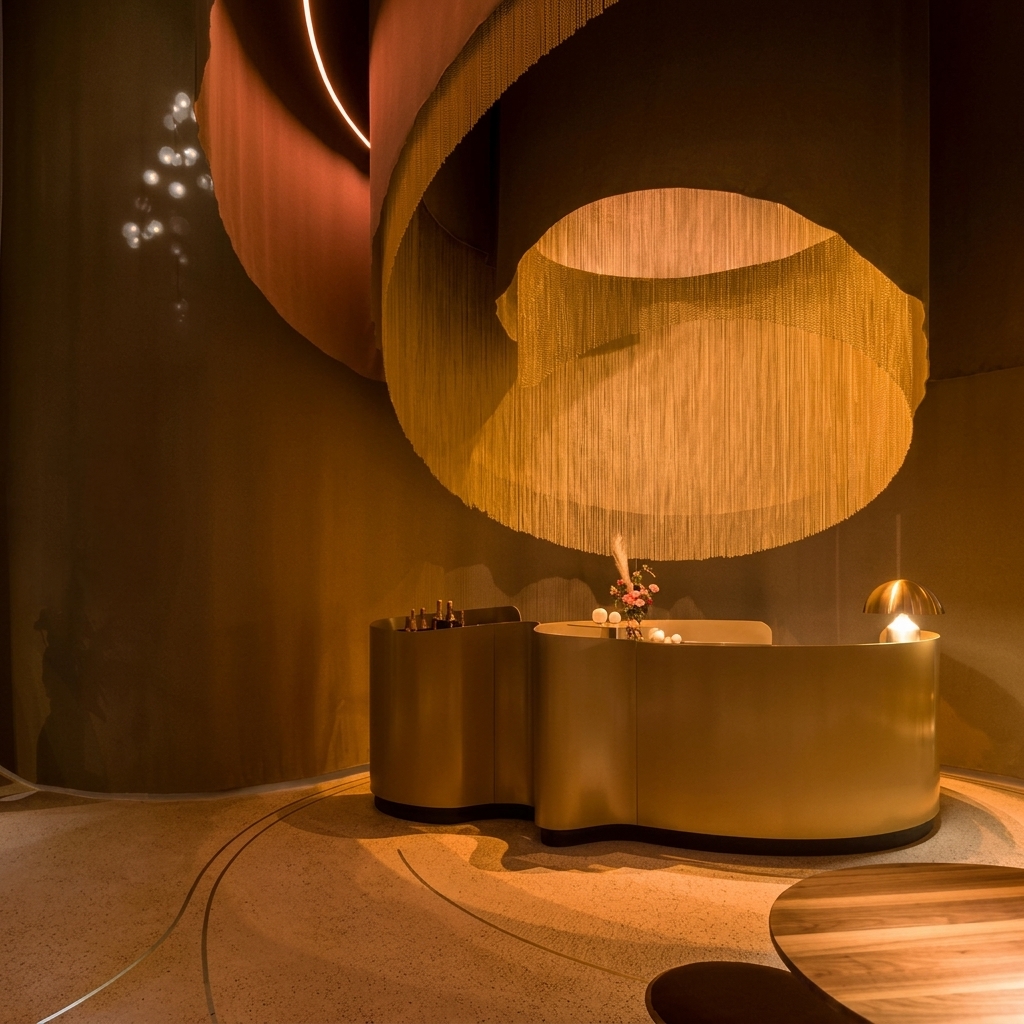
A hotel lobby lighting design needs to welcome visitors, support reception work, highlight architectural features, and maintain an appropriate atmosphere throughout the day. Restaurants and lounges may need more flexibility to adapt the space to different services and occasions.
Lobby and Reception Lighting
A hospitality lighting design expert considers the arrival sequence, reception desk, circulation areas, decorative features, and relationship between natural and artificial light.
A chandelier or statement fixture can establish a focal point, while ambient and accent lighting help connect the features to the surrounding architecture.
The design also needs to support practical visibility and comfortable movement. Decorative lighting alone rarely provides the complete solution.
Guest Rooms, Corridors, and Restaurants
Guest rooms need intuitive controls that allow visitors to manage bedside lighting, general illumination, reading lights, and bathroom lighting without confusion.
Corridors and circulation areas need consistent illumination and appropriate coordination with emergency lighting requirements.
Restaurants require a different approach, balancing comfortable ambience with sufficient light for menus, food presentation, and service activities.
The Illuminating Engineering Society’s ANSI/IES RP-9-23 addresses hospitality lighting across areas such as lobbies, elevator lobbies, corridors, guest rooms, restaurants, meeting spaces, fitness areas, and other hotel facilities.
Indeed, it emphasizes an integrated approach to lighting layers and individual areas.
Lighting Controls for Hospitality Operations
Hotels may need different lighting scenes for normal operation, cleaning, maintenance, events, and evening service.
A suitable control strategy allows staff to manage those scenes consistently while reducing the need to adjust many fixtures individually.
The designer should coordinate controls, fixture specifications, and operating requirements with the hotel’s technical and facilities teams. This helps ensure that the lighting concept remains practical after the hotel opens.

SHOPS AND STORES LIGHTING DESIGNER IN DUBAI AND ABU DHABI
Retail lighting needs to help customers see products clearly while reinforcing the store’s identity.
A jewelry showroom, fashion boutique, supermarket, furniture store, and automotive showroom have different lighting requirements.
A professional designer considers the products, materials, display arrangements, customer circulation, ceiling height, and brand presentation before developing the lighting scheme.
Lighting That Highlights Merchandise
Retail lighting often combines general illumination with accent and display lighting.
General lighting helps customers navigate the store. Accent lighting draws attention to selected products, while integrated display fixtures reveal merchandise on shelves, counters, and in showcases.
The designer must consider both horizontal and vertical illumination.
A brightly lit floor does not necessarily mean that clothing, shelving, product labels, or display cases receive the appropriate light.
Fixture position and beam direction also influence reflections on glass, glossy packaging, polished surfaces, and screens.
Color Quality and Product Presentation
Color rendering can be particularly important in fashion, cosmetics, food retail, furniture, and jewelry displays.
The designer should evaluate how the proposed light reveals the actual appearance of fabrics, finishes, food, and other merchandise.
Color temperature should support the intended presentation rather than follow a generic formula.
Lighting should also work with the store’s interior materials and brand identity. The same lighting scheme may not suit a luxury boutique and a value-focused retail environment.
Energy Use and Maintenance
Retail projects often operate for long periods, making energy use, control strategies, and maintenance important considerations.
The Illuminating Engineering Society’s RP-2-20 covers retail lighting goals, lighting characteristics, design considerations, systems, specific merchandise spaces, and merchandising techniques. It also discusses lighting quality, energy efficiency, and illumination of product displays.
For new stores and retail fit-outs, a lighting designer can coordinate the layout with shelving, signage, ceiling systems, electrical infrastructure, and the store’s anticipated merchandising plan.
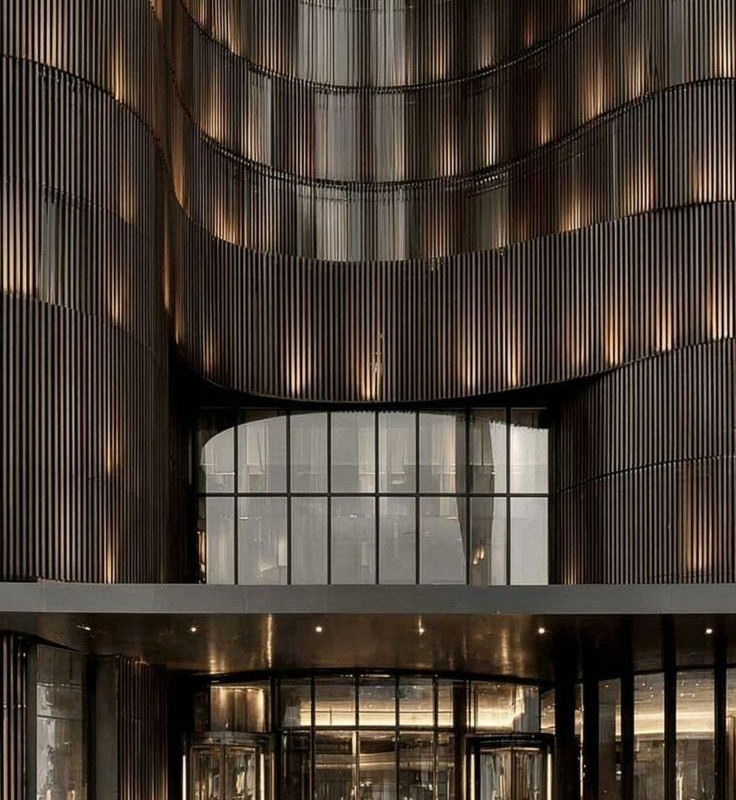
LARGE RESIDENTIAL PROJECTS LIGHTING DESIGNER
Large residential projects introduce coordination challenges that extend beyond an individual apartment or villa.
These projects may include multiple buildings, shared entrances, corridors, parking areas, landscaped spaces, amenities, and exterior facades.
The lighting designer needs to develop a consistent approach while responding to the particular requirements of each area.
Multi-Villa Developments and Residential Towers
A multi-villa development may require repeatable lighting layouts for similar units while allowing selected variations for different villa types.
A residential tower needs coordination across apartments, shared corridors, lift lobbies, entrance areas, amenities, parking, and external architectural lighting.
The design team should distinguish between private residential lighting, common-area lighting, emergency systems, landscape lighting, and architectural facade lighting. Each has different operational and technical requirements.
Coordination With Architects, Engineers, and Contractors
Large projects involve many teams, and lighting influences several aspects of construction.
The designer may need to coordinate ceiling details with the architect, circuit requirements with the electrical engineer, fixture procurement with the supplier, and installation sequences with the contractor.
For larger developments, detailed schedules, coordinated drawings, technical submittals, sample reviews, and mock-ups can help resolve problems before they affect large quantities of fixtures.
This coordination becomes especially valuable when the project includes custom decorative lighting, complex facade systems, smart controls, or multiple fixture manufacturers.
Product Standardization and Long-Term Maintenance
Developers should consider more than the initial purchase price when selecting lighting products for a large residential project.
Using compatible product families and control systems where practical can simplify procurement, spare-parts management, maintenance, and future replacements.
The designer should also establish clear specifications for light output, color temperature, color rendering, beam distribution, dimensions, environmental ratings, and control compatibility.
These details help the project team compare products based on documented performance rather than appearance alone.
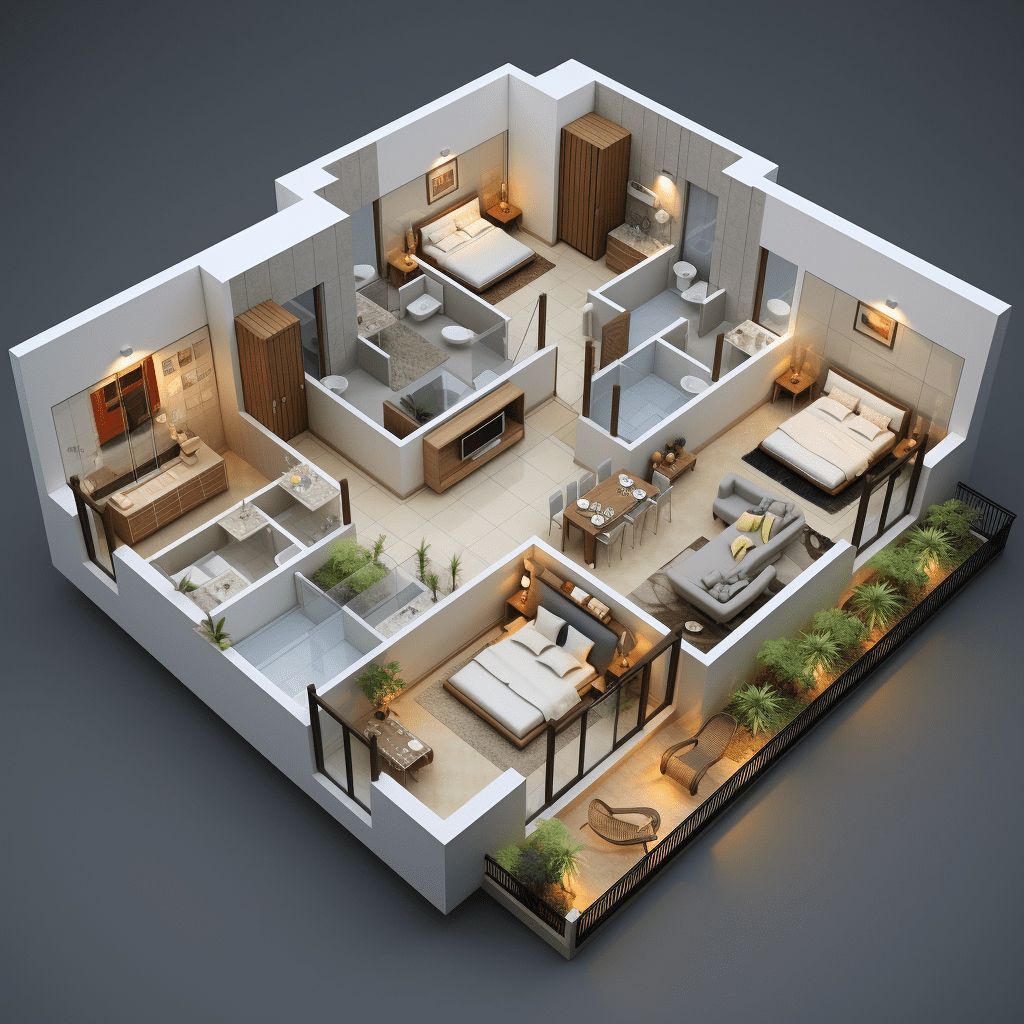
THE LIGHTING DESIGN PROCESS FOR VILLAS IN DUBAI
Professional lighting design usually follows several connected stages.
The precise workflow varies by project, but the goal remains the same: translate the design concept into a technically coordinated and buildable system.
Brief and Concept Development
The designer starts by understanding the building, client objectives, architectural intent, budget, operating requirements, and desired atmosphere.
Early concept work may include reference images, lighting sketches, initial fixture ideas, and discussions about the relationship between light and materials.
Design Development and Calculations
Once the concept has direction, the designer develops the lighting layout and evaluates technical performance.
Depending on the project, this stage may include photometric calculations, fixture schedules, 3D visualizations, control strategies, and coordination with ceiling and electrical drawings.
DIALux evo supports the calculation and visualization of artificial light and daylight for indoor and outdoor areas.
It also allows designers to document relevant calculations and work with supported luminaire data.
Technical Documentation and Supply
The project team then develops the information needed for procurement and installation.
This may include detailed drawings, fixture specifications, control schedules, mounting details, and technical submittals.
The supplier should confirm product availability, delivery schedules, and compatibility with the approved design.
If the project uses custom chandeliers or specialized architectural fixtures, the team may also require sample reviews or factory coordination.
Installation, Aiming, and Commissioning
Once fixtures arrive on site, the contractor installs them according to the coordinated drawings and manufacturer’s instructions.
The designer may then review fixture aiming, light distribution, dimming behavior, scene settings, and the relationship between installed fixtures and surrounding surfaces.
Commissioning provides an opportunity to correct problems before the project team completes the handover.
The exact level of designer involvement should be agreed in the service scope.
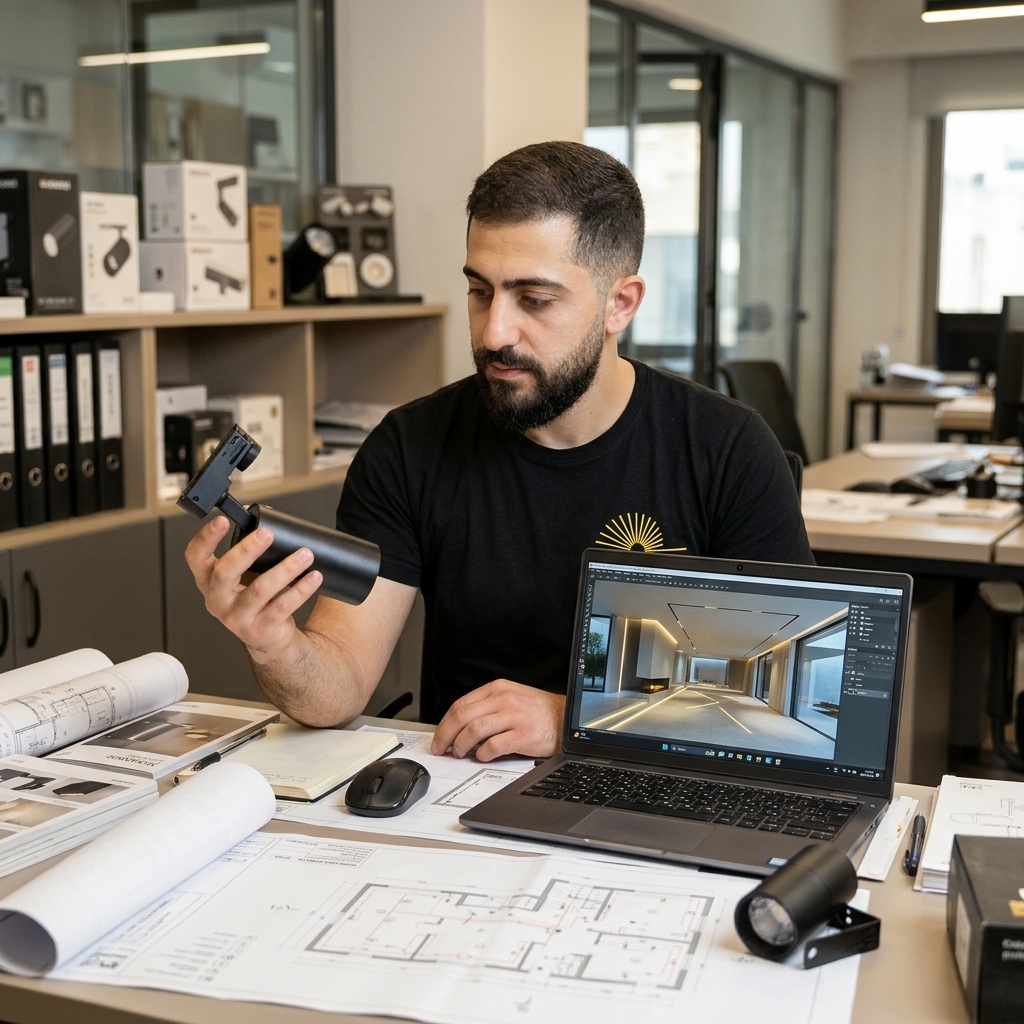
HOW TO CHOOSE A LIGHTING DESIGNER IN THE UAE?
Choosing the right lighting designer means looking beyond attractive renderings.
You need a team that understands the project’s objectives, can document the design clearly, and can coordinate the technical details with the rest of the construction team.
Review Relevant Project Experience
Ask to see examples that relate to your project type.
A designer with strong villa experience may bring useful residential expertise, while a hotel, retail, or large development project may require more specialized experience in controls, technical coordination, and commissioning.
Look for evidence of both visual design quality and practical execution.
Clarify Deliverables and Responsibilities
Before appointing a designer, confirm whether the quotation includes concept design, 2D plans, 3D visualization, lighting calculations, fixture schedules, technical drawings, site visits, commissioning, and handover support.
Also establish who will supply the fixtures, coordinate the electrical contractor, manage controls, and resolve issues during installation.
Some firms offer independent consultancy, while others combine design with supply, project management, and installation. Neither approach automatically suits every project. The important point is to understand who handles each responsibility.
Compare Specifications, Not Just Prices
Ask suppliers to quote against a coordinated fixture schedule wherever possible.
This helps you compare products with similar light output, optics, color characteristics, control compatibility, warranty, and environmental ratings.
A cheaper fixture may look similar but perform differently or require additional equipment. Likewise, a low design fee may exclude technical drawings, calculations, site coordination, or commissioning.
A clear scope and a documented specification help reduce misunderstandings and make the final result easier to manage.
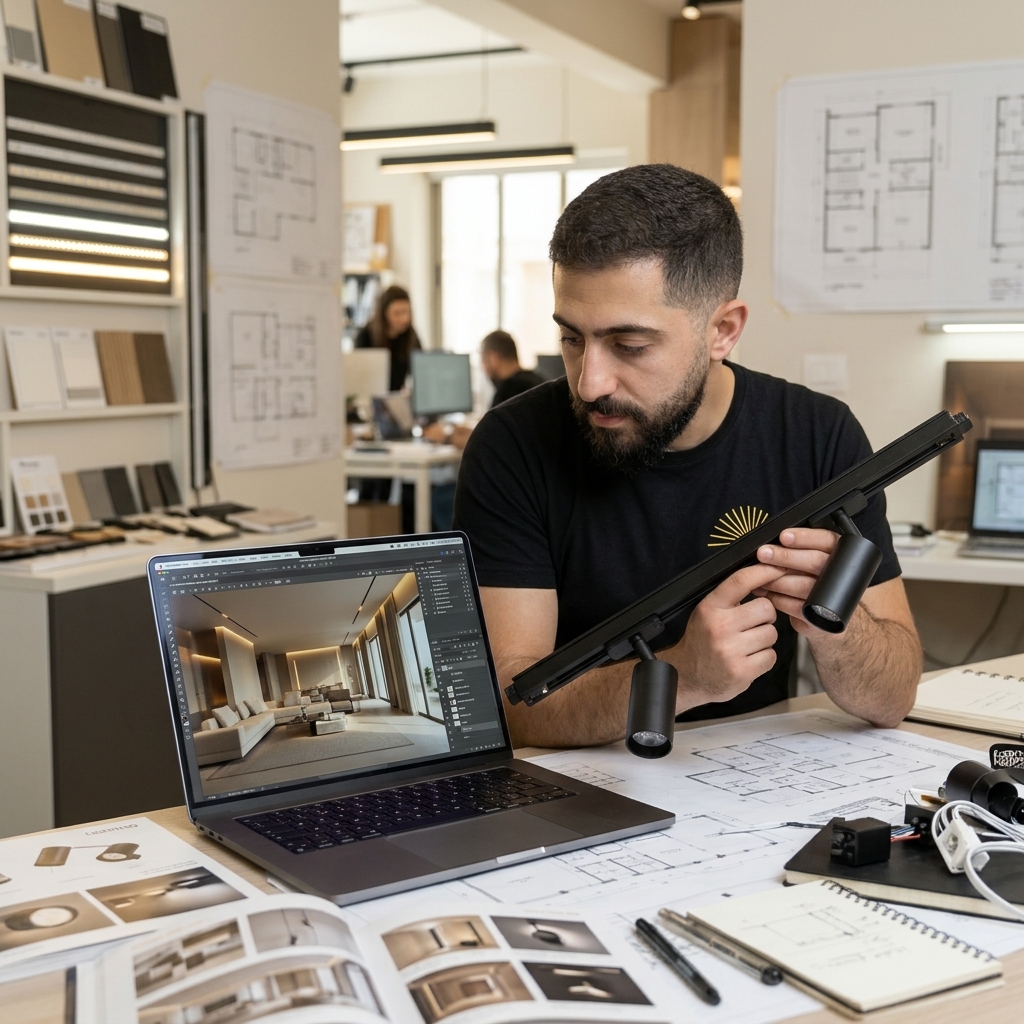
LIGHTING DESIGNER COST IN DUBAI AND ABU DHABI
Lighting design fees vary with project size, complexity, scope, and the level of technical involvement required.
The cost can range from AED 3,000 to AED 10,000, depending on the designer’s experience and the scope of the project.
A small residential project may need a limited set of plans, while a large villa or commercial development may require detailed calculations, 3D visualization, mock-ups, control-system coordination, and several rounds of revisions.
Fixture supply and installation also affect the total project budget, but they should not be confused with the design fee itself.
In sum, several factors can influence a quotation:
- Property size, number of floors, and room count.
- Architectural complexity and ceiling details.
- Interior, exterior, landscape, and facade requirements.
- The need for 2D drawings, 3D renderings, and lighting calculations.
- Custom chandeliers and specialist lighting products.
- Lighting controls, automation, and commissioning requirements.
- Site visits, coordination meetings, and design revisions.
For accurate budgeting, request a written quotation that separates design, supply, installation, controls, and other project costs where applicable.
In any case, early involvement gives the project team a better opportunity to select suitable products and coordinate lighting with the architecture before installation begins.
It also helps the client evaluate alternatives.
For example, the team might prioritize a statement chandelier in the entrance while using simpler, well-specified fixtures in less prominent areas.
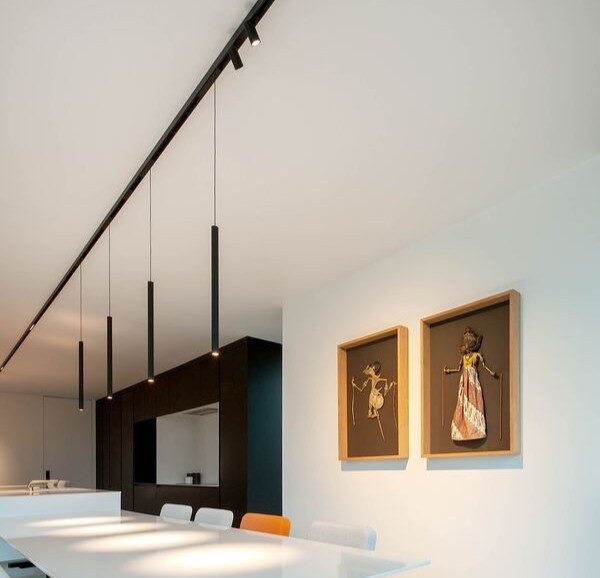
FINAL THOUGHT
A good lighting designer helps a building look and function as intended.
The work begins with understanding the architecture and the people who will use the space, then moves through calculations, fixture selection, technical coordination, and installation.
For villa owners in Dubai and Abu Dhabi, that process can help connect the interior design, outdoor areas, and architectural features into one coherent scheme. For hotels, shops, and large residential projects, it also supports consistent performance, reliable controls, and practical maintenance.
The best results will come from treating lighting as an essential part of the design and construction process rather than a final decorative decision.
By coordinating the design with the project’s requirements from an early stage, homeowners, architects, and developers can make more informed decisions before the work reaches the finishing stage.
Related Posts
Office Lighting in Dubai and Abu Dhabi: For Modern Corporate Workspaces in 2027
Villa Lighting Projects in Dubai and Abu Dhabi: 3D Design, Supply, and Installation
Indoor Lighting Design in Dubai and Abu Dhabi: For Villas and Luxury Spaces in 2027
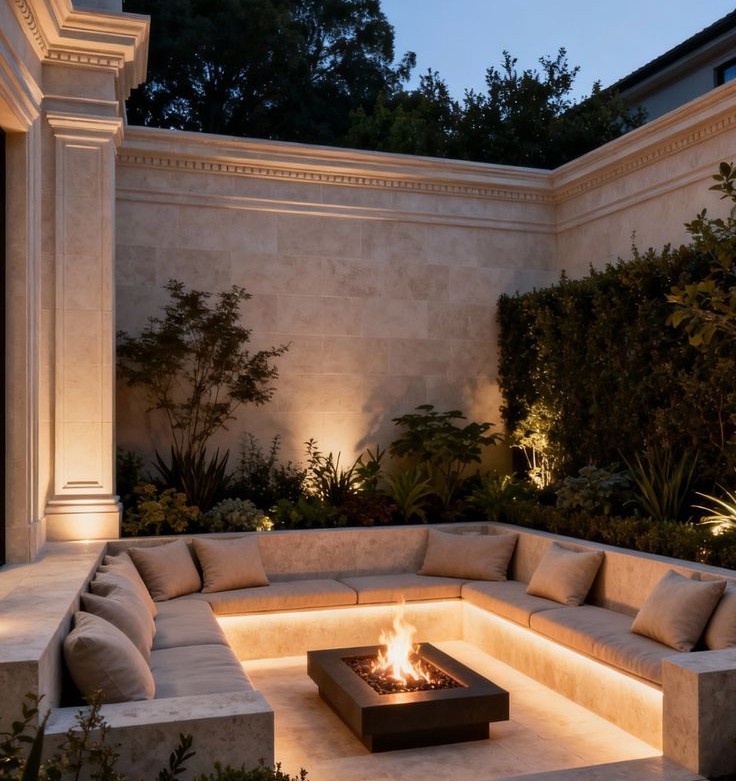
3D Exterior Lighting Design in Dubai and Abu Dhabi for Modern Villas
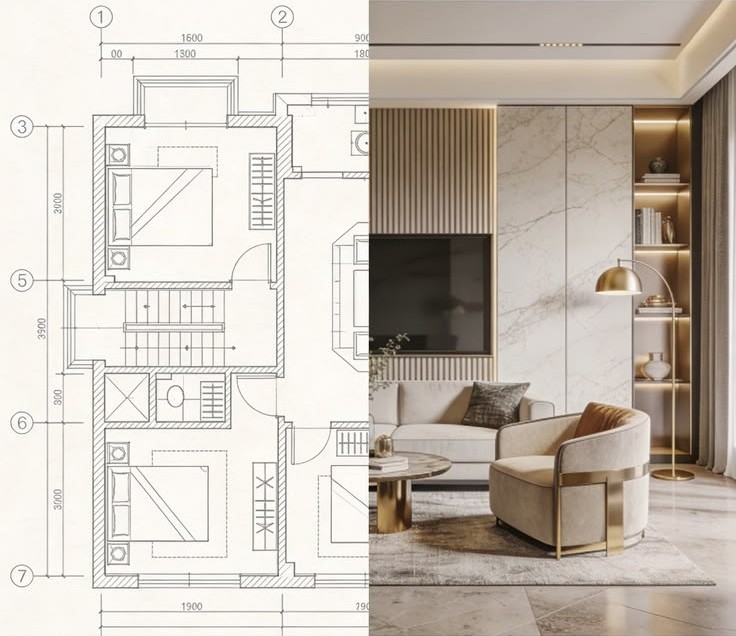
2D Lighting Plans in Dubai and Abu Dhabi for New Villa Construction
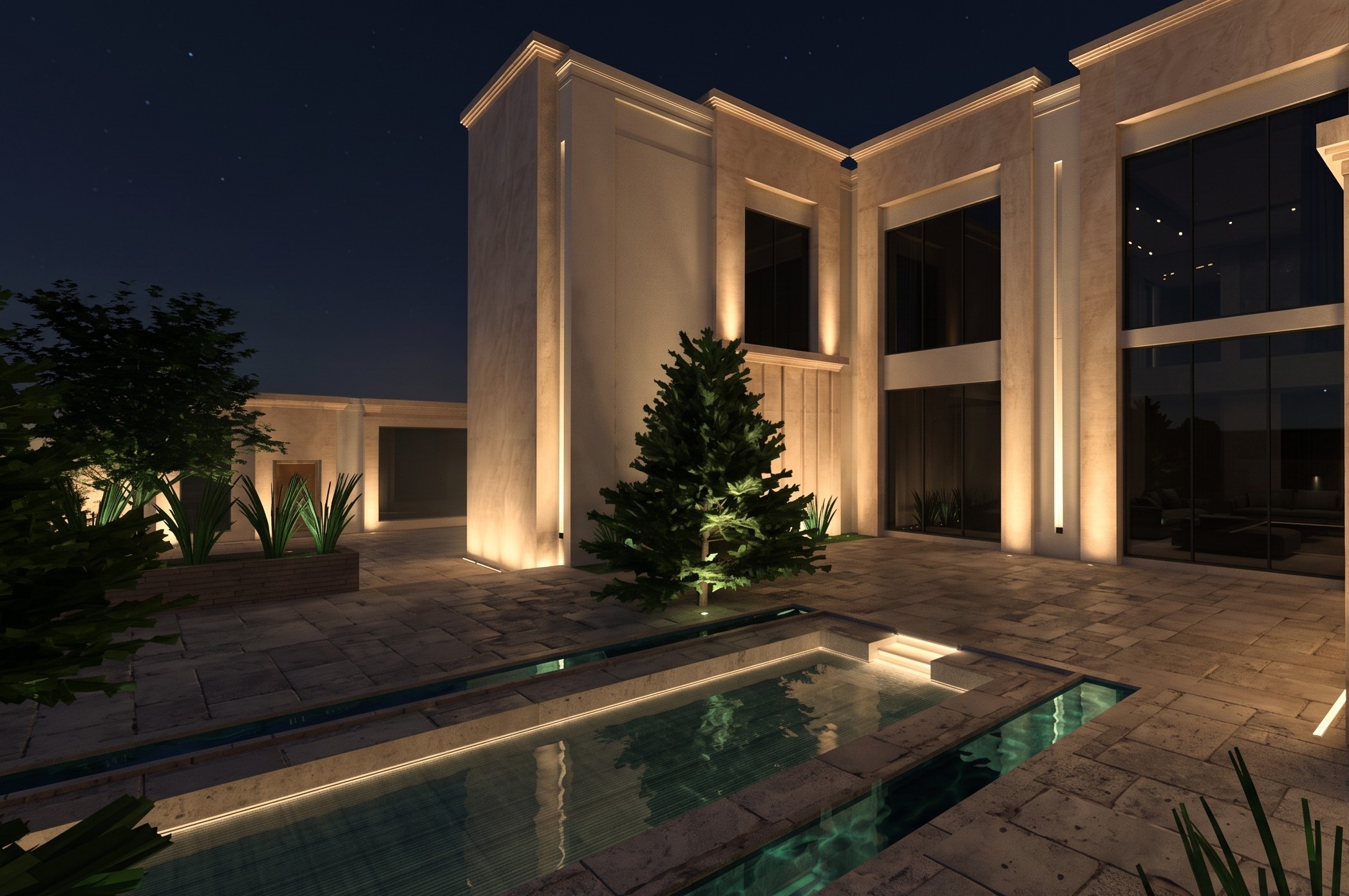
3D Lighting Design in Dubai and Abu Dhabi for Villas, Hotels, and Luxury Spaces
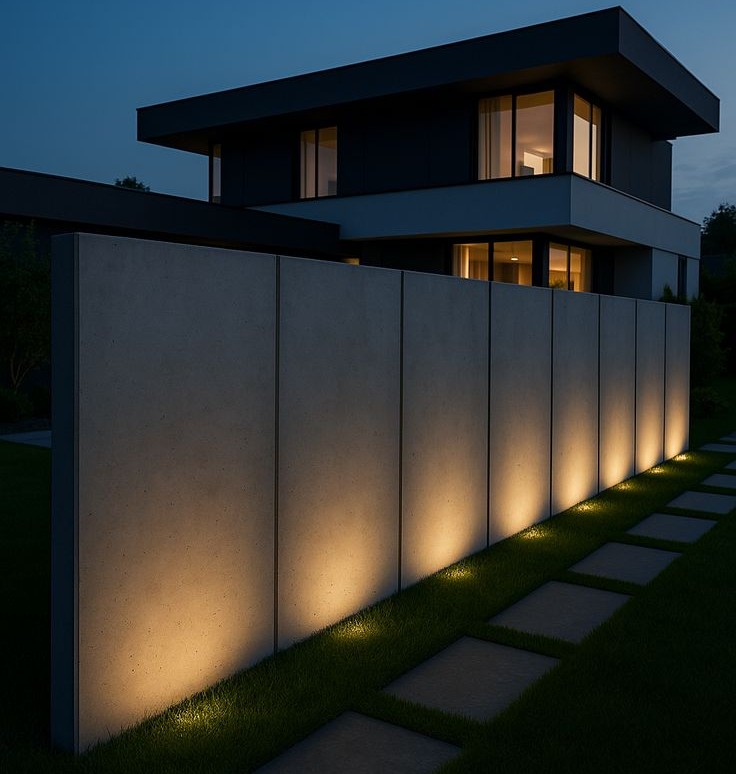
Architectural Lighting Design for Villas, Hotels, and Luxury Properties in UAE
DIALux Lighting Design Service for Dubai and Abu Dhabi Projects
Hospitality Lighting in Dubai and Abu Dhabi for Luxury Hotels and Resorts
Hotel Lighting Design in UAE: for Hospitality Projects in Dubai and Abu Dhabi (2027)
Lighting Consultant In UAE: Services, Benefits, and Costs for Villas and Large Projects
Lighting Design for Large Residential Projects: Villas, Apartments, and Residential Towers in UAE
Lighting Design for Property Developers in Dubai: Residential and Commercial Projects
Outdoor Lighting Design in Dubai and Abu Dhabi for Villas, Pools, and Landscapes
Villa Lighting Design in Dubai and Abu Dhabi: A Complete Guide in 2027


Wall Light Design in UAE for Homes & Villas

Staircase Light Design in UAE for Homes, Villas, & Large Malls


Light Installation in UAE for Homes, Villas, and Shops
