
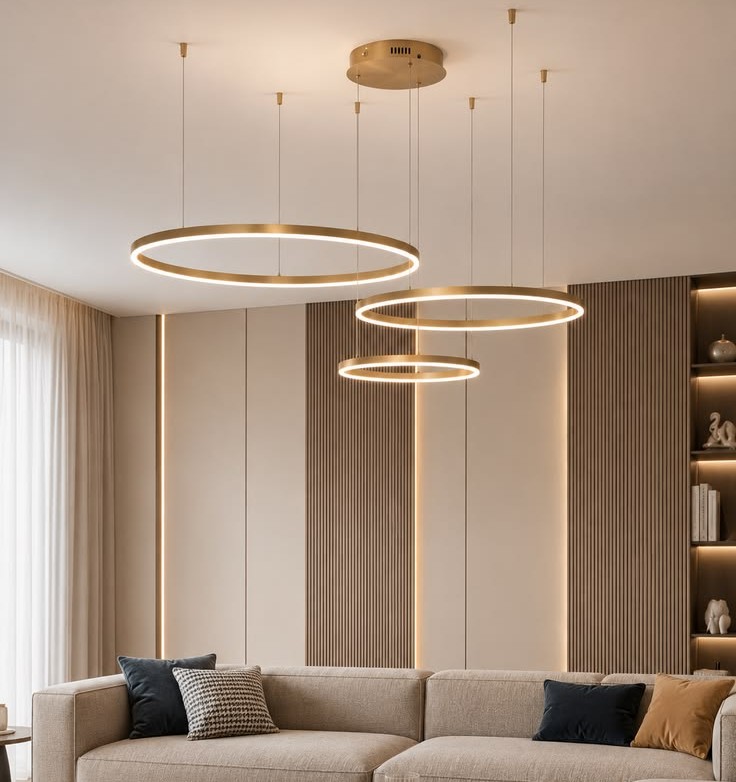
Villa Lighting Cost in Dubai and Abu Dhabi in 2027
What makes a villa look different in any area in Dubai or Abu Dhabi is what happens when the light is turned on after dark.
But these results rarely happen by accident or on the cheap.
The best villa lighting design projects naturally begin with a plan that considers the architecture, daily activities, natural daylight, fixture performance, and how homeowners want their spaces to feel.
For homeowners building or renovating a property in Dubai or Abu Dhabi, lighting design deserves attention early in the project, even if it increases the initial cost.
Lighting decisions made before electricians install wiring or closing gypsum ceilings give the design team more flexibility and help avoid unnecessary changes later.
From interior LED fixtures and custom chandeliers to facade lighting and villa lighting cost, we will try next to explain what a luxury villa lighting project involves in terms of costs and budgets.
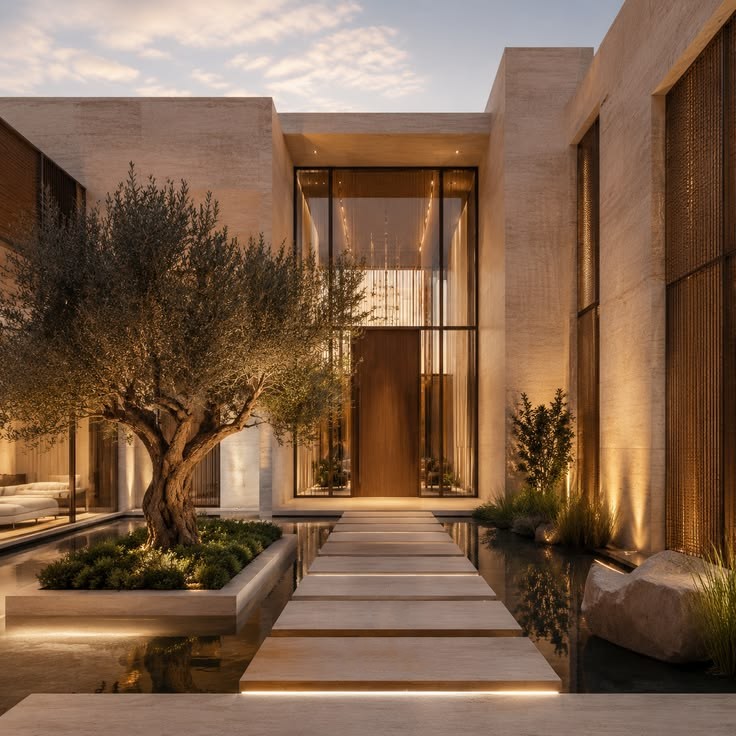
LIGHTING DESIGN FOR VILLA PROJECTS IN DUBAI AND ABU DHABI
Villa lighting involves much more than deciding how many downlights to install in each room or merely the villa lighting cost alone.
A lighting designer studies architectural drawings, ceiling heights, room dimensions, window positions, interior finishes, and intended use of each space.
The same fixture may perform very differently in a room with a white ceiling than in one with dark timber, textured stone, or a high-gloss finish.
Surface colors and reflectance influence how light spreads through a room and how bright the space appears.
For villas in Dubai and Abu Dhabi, the design process should also consider how people use their homes throughout the day.
A formal majlis, a family living room, a kitchen island, and a private terrace each have different lighting requirements.
Why Early Lighting Planning Matters?
Lighting works best when the electrical layout, ceiling design, interior architecture, and fixture selection support one another.
For example, installing recessed downlights before confirming the location of ceiling beams, air-conditioning outlets, access panels, and decorative features can lead to unnecessary adjustments.
Heavy chandeliers may also require appropriate structural support before the contractor closes the ceiling.
A coordinated lighting plan helps the project team identify these details before installation begins.
It also gives homeowners a clearer picture of the proposed result and the reason behind any villa lighting cost proposed.
2D Plans and 3D Lighting Visualization
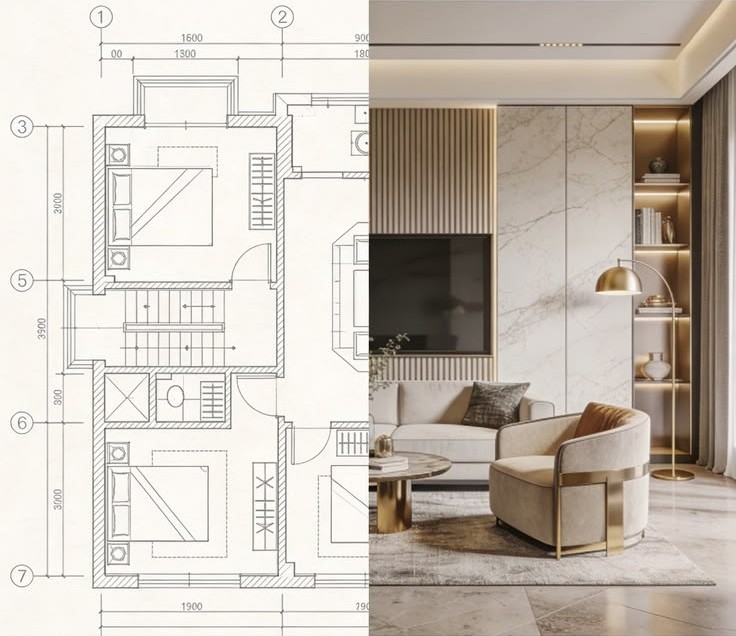
2D lighting plans show fixture positions, lighting points, circuits, switching arrangements, and other information required by the project team.
This gives electricians and contractors a practical drawing to follow during construction.
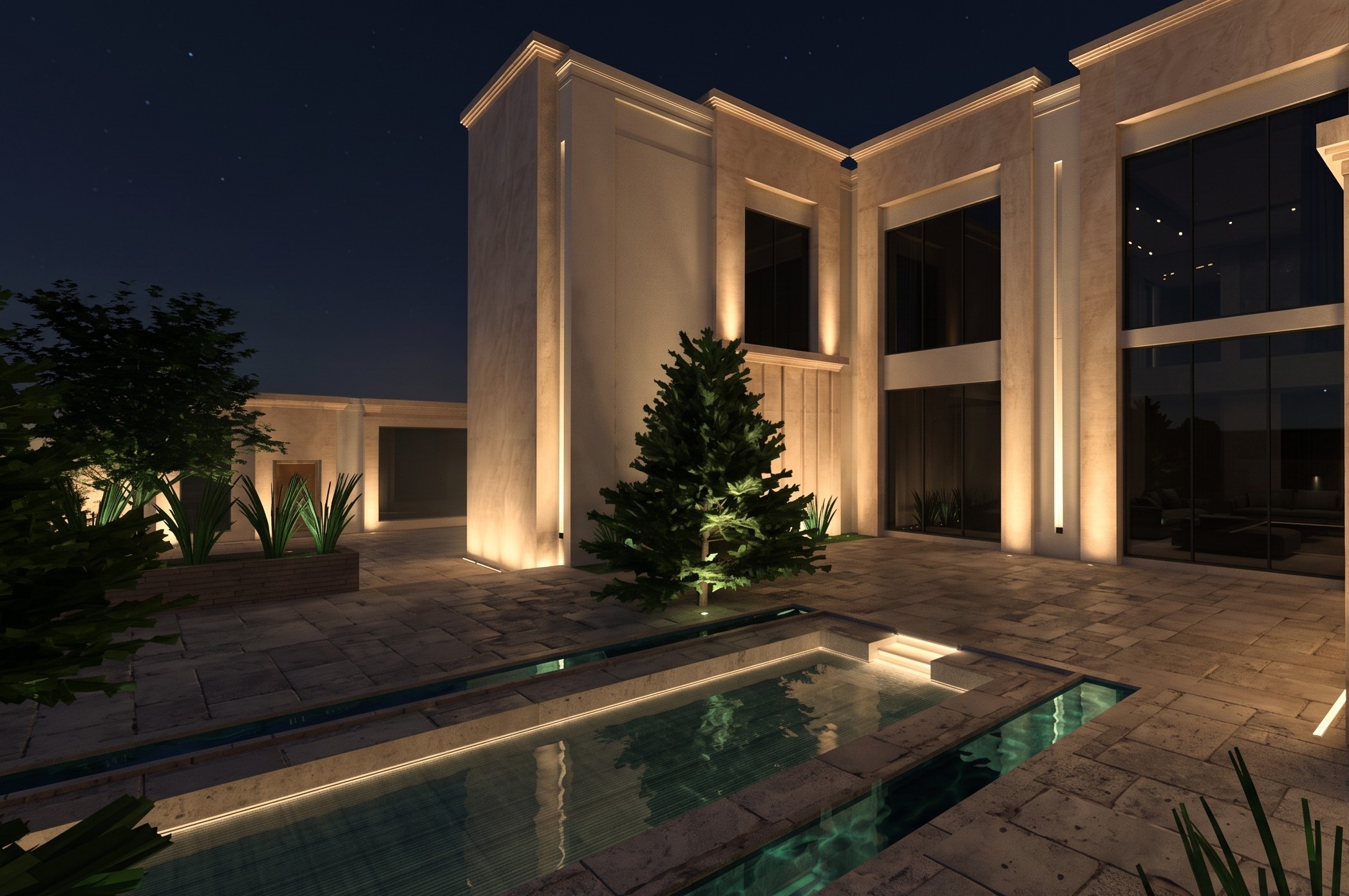
A 3D lighting design takes visualization further. It helps clients examine how lighting may interact with materials, furniture, wall details, ceiling features, and architectural elements.
A professional DIALux lighting design service can actually model and calculate lighting for interior rooms, complete buildings, outdoor areas, and daylight conditions.
These calculations help designers evaluate light distribution before installation instead of relying entirely on decorative impressions or fixture wattage.
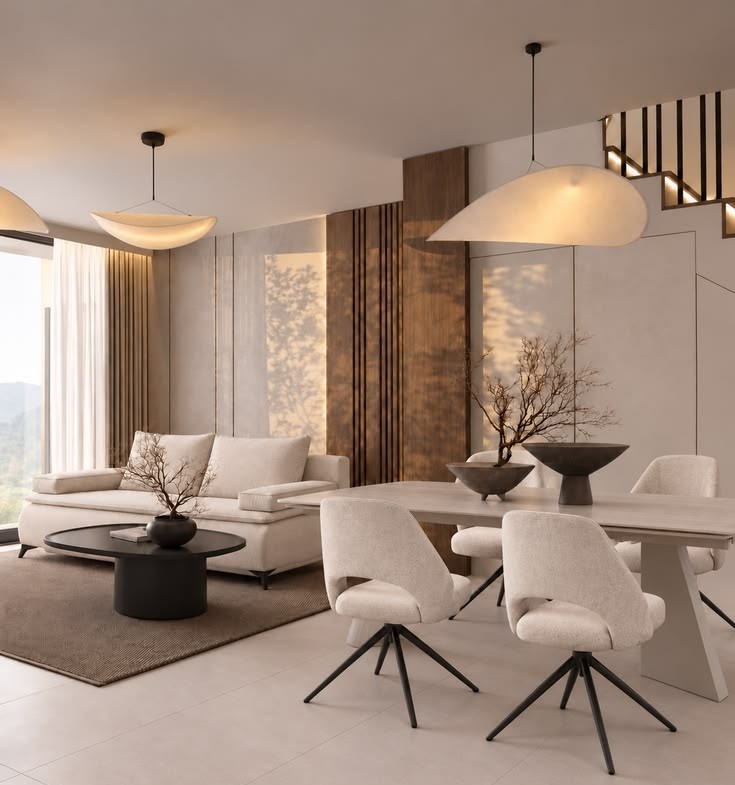
VILLA LIGHTING COST IN UAE IN 2027
There is no single price for a complete villa lighting project. The final cost depends on the property’s size, number of rooms, ceiling design, outdoor areas, fixture selection, and level of technical planning.
A basic 2D lighting plan has a different scope from a detailed 3D visualization package.
Likewise, a project that includes custom chandeliers, architectural facade lighting, extensive landscaping, and smart controls requires more planning and coordination than a straightforward interior lighting layout.
Small Villa Lighting Cost in Dubai and Abu Dhabi
For smaller villas with straightforward layouts, lighting design alone may cost around AED 3,500–8,000.
When the project includes lighting fixtures and installation, the total budget may range from AED 10,000 to AED 20,000, depending on the number of rooms, fixture quality, and installation requirements.
A smaller project may include recessed LED downlights, basic ceiling fixtures, kitchen lighting, bedroom lights, and selected outdoor fixtures.
Choosing suitable standard fixtures and planning their positions early can help control costs without compromising the overall lighting quality.
Mid-Sized Villa Lighting Cost in Dubai and Abu Dhabi
For a mid-sized villa, lighting design alone can cost approximately AED 5,000–15,000, depending on the number of rooms and the complexity of the design.
The total project cost, including fixture supply and installation, can range from AED 15,000 to AED 40,000.
The final quotation depends on whether the project includes 2D plans, 3D visualizations, concealed LED strips, decorative pendants, facade lighting, garden fixtures, or lighting controls.
For homeowners, comparing the complete scope of each quotation is more useful than choosing a contractor based on fixture prices alone.
Large Villa Lighting Cost in Dubai and Abu Dhabi
For large luxury villas and complex residential projects, lighting design alone can range from AED 10,000 to AED 15,000 or more.
The total project cost can exceed AED 50,000 and, for exceptionally extensive luxury installations, may reach AED 900,000 or more.
Projects at the higher end of this range may include custom chandeliers, detailed 3D lighting design, architectural facade illumination, extensive gardens, swimming pools, premium fixtures, and integrated smart lighting controls.
These projects require more detailed coordination between the lighting designer, architect, interior designer, electrical contractor, supplier, and light installation team.
Fixture selection, structural requirements, installation access, and control-system programming can all influence the final budget.
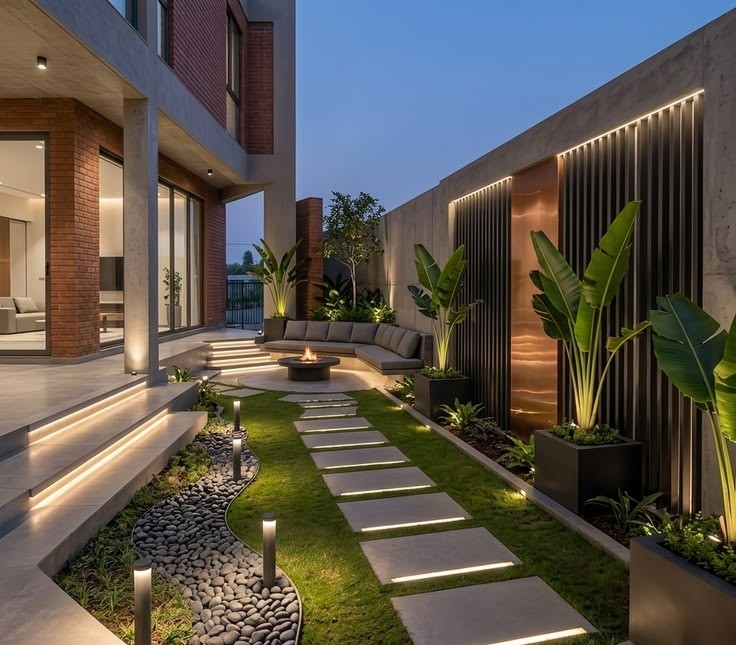
WHAT DETERMINES THE FINAL VILLA LIGHTING COST IN UAE?
Several factors deserve attention when planning a lighting budget for a villa in Dubai or Abu Dhabi:
- Property size and layout: Larger villas and more complex floor plans require more design and coordination.
- Fixture quality and quantity: Product specifications, materials, optics, and control features influence the cost.
- Architectural details: Custom ceilings, decorative niches, double-height spaces, and complex facades can require additional planning.
- Outdoor scope: Gardens, pools, pathways, and facade lighting add equipment and installation requirements.
- Technical services: Lighting calculations, 3D visualizations, custom designs, and site coordination affect the service scope.
- Control systems: Dimming, smart-home integration, and separately controlled scenes introduce additional equipment and commissioning needs.
When comparing quotations, clarify whether the price includes lighting design, fixture supply, electrical installation, control programming, site coordination, and commissioning.
It is also important to confirm whether ceiling modifications, electrical upgrades, and other construction work fall within the quotation or require separate costs.
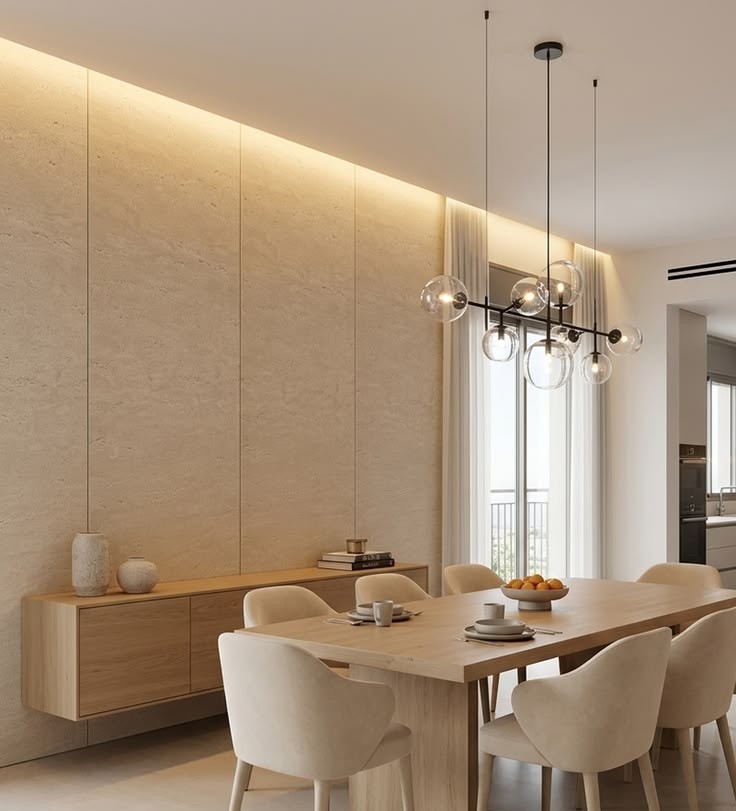
HOW TO LIGHT VILLA INTERIORS WITH LAYERED LIGHTING?
One ceiling rarely creates the right atmosphere for an entire room.
A more flexible approach combines different lighting layers so each space can support several activities.
Most residential lighting schemes use some combination of ambient, task, accent, and decorative lighting.
Each layer serves a different purpose, and the right balance depends on the room.
Living Rooms and Majlis
Living rooms often need to accommodate conversations, entertaining, reading, television viewing, and relaxed evenings.
A single row of bright downlights may illuminate the floor, but it can leave walls and seating areas visually flat.
Designers can combine indirect ceiling lighting, carefully positioned downlights, wall lights, floor lamps, and accent fixtures.
Dimming allows the household to adjust the atmosphere without changing the lighting hardware.
In a formal majlis, a decorative chandelier may establish a focal point, while additional lighting helps reveal wall finishes, artwork, seating, and architectural details.
Kitchens and Dining Areas
Kitchen lighting requires particular attention to where people prepare food.
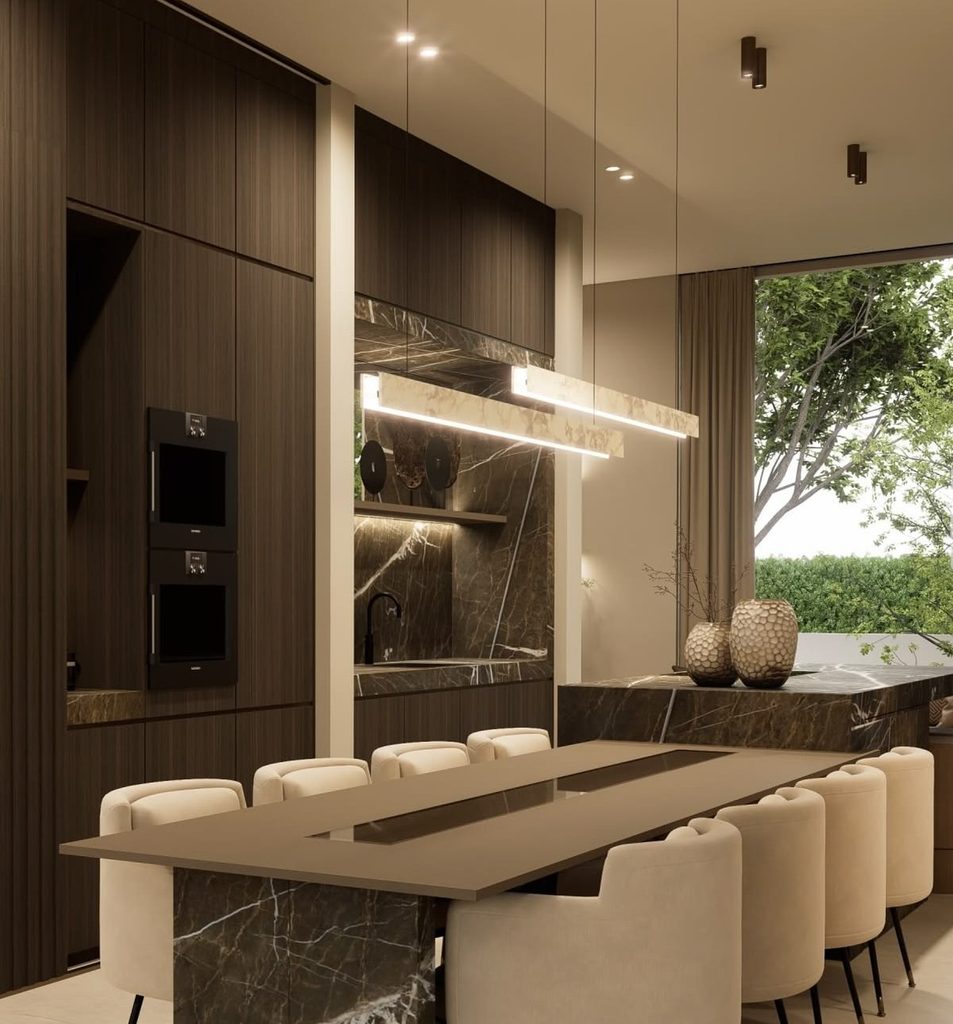
Under-cabinet lighting can illuminate work surfaces, while recessed fixtures provide general illumination and pendants can define an island or breakfast counter.
The designer should consider shadows created by cabinets, shelves, and the people working at the counter.
A well-positioned task light often improves usability more than simply adding another ceiling fixture, such as stretch ceiling.
Dining areas need a different approach. A pendant or chandelier can create a visual center above the table, while dimmable ambient lighting keeps the room comfortable during meals and gatherings.
Bedrooms, Bathrooms, and Hallways
Bedrooms benefit from flexible lighting that supports getting dressed, reading, relaxing, and moving around safely at night.
Bedside lights, indirect lighting, and separately controlled ceiling fixtures can help create that flexibility.
Bathrooms need suitable general illumination and additional light around mirrors.
The designer should pay particular attention to shadows on the face, reflections, moisture exposure, and the electrical requirements of fixtures installed near water.
Hallways and staircases need a clear visual route without excessive brightness. The designer can use discreet ceiling lights, wall lighting, or low-level illumination, depending on the architecture and circulation pattern.
The IES Lighting Library includes recommended practices covering residential environments and other lighting applications.
These resources provide a technical foundation for designing lighting around visual tasks, comfort, and appropriate illumination.
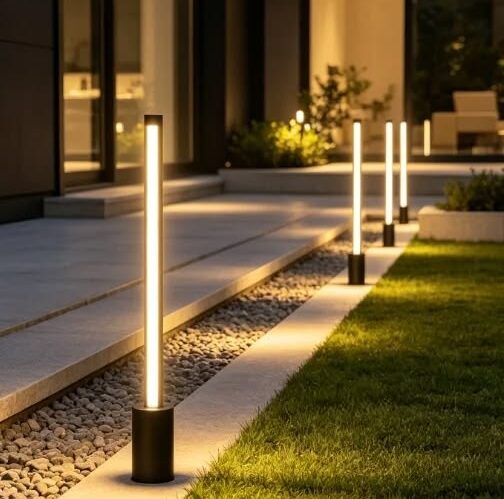
LED VILLA LIGHTING AND VILLA LAMP SELECTION
LED lighting gives villa designers considerable flexibility.
Fixtures come in many shapes, sizes, beam distributions, color temperatures, and control options, making LEDs suitable for recessed lighting, linear profiles, accent lights, decorative fixtures, and outdoor applications.
However, not every LED product provides the same performance.
The U.S. Department of Energy’s LED guidance explains that efficiency, color quality, light distribution, and fixture design all influence the performance of an LED lighting system.
For homeowners, this means choosing a fixture by wattage alone is rarely enough.
Color Temperature and Color Rendering
Correlated color temperature, or CCT, describes the apparent warmth or coolness of white light.
Lower values generally appear warmer, while higher values appear cooler.
Warm white can work well in bedrooms, living rooms, hospitality-style interiors, and other spaces where homeowners want a relaxed atmosphere.
Neutral white may suit particular kitchens, work areas, bathrooms, or contemporary interiors.
There is no single-color temperature that works best throughout every villa.
The designer should consider the material palette, daylight, intended atmosphere, and consistency between adjacent spaces.
Color rendering also matters. The color rendering index (CRI) provides one way to assess how accurately a light source reveals colors compared with a reference source.
A higher CRI can be useful where natural-looking finishes, fabrics, artwork, and skin tones matter.
Beam Angles, Brightness, and Glare
Two LED fixtures with similar wattages may distribute their light very differently. One may produce a narrow beam suitable for highlighting an artwork, while another may spread light more widely across a wall or floor.
The designer should consider the required light output, beam angle, fixture optics, mounting height, and distance from the illuminated surface. Photometric information helps predict how the selected fixture will perform.
Glare deserves equal attention. A bright LED source can feel uncomfortable when it sits directly in someone’s line of sight, particularly in recessed fixtures, reflective interiors, and exterior installations.
A carefully selected fixture can direct useful light onto the intended surface while keeping the source less intrusive.
LED Performance and Long-Term Value
LEDs offer strong energy-efficiency potential, and compatible dimming and control systems can reduce unnecessary operating time.
However, actual savings depend on the product, operating schedule, control strategy, and lighting design.
Before selecting a villa lamp, check the manufacturer’s datasheet for luminous output, efficacy, color characteristics, dimming compatibility, dimensions, warranty, and expected service life.
A well-designed installation should balance energy use, comfort, maintainability, and appearance rather than focusing on the purchase price alone.
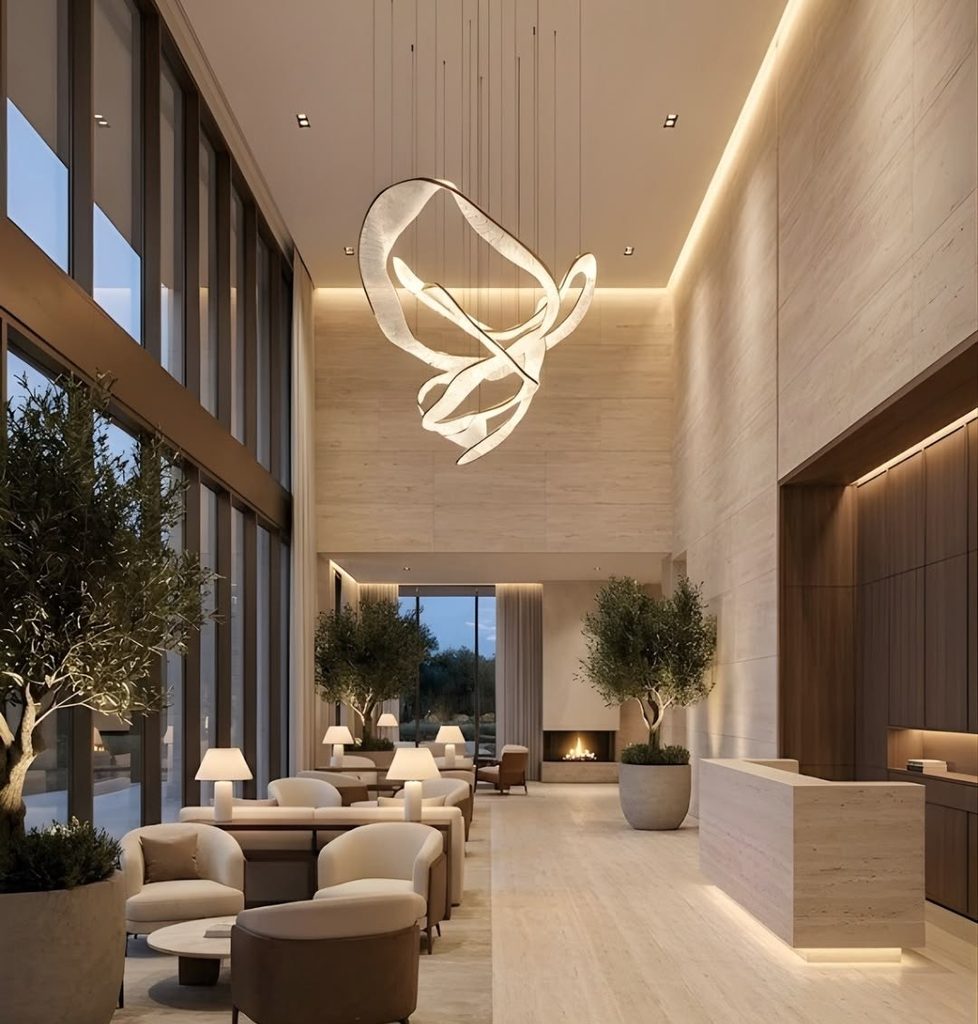
LUXURY VILLA CHANDELIER DESIGN
A chandelier can become one of the most memorable features of a luxury villa.
It may draw attention to a double-height entrance, establish a focal point in a dining room, or complement the architecture of a grand staircase.
The key is proportion. A fixture that looks impressive in a product photograph may overwhelm a smaller room, while a chandelier that appears elegant in a showroom can disappear in a large entrance hall.
Designers should evaluate room dimensions, ceiling height, viewing angles, furniture positions, and the relationship between the chandelier and surrounding architectural details.
Custom Chandeliers for Luxury Villas
Custom chandelier design gives architects and homeowners more freedom to adapt the fixture to the project.
They can consider dimensions, shapes, materials, finishes, suspension systems, and lighting effects rather than relying entirely on standard collections.
A custom chandelier may also require additional technical coordination. The team should confirm the fixture’s weight, mounting details, electrical supply, driver requirements, dimming compatibility, and access for future maintenance.
For a double-height entrance, a 3D visualization can help the homeowner understand how the chandelier relates to the stairs, upper-level galleries, ceiling details, and front door.
A well-planned chandelier should complement the entire interior rather than compete with every other feature in the room.
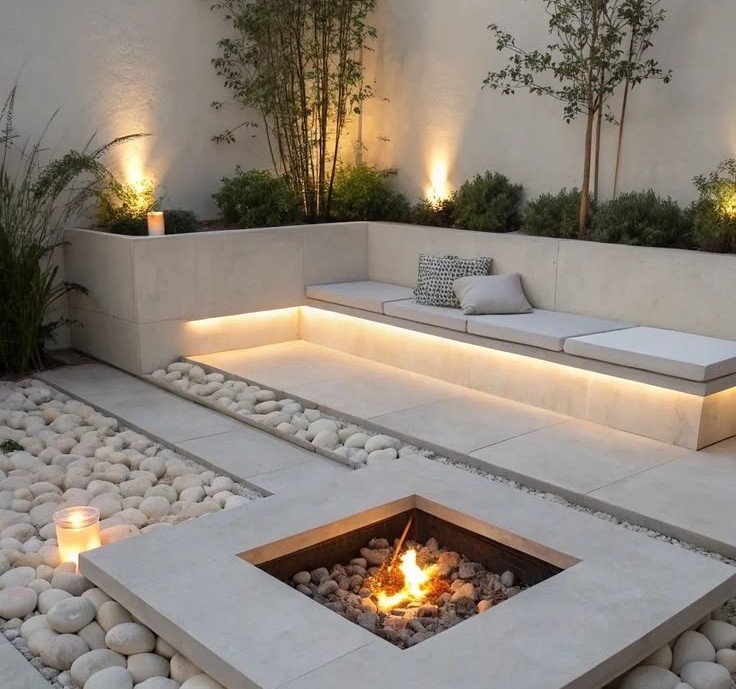
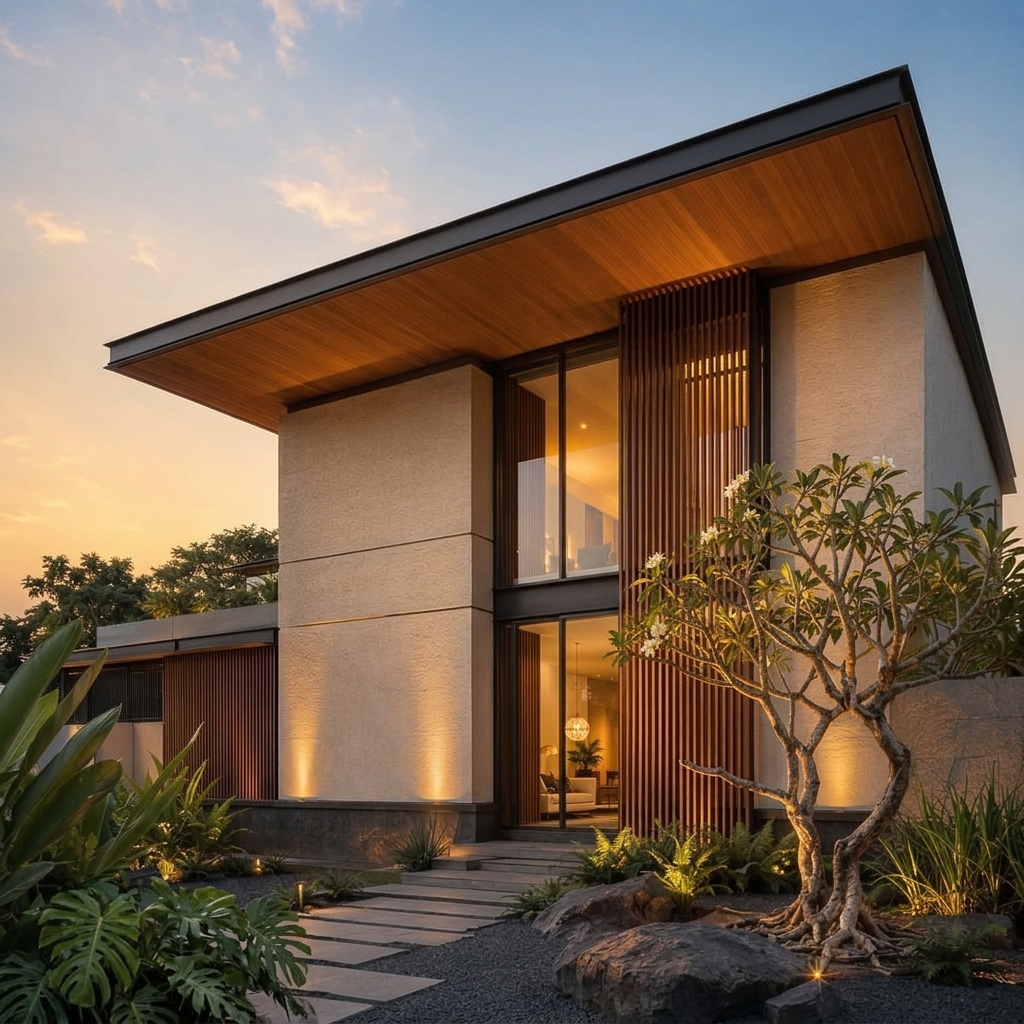
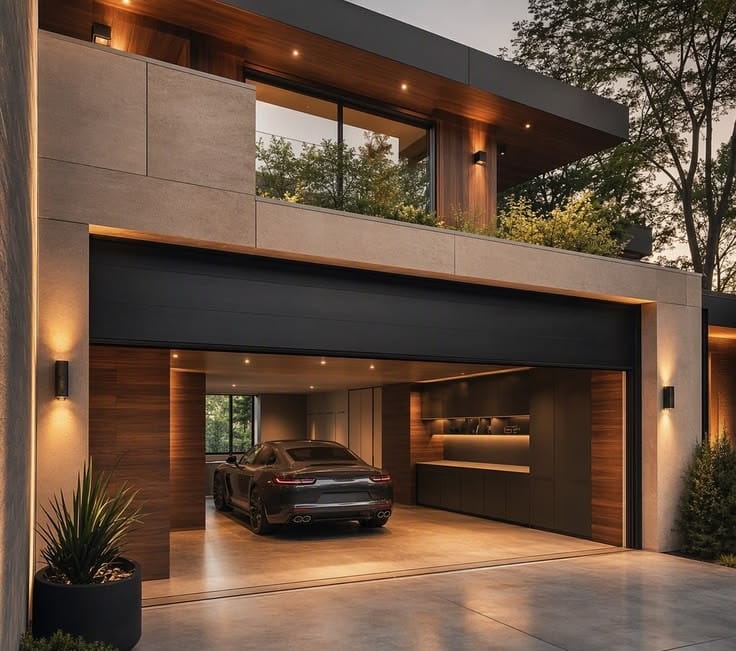
LUXURY VILLA EXTERIOR LIGHTING AND VILLA FACADE LIGHTING
Exterior lighting changes the way people experience a villa after dark.
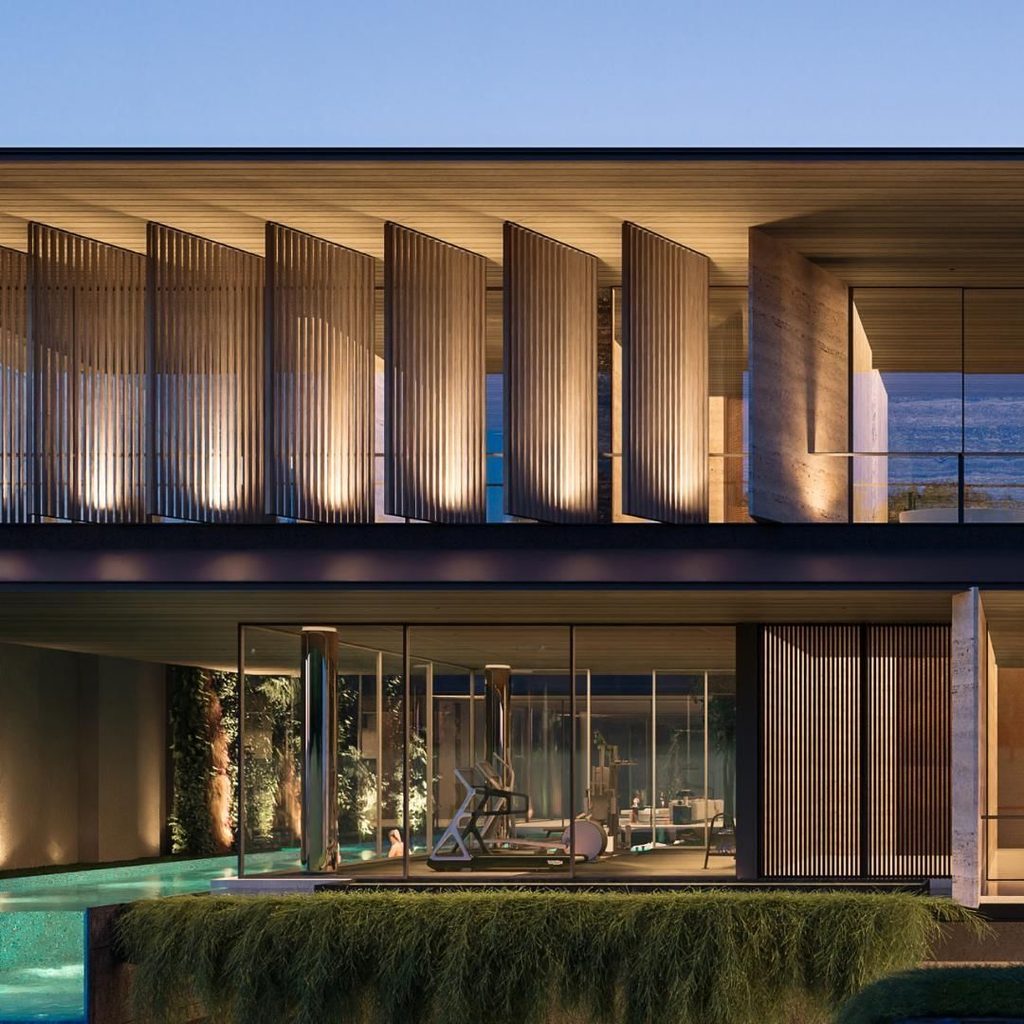
Instead of illuminating every wall equally, a designer can use controlled lighting to reveal the entrance, highlight architectural features, and establish a visual relationship between the building and its surroundings.
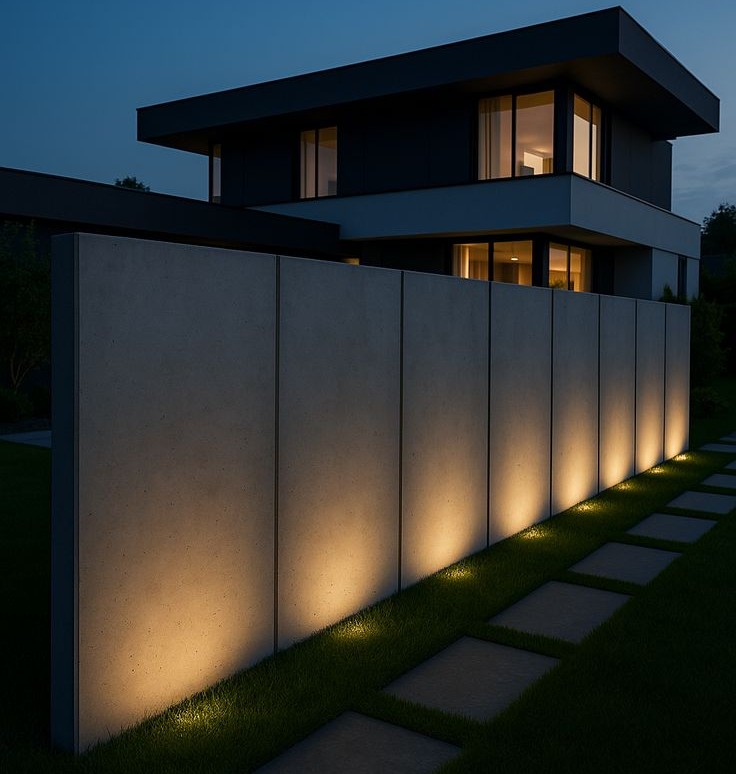
Common techniques include wallwashing, grazing, and focused accent lighting. Each produces a different effect.
Wallwashing creates a relatively even distribution of light across the surface.
Grazing places light at a shallow angle to emphasize texture, relief, and shadows. Focused accent lighting directs attention toward selected architectural elements.
The ERCO guide to facade lighting explains how light distribution, fixture placement, and surface characteristics affect the appearance of illuminated buildings.
Highlight Architecture Instead of Outlining Everything
A strong facade lighting design starts by identifying which features deserve attention. These may include columns, arches, textured stone, recessed entrances, cornices, or distinctive geometric forms.
Lighting every edge with a continuous strip is not always the best solution. It can make the building look outlined rather than reveal its material quality and three-dimensional character.
A more considered scheme creates a hierarchy. Some features receive stronger illumination, while others remain quieter. This contrast allows the eye to recognize the architectural composition.
A useful local reference is Villa VOF, a Dubai residential facade-lighting project.
Its design uses warm accent lighting and carefully controlled illumination to emphasize the entrance and selected details without exposing every surface equally.
The project illustrates an important principle: darkness can be part of the composition. A facade does not need to glow uniformly to feel impressive.
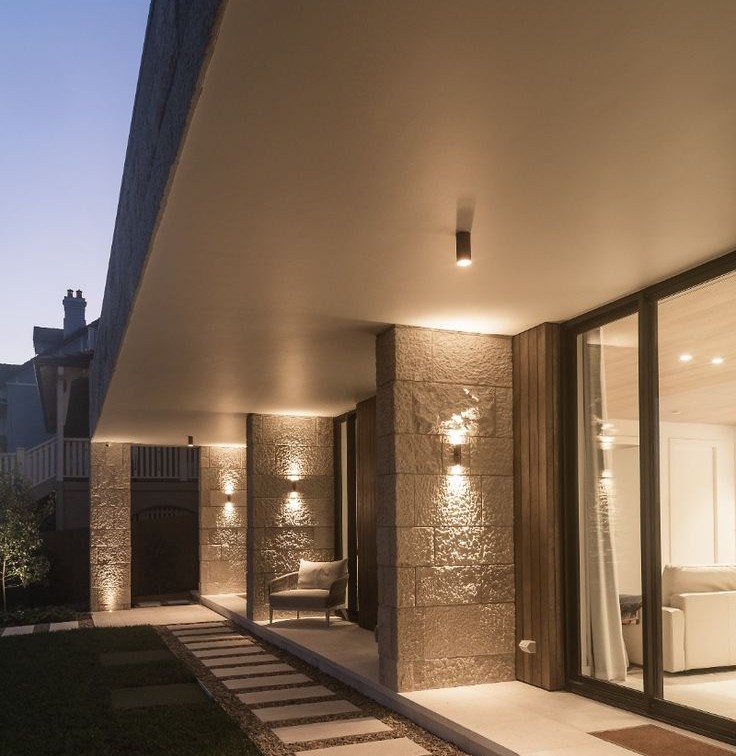
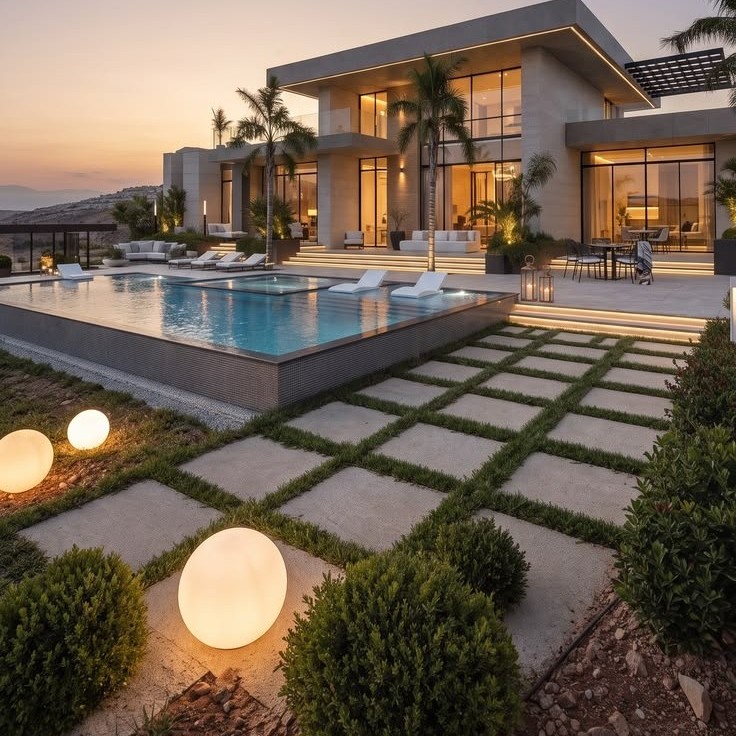
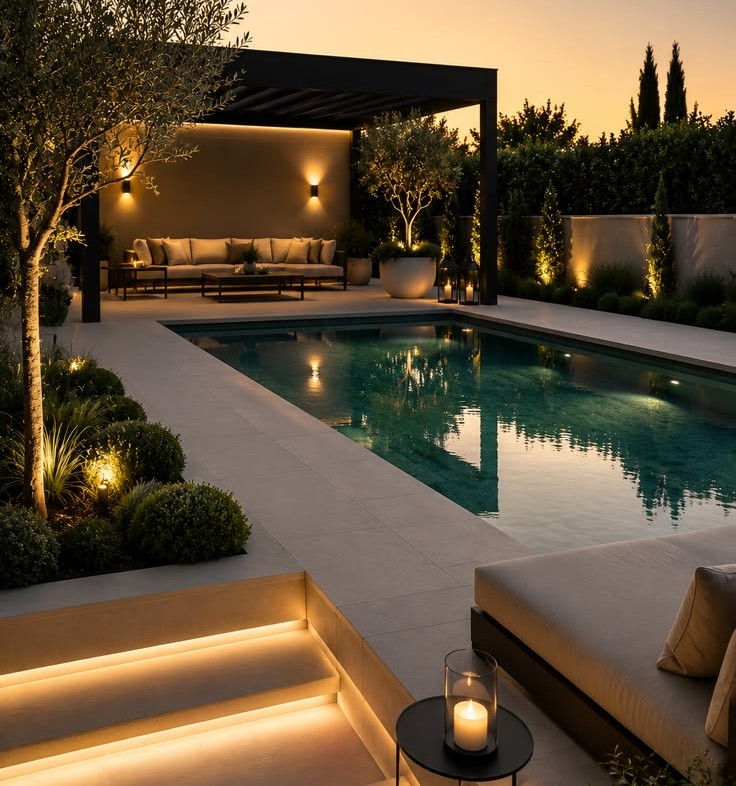
LUXURY VILLA OUTDOOR LIGHTING (ENTRANCES, PATHS, GARDENS, AND POOLS)
Outdoor lighting design needs to support movement and use while creating a comfortable atmosphere.
The best approach usually begins with the different areas of the property rather than a list of products.
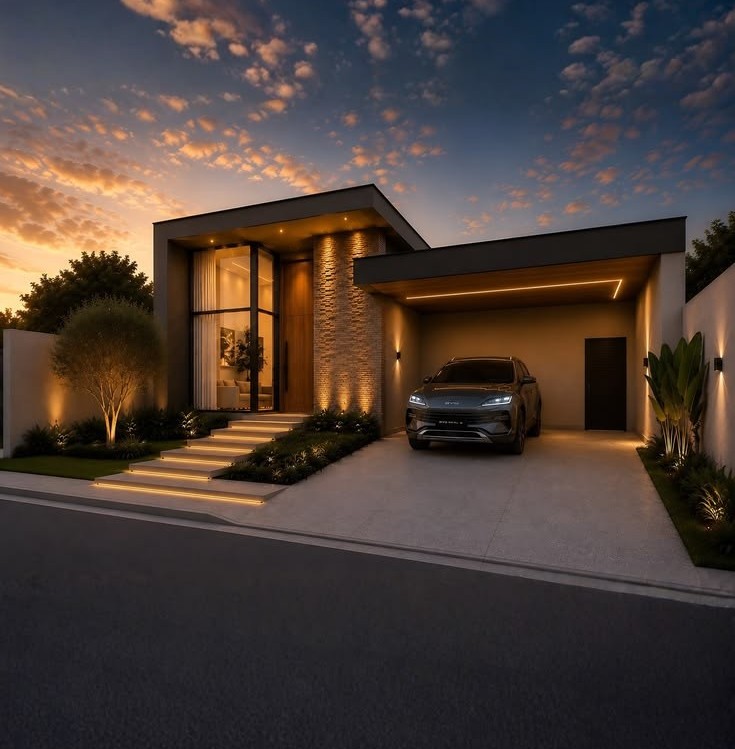
The entrance, driveway, pathways, garden, terrace, pool area, and outdoor seating each need a specific lighting strategy.
UAE-focused product guidance, including Jaquar’s outdoor lighting guide, also emphasizes choosing fixtures according to the application.
Entrance and Gate Lighting
Entrance should provide enough visibility for residents and visitors to identify the approach, steps, gate, and door.
Wall-mounted fixtures, directional lighting, and suitable gate lights can help establish a welcoming arrival.
Avoid placing bright sources where they shine directly into the eyes of people approaching the property. Good placement matters as much as output.
Pathway, Driveway, and Step Lighting
Pathway lights help people recognize the route between entrances, parking spaces, gardens, and outdoor seating areas.
Bollards, low-level fixtures, and recessed lights can all work, depending on the design. The goal is to create a legible route rather than illuminate the ground as brightly as possible.
Consistency matters. Poor spacing can create alternating bright patches and dark gaps, while excessive fixture density can make the landscape look cluttered.
Steps and changes in level deserve particular attention because the lighting should help people recognize where the walking surface changes.
Garden and Landscape Lighting
Landscape lighting adds depth by bringing selected trees, planting, textured walls, and outdoor features into view.
A few carefully positioned fixtures can create a stronger composition than dozens of lights spread evenly across the garden.
For trees, designers can use upward-directed fixtures or other suitable arrangements to highlight the trunk, canopy, or overall form.
For planting beds, discreet accent lights can create depth without overwhelming nearby seating areas.
The garden and facade should also work as one composition. If the exterior walls glow brightly but the garden disappears into darkness, the two areas may feel disconnected.
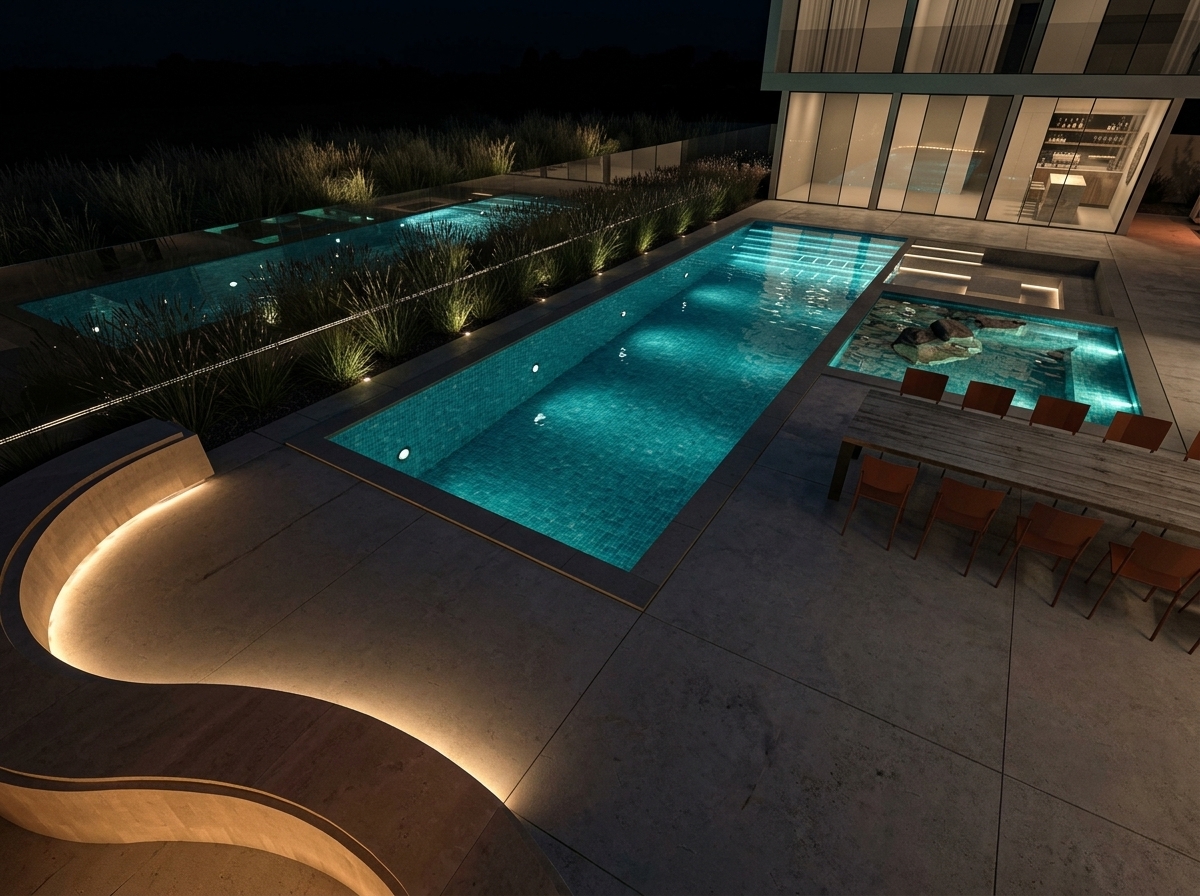
Pool and Water Feature Lighting
Poolside lighting involves design and electrical-safety considerations.
Fixture selection must match the installation location, wet conditions, electrical requirements, and the manufacturer’s instructions.
Water features may use dedicated underwater fixtures, while surrounding paths and seating areas require separate lighting strategies.
Qualified professionals should coordinate the equipment, wiring, protection, and installation details.
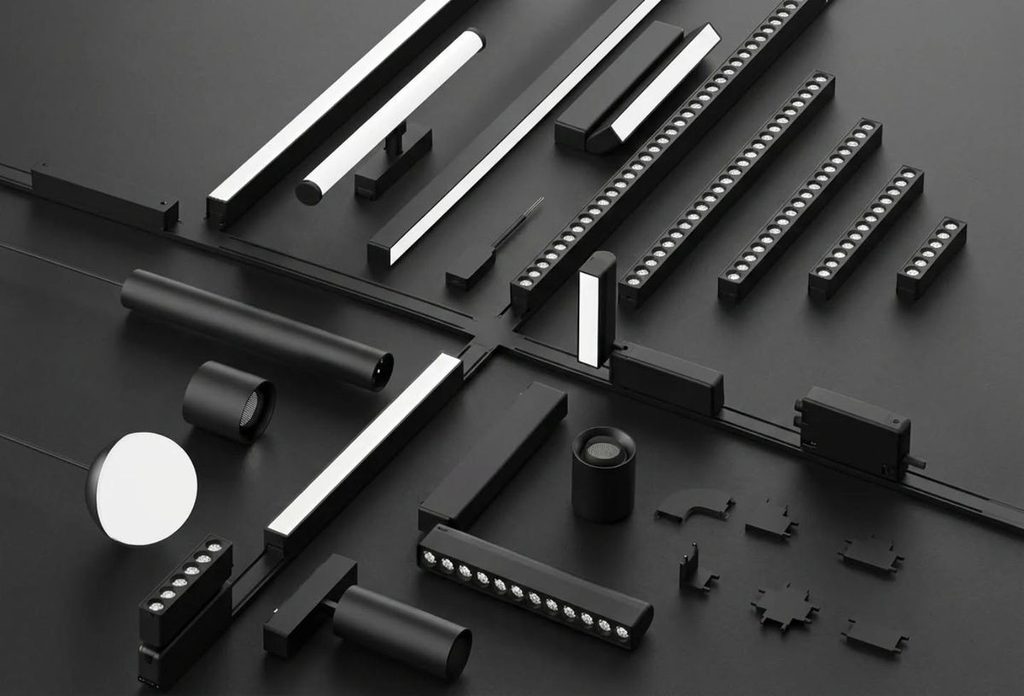
VILLA LIGHTING CATALOG: WHAT TO CHECK BEFORE BUYING?
A lighting catalog can help homeowners and designers compare products such as track lights, but appearance alone does not tell the complete story.
The technical information matters just as much as the product photograph.
Before choosing a fixture, review the details that affect its performance and suitability for the intended location.
These include:
- Light output and efficacy: Confirm how much light the fixture produces and how efficiently it uses electricity.
- Color characteristics: Check CCT and color-rendering information against the intended application.
- Beam distribution: Review the beam angle and photometric data to understand where the light will fall.
- Dimensions and installation: Confirm cutout sizes, mounting depth, suspension requirements, and access for maintenance.
- Dimming and controls: Verify compatibility with the proposed control system and drivers.
- Environmental protection: Check IP ratings and other relevant specifications for outdoor, wet, dusty, or exposed locations.
- Warranty and servicing: Understand the warranty terms and whether replacement drivers, modules, or components are available.
For more technical projects, ask suppliers for suitable photometric files, such as IES or LDT data, where available.
Designers can use these files to evaluate fixture performance within lighting-calculation software.
The DIALux luminaire resources provide access to manufacturer data that can support the design and calculation process.
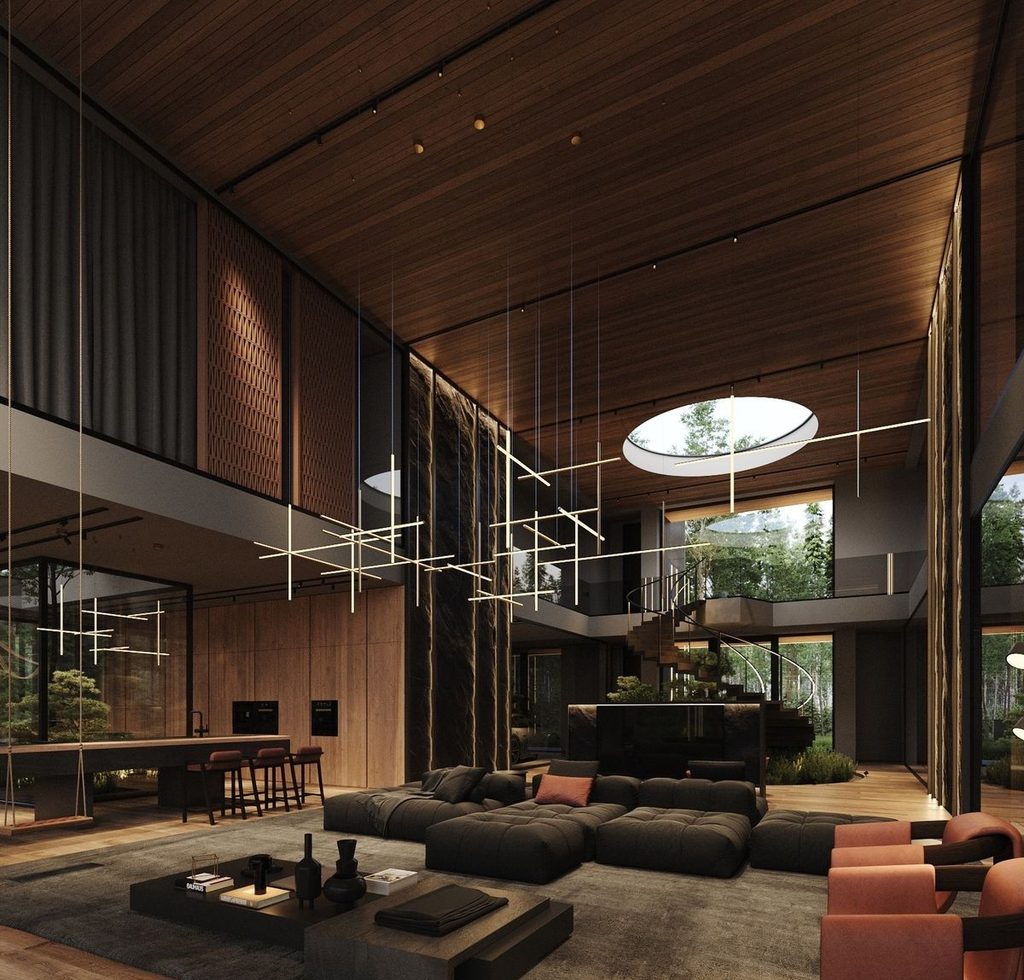
VILLA LUMI LIGHTING AND VILLA VERDE LIGHTING
“villa lumi lighting” and “villa verde lighting” are particular brands, collections, retailers, or product-related searches.
These alone does not establish the technical performance or suitability of a fixture.
Before specifying a product, identify the exact manufacturer and model.
Then review the datasheet, installation instructions, photometric information, warranty, and relevant compliance documentation.
This approach is particularly important when a project includes imported fixtures or products selected through online catalogs.
Two visually similar lights can have different light outputs, drivers, environmental ratings, and maintenance requirements.
For a villa project, the important question is not simply whether a product looks suitable.
It is whether its documented performance matches the design, installation conditions, and intended use.
FLEXIBLE LED STRIP PANGTON VILLA
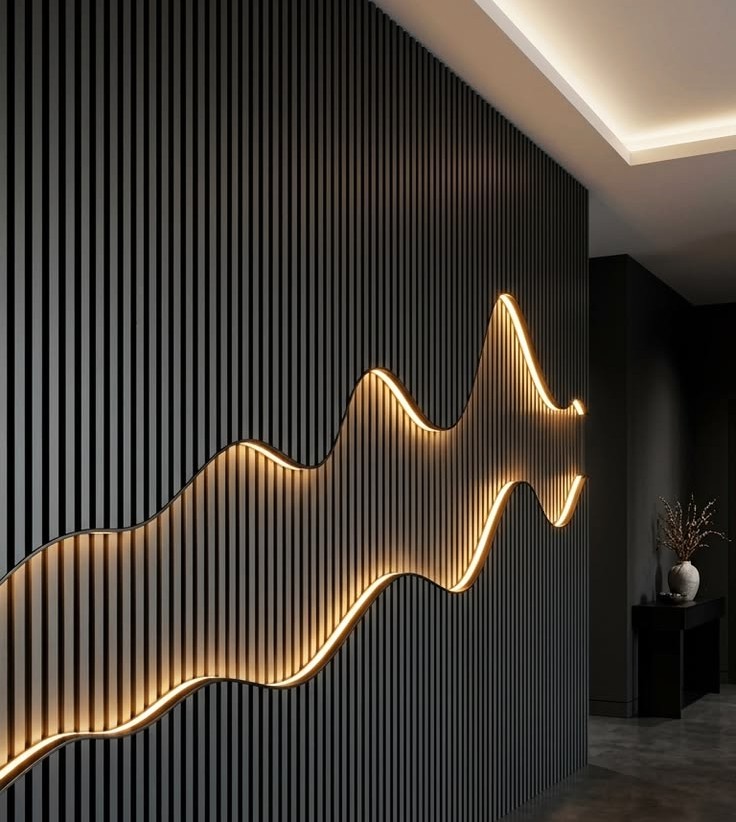
Flexible LED strips can create a subtle glow beneath cabinets, inside ceiling coves, along stair details, and around selected architectural features.
They can also provide decorative accent lighting when designers conceal the light source and allow the illuminated surface to create the effect.
However, a product-specific search such as “flexible LED strip Pangton Villa” should lead to a technical check, not an assumption that the strip suits every architectural application.
Before using a strip, review its voltage, power consumption per meter, light output, color temperature, color rendering, cutting intervals, dimming compatibility, and installation requirements.
Outdoor and damp locations need additional care. The complete assembly must suit the environment, including the strip, connectors, power supply, enclosure, and installation method.
The installation channel also matters. A suitable profile and diffuser can improve the finish and help create a continuous line of light, while the design must account for heat management and future access.
For long runs or complex ceiling details, coordinate the strip length, driver location, wiring, and control arrangement before contractors close the relevant ceiling or wall sections.
SMART CONTROLS, ENERGY USE, AND MAINTENANCE
Lighting controls give villa owners more flexibility without requiring separate fixtures for every activity.
A well-designed system can create scenes for arriving home, dining, entertaining, watching television, or preparing for sleep.
The designer should divide the lighting into sensible groups. For example, a living room may need separate controls for general lighting, decorative fixtures, cove lighting, and selected accent lights.
Smart-home integration can also connect lighting with other systems. However, the control method should match the fixtures, drivers, and project requirements.
Planning this during construction helps avoid incompatible equipment and expensive last-minute changes.
Outdoor lighting benefits from similar control. Timers, appropriate sensors, and scheduled scenes can reduce unnecessary operation while maintaining useful illumination when residents need it.
The Five Principles for Responsible Outdoor Lighting from DarkSky International and the IES recommend lighting that serves a clear purpose, targets the intended area, and uses no more brightness than necessary.
These principles are particularly useful when planning garden, facade, and boundary lighting.
They help designers balance the appearance of the property with energy use, glare, and unwanted light spill.
FINAL THOUGHT
Great villa lighting does not come from filling every ceiling, wall, and garden with fixtures.
It actually comes from knowing what deserves attention, understanding how each space will be used, and choosing the right light for the right purpose.
In Dubai and Abu Dhabi, a successful villa lighting project should consider both the interior experience and the exterior appearance before discussing villa lighting cost.
It should balance decorative features with practical illumination, select products for their documented performance, and coordinate the design with construction before installation begins.
For homeowners, that means looking beyond individual fixtures.
Start with the architecture, the daily routines of the household, and the atmosphere you want to create. Then build a coordinated lighting plan around those needs.

Related Posts
Villa Facade Lighting in Dubai and Abu Dhabi: 3D Design, Outdoor LED Supply, and Installation in 2027
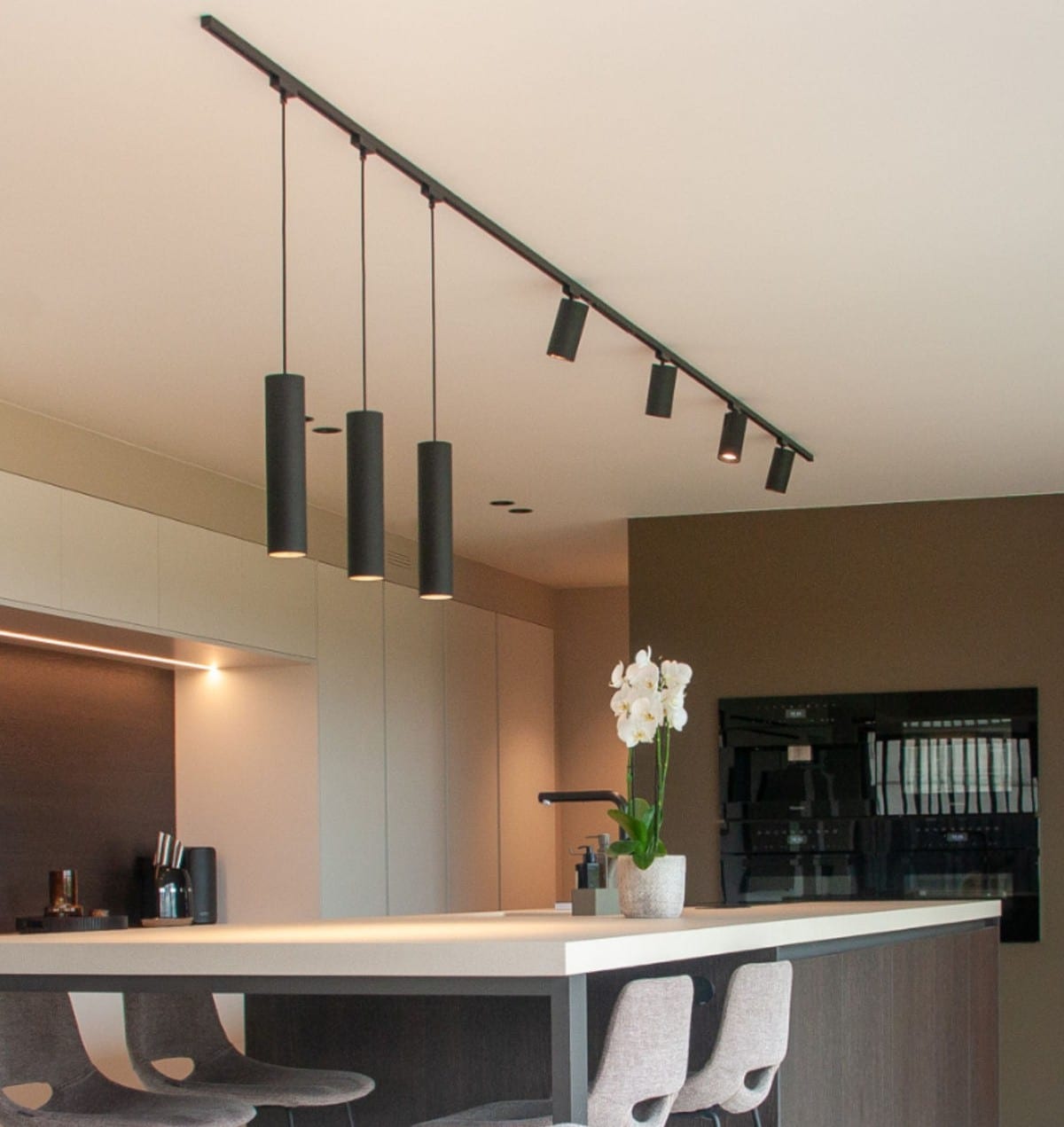
Track Lights in Dubai and Abu Dhabi: LED, Magnetic, and Mini Track Lights in 2027
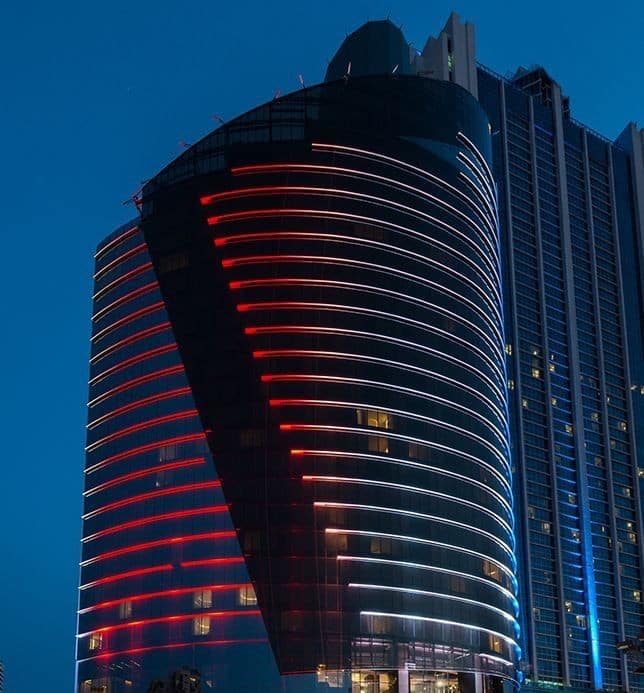
Tower Lighting in Dubai and Abu Dhabi: Design, Supply, and Cost in 2027
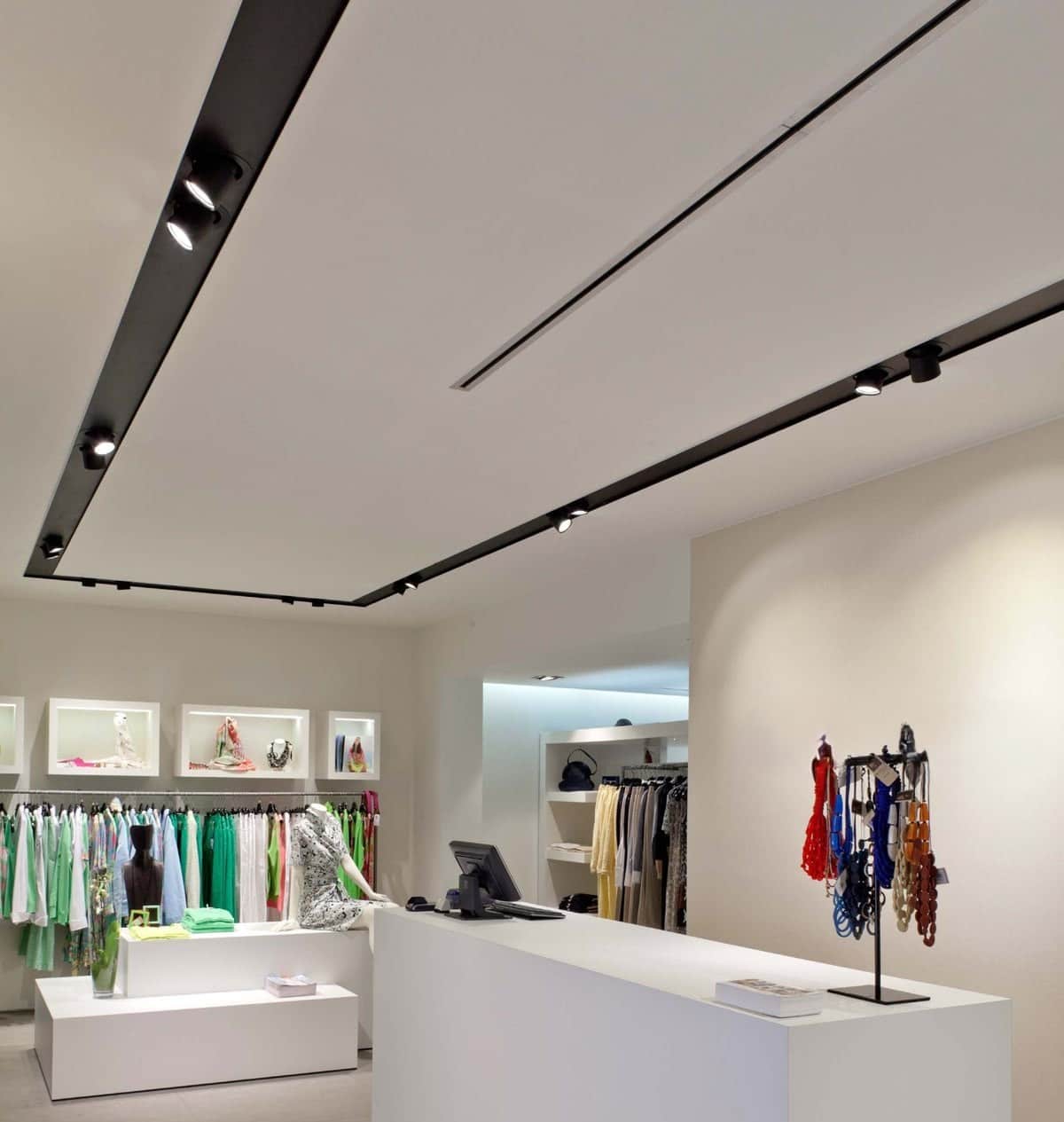
Retail Lighting Design in Dubai and Abu Dhabi: For Shops, Showrooms, and Malls
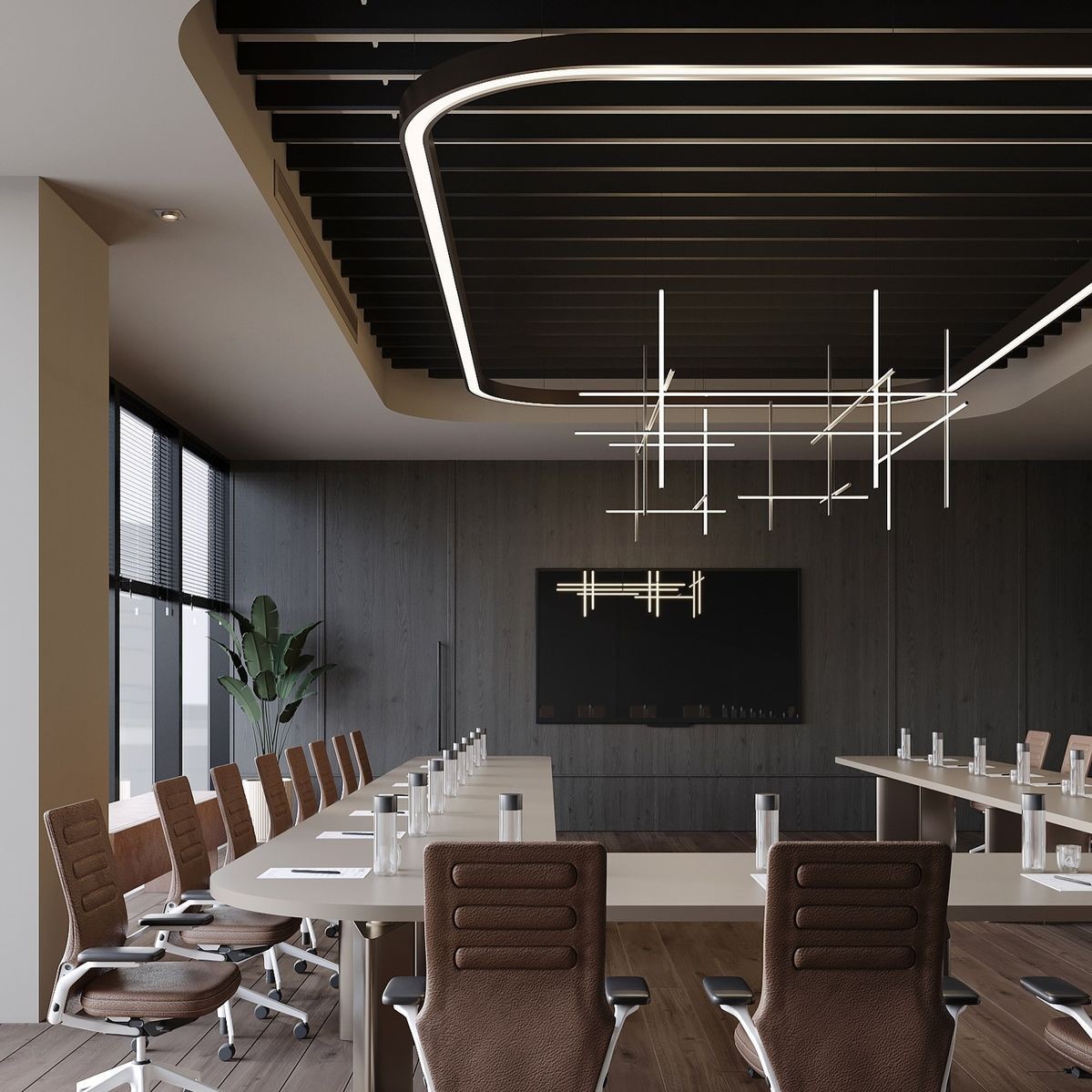
Office Lighting in Dubai and Abu Dhabi: For Modern Corporate Workspaces in 2027
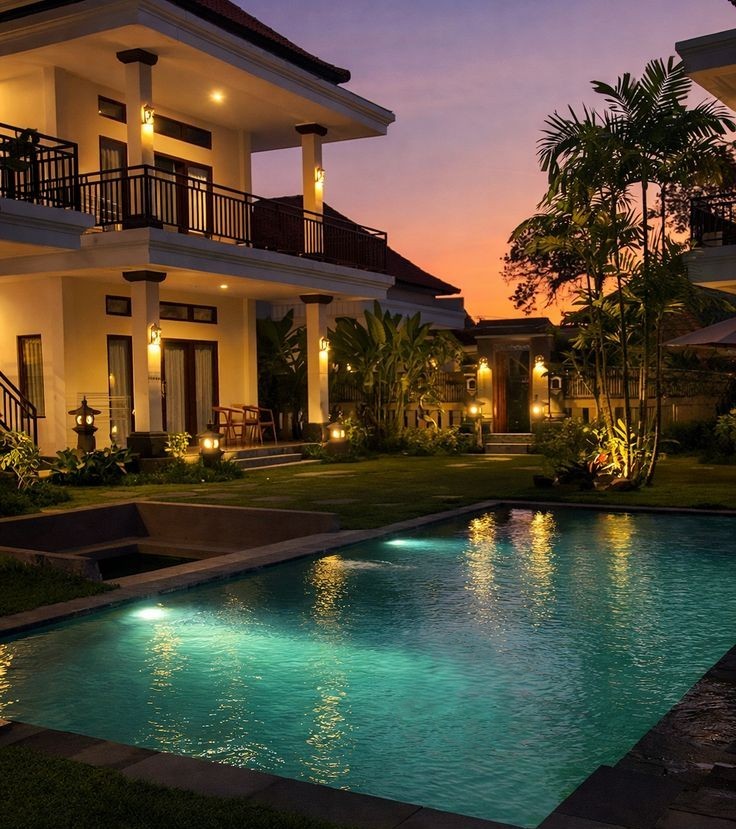
Villa Lighting Projects in Dubai and Abu Dhabi: 3D Design, Supply, and Installation
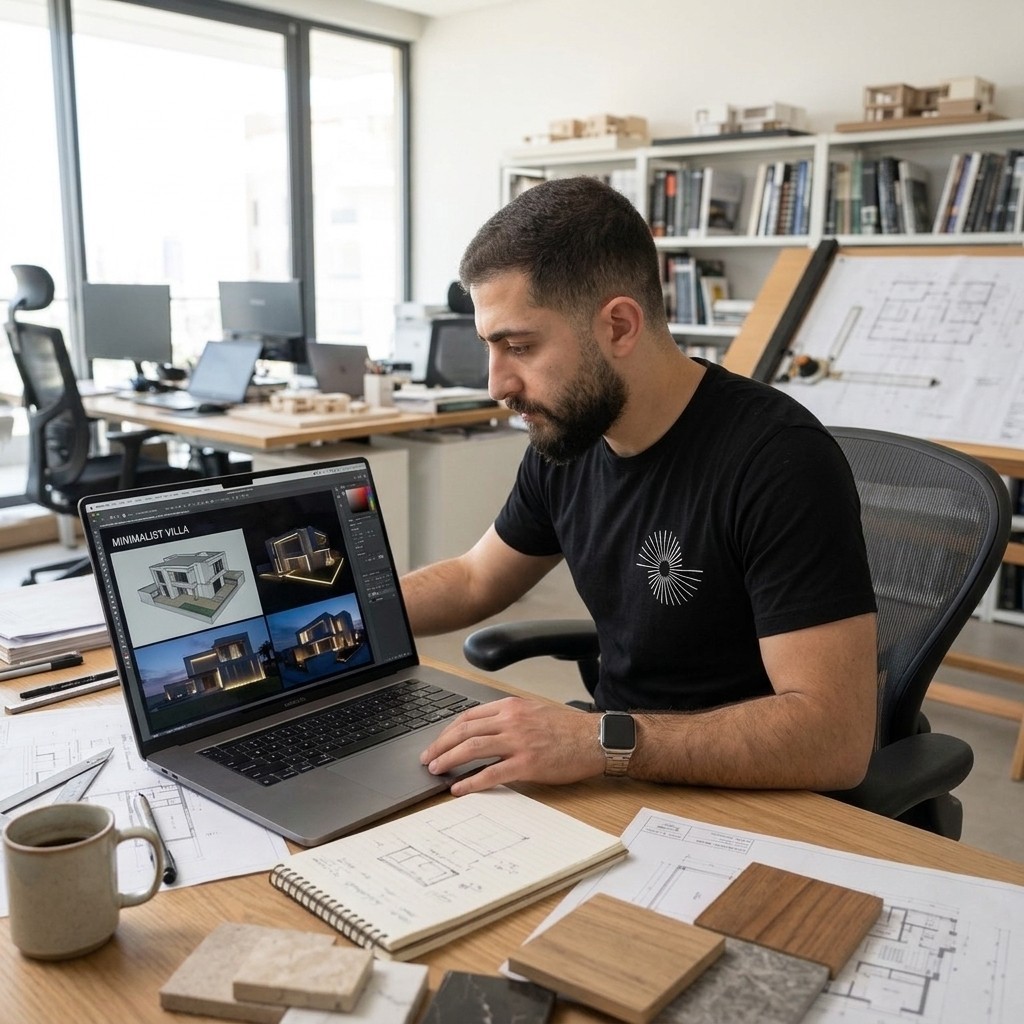
Lighting Designer in Dubai and Abu Dhabi for Villa and Large Projects in 2027
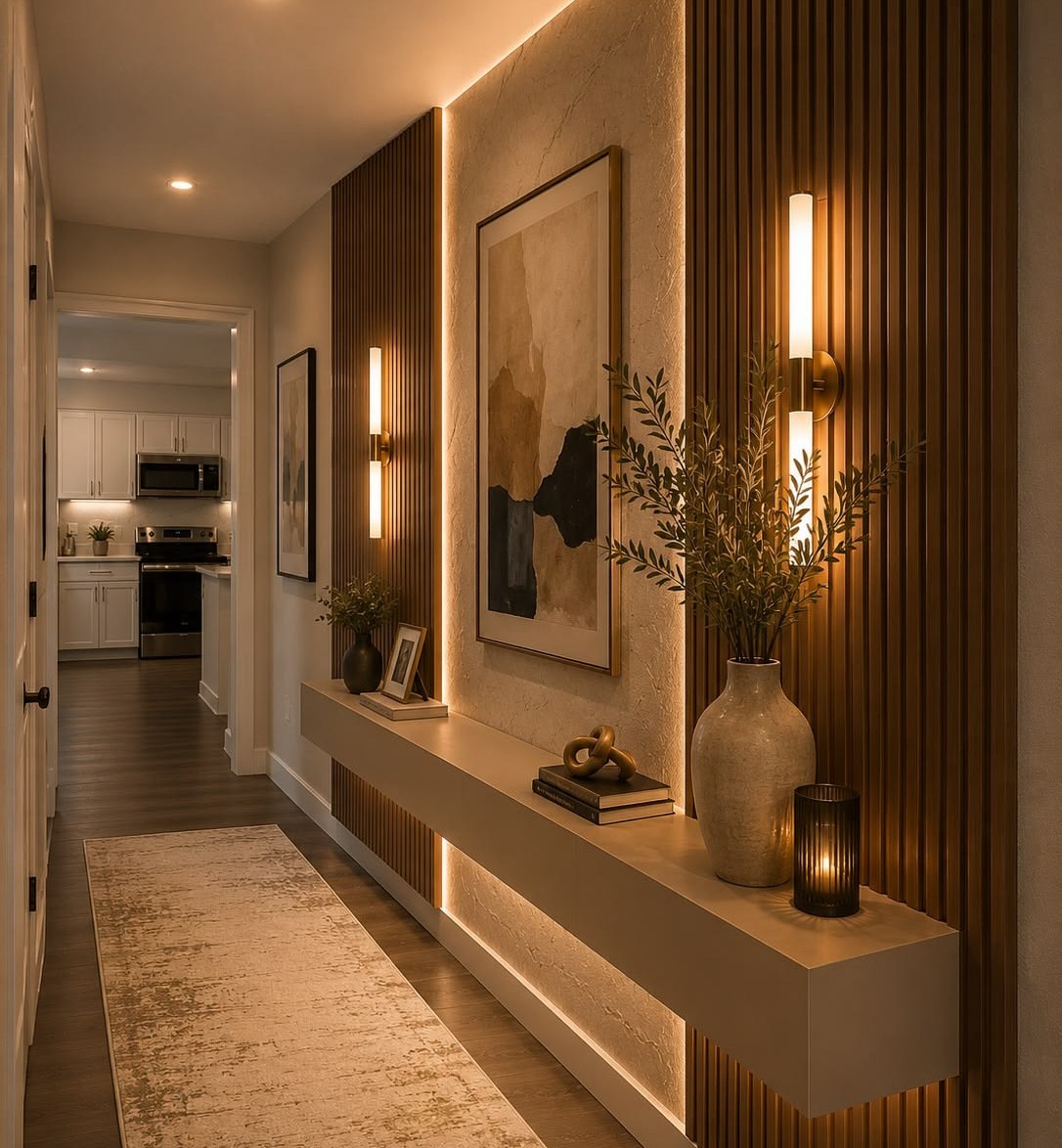
Indoor Lighting Design in Dubai and Abu Dhabi: For Villas and Luxury Spaces in 2027
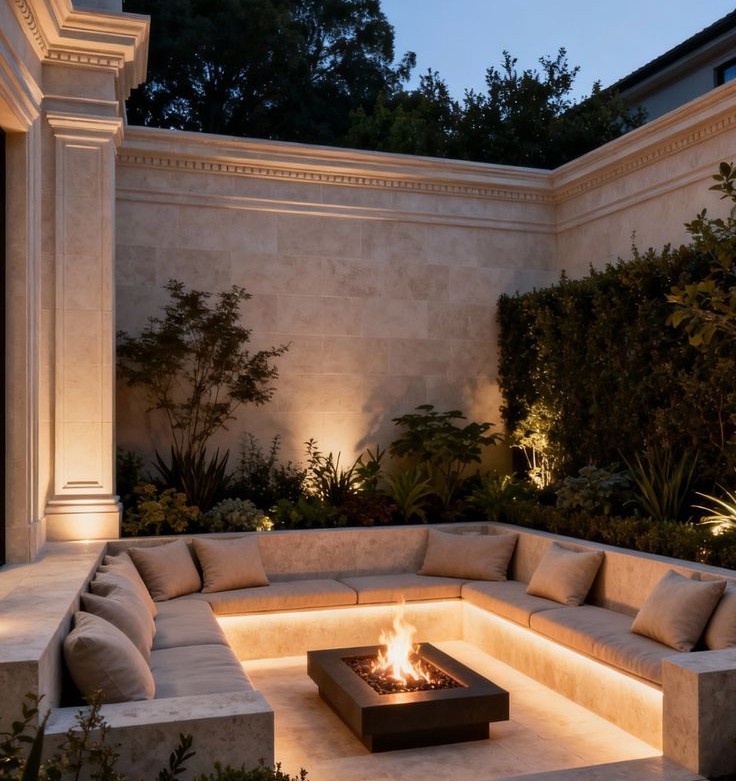
3D Exterior Lighting Design in Dubai and Abu Dhabi for Modern Villas
2D Lighting Plans in Dubai and Abu Dhabi for New Villa Construction
3D Lighting Design in Dubai and Abu Dhabi for Villas, Hotels, and Luxury Spaces
Architectural Lighting Design for Villas, Hotels, and Luxury Properties in UAE
DIALux Lighting Design Service for Dubai and Abu Dhabi Projects
Hospitality Lighting in Dubai and Abu Dhabi for Luxury Hotels and Resorts
Hotel Lighting Design in UAE: for Hospitality Projects in Dubai and Abu Dhabi (2027)
Lighting Consultant In UAE: Services, Benefits, and Costs for Villas and Large Projects
Lighting Design for Large Residential Projects: Villas, Apartments, and Residential Towers in UAE
Lighting Design for Property Developers in Dubai: Residential and Commercial Projects
Outdoor Lighting Design in Dubai and Abu Dhabi for Villas, Pools, and Landscapes
Villa Lighting Design in Dubai and Abu Dhabi: A Complete Guide in 2027


Wall Light Design in UAE for Homes & Villas

Staircase Light Design in UAE for Homes, Villas, & Large Malls


Light Installation in UAE for Homes, Villas, and Shops
