
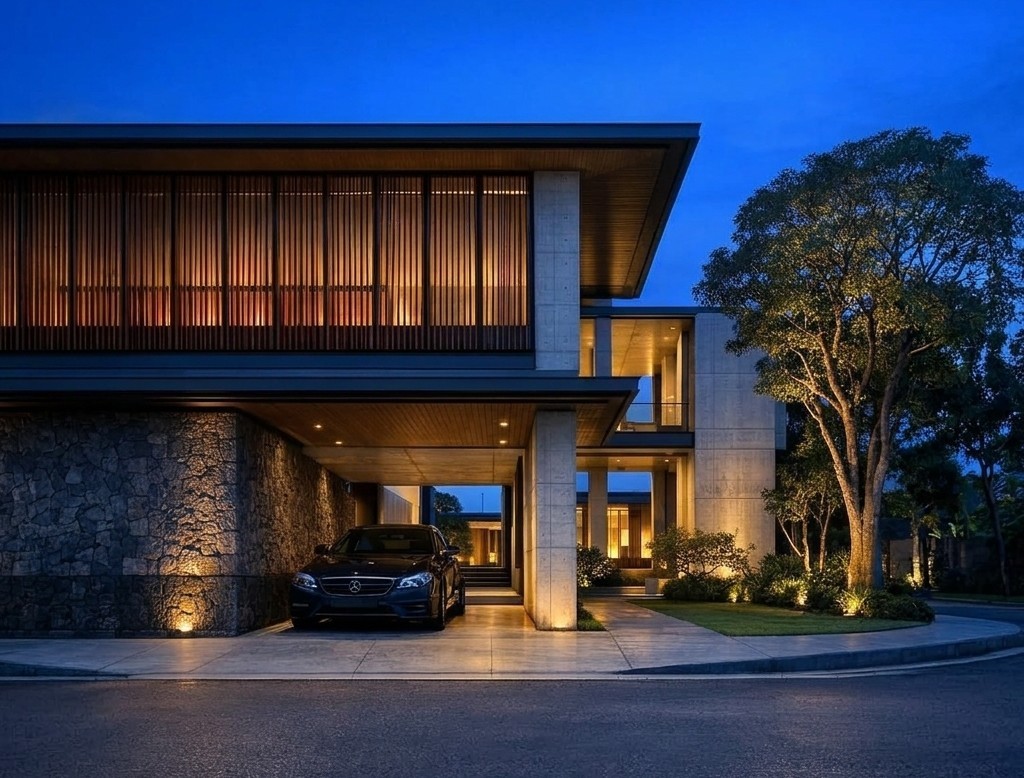
Lighting Design in Dubai and Abu Dhabi: For Homes, Villas, and Residential Spaces
Beautiful homes have one thing in common: you notice something special about their lighting as soon as you step inside. Right?
The rooms feel connected, the materials seem richer, and the light draws your attention to the right details without making everything look excessively bright.
That feeling is often the work result of professional lighting designer.
For homeowners in Dubai and Abu Dhabi, modern lighting design can make a real difference, whether the project involves a contemporary apartment, a luxury villa, a penthouse, or a complete residential renovation.
The process involves much more than choosing fixtures from a catalog.
Indeed, it requires a coordinated 2D or 3D lighting design plan for natural daylight, artificial lighting, fixture placement, color quality, controls, electrical requirements, and expert light installation.
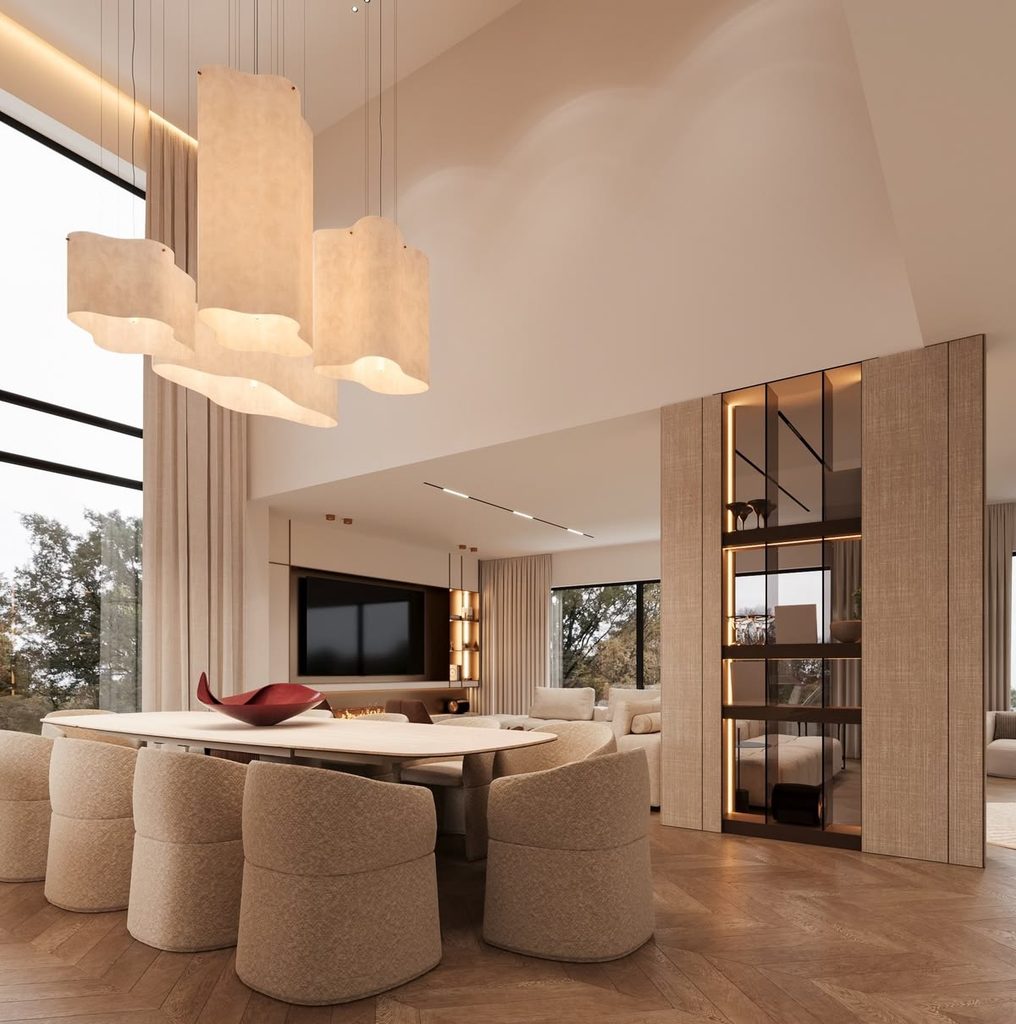
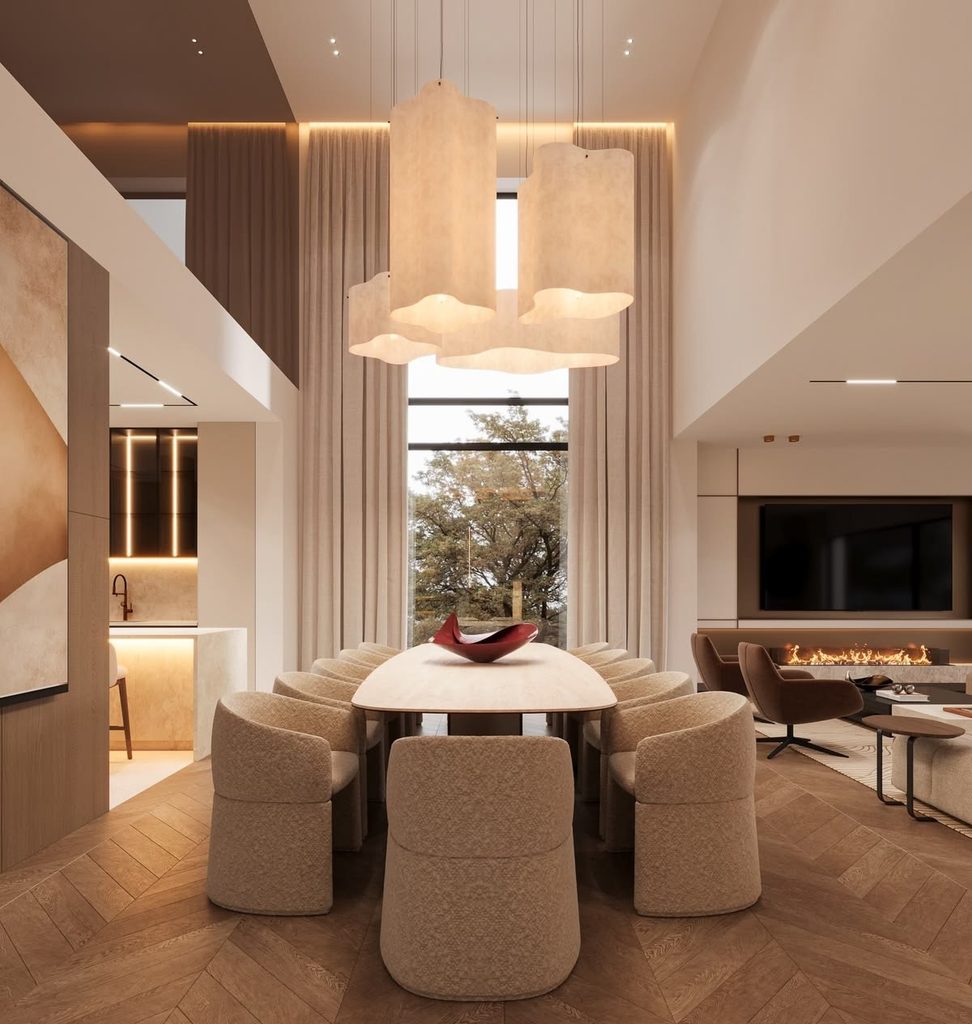
LIGHTING DESIGN DUBAI
Good residential lighting in Dubai starts with the property itself.
Before selecting a chandelier or deciding how many ceiling lights a room needs, the designer should understand the architecture and how the homeowner intends to use each space.
A formal majlis, an open-plan living room, a kitchen, a bedroom, and a private cinema all have different lighting requirements.
The design should respond to those differences while maintaining a consistent atmosphere throughout the property.
The Architecture Before Selecting Fixtures
The first step involves reviewing architectural drawings, ceiling heights, window positions, furniture layouts, and interior finishes.
These details help the designer determine where general illumination is necessary and where light should emphasize a particular object, material, or architectural feature.
For example, a recessed fixture might suit a simple gypsum ceiling, while a room with exposed beams or limited ceiling depth may benefit from surface-mounted or suspended lighting.
Plan Around Daily Activities
The same room may serve several purposes throughout the day.
A living room might host family gatherings, reading, television viewing, and entertaining guests.
A flexible lighting arrangement allows each activity to have its own suitable setting.
Separate switching and dimming can help achieve this without adding more fixtures than the room actually needs.
The Illuminating Engineering Society’s residential lighting recommendations address lighting quantity, quality, equipment, controls, energy use, and the requirements of different residential spaces.
These principles provide a useful technical foundation for a well-planned home lighting design.
Lighting and Construction
Lighting decisions affect electrical points, ceiling details, joinery, and structural supports. Making those decisions early gives the architect, interior designer, and electrical contractor more flexibility.
It also helps prevent costly adjustments after the team completes the ceilings or finishes the walls.
For new villas and major renovations, the lighting layout should form part of the coordinated construction drawings rather than become a finishing decision made at the last minute.
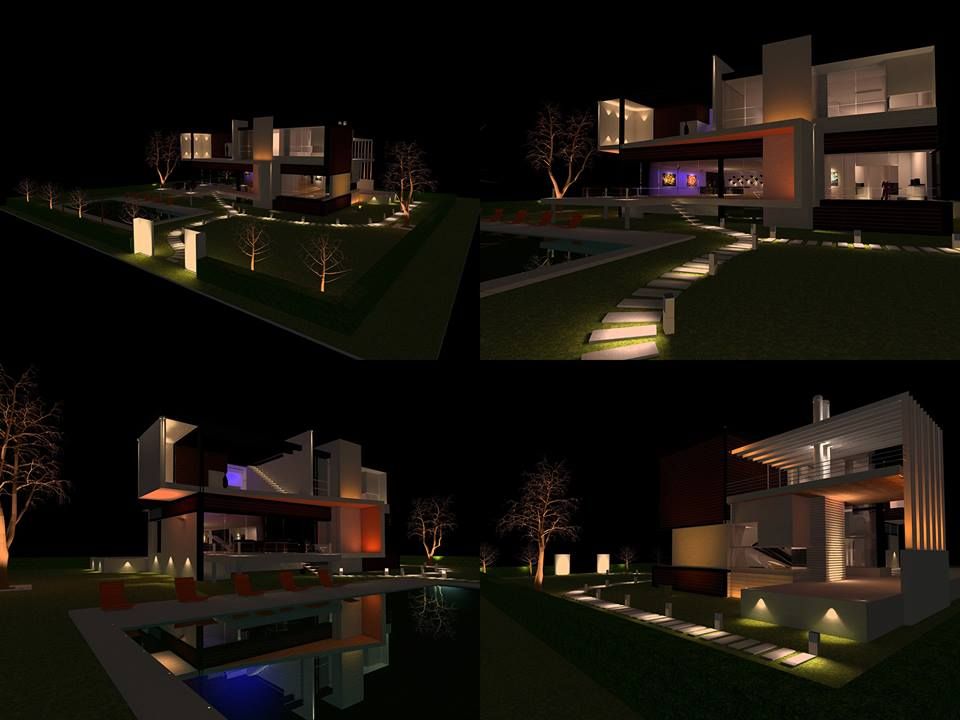
VILLA LIGHTING DESIGN
Every villa has its own unique architectural character, especially in the UAE.
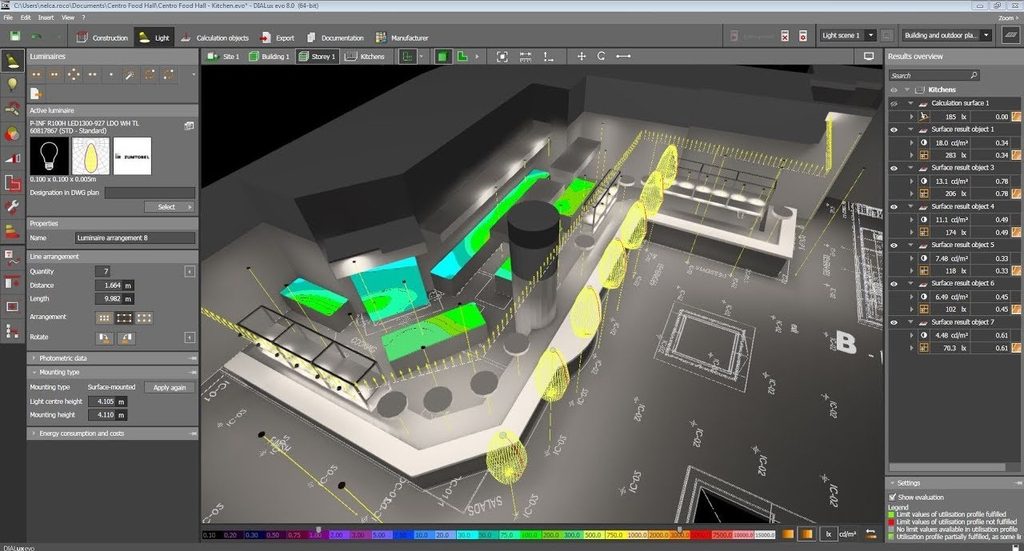
However, to precisely arrange lights according to these architectural features, you need a scientific DIALux lighting design Service.
Some villas feature contemporary lines, large windows, and restrained finishes, while others use classical details, decorative ceilings, marble, and elaborate entrance halls.
Villa lighting design should respond to those differences rather than apply the same fixture arrangement throughout the property.
Living Rooms and Formal Majlis
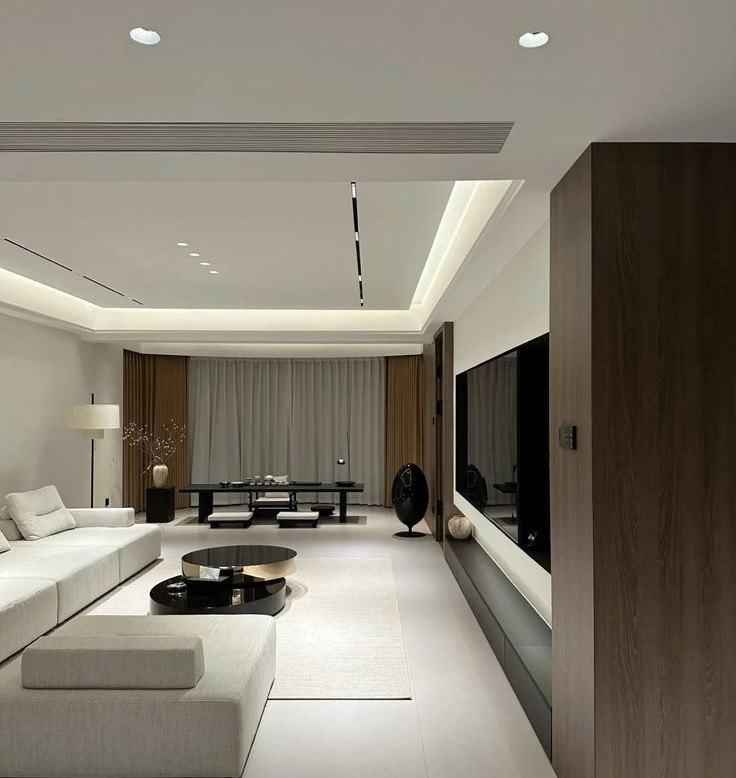
Living rooms benefit from a combination of ambient lighting, accent lighting, indirect illumination, and decorative fixtures.
Downlights and track lights can provide general illumination, while wall lights and concealed lighting help reveal the surrounding surfaces.
A chandelier or pendant can become a focal point without needing to provide all the room’s light.
In formal majlis, the designer may emphasize architectural details, wall finishes, and seating arrangements while allowing the general lighting to remain comfortable.
Bedrooms and Private Spaces
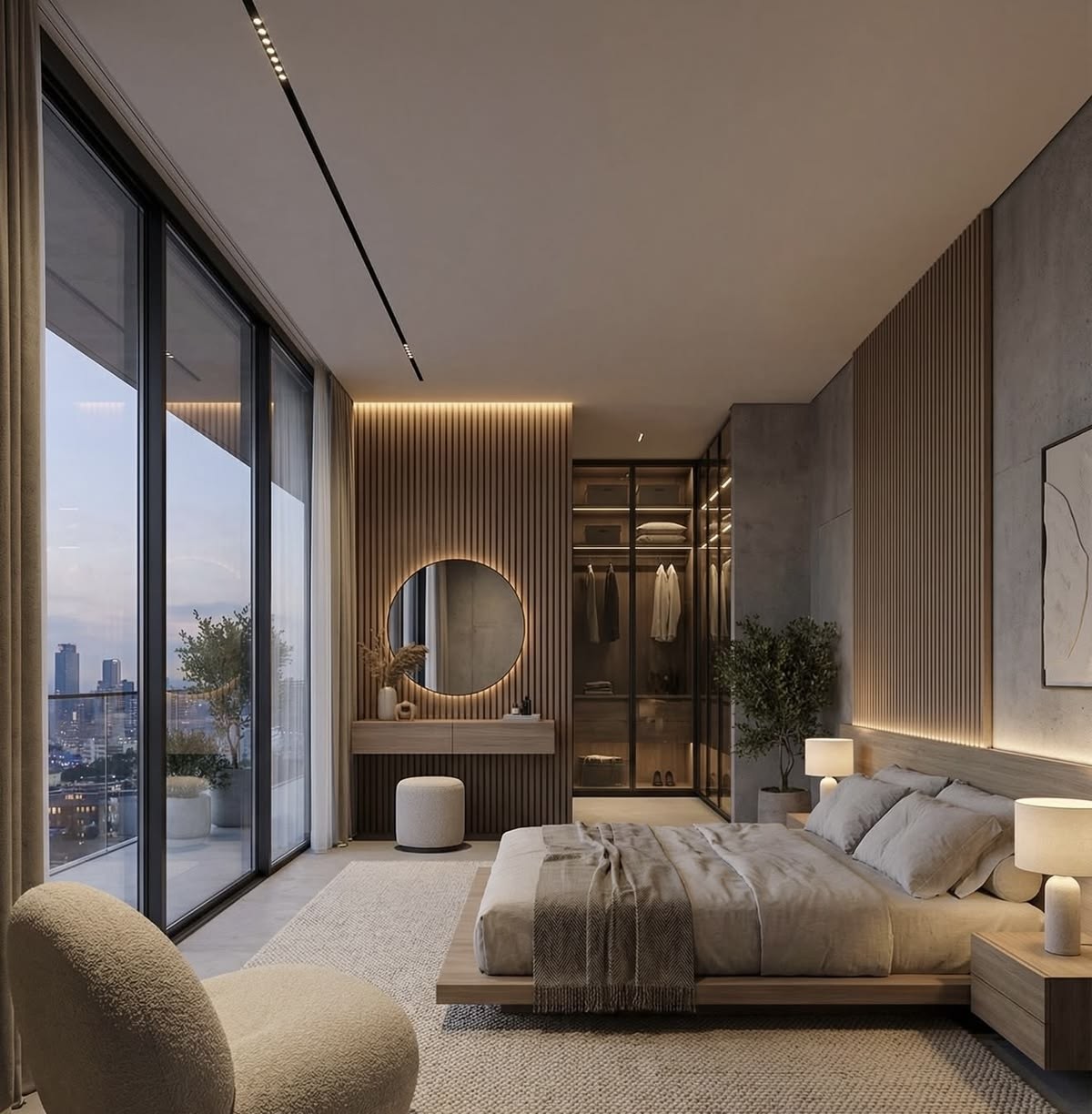
Bedrooms need lighting that supports reading, dressing, and relaxation.
Bedside wall lights, table lamps, and separate ceiling-light controls can make the room more adaptable.
A flexible arrangement also helps avoid the need to switch on every ceiling light during the night.
For dressing areas and wardrobes, the designer should consider how the light reveals clothing colors and whether the fixture creates shadows that make it difficult to see details.
Bathrooms and Circulation Areas
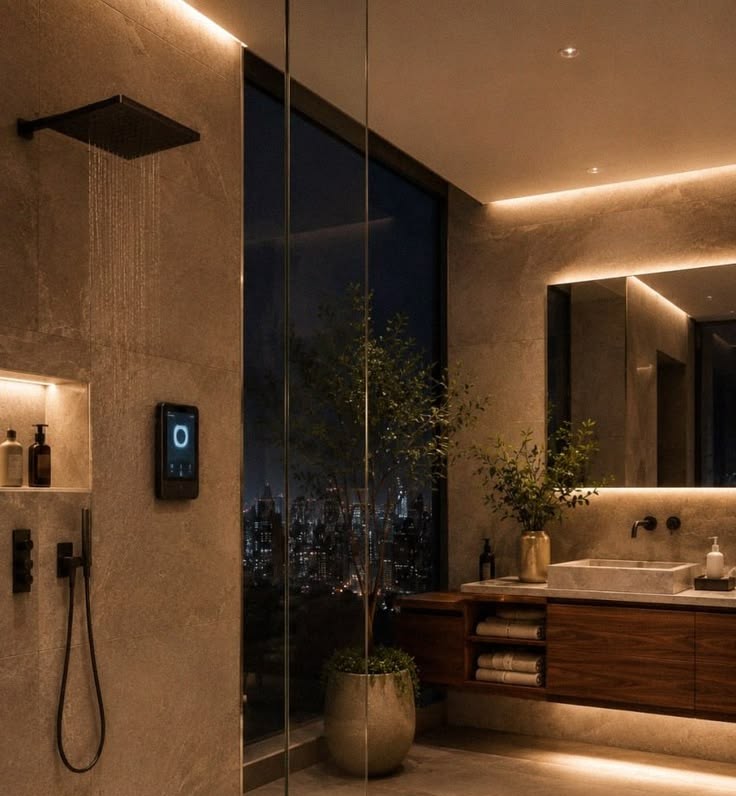
Bathroom lighting requires careful consideration of mirror placement, reflections, moisture exposure, and the suitability of fixtures near water.
Vertical lighting beside a mirror can provide more even illumination across the face than a single fixture directly overhead.
Hallways and staircases need a clear visual route, with lighting positioned to reveal steps, changes in level, and entrances without producing uncomfortable glare.
HOME LIGHTING DESIGN: AMBIENT, TASK, AND ACCENT LIGHTING
A well-lit home rarely depends on one type of fixture.
Instead, the designer combines different indoor lighting design layers to give each room flexibility and visual depth.
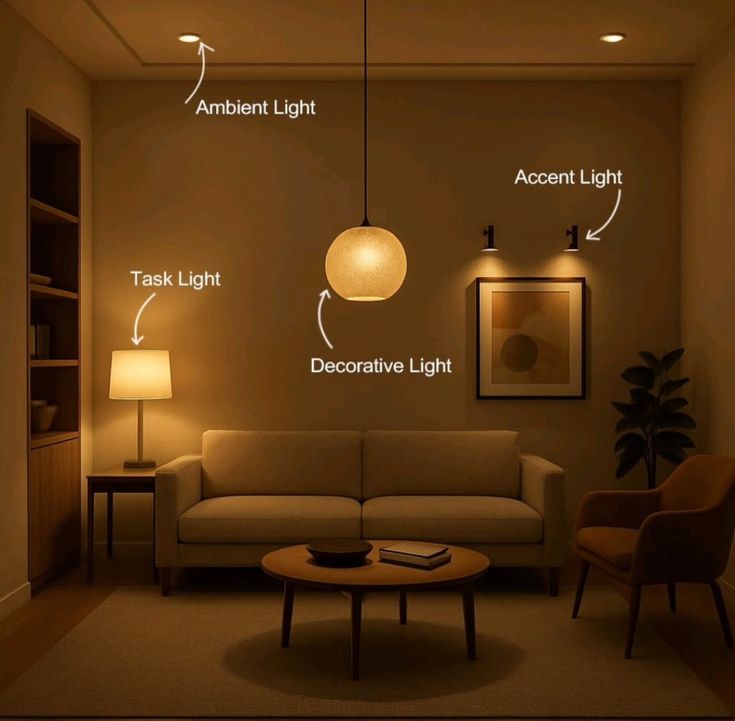
Ambient lighting provides general illumination inside the home.
Task lighting supports activities such as cooking, reading, or working. Accent lighting emphasizes artwork, textured walls, and other features that deserve attention.
Decorative lighting adds another dimension by introducing a visual element that complements the interior design.
Lighting Design Tips for Living Room Ambiance
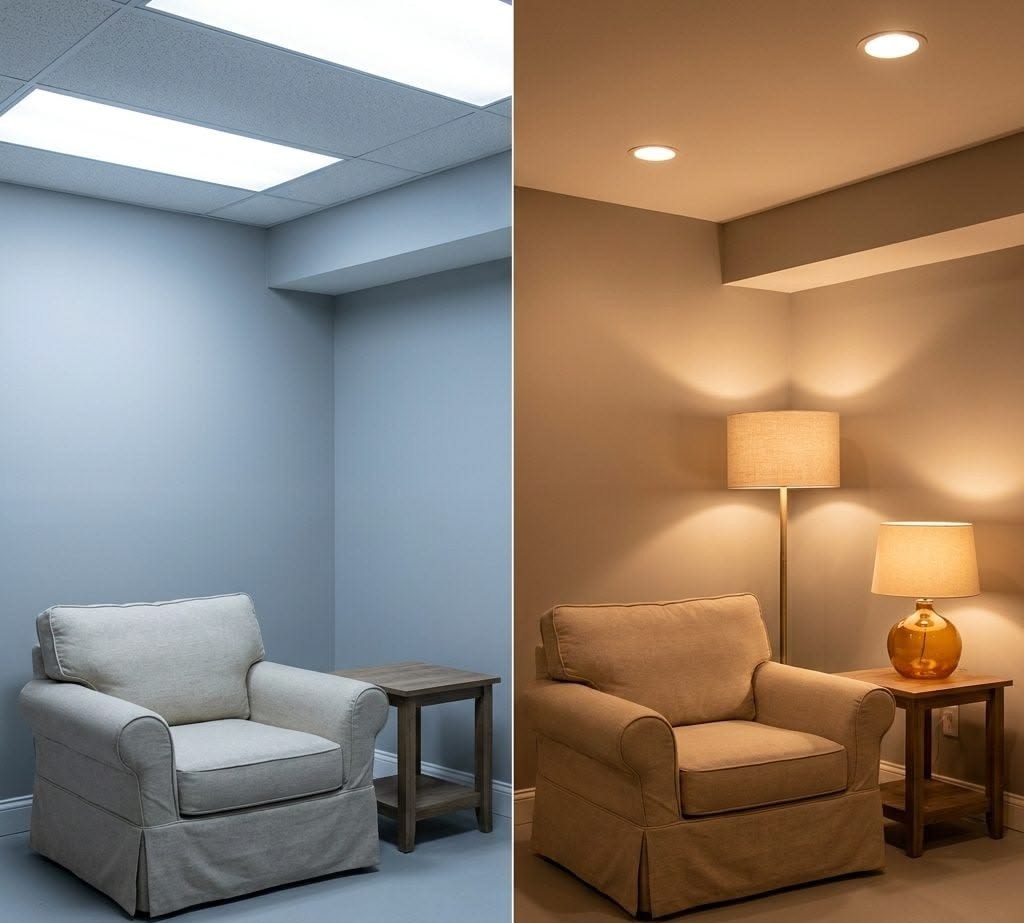
One useful approach is to avoid making the ceiling the only source of light in the living room.
A combination of recessed fixtures, indirect ceiling lighting, wall sconces, and floor lamps can create a more balanced appearance. Each layer can have a different effect without competing with the others.
Dimming also helps the room adapt to different activities.
A brighter setting may suit cleaning or reading, while softer lighting may feel more appropriate during an evening gathering.
Dining Rooms and Decorative Lighting
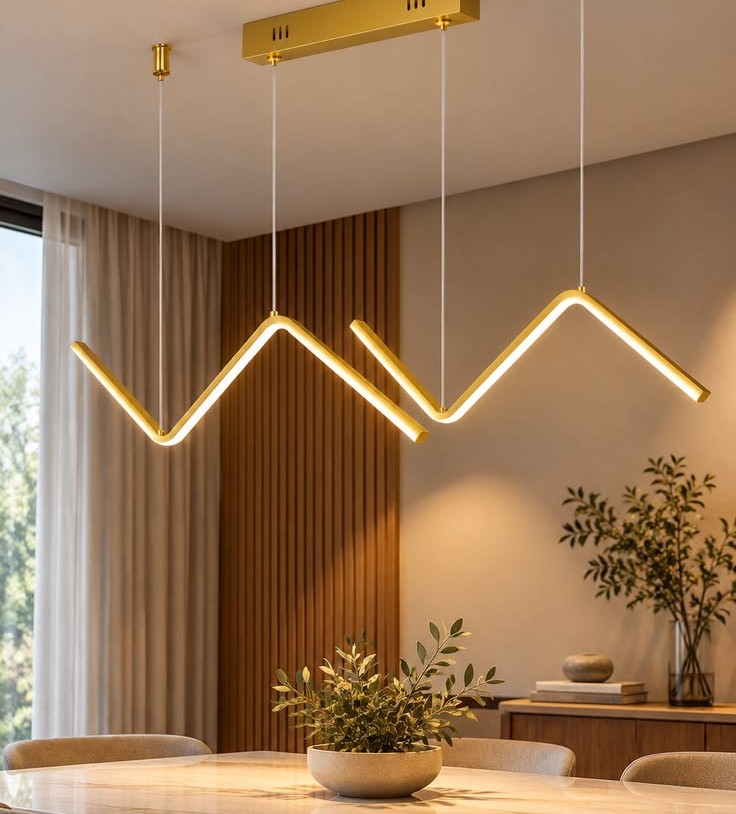
A pendant or chandelier above a dining table can establish a clear focal point. Its dimensions and suspension height should suit the table and the surrounding architecture.
However, the chandelier should not carry the entire lighting load.
Additional ambient lighting can keep the surrounding room comfortable and prevent the dining table from appearing as an isolated bright area.
A Word About Stage Lighting Design
Stage lighting design serves theatrical performances and entertainment productions, where the lighting needs to change according to scenes, performers, and visual effects.
Residential entertainment rooms may borrow some of those ideas, particularly when they include a home cinema or dedicated media room.
However, ordinary residential lighting requires a different approach to comfort, glare, and everyday usability.
The design should match the purpose of the room rather than introduce performance lighting where it isn’t needed.
CEILING LIGHT DESIGN (RECESSED FIXTURES AND ROUND CEILING LIGHTS)
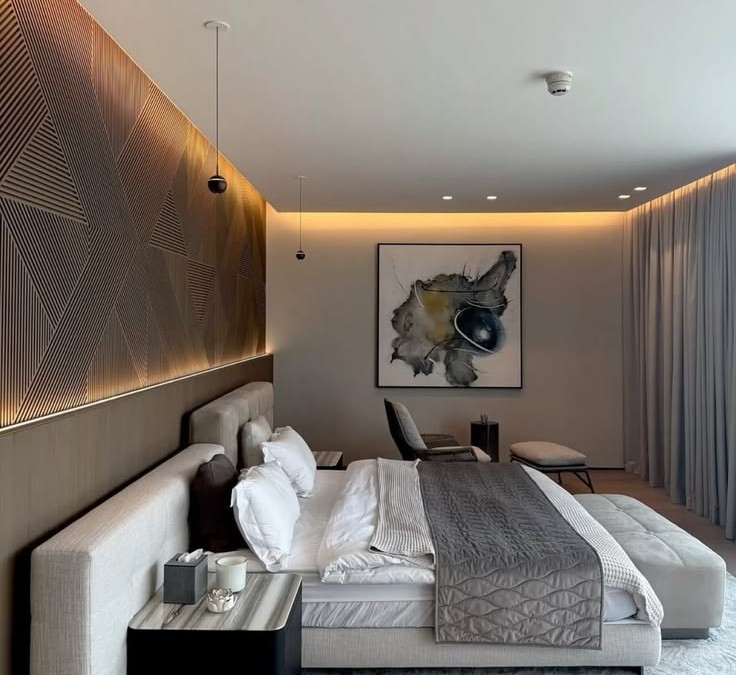
Ceiling lighting often provides the foundation of a residential lighting scheme.
The challenge is choosing a fixture and arrangement that suit the room instead of simply filling the ceiling with downlights.
The right solution depends on the ceiling structure, mounting depth, room dimensions, desired light distribution, and overall design.
Round Ceiling Light
A round ceiling light can work well in bedrooms, hallways, kitchens, and other spaces that need a compact fixture with a simple appearance.
Some models distribute light broadly across the room, while others use directional optics to illuminate a more specific area.
The designer should review the actual light output and distribution before choosing a product. The shape alone doesn’t establish whether the fixture provides suitable illumination.
Track Light Ceiling Systems
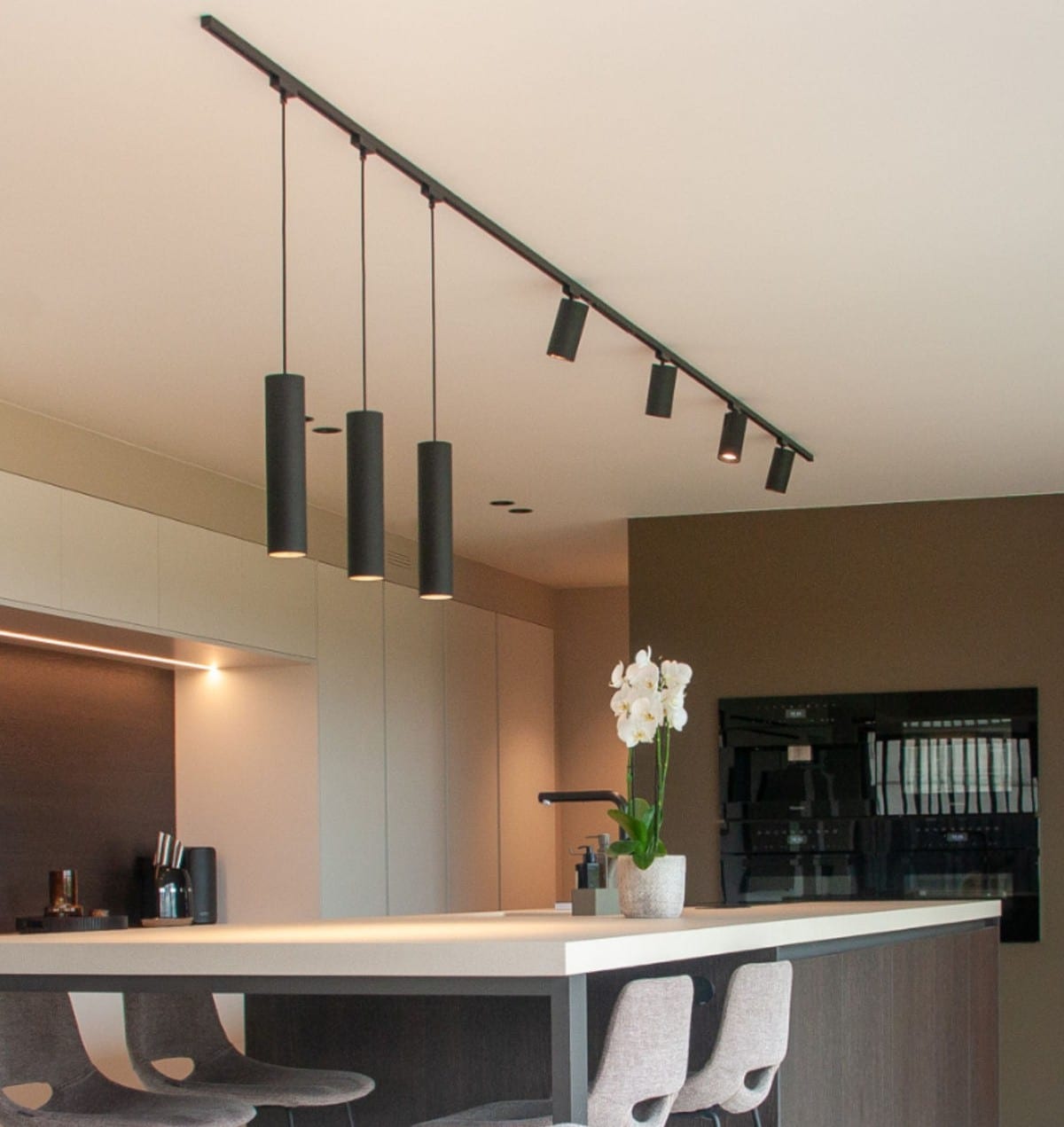
Track lighting provides flexibility because compatible fixtures can move along the rail or change direction as the room’s needs evolve.
It can suit living rooms, artwork displays, kitchens, galleries, and other spaces where the homeowner may want to adjust the emphasis over time.
Track systems come in different configurations, including surface-mounted, recessed, and suspended designs.
The correct choice depends on the ceiling construction, fixture compatibility, and intended appearance.
Recessed and Surface-Mounted Fixtures
Recessed lighting creates a relatively discreet ceiling appearance, while surface-mounted fixtures can work well when the ceiling doesn’t provide enough space for concealed installation.
The team should coordinate the selected fixtures with air-conditioning outlets, beams, sprinklers, access panels, and other ceiling services before construction begins.
This simple step can prevent a visually cluttered ceiling and reduce installation changes later.
KITCHEN PENDANT LIGHTING
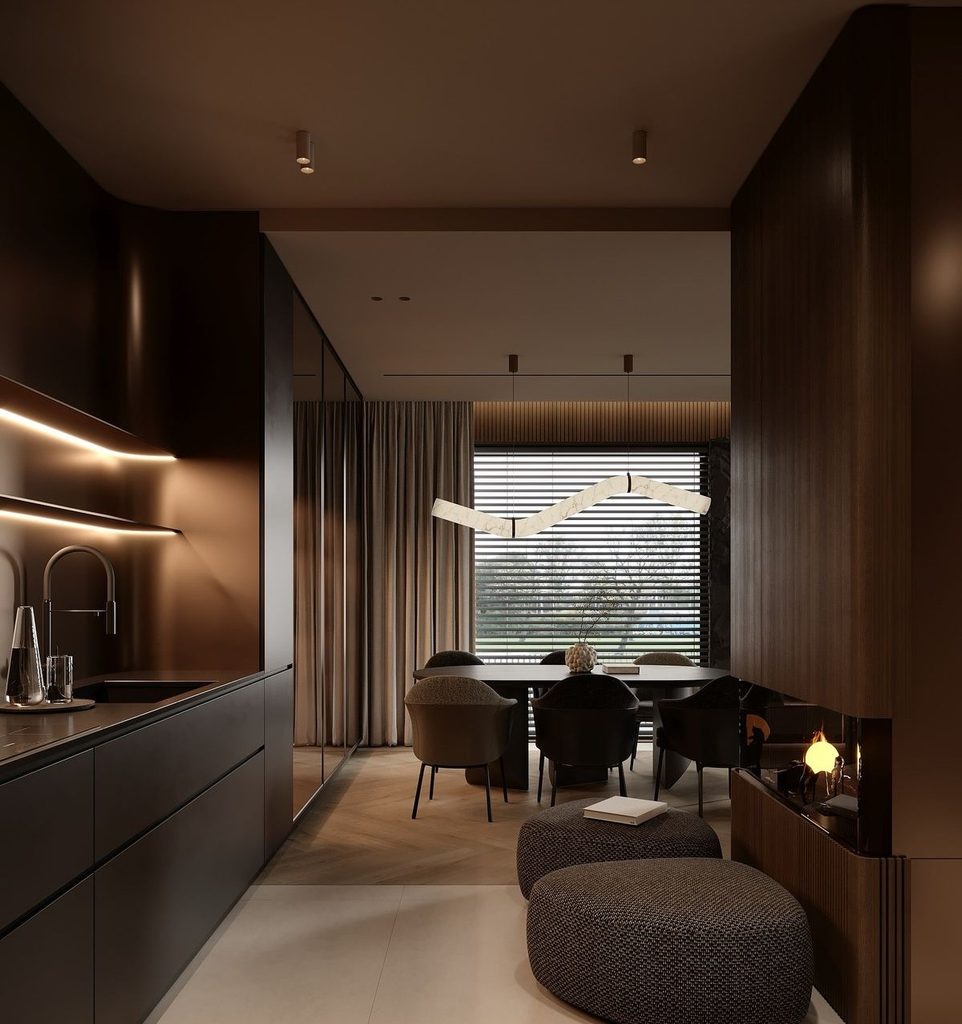
Kitchen lighting needs to support cooking, food preparation, cleaning, and social interaction.
A decorative fixture may establish the room’s visual character, but the work surfaces still require suitable illumination.
A coordinated design combines general lighting with task lighting and decorative elements where appropriate.
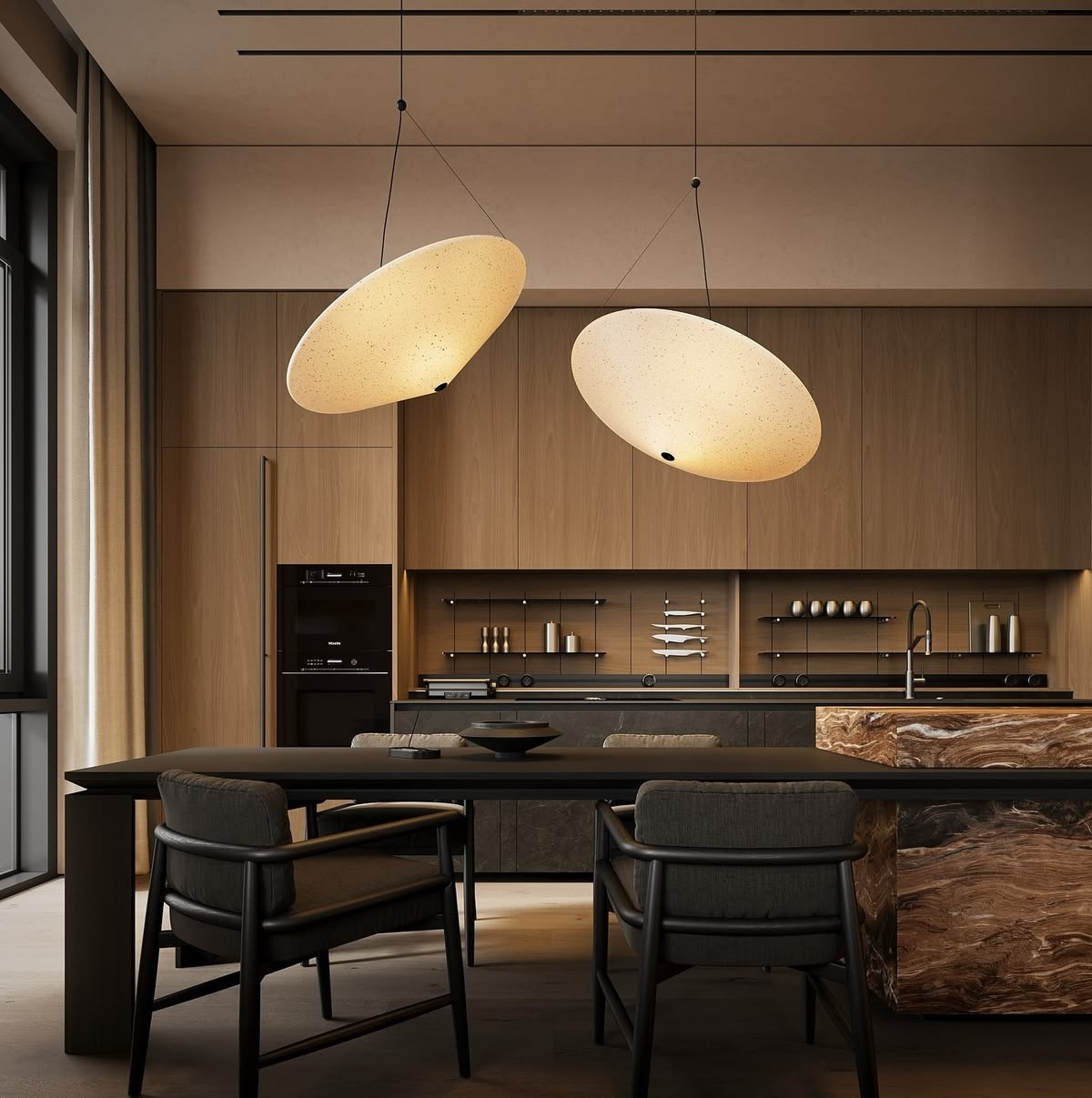
Kitchen Pendant Lighting Above Islands
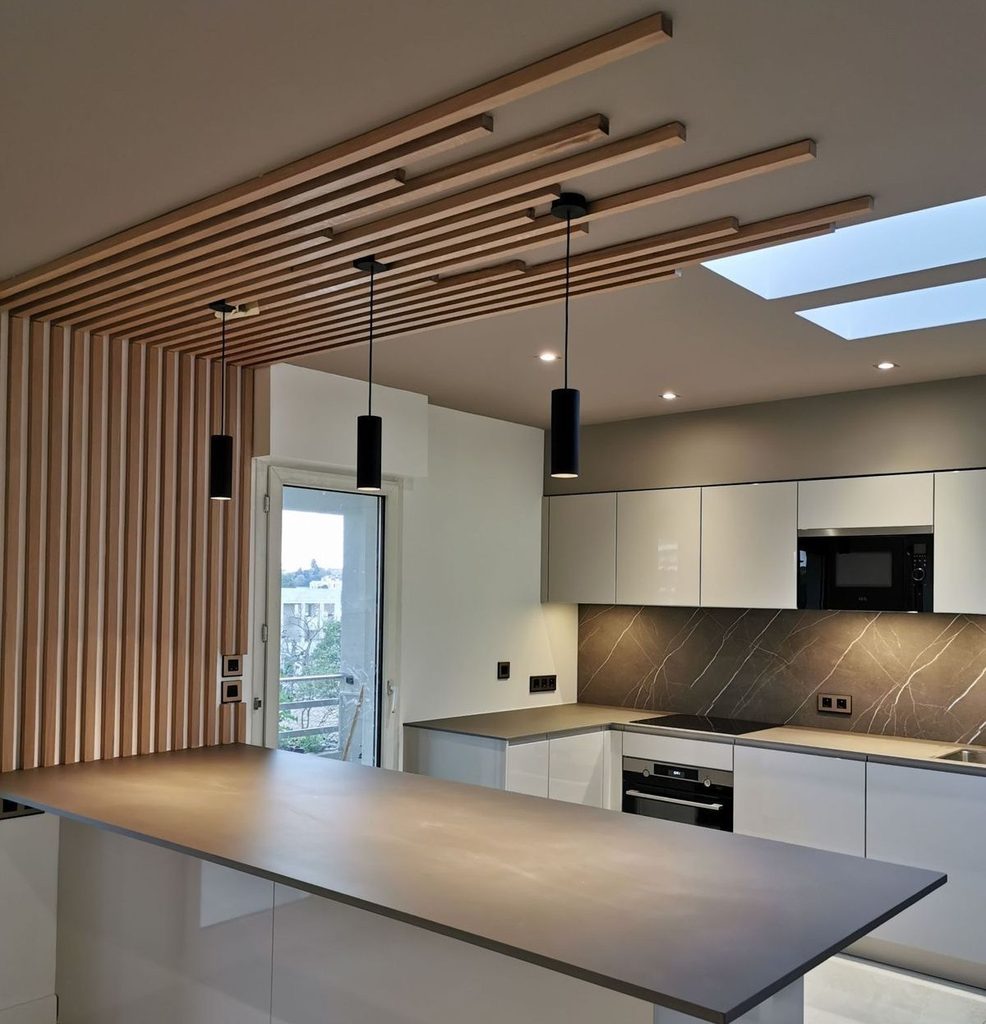
Pendant lights can define a kitchen island or breakfast counter while providing illumination over the surface.
The designer should consider fixture dimensions, spacing, suspension height, beam distribution, and viewing angles. A pendant that’s too low may obstruct sightlines, while one that’s too high may fail to provide the intended effect.
The fixture should also complement the kitchen’s cabinetry, countertops, and other finishes.
Under-Cabinet Lighting for Work Surfaces
Under-cabinet LED lighting can illuminate countertops and reduce shadows created by overhead cabinets or people standing at the worktop.
The designer should select a strip or linear fixture with suitable light output, color characteristics, and installation accessories.
A diffuser can help produce a smoother line of light, while accessible drivers make future maintenance easier.
Coordinate General and Task Lighting
The kitchen should remain comfortable when task lighting isn’t needed.
Separate controls allow the homeowner to use general lighting for casual meals or gatherings and stronger task illumination during food preparation.
The design should also consider reflective surfaces such as polished stone, stainless steel, and glossy cabinets, which may produce distracting reflections if the fixture positions aren’t suitable.
ARCHITECTURAL LIGHTING DESIGN AND BESPOKE LIGHTING DESIGN
Architectural lighting design focuses on how light reveals the shape, materials, and visual hierarchy of a building or interior.
Bespoke lighting design takes the idea further by developing fixtures or lighting arrangements for the specific requirements of a project.
These approaches can be particularly valuable in luxury villas, where custom ceilings, decorative stone, double-height spaces, and distinctive entrances may need more than a standard lighting layout.
Customized Lighting Design for Individual Spaces
Customized lighting design can involve a custom chandelier, a concealed linear-light profile, a specially arranged track system, or a lighting solution developed around an architectural feature.
The process should begin with the intended effect and the available space, not with a product chosen simply because it looks attractive.
The designer then considers the dimensions, materials, fixture performance, mounting requirements, and relationship with the surrounding architecture.
Artemide Lighting and Contemporary Design
Artemide offers residential and architectural lighting products that explore the relationship between design, light, material, and technology.
Its collections include decorative fixtures, architectural lighting systems, and products designed for different interior applications.
When considering Artemide lighting for a villa, the important step is to match the chosen product to the design requirement.
A decorative pendant, a wall light, and an architectural spotlight perform different jobs, even when they come from the same manufacturer.
Flos Lights for Modern Interiors
Flos produces decorative and architectural lighting products for residential and professional applications.
Its range includes ceiling lights, wall lights, table lamps, floor lamps, and architectural lighting systems.
Some products emphasize decorative form, while others focus on controlled light distribution and integration with architecture.
Flos lights can complement a residential design, but the selection should still consider the fixture’s light output, mounting requirements, controls, and relationship with other lighting layers.
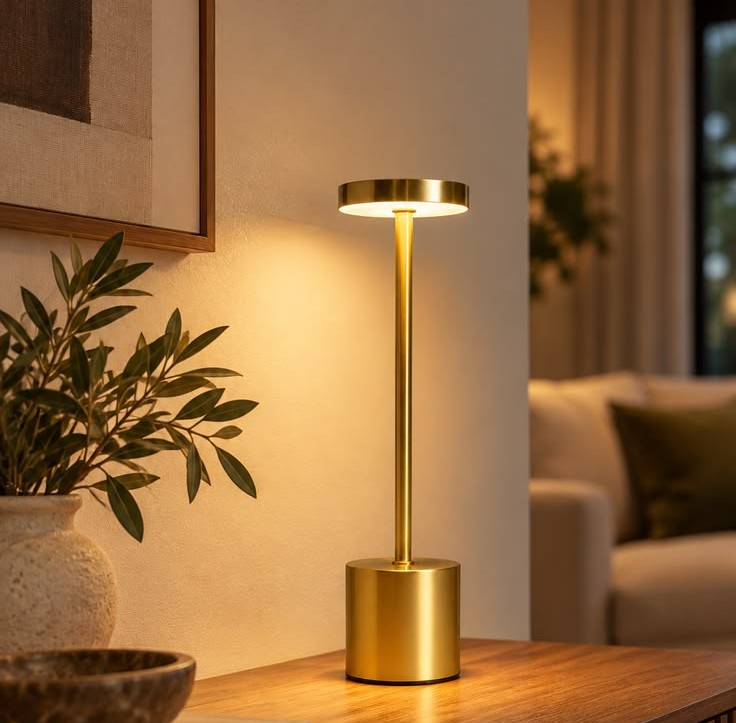
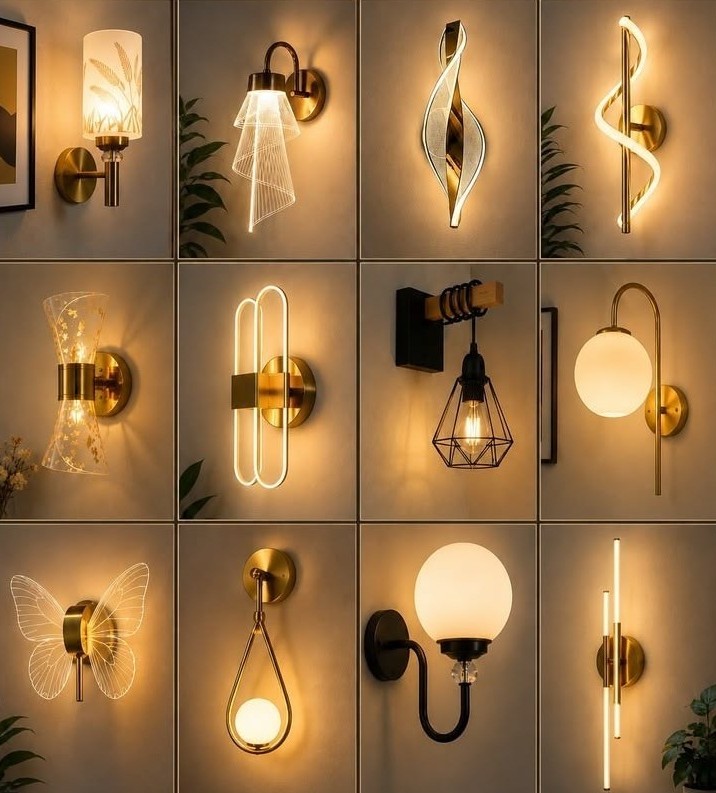
MODERN TABLE LAMPS AND DECORATIVE LIGHTING FOR LUXURY INTERIORS
Table lamps and other portable fixtures offer a practical way to introduce localized light without changing the ceiling or wall layout.
They can also contribute to the character of a room through their form, materials, and finishes.
Modern Table Lamps for Living Rooms and Bedrooms
Modern table lamps can provide reading light, soft illumination beside a sofa, or a decorative accent on a console table.
The designer should consider the shade, light output, lamp position, and whether the source remains comfortable to view from nearby seating.
For bedside use, the switch should also be easy to reach. The lamp’s proportions should suit the table and the surrounding furniture.
Decorative Fixtures Should Complement General Lighting
A table lamp can create a pleasant pool of light, but it may not provide enough illumination for an entire room.
Combining it with ambient lighting and selected wall or ceiling fixtures helps maintain a balanced appearance.
The same principle applies to decorative pendants, sculptural floor lamps, and statement chandeliers.
They should contribute to a coordinated lighting scheme rather than becoming the only source of illumination.
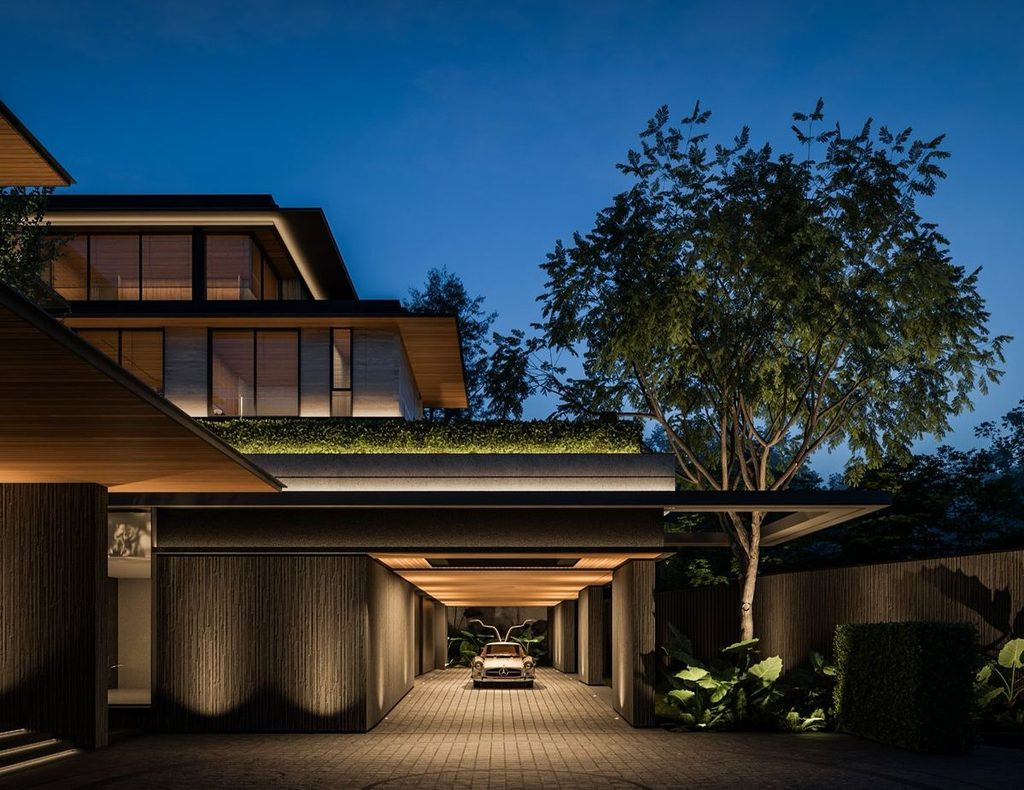
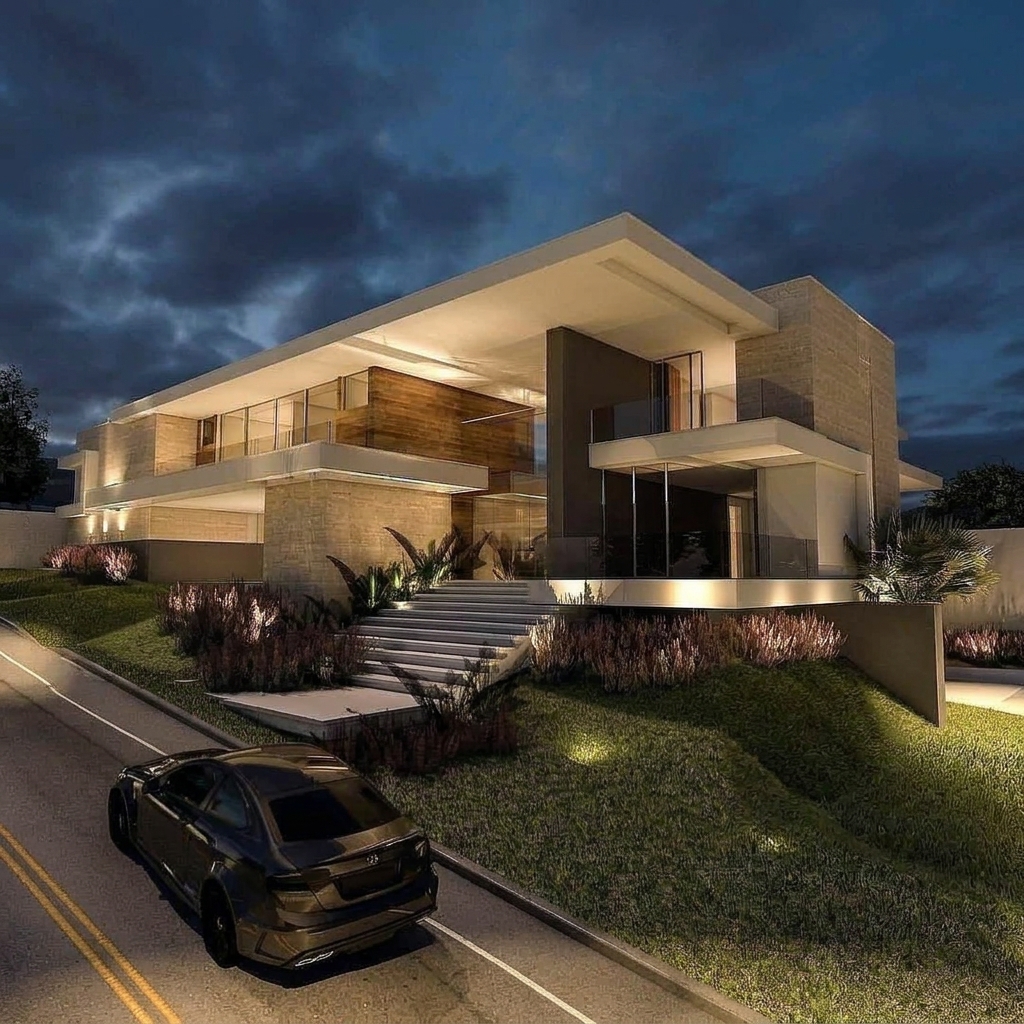
FACADE LIGHTING DESIGN AND LANDSCAPE LIGHTING DESIGN
Residential lighting doesn’t stop at the front door. The exterior also contributes to how people experience a villa after sunset.
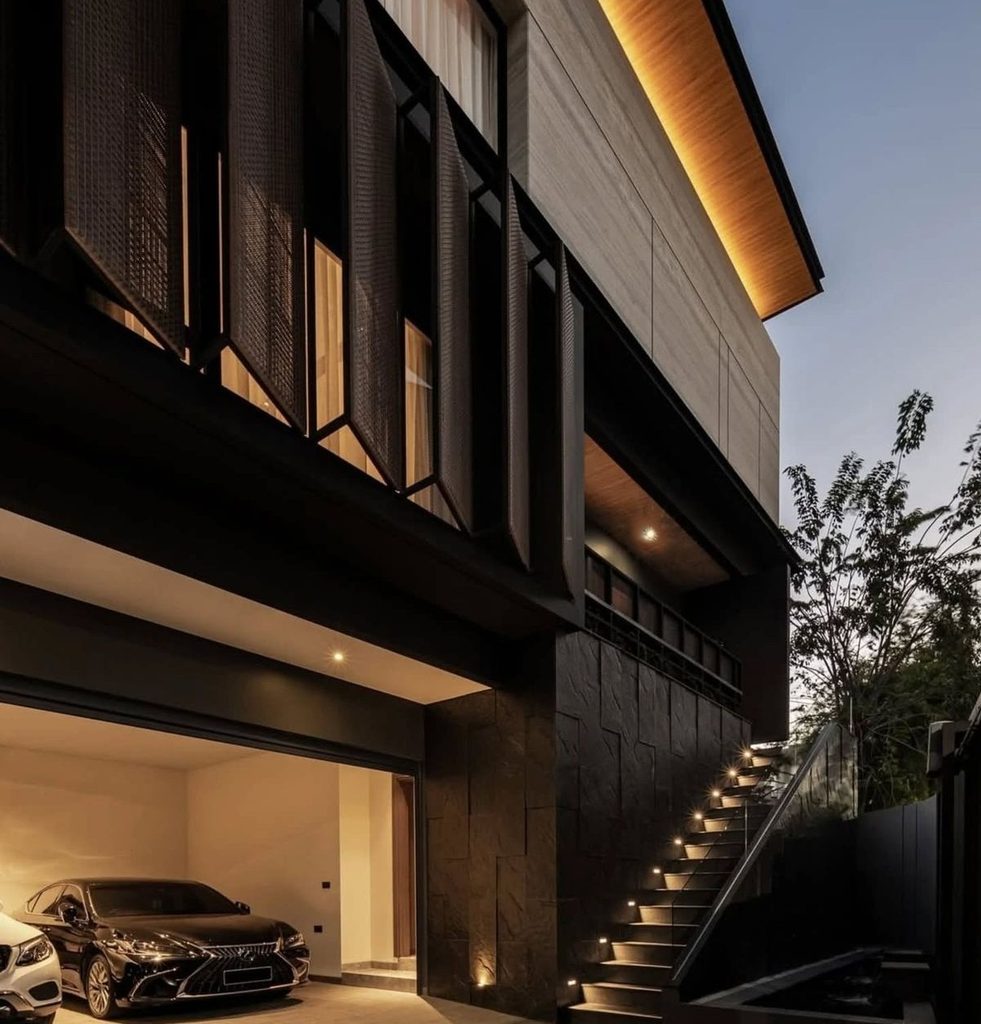
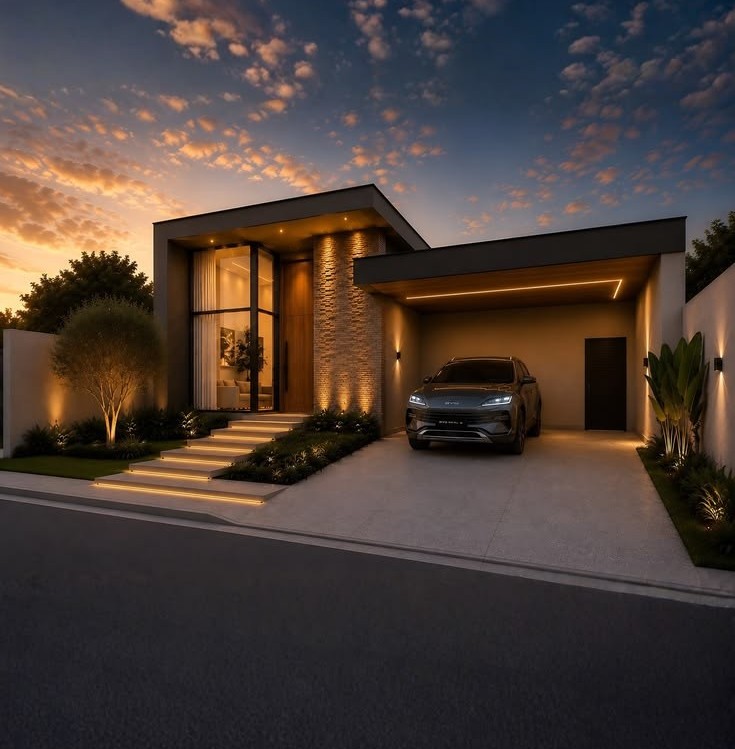
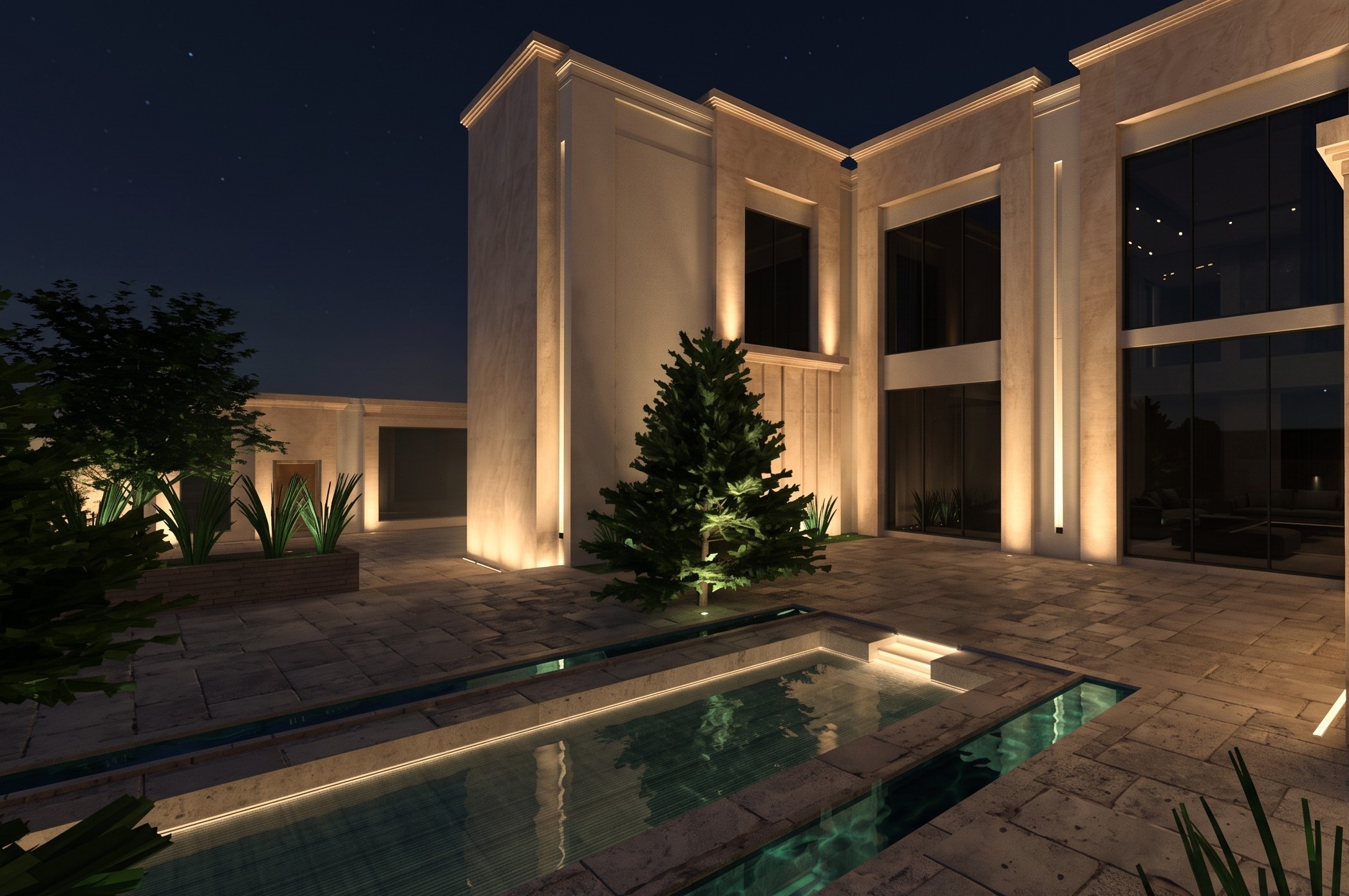
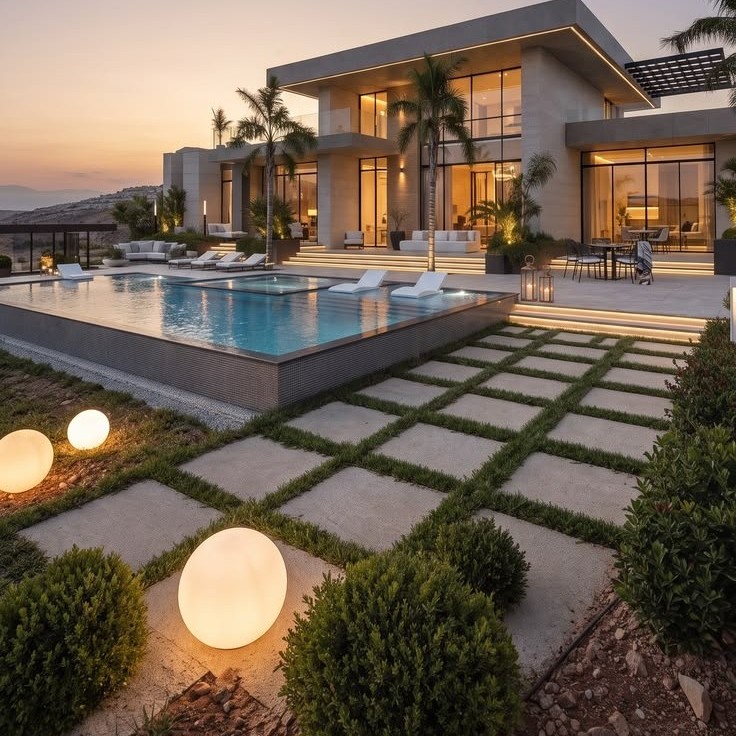
Facade lighting design can reveal architectural details, while landscape lighting design can connect the house with its gardens, pathways, terraces, and other outdoor areas.
Building Facade Lighting Design
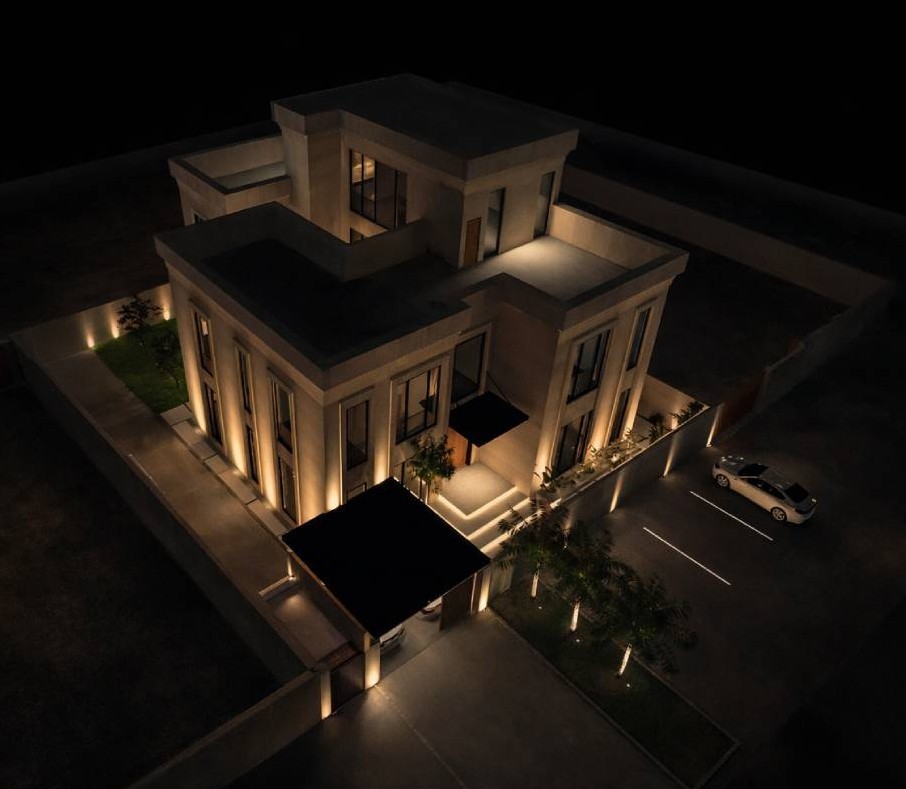
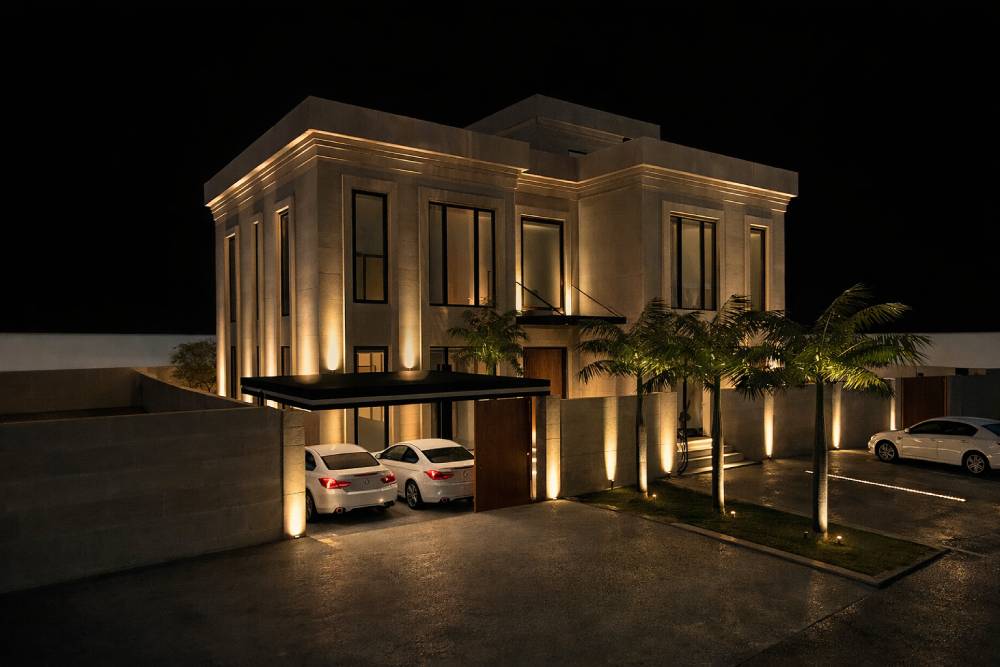
The right facade lighting technique depends on the surface and the feature the designer wants to emphasize.
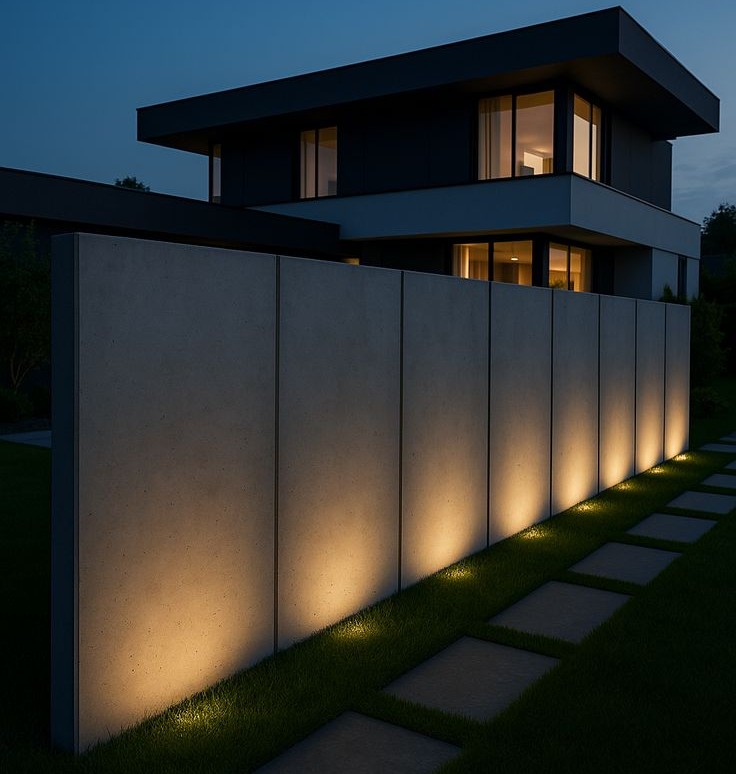
Wallwashing distributes light relatively evenly across broad surfaces. Grazing brings out textures and grooves, while focused accent lighting highlights columns, entrances, arches, and architectural details.
The design should establish a visual hierarchy instead of illuminating every surface with equal brightness.
It should also account for glare, reflections, mounting positions, and light spill into neighboring properties.
Landscape Lighting Design for Gardens and Pathways
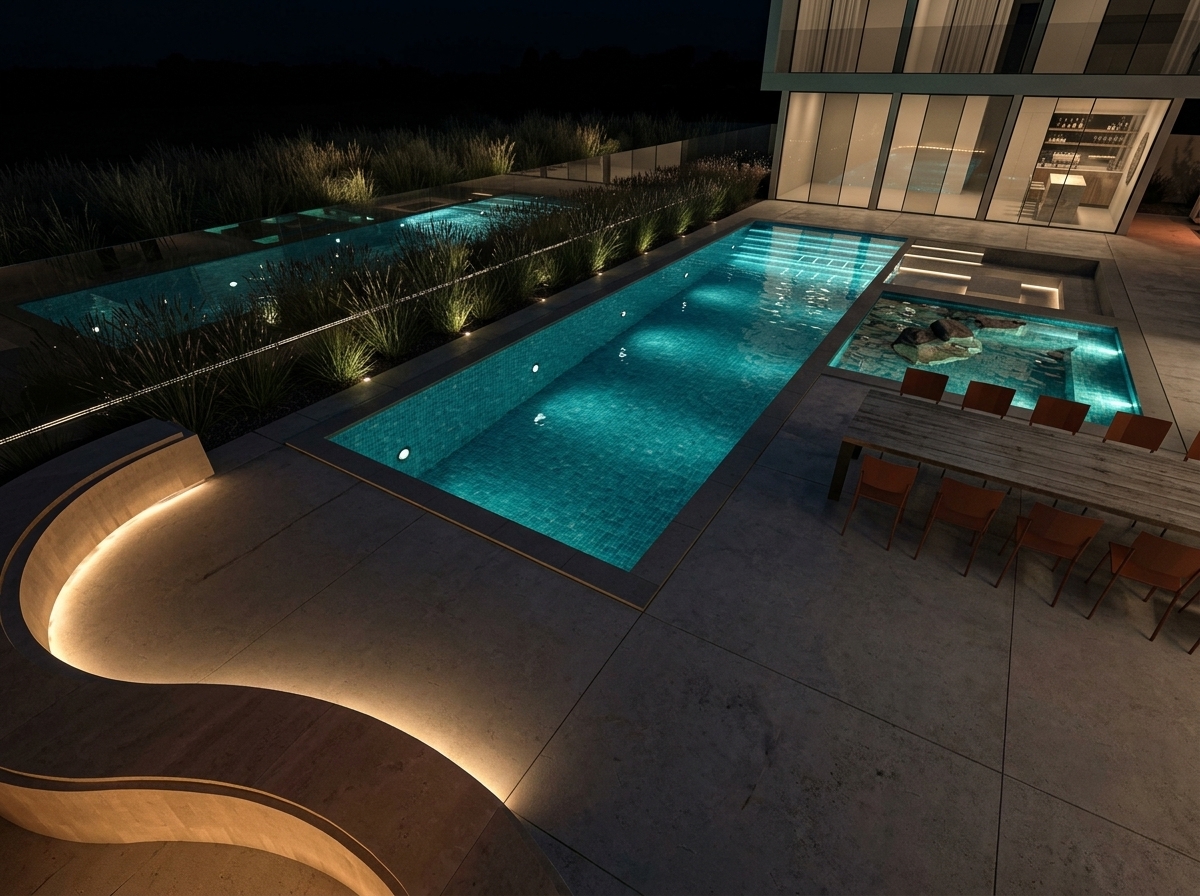
Landscape lighting can reveal selected trees, planting beds, garden walls, and outdoor seating areas.
Pathway fixtures help people recognize routes and changes in level.
Accent lighting can add depth, but the designer should use it selectively, so the garden doesn’t become a collection of competing bright spots.
DarkSky International recommends using outdoor lighting only where necessary, targeting the light carefully, avoiding unnecessary brightness, controlling operating times, and favoring warmer colors where practical.
These principles help create a more comfortable exterior environment while limiting unwanted light spill.
Planning for Outdoor Conditions
Outdoor fixtures need to suit the conditions where they will operate.
The team should review environmental ratings, operating-temperature limits, corrosion resistance where relevant, and the manufacturer’s installation instructions.
The outdoor lighting design should also consider safe access for cleaning, adjustment, and future repairs.
For projects in Dubai and Abu Dhabi, verify the applicable local requirements before finalizing facade and landscape lighting.
LIGHTING CONTROL SYSTEMS, DAYLIGHT, AND ENERGY EFFICIENCY
A lighting control system allows homeowners to manage different lighting layers according to the activity taking place.
Instead of switching every fixture together, the system can create scenes for entertaining, dining, reading, or relaxing.
Dimming and Lighting Scenes
Separate control groups give the homeowner flexibility to adjust the room without changing every fixture manually.
For example, a living room may use one group for general lighting, another for cove lighting, and a third for decorative fixtures. The designer can configure the controls to support the homeowner’s routine.
The system should remain easy to understand. A complicated interface can undermine the benefits of an otherwise sophisticated lighting installation.
Daylight-Responsive Lighting
Natural daylight can reduce the need for artificial lighting during the day, but its availability changes with the time of day, window orientation, glazing, and surrounding buildings.
A well-planned home lighting design considers daylight alongside electric lighting. Window treatments, furniture positions, and surface finishes can all affect glare and how light spreads through the room.
Where suitable, daylight-responsive controls can adjust compatible fixtures to account for available natural light.
Smart Controls and DALI
DALI lighting systems are a standardized digital lighting control protocol.
Compatible drivers and control devices can support functions such as dimming, group control, and scenes.
For larger villas or complex residential projects, the system may provide more flexible control than simple switching alone.
The correct solution depends on the fixtures, drivers, required functions, and any planned smart-home integration. Confirm compatibility before purchasing equipment.
LIGHTING DESIGN FIRM IN DUBAI AND ABU DHABI
Choosing lighting design companies in Dubai involves more than reviewing attractive renderings.
The team needs to understand the project, document the design clearly, and coordinate the technical details with the architect, electrical contractor, and supplier.
Review Project Experience and Technical Capabilities
Ask to see relevant residential projects, especially those with similar architectural features or design complexity.
Useful deliverables may include 2D lighting plans, 3D visualizations, photometric calculations, fixture schedules, technical specifications, and installation coordination.
For complex projects, ask who handles commissioning and whether the service includes a final review of the installed lighting.
The Scope of Supply and Installation
Some providers focus on design consultancy, while others combine design, product supply, installation, and commissioning.
Neither approach automatically suits every project. The important point is to clarify who selects the products, who checks compatibility, who coordinates the installation, and who resolves problems during commissioning.
The quotation should distinguish design fees from fixture supply, electrical work, controls, and other installation costs.
Confirm Local Requirements
Dubai’s Building Code includes requirements related to building design and lighting controls.
Abu Dhabi projects must follow the requirements that apply to their location and approval process.
The project team should confirm the current applicable regulations and any project-specific conditions with the relevant authority.
COST OF LIGHTING DESIGN IN DUBAI AND ABU DHABI
The cost of lighting design in Dubai and Abu Dhabi depends on the property size, project complexity, and level of detail required.
A professional villa lighting project design package often includes 2D lighting plans, 3D visualisations, lux calculations, fixture selection, and a detailed schedule of lighting quantities.
A 3D lighting design package for a mid-sized villa can range from AED 8,000 to AED 12,000. However, this price often excludes the supply and installation of LED lighting.
A 2D lighting design is generally more affordable, ranging from AED 3,000 to AED 5,000.
For clients who purchase their lighting fixtures through Blink Lighting, for instance, the design service may also be provided at no additional cost, depending on the project and agreed terms.
For an accurate villa lighting cost, it is best to assess the property plans, lighting requirements, and preferred design approach before confirming the final cost.
FINAL THOUGHT
Good lighting design makes a home feel considered.
It reveals the architecture, supports everyday activities, and creates an atmosphere that changes naturally with the space and the time of day.
For homeowners in Dubai and Abu Dhabi, the strongest results come from planning 2D or 3D lighting alongside the architecture and interior design, selecting products for their actual performance, and coordinating installation before the finishing work is complete.
Whether the project involves a luxury villa, a contemporary apartment, custom decorative lighting, or exterior architectural features, every choice should serve a clear purpose.
Blink Lighting provides lighting design, product supply, and installation services for residential projects.
A coordinated approach helps homeowners, architects, and developers turn the lighting concept into a practical, well-planned result.
Related Posts
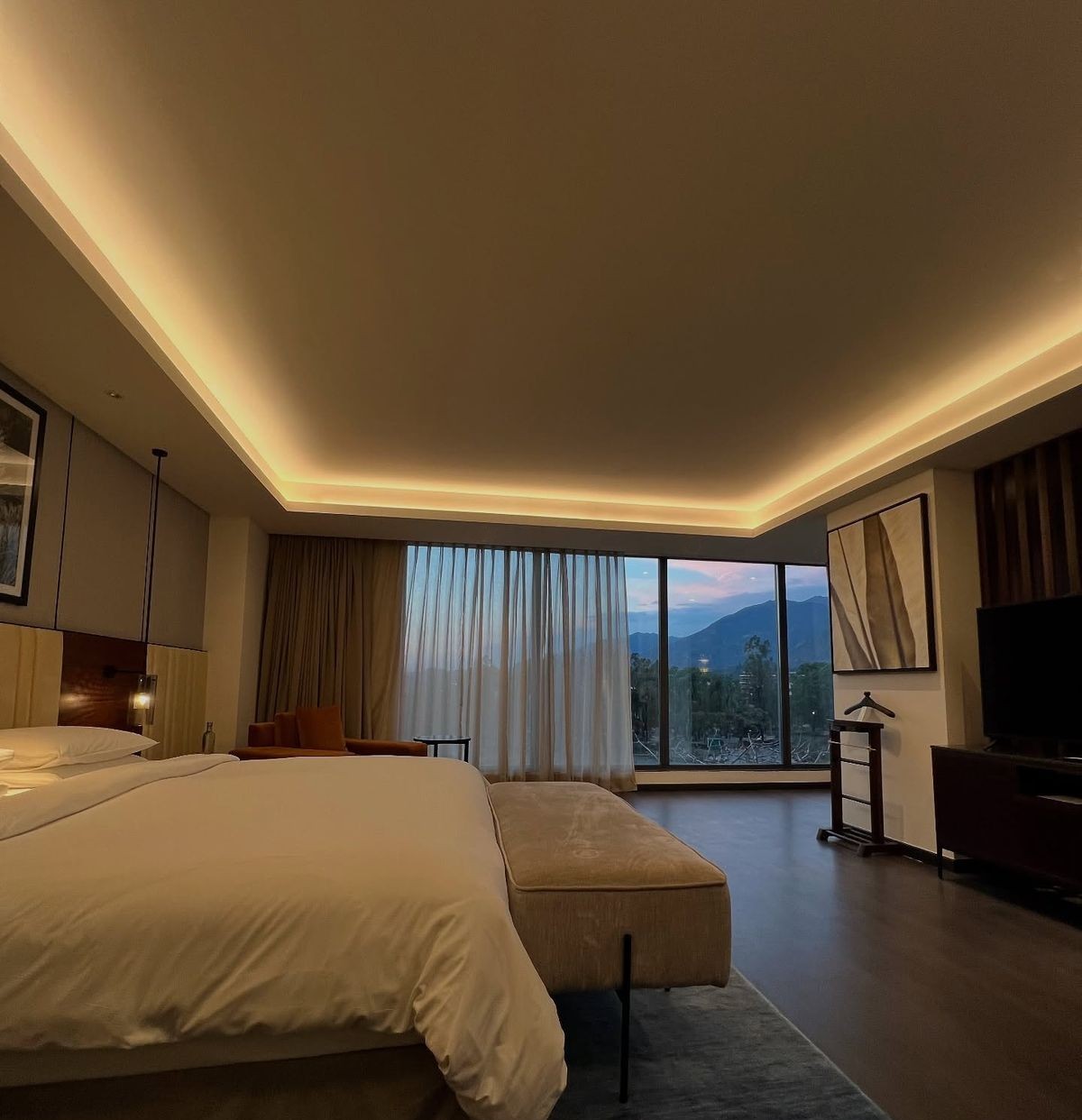
Residential Lighting in Dubai and Abu Dhabi for Villas and Apartments
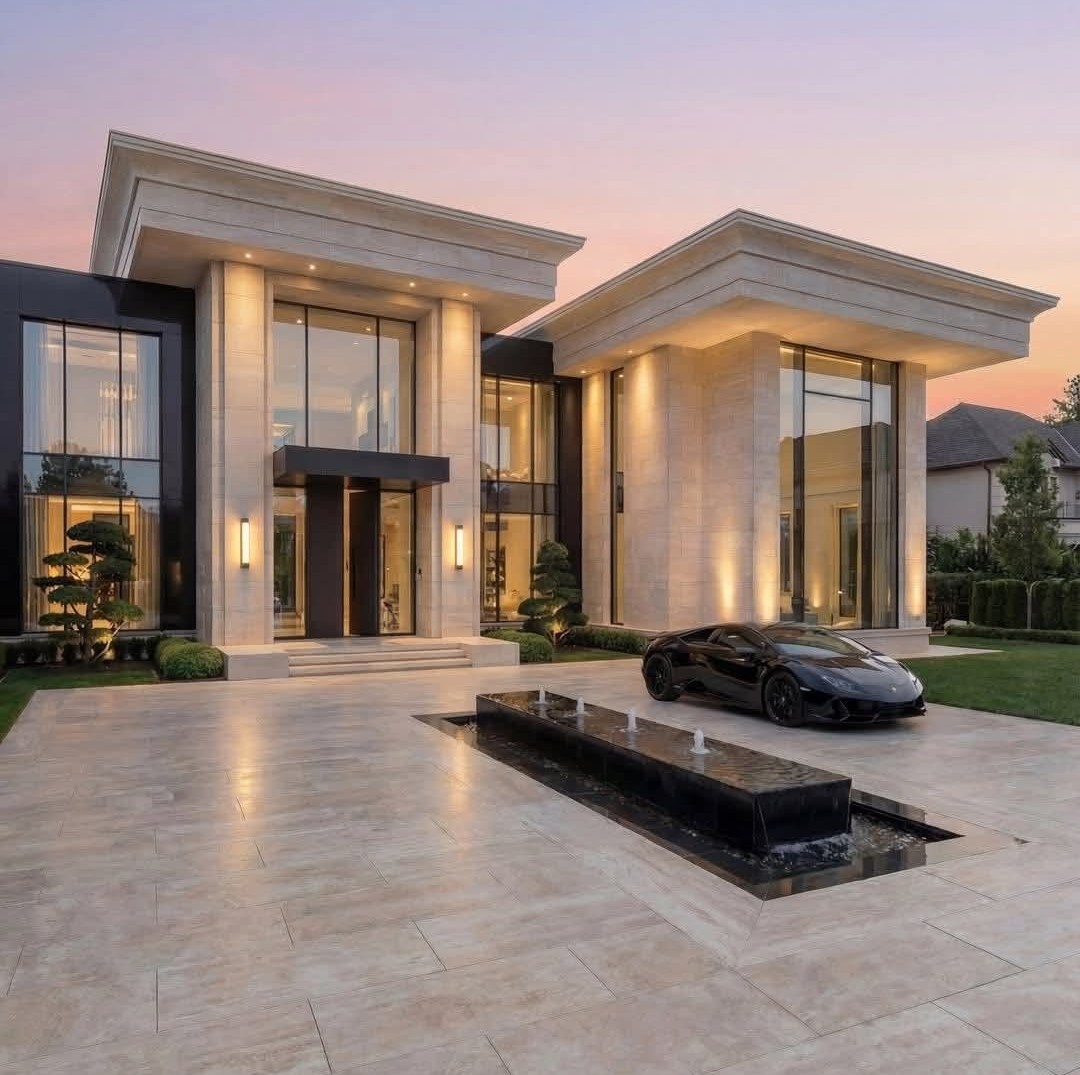
Lighting Design Companies in Dubai and Abu Dhabi (2027 Guide)
Home Lighting Design in Dubai and Abu Dhabi: 3D Design, LED Supply, and Installation
Villa Lighting Cost in Dubai and Abu Dhabi in 2027
Villa Facade Lighting in Dubai and Abu Dhabi: 3D Design, Outdoor LED Supply, and Installation in 2027
Track Lights in Dubai and Abu Dhabi: LED, Magnetic, and Mini Track Lights in 2027
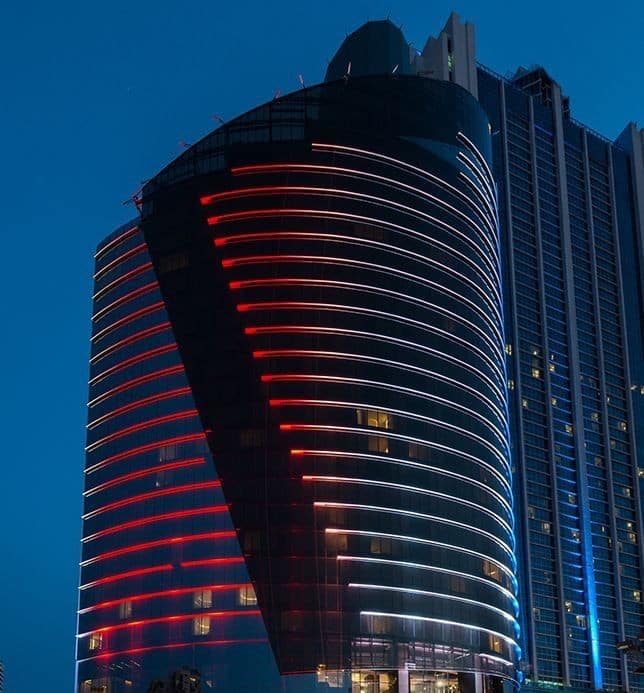
Tower Lighting in Dubai and Abu Dhabi: Design, Supply, and Cost in 2027
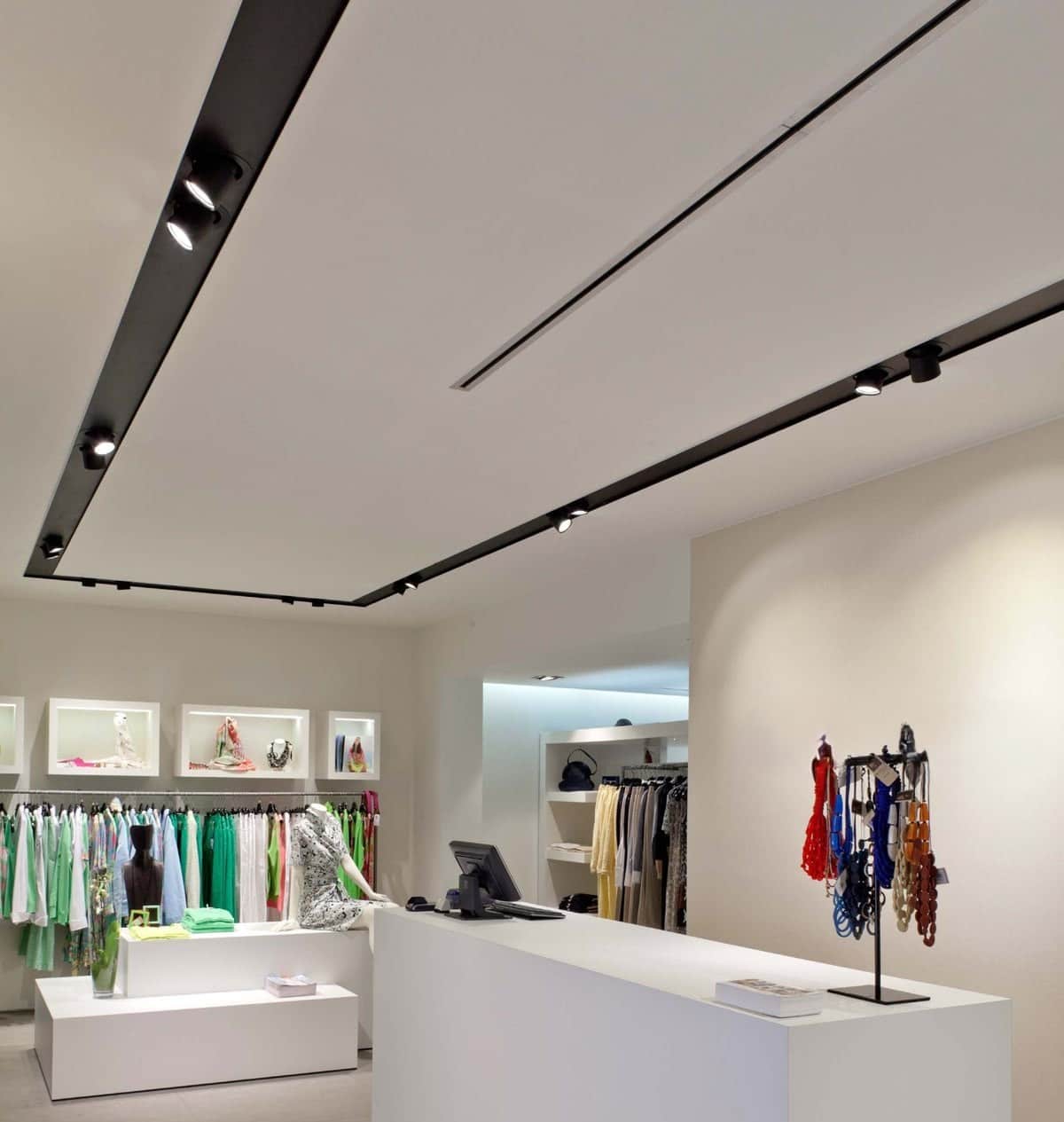
Retail Lighting Design in Dubai and Abu Dhabi: For Shops, Showrooms, and Malls
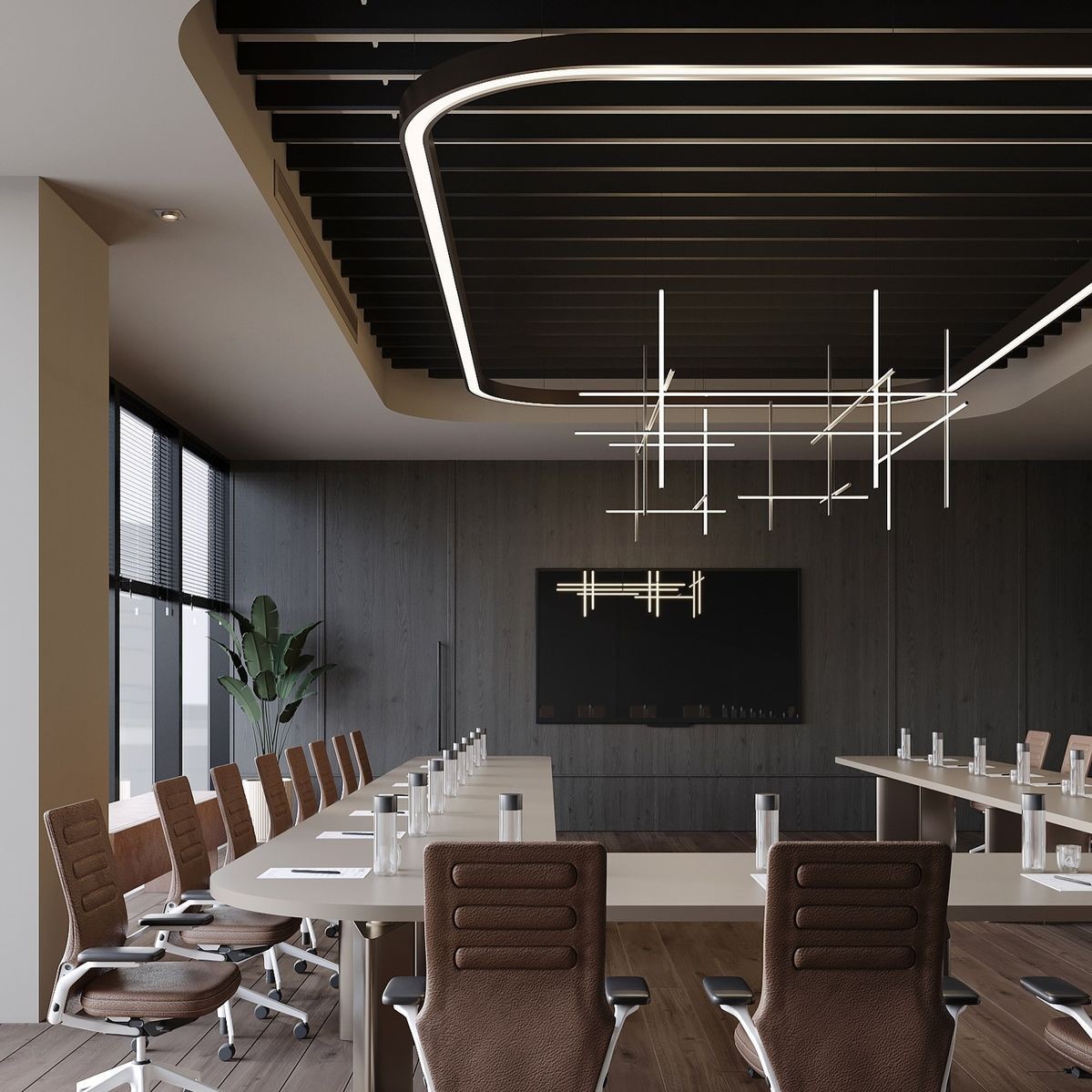
Office Lighting in Dubai and Abu Dhabi: For Modern Corporate Workspaces in 2027
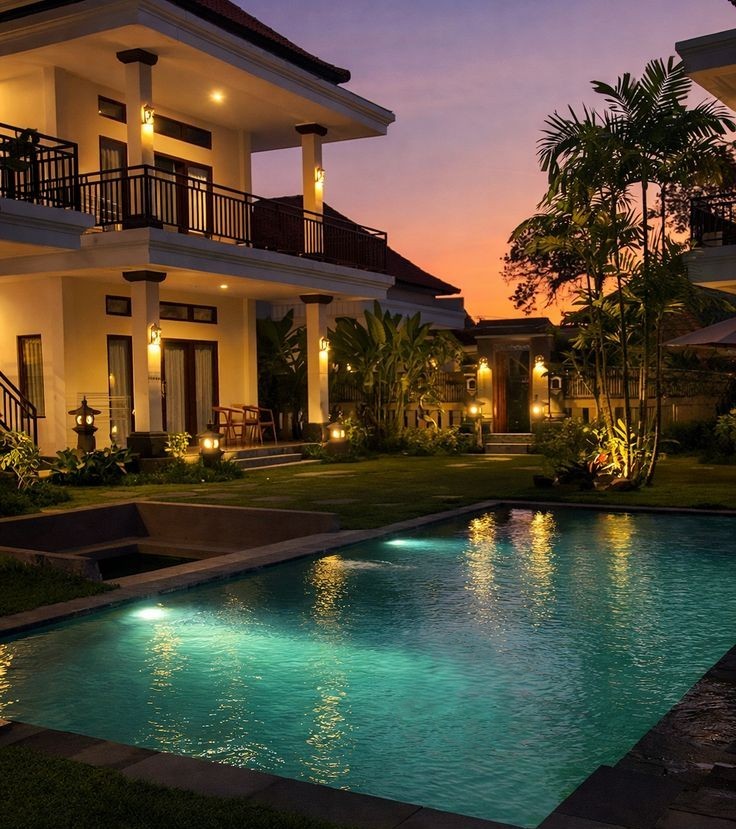
Villa Lighting Projects in Dubai and Abu Dhabi: 3D Design, Supply, and Installation
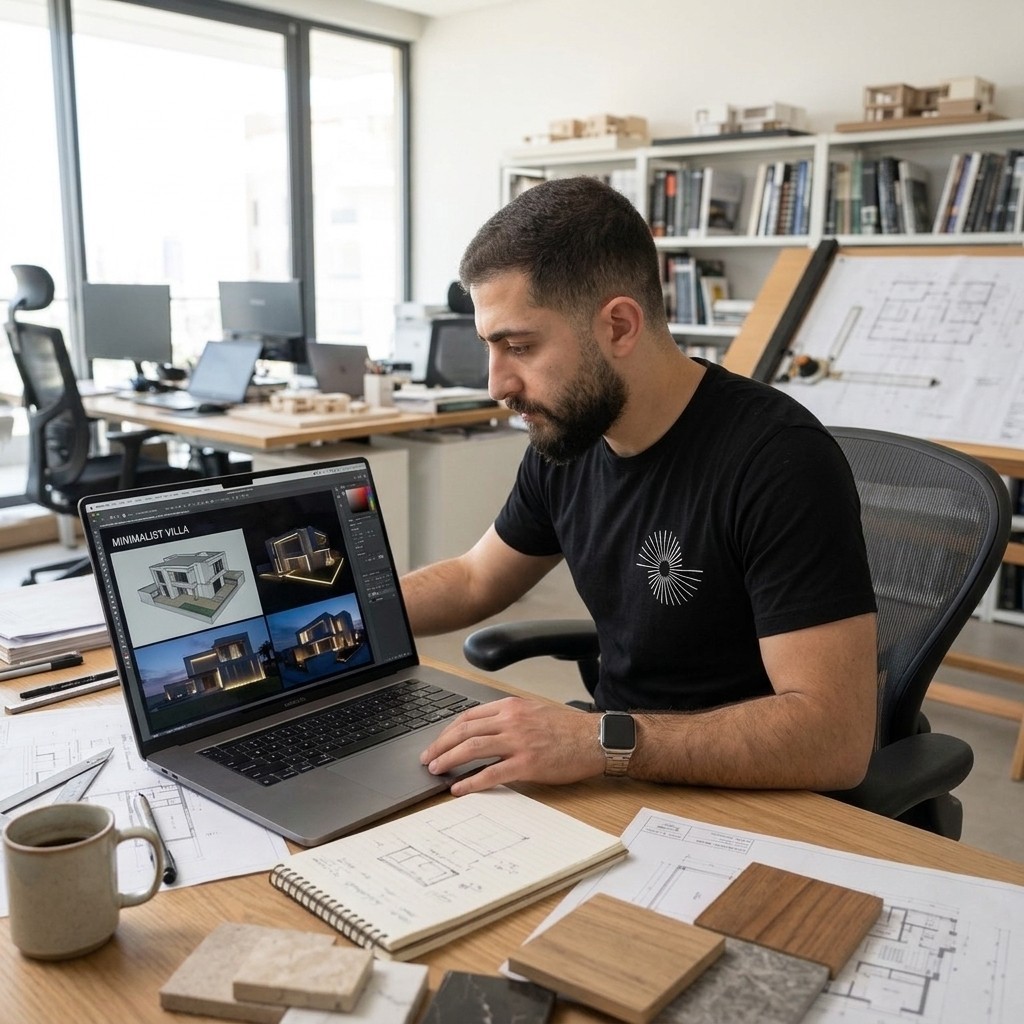
Lighting Designer in Dubai and Abu Dhabi for Villa and Large Projects in 2027
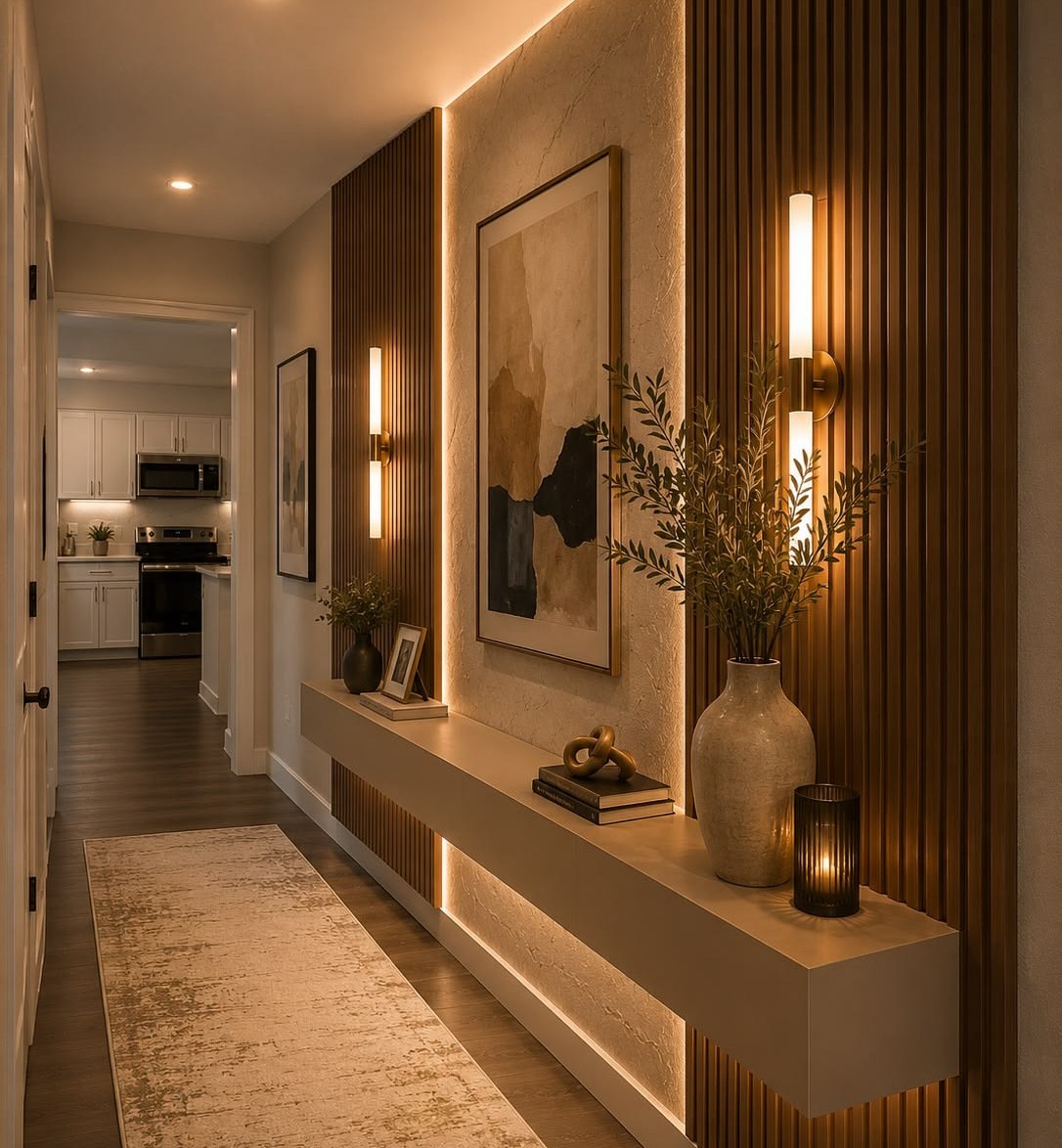
Indoor Lighting Design in Dubai and Abu Dhabi: For Villas and Luxury Spaces in 2027
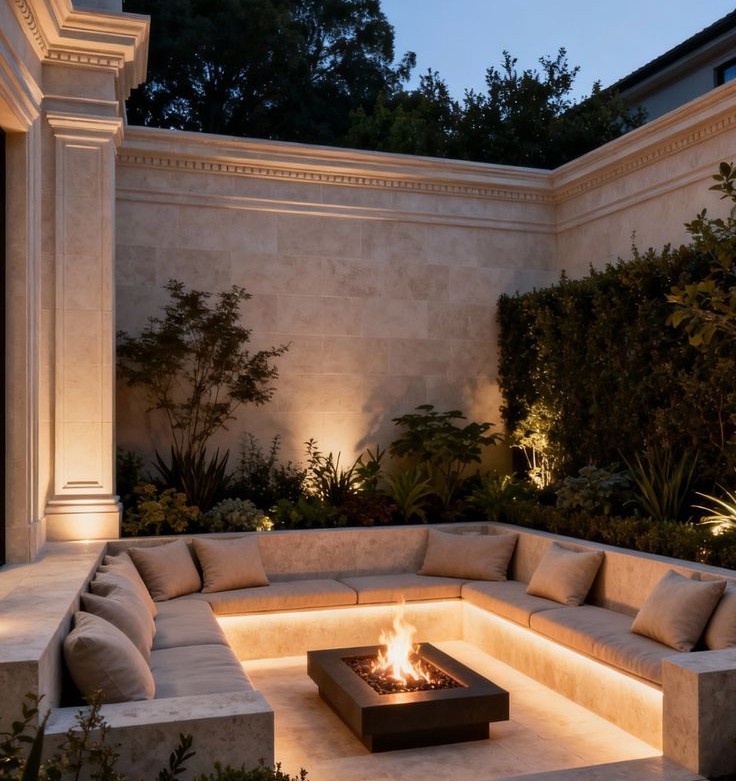
3D Exterior Lighting Design in Dubai and Abu Dhabi for Modern Villas
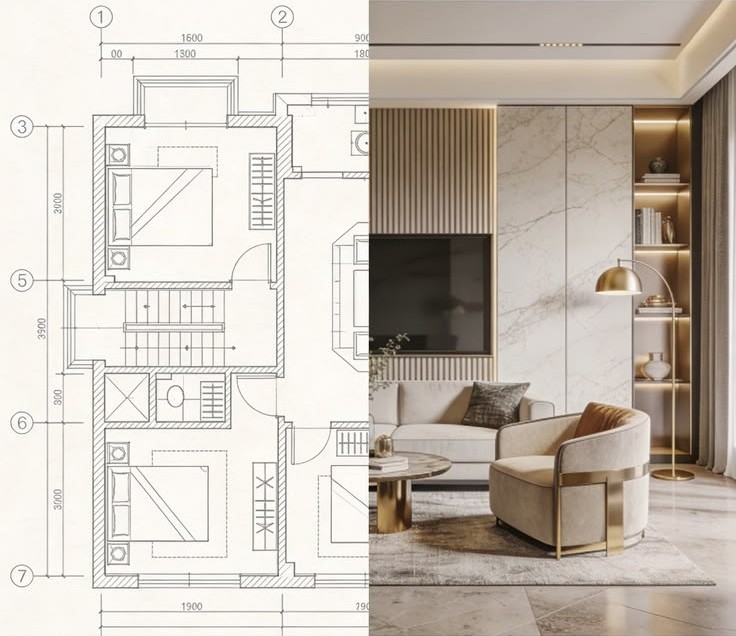
2D Lighting Plans in Dubai and Abu Dhabi for New Villa Construction
3D Lighting Design in Dubai and Abu Dhabi for Villas, Hotels, and Luxury Spaces
Architectural Lighting Design for Villas, Hotels, and Luxury Properties in UAE
DIALux Lighting Design Service for Dubai and Abu Dhabi Projects
Hospitality Lighting in Dubai and Abu Dhabi for Luxury Hotels and Resorts
Hotel Lighting Design in UAE: for Hospitality Projects in Dubai and Abu Dhabi (2027)
Lighting Consultant In UAE: Services, Benefits, and Costs for Villas and Large Projects
Lighting Design for Large Residential Projects: Villas, Apartments, and Residential Towers in UAE
Lighting Design for Property Developers in Dubai: Residential and Commercial Projects
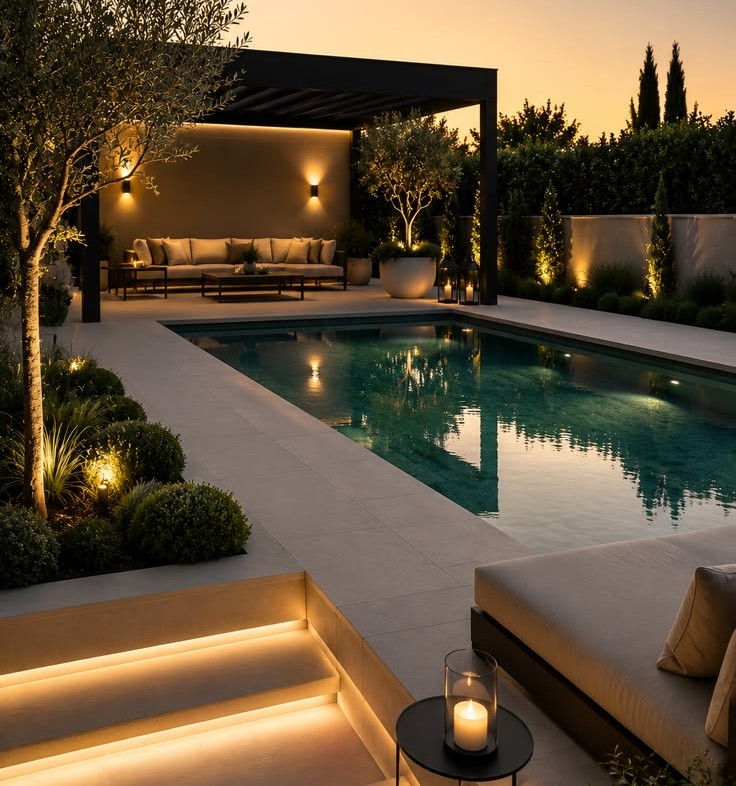
Outdoor Lighting Design in Dubai and Abu Dhabi for Villas, Pools, and Landscapes
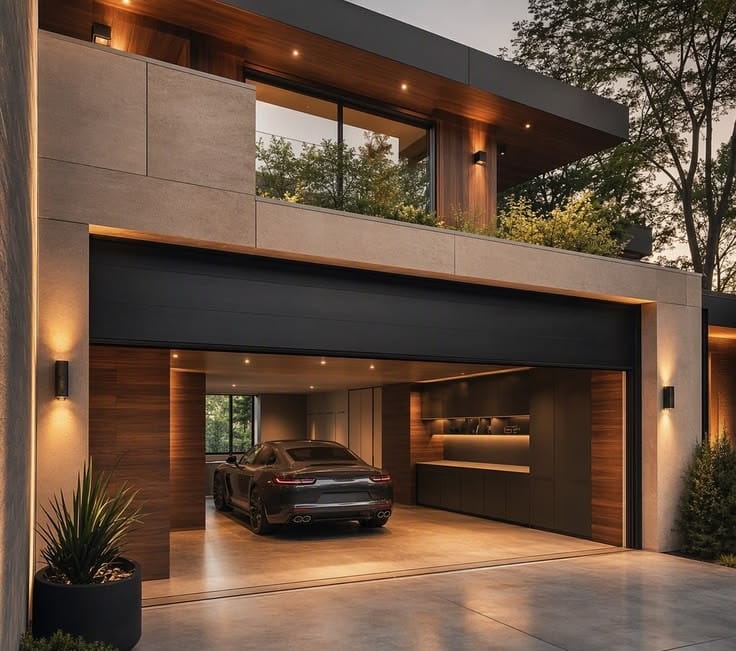
Villa Lighting Design in Dubai and Abu Dhabi: A Complete Guide in 2027


Wall Light Design in UAE for Homes & Villas

Staircase Light Design in UAE for Homes, Villas, & Large Malls


Light Installation in UAE for Homes, Villas, and Shops
